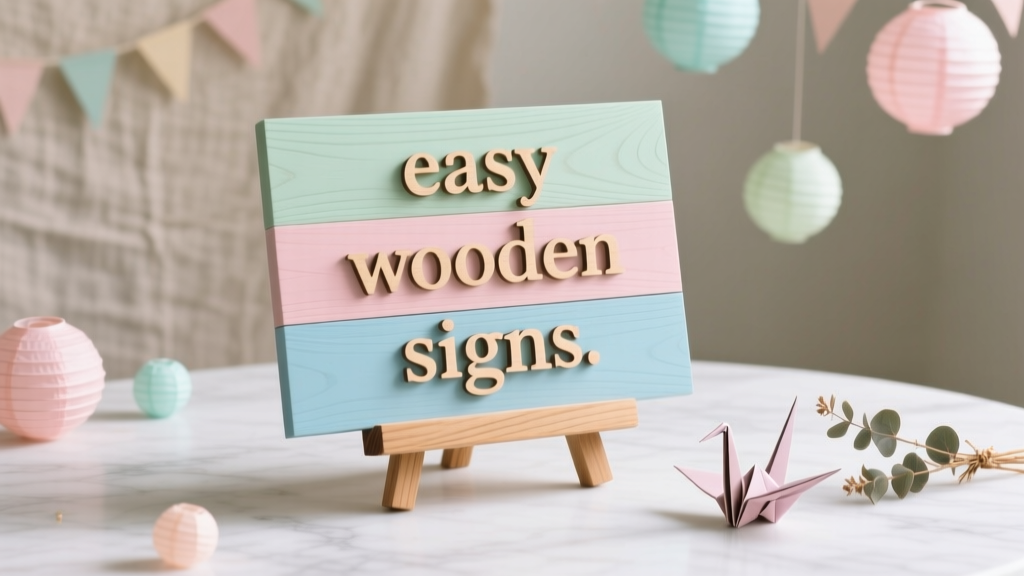
Easy Wooden Signs for Beginners
Wooden signs are one of those DIY projects that feel instantly rewarding: you start with a plain board and end with something personal, photo-worthy, and totally party-ready. Whether you’re hosting a birthday, baby shower, bridal shower, graduation, or holiday gathering, a handmade sign adds that “thoughtful touch” guests always notice.
What makes wooden signs especially fun for beginners is how flexible they are. You can keep it simple with one color and chunky letters, or level up with layered paint, distressing, and raised accents. You don’t need a full workshop either—just a few basic tools, a little patience, and a plan.
This guide walks you through easy wooden signs step by step, with beginner-friendly options, party-themed ideas, and practical troubleshooting so your finished sign looks polished (even if it’s your very first attempt).
Project Overview: Skill Level, Time, and What You’ll Make
- Skill level: Beginner (with optional intermediate/advanced upgrades)
- Time estimate: 1.5–3 hours active time + drying time (2–24 hours depending on paint/finish)
- Typical finished size: 8" x 10", 10" x 12", or 12" x 18"
- Best uses: Welcome signs, dessert table labels, “Gifts & Cards” signs, bar menu signs, photo booth signs, directional signs, party theme signs
Materials & Tools (With Estimated Costs)
Wood Options (Pick One)
- Pre-cut pine board (1/2" thick, 10" x 12" or 12" x 18"): $6–$15
- Basswood craft board (lighter, smoother, great for painting; 1/4" thick): $5–$12
- Birch plywood panel (1/4"–1/2" thick): $8–$18
- Wood round plaque (10"–14" diameter): $8–$20
Paint & Finish
- Acrylic craft paint (matte or satin): $1–$3 per bottle
- Chalk-style paint (easy coverage, trendy matte look): $10–$20
- Water-based polyurethane (matte/satin; for durability): $10–$18
- Spray clear sealer (quick topcoat option): $7–$12
Lettering & Design Supplies
- Vinyl stencil sheets (adhesive stencil vinyl or removable vinyl): $6–$15
- Transfer tape (if cutting vinyl): $6–$12
- Painter’s tape (1" or 1.5" wide): $4–$8
- Carbon paper (for tracing text): $5–$10
- Foam brush + small detail brush set: $5–$12
- Paint pen (oil-based or acrylic; for crisp writing): $3–$8
Tools (Beginner-Friendly)
- Sandpaper (120 grit + 220 grit): $4–$8
- Sanding block (optional but helpful): $4–$10
- Lint-free cloth or tack cloth: $3–$7
- Ruler or measuring tape: $3–$10
- Level (small torpedo level is perfect): $6–$15
- Hanging hardware (sawtooth hangers, D-rings, or Command strips): $3–$10
Optional “Make It Party-Perfect” Add-ons
- Wood stain (water-based): $8–$15
- Wood filler (for dents/holes): $5–$9
- Mini faux greenery, ribbon, or small florals: $3–$15
- LED fairy lights (battery pack): $5–$12
Choose a Simple Sign Style (3 Beginner Winners)
1) The “Welcome” Party Sign (Fast + Classic)
- Best size: 12" x 18"
- Look: Solid background + big word + small date/theme line
- Great for: birthdays, showers, graduation parties
2) The Dessert/Drink Table Menu Sign
- Best size: 8" x 10" or 10" x 12"
- Look: “Treats” header + short list (3–6 items)
- Great for: dessert bars, mimosa bars, hot cocoa stations
3) The Directional Arrow Sign
- Best size: 4" x 16" boards (one per arrow), or a single 12" x 24" board with arrows painted on
- Look: “Photo Booth →” “Gifts →” “Games →”
- Great for: larger parties, backyard events, venues
Step-by-Step: Easy Wooden Sign Tutorial (Beginner Method)
Step 1: Pick Your Board and Prep the Surface (15–25 minutes)
- Inspect the wood for rough edges or splinters.
- Sand the face and edges:
- Start with 120 grit to smooth rough areas.
- Finish with 220 grit for a paint-ready surface.
- Remove dust with a tack cloth or lint-free cloth.
- Optional: If your wood has knots, dab a little wood filler and sand smooth after it dries.
Step 2: Paint or Stain the Background (20–40 minutes + dry time)
For a painted sign:
- Apply the first coat of acrylic or chalk-style paint using a foam brush for fewer streaks.
- Let dry (usually 30–60 minutes for acrylic; longer for thicker chalk paint).
- Lightly sand with 220 grit for a smoother second coat.
- Apply the second coat. Let fully dry before lettering.
For a stained sign:
- Wipe on water-based stain with a clean cloth, following the grain.
- Wipe off excess after 1–3 minutes.
- Let dry completely (check the product label; often 2–6 hours).
Beginner tip: If you want crisp letters, a smoother background helps—paint tends to be easier than stain for first-time stencil work.
Step 3: Plan Your Layout (10–15 minutes)
- Measure your board and find the center point (light pencil mark).
- Decide your text sizes:
- Main word: 2"–4" tall letters for a 12" x 18" sign
- Small line: 0.5"–1" tall letters for dates or short phrases
- Use a ruler and level to keep text straight, especially for table signs and menus.
Step 4: Add Lettering (Choose One Method)
Method A: Vinyl Stencil (Cleanest for Beginners)
- Cut or buy a stencil design sized for your board.
- Apply stencil to the dry surface and press down edges firmly (use a scraper, old gift card, or your fingertips).
- Seal the stencil edges by brushing on a thin layer of the background color first. Let dry 5–10 minutes.
- Stencil your lettering color using a nearly dry foam brush:
- Use a dabbing motion, not swiping.
- Apply 2 light coats instead of 1 heavy coat.
- Remove the stencil slowly while paint is slightly tacky (not fully cured) for crisp edges.
Method B: Trace + Paint (No Cutting Machine Needed)
- Print your words in a bold font sized to your sign.
- Tape the paper in place.
- Slide carbon paper underneath and trace the letters with a pen.
- Remove paper and fill letters with a small brush or paint pen.
Method C: Paint Pen Lettering (Fast for Small Signs)
- Lightly pencil your guideline lines with a ruler.
- Sketch letters in pencil first.
- Go over with an acrylic paint marker or oil-based paint pen for bold, clean lines.
Step 5: Add Optional Party Decor Details (10–20 minutes)
- Attach a ribbon bow at the top corner using hot glue.
- Add faux greenery along one edge for a bridal/baby shower vibe.
- Glue small wooden stars/hearts for themed parties.
- Wrap a short strand of battery fairy lights around the border (great for evening events).
Step 6: Seal and Protect (5–15 minutes + cure time)
- For table signs that may get handled, apply 2 thin coats of water-based polyurethane (matte or satin).
- For quick protection, use a spray clear sealer (light coats to avoid drips).
- Let cure at least overnight before stacking, wrapping, or transporting to a party.
Step 7: Add Hanging or Display Hardware (5–10 minutes)
- Sawtooth hanger: easiest for small signs (center it 1–2" from the top).
- D-rings + wire: more secure for larger boards.
- Easel display: perfect for dessert tables and entryway signs.
- Command strips: great for temporary party setups (clean walls, lightweight signs).
Pro Tips for Beginner-Friendly Results
- Use a foam brush for backgrounds to reduce streaks.
- Less paint on the stencil brush = sharper letters. Dab off excess on a paper towel first.
- Seal stencil edges with the background paint color to prevent bleed.
- Choose bold fonts (thicker strokes are easier to paint neatly).
- Let layers dry fully before taping or stenciling to avoid peeling.
- Transport tip: Place parchment paper between signs if stacking to prevent sticking.
Easy Variations (Party-Themed Ideas)
Beginner Variations
- Color-block sign: Use painter’s tape to create a 2"–3" stripe at the bottom for the date or party hashtag.
- Minimal “Gifts & Cards” sign: White background, black lettering, simple border.
- Confetti border: Dot the edges with a paint pen in 2–3 party colors.
Intermediate Upgrades
- Distressed farmhouse finish: Sand edges and a few flat areas after painting to reveal wood underneath.
- Raised 3D letters: Glue pre-cut wooden letters (2"–4" tall) and paint them a contrasting color.
- Layered stencil design: Add small icons (balloons, stars, baby footprints, champagne glasses).
Advanced Variations
- Framed sign: Build a simple 1" x 2" wood frame around the board (mitered corners or straight butt joints).
- Outdoor-ready finish: Use exterior paint and an exterior-rated clear coat for porch parties or yard celebrations.
- Hand-lettered script: Practice on paper first, then paint with a liner brush for a custom look.
Troubleshooting: Fix Common Issues Fast
- Stencil bleed (paint seeped under edges): Let it dry fully, then touch up with a small brush and the background color. Next time: seal edges with background paint and use less paint.
- Paint streaks on the background: Add a second coat, using a foam brush and longer strokes in the same direction. Light sanding between coats helps.
- Stencil pulled up background paint: The base coat wasn’t cured or the vinyl was too sticky. Fix by sanding the rough edge and repainting. Next time: allow more dry time and de-tack vinyl on your shirt first.
- Warped thin wood: Seal both front and back (even one coat on the back helps). Store flat while drying.
- Pencil lines showing through paint: Use lighter pencil pressure or erase before sealing. A kneaded eraser works well on painted surfaces.
Common Crafting Mistakes to Avoid
- Skipping sanding: Even “smooth” boards paint better with a quick 220-grit pass.
- Rushing dry times: Taping or stenciling too soon is the quickest way to peel paint.
- Overloading your brush: Heavy paint causes drips, texture, and stencil bleed.
- Not measuring the layout: Eyeballing text can leave it crooked or off-center. A ruler and center mark take 2 minutes and save the whole sign.
- Using tiny, thin fonts: Thin lines are harder to paint cleanly—go bold for your first few wooden signs.
- Forgetting how it will display: If the sign will sit on an easel, keep the key words in the top two-thirds so nothing gets hidden.
FAQ: Easy Wooden Signs for Beginners
What kind of wood is best for beginner DIY wooden signs?
Pre-cut pine boards and basswood craft boards are the easiest. Pine is sturdy and affordable; basswood is smoother and lightweight, which makes painting and lettering simpler.
Do I need a Cricut or cutting machine to make a wooden sign?
No. You can use carbon paper to trace printed words, buy pre-made stencils, or hand-letter with a paint pen. A cutting machine is a nice upgrade, but not required for handmade party decorations.
How do I keep stencil letters from bleeding?
Press the stencil down firmly, seal edges with a thin coat of the background paint color, and apply the lettering paint with a nearly dry brush using a dabbing motion. Two light coats beat one heavy coat every time.
What paint works best for wooden signs?
Acrylic craft paint is budget-friendly and dries quickly. Chalk-style paint gives great coverage and a trendy matte finish. If you want a smoother, more durable surface, finish with a water-based polyurethane.
Can I use these signs outdoors for a party?
Yes, with the right finish. Use exterior-grade paint or an exterior clear coat, and seal the back and edges too. For one-day events, you can often get away with indoor paint if the sign stays under cover and out of rain.
How far in advance can I make party signs?
Wooden signs can be made 1–2 weeks ahead easily. Just let them cure fully, then store flat in a dry space. Wrap finished signs in kraft paper or bubble wrap for safe transport.
Ready to Make Your First Wooden Sign?
A simple wooden sign can turn a regular party setup into a coordinated, personalized celebration—without spending a fortune on store-bought decor. Start with a small board, bold lettering, and one or two colors. Once you see how fun it is, you’ll want to make a whole set: welcome signs, dessert table labels, photo booth directions, and seasonal party decor you can reuse year after year.
Keep it simple, enjoy the process, and let your sign reflect the theme and joy of your event. When you’re ready for your next handmade project, explore more DIY craft ideas and party decorations on smartpartyprep.com.
More Articles
 Budget DIY Coasters Under $15
 How to Make Party Photo Booth in Under $40 (No Tech Skills Needed): A Foolproof 5-Step Guide That Guests Actually Love — Plus Free Printable Props & Backdrop Templates
 Budget DIY Custom Stickers Under $25
 What Is Wrapped Party? The Surprisingly Genius DIY Craft Trend That Turns Gift-Wrapping Into a Joyful, Social, Memory-Making Experience (No Scissors Required!)
 How to Allow Third Party Cookies on MacBook Air (2020–2024): A Step-by-Step Safari & Chrome Fix That Actually Works in 2024 — No Tech Degree Required
 How to Enable Third Party Cookies on iPad in 2024: A Step-by-Step Guide That Actually Works (No More 'Blocked' Errors or Broken Logins)
 Paper Craft Fabric Bunting Ideas
 12 Do It Yourself Party Hats You Can Make in Under 30 Minutes (No Sewing, No Glue Gun, and Zero Craft Store Runs Needed)
 DIY Backdrops for Home Decor
 Upcycled Custom Stickers from Recycled Materials