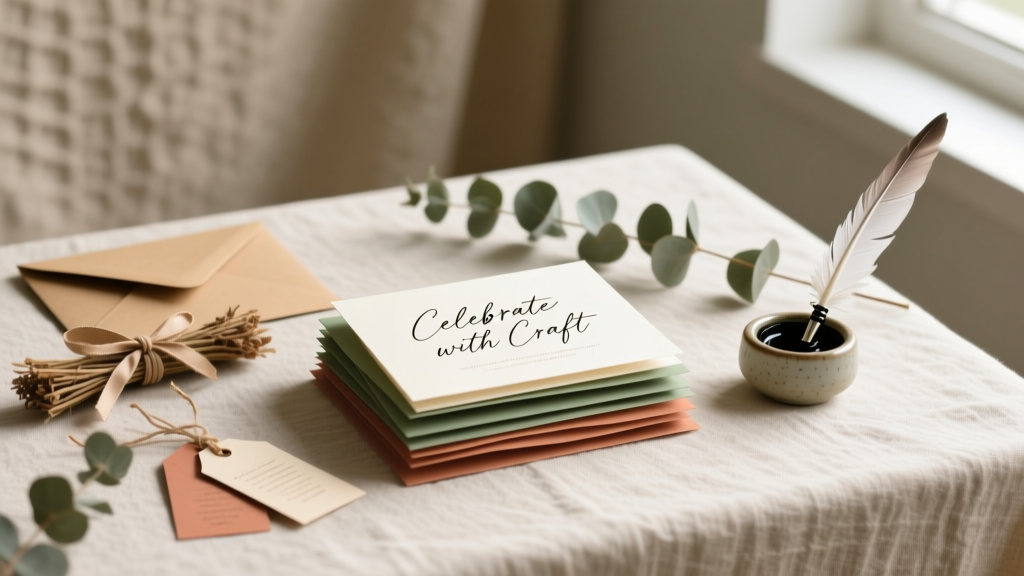
Advanced Invitations for Crafters
Handmade invitations do more than share party details—they set the mood before guests even arrive. When you craft your own, you get to match the theme perfectly, add personalized touches, and create a keepsake people actually want to save. For DIY enthusiasts, invitations are the “first decoration” of the celebration, and that makes them a fun, high-impact project.
This guide is for crafters who love details: crisp folds, clean cuts, layered textures, and clever interactive elements. You’ll learn a few advanced invitation builds that look boutique-level, along with practical steps, measurements, tool recommendations, and troubleshooting tips so your finished invites are consistent and mail-ready.
Whether you’re hosting a milestone birthday, baby shower, wedding shower, holiday party, or themed get-together, these techniques will help you create polished DIY party invitations that feel custom without needing professional print equipment.
Project Overview: Skill Level, Time, and Finished Sizes
Skill Level Indicators
- Confident Beginner: Comfortable cutting, gluing, and following templates.
- Intermediate: Familiar with scoring, layering, and aligning multiple pieces.
- Advanced: Precise measuring, vellum work, gate folds, and interactive features like pull tabs.
Time Estimates (for 10 invitations)
- Design + test prototype: 45–90 minutes
- Cutting + scoring: 60–120 minutes (faster with a cutting machine)
- Assembly: 90–150 minutes (depends on layers and drying time)
Recommended Finished Sizes
- A7 (5 x 7 in): Classic invitation size; fits A7 envelopes.
- A2 (4.25 x 5.5 in): Great for smaller parties; saves postage.
- 5 x 5 in square: Modern look; verify postage requirements for squares.
Materials List (Product Types + Estimated Costs)
Costs vary by brand and whether you already own tools. Estimates below assume you’re making 10–20 invites.
Paper & Specialty Materials
- 110 lb (300 gsm) cardstock for bases (12 x 12 or 8.5 x 11 sheets): $8–$15
- 80–100 lb (216–270 gsm) cardstock for layers/mats: $6–$12
- Vellum (translucent, 8.5 x 11) for wraps/overlays: $6–$12
- Patterned paper (6 x 6 pad) for accents: $6–$10
- Foil cardstock or metallic paper (optional luxe accents): $5–$12
Adhesives
- Tape runner (permanent) for clean, flat layers: $6–$12
- Liquid glue (fine tip) for small details: $4–$8
- Foam adhesive squares (1/8 in thick) for dimension: $4–$7
- Double-sided adhesive sheets (optional for intricate cuts): $7–$12
Tools (Choose What Fits Your Setup)
- Paper trimmer (guillotine or slide): $15–$40
- Scoring board + bone folder: $10–$20
- Precision craft knife + self-healing mat: $10–$25
- Corner rounder punch (optional): $7–$15
- Hole punch (1/8 in) for ribbons and pull tabs: $5–$10
- Cutting machine (optional) for intricate designs: $200+
- Heat tool + embossing powder (optional advanced finish): $20–$40
Embellishments (Pick 1–2 for a cohesive look)
- Satin ribbon (1/4 in or 3/8 in): $3–$8
- Wax seal + sticks (mail-friendly flexible wax recommended): $12–$30
- Eyelets + setter (optional for a pro finish): $10–$25
- Fine-tip metallic marker for address details: $4–$8
Choose Your Advanced Invitation Style
Style A: Layered Pocket Invitation (Holds RSVP + Details Card)
Best for: showers, weddings, milestone birthdays, any event with multiple inserts.
Why it feels premium: a tidy pocket keeps everything aligned and gives you room for maps, dress code, registry info, or fun party inserts.
Style B: Vellum Wrap + Belly Band (Elegant, Minimal, High-End)
Best for: modern parties, holiday events, sophisticated themes.
Why it works: vellum instantly looks boutique, and a belly band lets you add a monogram, sticker, or wax seal.
Style C: Interactive Pull-Tab Invitation (Surprise Reveal)
Best for: kids’ parties, graduation, themed events, playful celebrations.
Why guests love it: a pull tab reveals the party details—fun and memorable while staying flat for mailing.
Step-by-Step: Build a Layered Pocket Invitation (Most Versatile)
Finished size: A7 (5 x 7 in) pocket invite
Skill level: Intermediate to Advanced
Time: 15–25 minutes per invite once you’re in production mode
Cut List (Per Invitation)
- Base cardstock: 10 x 7 in
- Main invitation panel (insert): 4.75 x 6.75 in
- Mat layer (optional): 4.875 x 6.875 in (a thin frame shows nicely)
- RSVP card: 3.5 x 5 in (A1 size)
- Details card: 4 x 6 in (optional)
Score Lines and Pocket Template
- On the 10 x 7 in base, orient it landscape (10 in wide, 7 in tall).
- Score vertical lines at:
- 3.25 in from the left edge
- 6.75 in from the left edge
- Score a horizontal line at 2.5 in from the bottom edge.
- You now have a center panel and side flaps plus a bottom flap that will form the pocket.
Cut the Pocket Angles (Clean, Professional Look)
- On the bottom flap (the 2.5 in section), mark the top corners of that flap.
- Cut diagonals from each side edge up to meet the horizontal score line, forming angled pocket sides.
- Tool tip: A craft knife + metal ruler gives crisp angled cuts; a paper trimmer works if it has a reliable angle guide.
Fold and Assemble
- Use a bone folder to crease all score lines for sharp folds.
- Fold side flaps inward along the vertical score lines.
- Add adhesive to the angled edges of the bottom flap (avoid the center area where inserts slide).
- Fold the bottom flap up to create the pocket and press firmly.
- Optional: Add a narrow strip of patterned paper or metallic cardstock to the pocket front (suggested size: 4.75 x 1.75 in).
Create the Invitation Front (Layering for Depth)
- Mount the main invitation panel (4.75 x 6.75 in) onto the mat layer if using.
- Adhere with tape runner for a flat finish, or use foam squares for dimension (keep it minimal if mailing).
- Attach the layered panel to the center section above the pocket.
Finish with a Closure
- Belly band: Cut a strip 1.25 x 11 in, wrap around the invite, trim to fit, and secure with double-sided tape.
- Ribbon wrap: Add a 3/8 in ribbon around the center (pre-tie bows assembly-line style).
- Wax seal: Use a flexible wax and keep the seal off thick seams to reduce cracking.
Advanced Variation: Vellum Wrap + Belly Band (Quick Luxe Upgrade)
Skill level: Confident Beginner to Intermediate
Time: 8–15 minutes per invite
Measurements
- Vellum wrap: 11 x 7.5 in (fits around a 5 x 7 in card with overlap)
- Belly band: 1.25 x 11 in (trim to fit)
Steps
- Score the vellum at 5 in and 10 in along the 11 in side (wraps around a 5 in wide card).
- Fold gently; crease lightly to avoid cracking vellum.
- Insert your invitation and any flat inserts inside the wrap.
- Secure with a belly band (cardstock, glitter paper, or metallic paper). Add a sticker, monogram tag, or wax seal.
Beginner-Friendly Adaptation
- Skip scoring: wrap by hand and secure with a belly band only.
- Use standard 65–80 lb cardstock for bands if heavy cardstock cracks on tight wraps.
Advanced Variation: Interactive Pull-Tab Invitation (Flat + Fun)
Skill level: Advanced
Time: 20–35 minutes per invite (prototype first!)
Basic Build Measurements (A7 Flat Card)
- Base: 5 x 7 in cardstock
- Slider channel layer: 4.75 x 6.75 in
- Pull tab strip: 1 x 9 in (trim after testing)
- Window (optional): 3.5 x 2.25 in rectangle centered
Steps (Simplified Mechanism)
- Cut a “channel” in the slider layer by removing a long rectangle from the center (suggested: 3/8 in x 5.5 in), leaving a frame around it.
- Glue the slider layer onto the base using foam tape along the edges (this creates space for the tab to move).
- Thread the pull tab strip through the channel before sealing the last side.
- Attach a small panel to the pull tab (like a mini banner) that will reveal the party details as it slides up.
- Add a stopper (a foam square or cardstock bump) so the tab doesn’t pull out completely.
Pro Tips for Crisp, Professional Results
- Make one perfect prototype before cutting a full batch. Adjust measurements, then mass-produce.
- Use a “glue budget” mindset: tape runner for large areas, liquid glue for tiny details only.
- Keep layers consistent: if you’re matting, aim for 1/16 in to 1/8 in border reveals on all sides.
- Batch your workflow: cut everything first, then score, then assemble (faster and more uniform).
- Mail test: assemble one full invitation with embellishments and weigh it at the post office—especially for wax seals, bulky bows, or square cards.
Troubleshooting: Fix Common Invitation Issues
- Warping or bubbling: Too much liquid glue. Switch to tape runner for big panels, or apply glue in tiny dots and press under a book for 5–10 minutes.
- Cardstock cracking on folds: Score deeper with a scoring board; fold slowly with a bone folder. Consider a slightly lighter cardstock for tight folds.
- Vellum adhesive showing: Hide adhesive behind printed areas, use tiny dots under embellishments, or secure vellum with a belly band instead.
- Pocket not holding inserts: Add adhesive closer to the angled edges to snug the pocket, or slightly widen inserts (by 1/8 in) so they sit firmly.
- Misaligned layers: Use a T-square/ruler or a gridded mat; lightly pencil alignment marks on the back and erase after.
Common Crafting Mistakes to Avoid
- Skipping the prototype: One test run prevents wasting expensive cardstock and vellum.
- Over-embellishing: Too many thick layers can make envelopes bulky, increase postage, and cause damage in sorting machines.
- Not accounting for printer margins: If you’re printing at home, keep text at least 1/4 in from edges (more if your printer is finicky).
- Mixing too many textures: Choose one “star” element (vellum, foil, wax seal, or layered paper) and keep the rest supportive.
- Rushing scoring and folding: Crisp folds are the difference between “handmade” and “handcrafted.”
FAQ: Advanced DIY Party Invitations
How many invitations can I make from one 12 x 12 in cardstock sheet?
For A7 pocket bases (10 x 7 in), you’ll typically get one base per 12 x 12 sheet with some scrap. For flat 5 x 7 cards, you can often get two (5 x 7 plus trimming) depending on layout and grain direction.
What cardstock weight is best for professional-looking invitations?
Use 110 lb (300 gsm) for bases and structural pieces. For layered mats and inserts, 80–100 lb looks polished without excessive bulk.
Can I make these without a cutting machine?
Yes. A good paper trimmer, scoring board, and craft knife handle most advanced invitation designs. A cutting machine is helpful for intricate cutouts, but not required for pocket invitations, vellum wraps, or clean layered designs.
How do I keep wax seals from breaking in the mail?
Use flexible wax, keep seals modest in thickness, and consider placing finished invites inside a protective outer envelope. Some crafters hand-cancel at the post office to reduce machine damage.
What’s the easiest advanced upgrade for beginner crafters?
Add a vellum wrap and a belly band. It’s a simple build with a high-end look, and it pairs well with almost any party theme or DIY party decoration style.
How far in advance should I start crafting invitations?
For 20–40 invites with layered details, plan on 2–3 crafting sessions. Start 3–4 weeks before you want to mail them, especially if you’re waiting on printed inserts or specialty supplies.
Wrap-Up: Make Invitations That Feel Like Part of the Party Decor
Advanced invitations are where paper crafting meets party styling—layering, texture, and clever construction turn simple details into a full experience. Pick one “hero” technique (pocket build, vellum wrap, or interactive pull tab), make a prototype, and then enjoy the satisfying rhythm of assembly-line crafting.
If you try one of these handmade invitation styles, keep a finished sample for your craft binder—it’s a great reference for future DIY party invitations and party decorations. For more creative party prep, templates, and handmade projects, explore more DIY craft ideas on smartpartyprep.com.
More Articles
 Why Don’t Third Parties Usually Succeed on Quizlet? The 5 Hidden Structural Barriers That Kill Outside Study Tools (And How to Beat Them)
 How to Make Party in Infinite Craft (Step-by-Step Guide): The 4 Hidden Combinations You’re Missing — Plus Why ‘Fire + Music’ Fails Every Time
 How to Enable Third Party Cookies on Mac: A Step-by-Step Safari & Chrome Fix (2024 Verified — No More 'Blocked' Errors or Broken Logins)
 How to Install 3rd Party Apps on LG Smart TV (2024): The Only Safe, Step-by-Step Method That Actually Works — No Hacks, No Bricking, No Developer Mode Confusion
 Easy Origami Decorations for Beginners
 25 Creative Slime Ideas
 How to Enable Third Party Cookies on MacBook Air (2020–2024): A Step-by-Step Fix for Safari, Chrome & Firefox — Because Yes, It’s Still Possible (and Here’s Exactly How)
 No-Sew Beaded Bracelets Tutorial
 Advanced Slime for Crafters
 Modern Custom Stickers Designs