
Step-by-Step Guide to a Theme Party
A great theme party looks effortless when guests arrive—but behind the scenes, it’s the result of smart event planning, clear coordination, and decisions made in the right order. Themes add excitement and “share-worthy” moments, yet they also introduce extra moving parts: cohesive décor, menu styling, music, attire guidance, and activities that match the concept. Without a plan, it’s easy to overspend, overcomplicate, or end up with a theme that feels scattered.
Proper planning matters because a theme party is a full experience, not just a color palette. The goal is to guide guests from the invitation to the last song with consistent cues—visual, sensory, and social—while keeping logistics smooth. Whether you’re planning an intimate dinner, a milestone birthday, or a corporate celebration, this step-by-step guide will help you organize your party timeline, build a realistic budget, choose vendors wisely, and avoid common mistakes that derail otherwise fun events.
Use this guide as your theme party roadmap: define the concept, set your budget, build a planning timeline, and execute a coordinated setup that feels polished and personal.
Step 1: Choose a Theme That Fits Your Guests and Your Space
The best themes are specific enough to guide decisions, but flexible enough to execute without stress. Before you commit, align the theme to your guest list, venue, and the vibe you want (high-energy dance party vs. cozy dinner party).
Quick theme filter (choose a “yes” on all three)
- Guest fit: Will most guests understand it and feel comfortable participating?
- Budget fit: Can you deliver the look without specialty rentals everywhere?
- Space fit: Will the theme work with your venue layout, lighting, and noise limitations?
Current theme party trends (practical and popular)
- “Elevated minimal” themes: Monochrome parties (all white, all black, all pastels) with high-impact texture and lighting.
- Nostalgia themes: 90s/2000s throwbacks, disco, retro diner, “summer camp,” or “old Hollywood.”
- Destination-inspired: Amalfi night, tropical tiki, Paris café, ski lodge/après-ski.
- Interactive themes: Build-your-own cocktail/mocktail bars, DIY floral stations, photo scavenger hunts.
Real-world example
Theme: “Italian Summer Night” for a 30th birthday at home. Why it works: Easy menu (pasta bar, antipasti), affordable décor (citrus, greenery, candles), and a clear dress code (“linen and lemon”). Result: Cohesive photos and smooth hosting without complex rentals.
Step 2: Set Goals, Guest Count, and a Clear Party Format
Before you shop or book vendors, define the party basics. This is the backbone of event coordination and prevents expensive changes later.
- Purpose: Celebration, networking, brand moment, fundraiser, reunion?
- Guest count: Create three numbers: “must invite,” “nice to have,” and “max capacity.”
- Format: Cocktail-style, seated dinner, open house, kids’ party, or activity-based.
- Key moments: Welcome toast, cake cutting, awards, reveal, games, speeches.
- Accessibility: Dietary needs, mobility access, sensory-friendly options, childcare plan.
Step 3: Build a Budget That Matches the Experience
Theme parties can quietly inflate budgets through décor “extras,” custom signage, and last-minute props. A structured budget keeps your party organization grounded.
Simple budget breakdown (typical ranges)
- Food & beverage: 35–50%
- Venue (if rented): 10–25%
- Décor & rentals: 10–20%
- Entertainment (DJ, games, performers): 5–15%
- Photography: 5–12%
- Invites, signage, paper goods: 3–8%
- Contingency buffer: 8–12%
Budget example: 40-guest theme party at home ($2,000)
- Food: $600 (drop-off catering or DIY + premium add-ons)
- Beverage: $350 (beer/wine + themed signature mocktail)
- Décor: $300 (balloon accent or florals, candles, linens)
- Rentals: $250 (extra chairs, glassware, heat lamps)
- Entertainment: $150 (speaker upgrade + curated playlist; simple game prizes)
- Paper/signage: $100 (menus, place cards, welcome sign)
- Contingency: $250 (ice, extra cups, last-minute needs)
Cost-saving strategies that still look premium
- Pick one “hero moment”: A photo backdrop, dramatic dessert table, or statement entry—then keep the rest clean and consistent.
- Use lighting as décor: String lights, battery candles, uplighting, or colored smart bulbs can transform a room cheaply.
- Limit the palette: 2–3 colors + 1 metallic or natural accent reduces waste and keeps the theme cohesive.
- Repurpose: Entry florals become table centerpieces; bar signage doubles as photo prop.
Step 4: Choose the Venue and Map the Guest Flow
Your venue determines the setup plan, vendor access, and what’s realistic. Even at home, treat the space like a venue by planning guest flow.
Guest flow map (must-have zones)
- Arrival zone: Welcome sign, coat drop, quick theme cue.
- Food zone: Buffet, grazing table, or servers. Keep lines out of traffic paths.
- Bar zone: Visible, well-lit, with a menu sign to reduce questions.
- Seating zones: A mix of standing tables + lounge seating encourages mingling.
- Activity zone: Photo area, games, craft station, or dance floor.
Vendor-friendly planning tips
- Confirm load-in/load-out times and nearest parking.
- Ask about noise limits, kitchen access, and trash removal.
- Plan power needs for DJ, lights, warming trays, photo booth.
Step 5: Assemble Your Vendor Team (or DIY Plan)
Theme parties often need help in one or two areas (food, décor, entertainment). Choosing the right vendors is a coordination win—good pros reduce your workload and solve problems before you see them.
Vendor selection checklist
- Proof of experience: Ask for photos from similar-sized events and themes.
- Clear package details: What’s included (setup, breakdown, staffing hours, travel fees)?
- Communication style: Fast, clear replies now usually mean smoother event-day coordination.
- Backup plan: Weather contingency, replacement staff, equipment redundancy.
- Reviews and references: Look for mentions of punctuality and flexibility.
Smart vendor prioritization
- Spend on: Food quality, enough ice, comfortable seating, lighting, and a reliable sound system.
- Save on: Over-customized props, too many balloon moments, novelty items guests won’t use.
Step 6: Design the Theme Experience (Décor, Menu, Music, Dress Code)
Make the theme feel intentional by repeating the same cues across multiple touchpoints. This is where party planning becomes guest experience design.
Create a “theme style board” (quick version)
- Color palette: 2–3 colors
- Materials: wood, acrylic, linen, metallic, neon, etc.
- Signature motif: stars, citrus, disco balls, tropical leaves
- Font style: modern, vintage, handwritten
Décor planning: focus on high-impact areas
- Entry: Welcome sign + small themed vignette
- Tabletop: Linens, napkins, candles, simple centerpieces
- Backdrop: Photo moment (balloons, fringe curtain, branded wall, floral panel)
- Lighting: Dim overheads, add warm lamps or string lights
Menu and bar: make it themed, not complicated
- Signature drink: One cocktail + one mocktail that match the theme
- One “wow” food item: Dessert display, themed cake topper, or interactive topping bar
- Label everything: Helps dietary needs and reduces bottlenecks
Music: plan the energy curve
- Arrival: upbeat but conversational
- Peak: recognizable hits or theme-specific playlist
- Wind-down: relaxed tracks for goodbyes and cleanup
Dress code wording that gets results
- Too vague: “Dress themed!”
- Works better: “Garden Glam: florals, pastels, or linen. Comfortable shoes encouraged.”
- Even better: Include 2–3 example outfits on the invite or event page.
Step 7: Send Invitations and Track RSVPs Like a Pro
Strong party organization depends on accurate counts. Use a system that makes RSVP tracking easy and reduces guest questions.
- Digital invites: Best for quick updates, links, and reminders.
- RSVP deadline: Set it 7–10 days before the event (earlier if catering requires).
- Collect key info: Dietary restrictions, plus-one policy, arrival time (for timed activities).
- Send reminders: One at RSVP deadline, one 48 hours before with parking and timing.
Step 8: Use a Step-by-Step Planning Timeline (with Checklist)
Here’s a practical planning timeline you can adapt for most theme parties. Adjust based on size, vendors, and venue rules.
6–8 weeks before
- Pick theme, date, and party format
- Draft guest list + set max capacity
- Set budget + “must-haves” vs. “nice-to-haves”
- Book venue (if needed), caterer, and key entertainment (DJ/performer)
- Create a simple style board (colors, motif, lighting plan)
4–5 weeks before
- Send invitations and open RSVPs
- Confirm menu direction and bar plan
- Reserve rentals (tables, chairs, linens, glassware)
- Plan layout: entry, bar, food, seating, activity zone
- Order core décor items with shipping buffer
2–3 weeks before
- Review RSVP trend and adjust orders
- Finalize vendor arrival windows and contact list
- Write signage copy (welcome sign, bar menu, food labels)
- Plan run-of-show: timing for speeches, cake, activities
- Create your “day-of box” list (see below)
7–10 days before
- Finalize headcount and catering quantities
- Confirm dietary accommodations
- Print signage and menus
- Build your playlist or confirm DJ set direction
- Assign helpers: door greeting, restocking, photo area, trash checks
48 hours before
- Buy perishables, ice plan (or schedule delivery)
- Confirm weather backup if outdoors (tents, heaters, fans)
- Charge devices (speakers, mic, lights, cameras)
- Pre-stage décor by zone in labeled bins
- Send guest reminder with parking and start time
Event day (setup + execution)
- Do a quick venue walkthrough using your layout map
- Set up hero moment first (backdrop or entry)
- Set food and bar with clear signage and trash nearby
- Test sound, lighting, and any interactive stations
- 30 minutes before: tidy surfaces, light candles, set music
Post-party (same night or next morning)
- Pack rentals and confirm pickup times
- Label leftover food and distribute safely
- Collect décor into bins for future use
- Send thank-you messages and vendor reviews
“Day-of box” essentials
- Scissors, tape, zip ties, command strips
- Sharpies, pens, extra place cards
- Phone chargers, extension cords, power strip
- Stain remover, lint roller, safety pins
- Extra trash bags, paper towels, wipes
- First aid basics
Common Theme Party Planning Mistakes (and How to Avoid Them)
- Mistake: Choosing a theme that needs too many custom items.
Fix: Base your theme on lighting, a limited palette, and one signature motif. - Mistake: Underestimating setup time.
Fix: Plan for 2–3 hours for home events; 3–5+ for larger spaces with rentals. - Mistake: Skipping a floor plan.
Fix: Sketch zones and traffic flow. Keep food lines away from entry doors and bathrooms. - Mistake: Not budgeting for “unsexy” essentials.
Fix: Reserve funds for ice, serving utensils, cups, extra trash, and staffing help. - Mistake: Weak communication with guests.
Fix: Put start time, attire guidance, parking, and RSVP deadline in writing and repeat it 48 hours prior. - Mistake: Overpacked schedule.
Fix: Plan one structured activity and let the rest be flexible social time.
FAQ: Theme Party Planning and Coordination
How far in advance should I plan a theme party?
For most gatherings of 20–75 guests, plan 4–8 weeks ahead. If you need a popular venue, specialty entertainment, or peak-season vendors, start 10–12 weeks out.
What’s the easiest theme to execute for a first-time host?
Monochrome (all white, black, or pastels) and decade-inspired themes (disco, 90s) are beginner-friendly. They’re easy to communicate, guests can participate without stress, and décor can be simple but high impact.
How do I keep the theme consistent without overspending?
Repeat the same 2–3 colors and one motif across invites, tabletop details, signage, and your hero photo moment. Put your budget into lighting and one focal installation rather than buying lots of small props.
Should I hire a day-of coordinator for a private party?
If your event includes multiple vendors, rentals, timed moments (speeches, cake, performances), or a complex setup, a day-of coordinator can be worth it. They manage vendor arrivals, solve issues discreetly, and keep the party on schedule so you can host.
How do I estimate food and drinks for a theme party?
A practical approach: plan 6–8 appetizer portions per person for a 2–3 hour cocktail party, or a full meal if the party spans dinner hours. For beverages, include a mix (beer/wine + one signature cocktail/mocktail), and don’t forget plenty of water and ice.
What if guests don’t follow the dress code?
Make attire optional and focus on providing theme accessories at the door (leis, glow bracelets, costume sunglasses, hats). Guests still feel included, and your photos look cohesive.
Next Steps: Turn Your Theme into a Smooth, Memorable Event
Start by locking in your theme, guest count, and budget—then build your timeline and style board before purchasing anything. Choose one hero visual moment, keep your floor plan guest-friendly, and confirm vendor details early so event-day coordination feels calm. If you want the party to feel “professional,” focus on the basics: lighting, clear signage, comfortable seating, and a simple run-of-show.
Ready to plan your next celebration with less stress and better results? Explore more step-by-step event planning guides, checklists, and party organization tips on smartpartyprep.com.
More Articles
 When Did the Political Parties Switch? The Real Story Behind the Great American Realignment — Debunking the 1860s Myth, Explaining the 1930s–1960s Pivot, and Why It Still Shapes Your Vote Today
 What Is a Quince Party? The Truth Behind the Tradition: Why Modern Families Are Reimagining This Rite of Passage (Not Just a 'Latinx Birthday')
How Did Political Parties Form? The Real Story Behind America’s First Factions — Not Founders’ Unity, But Bitter Cabinet Battles, Newspaper Wars, and a Constitutional Loophole That Changed Everything
What Is a Quince Party? The Truth Behind the Tradition: Why Modern Families Are Reimagining This Rite of Passage (Not Just a 'Latinx Birthday')
How Did Political Parties Form? The Real Story Behind America’s First Factions — Not Founders’ Unity, But Bitter Cabinet Battles, Newspaper Wars, and a Constitutional Loophole That Changed Everything
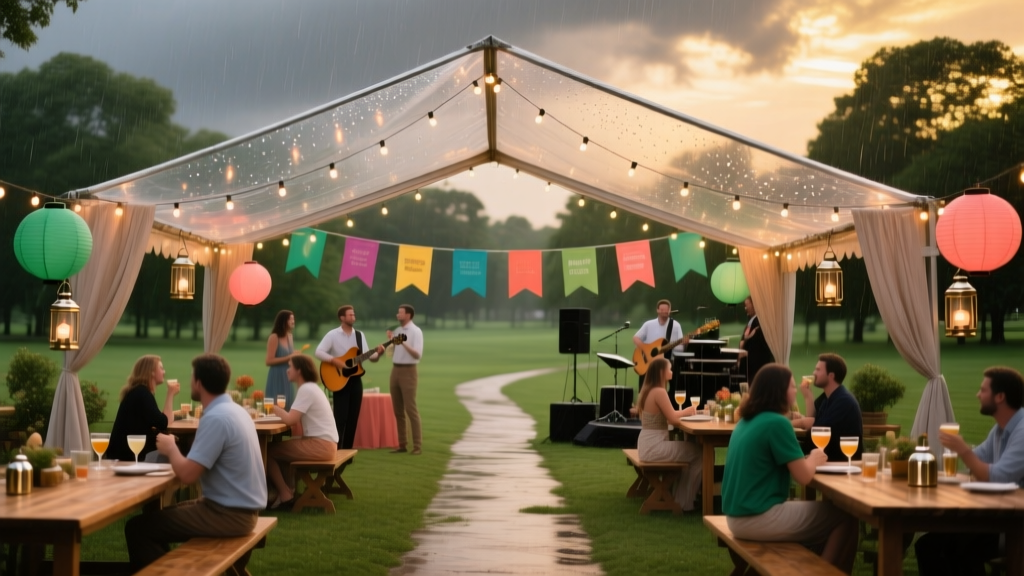 How to Handle Weather for Outdoor a Benefit Concert
 What Party Is Tyler Robinson? The Truth Behind His Affiliation, Why It Matters for Your Voting Decisions, and How to Verify Political Claims in Real Time
 What Was Know Nothing Party? The Shocking Truth Behind America’s Most Secretive Political Movement — And Why Its Tactics Are Resurfacing in Modern Elections
 Are Political Parties Factions? The Truth Behind America’s Misunderstood Party System — Why Calling Them 'Factions' Oversimplifies Power, History, and Real-World Governance
What political party was Dwight Eisenhower? The Surprising Truth Behind His GOP Affiliation — And Why Historians Still Debate Whether He Was Truly 'Conservative' in Practice
Are Political Parties Factions? The Truth Behind America’s Misunderstood Party System — Why Calling Them 'Factions' Oversimplifies Power, History, and Real-World Governance
What political party was Dwight Eisenhower? The Surprising Truth Behind His GOP Affiliation — And Why Historians Still Debate Whether He Was Truly 'Conservative' in Practice