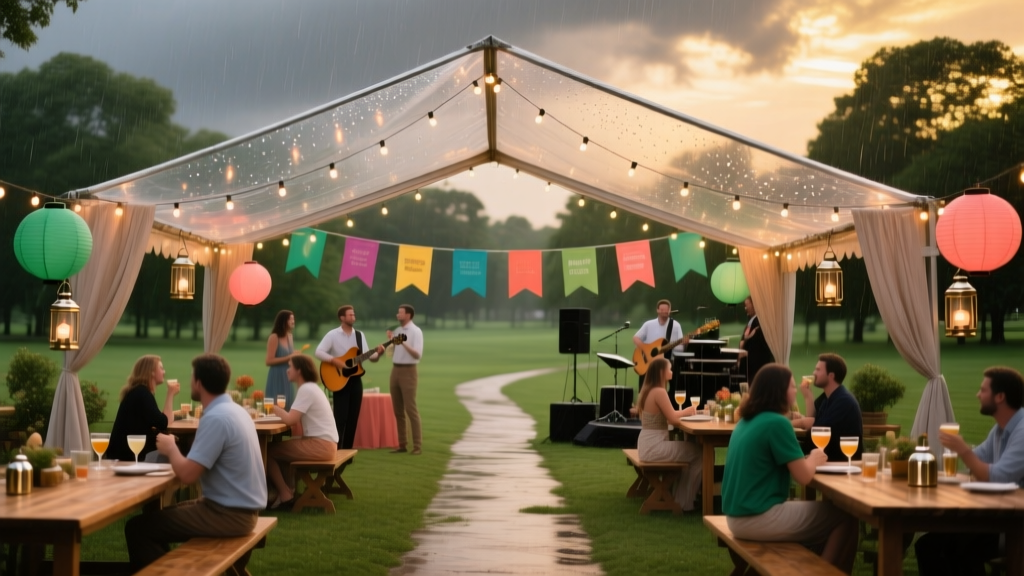
How to Handle Weather for Outdoor a Benefit Concert
Outdoor benefit concerts have a special kind of magic: live music under an open sky, a mission people believe in, and a community coming together to give. That same open sky, though, is the one variable you can’t control—and the fastest way a well-intended fundraising event can turn into a stressful scramble.
Weather planning isn’t just about avoiding rain on the stage. It’s about protecting guests, performers, volunteers, equipment, and donations—while keeping the experience uplifting and organized. The most successful outdoor event planning teams treat weather as a core part of party organization and coordination, not a last-minute “hope for the best.”
This guide walks you through a practical, step-by-step approach to weather-proofing your benefit concert: what to plan, when to plan it, what to budget for, how to brief vendors, and how to communicate clearly so your attendees feel confident showing up ready to support your cause.
Start With the Right Mindset: Weather Planning Is Guest Experience Planning
When weather shifts, the guest experience shifts with it. Comfort and safety affect:
- Attendance: People skip events when they’re unsure about conditions or parking.
- Donations: If guests are cold, wet, or waiting in disorganized lines, giving drops.
- Program flow: Delays reduce stage time and decrease sponsor visibility.
- Risk: Slips, heat illness, and wind hazards increase liability.
Current event planning trends emphasize risk management, flexible logistics, and proactive communication. For outdoor concerts, that means building a plan that can adapt to heat, rain, wind, smoke/air quality, and sudden storms without losing momentum.
Weather Risk Assessment: What You’re Really Planning For
Know Your Region and Season
Start with historical weather patterns and local “quirks.” A coastal city may mean fog and wind. A desert venue may mean extreme heat and fast temperature drops at night. Use multiple sources:
- Historical averages (temperature, rainfall, wind) for the date range
- Local microclimate notes (valleys, waterfront, open fields)
- Sunset time and temperature swing after dark
Identify the Big Five Weather Threats
- Rain: impacts stage safety, electrical, guest comfort, ground conditions.
- Wind: impacts tents, signage, barricades, stage scrims, LED walls.
- Heat: impacts hydration, medical needs, staffing, and guest retention.
- Cold: impacts dwell time, bar/food sales, and volunteer endurance.
- Lightning/Severe storms: creates immediate safety and evacuation needs.
Set Clear “Go / Modify / Pause / Cancel” Triggers
Write objective thresholds into your event coordination plan so decisions are fast and defensible:
- Lightning: pause show and clear open areas if lightning is within a defined radius (often 8–10 miles; align with venue policy and local safety guidance).
- Wind: pre-set limits for tents, inflatables, truss, and banners based on vendor specs.
- Heat index: define extra shade, water stations, and reduced set times when above a certain threshold.
- Air quality: include smoke/air quality index triggers if relevant.
Build a Weather-Ready Site Plan
Stage and Production: Protect Power, People, and Performance
- Stage roof or cover: Essential for electrical safety and performer comfort. If using a mobile stage, confirm wind ratings.
- Waterproofing: Use cable ramps, covered power distribution, and weather-rated connectors where possible.
- Drainage plan: Avoid low spots; add temporary flooring or trackway in high-traffic areas.
- Wind management: Avoid large sail surfaces (loose banners). Anchor signage and confirm ballast needs for truss and tents.
- Lighting/LED: Confirm IP ratings and rain plans. Ask production to specify what can stay live in light rain and what must power down.
Guest Flow: Keep People Moving Comfortably
- Entry and check-in: Cover lines with tents or shaded structures; set up stanchions on stable ground.
- Accessible routes: Plan for mud/rain with mats; ensure ADA paths are firm and continuous.
- Hydration and shade: Place water stations near audience zones, not hidden by vendors.
- Restrooms: Add lighting for evening and plan placement away from runoff paths.
Back-of-House (BOH): Make the Crew Weather-Proof
- Dedicated covered area for volunteers and staff check-in
- Dry storage for merch, raffle items, paperwork, and devices
- Warm-up/cool-down space for performers if possible
Weather Communication Plan (What to Tell Guests and When)
One of the biggest event planning wins is reducing uncertainty. Guests will tolerate imperfect weather if they trust your organization and feel informed.
Communication Channels to Prepare
- Email (ticket holders, donors, sponsors)
- SMS/text alerts for day-of updates
- Event website landing page with “Weather Updates” section
- Social posts with pinned update
- On-site signage (parking, entry, schedule changes)
What Messages Should Include
- Event status: on schedule / modified schedule / delayed / paused
- What to bring: poncho, refillable bottle, sunscreen, layers
- What not to bring: umbrellas (often block views), prohibited items
- Parking/entry changes due to mud or rerouted paths
- Refund/credit policy if applicable and how donations are handled
Real-World Example: “Rain but Still a Win”
A community benefit concert expecting 1,000 guests sees a 70% rain forecast. The team:
- Adds two large line-cover tents at entry and relocates merchandise under a pavilion
- Switches from paper raffle tickets to QR code entry to keep sales moving
- Sends a clear “rain plan” email 24 hours out with what to bring and what areas are covered
- Posts a 3-hour weather update on event day, reducing no-shows
Result: slightly shorter dwell time, but donations stay strong because guests remain comfortable, lines move quickly, and volunteers aren’t overwhelmed.
Step-by-Step Planning Timeline and Weather Checklist
8–12 Weeks Before: Foundation and Vendor Alignment
- Choose date/time with daylight and temperature swing in mind
- Confirm venue rules on weather, evacuation routes, shelter spaces, and lightning protocols
- Request vendor weather policies (rental company, staging, AV, security, medical)
- Identify indoor or covered backup spaces (pavilion, gym, community center) if possible
- Draft a preliminary “rain plan” map: covered areas, alternate entrances, modified layouts
6–8 Weeks Before: Site Plan, Safety, and Permits
- Finalize site map with drainage awareness and high-traffic surfacing needs
- Book essential weather gear:
- Stage cover/roof
- Tents for entry, first aid, VIP/sponsors, backstage
- Flooring/mats for mud control
- Heaters or fans/misters depending on climate
- Review permits and insurance requirements (including wind and rain considerations)
- Plan electrical distribution with GFCI protection where required
- Schedule a safety walk-through with venue or site manager
4–6 Weeks Before: Communication Drafts and Staffing Plan
- Create pre-written weather update templates (email + SMS + social)
- Assign decision roles:
- Weather monitor (tracks forecast and radar)
- Show caller/event lead (makes operational calls)
- Safety officer (coordinates pause/evacuation)
- Comms lead (publishes updates)
- Train volunteer captains on:
- Where guests should go during a pause
- How to keep walkways clear
- How to handle accessibility support
2–3 Weeks Before: Final Logistics and Backup Inventory
- Confirm tent ballast, staking rules, and wind ratings with rental vendor
- Build a “weather kit” inventory (see list below)
- Confirm medical staffing and hydration plan
- Re-check ground conditions and parking plans (especially for grass fields)
72–24 Hours Before: Forecast-Driven Adjustments
- Set forecast check-ins: 72 hours, 48 hours, 24 hours, event morning
- Implement modifications early:
- Relocate donation/merch/raffle to covered areas
- Add mats in entry and restroom corridors
- Stage additional water stations for heat
- Send attendee email: event status + what to bring + arrival guidance
- Brief vendors on any revised load-in or layout changes
Day-Of: Execution Checklist
- Weather monitor starts radar tracking and alerts leadership to changes
- Inspect:
- Tent anchors/ballast
- Cable ramps and covered power
- Slip hazards (add cones/signage)
- Stage surface condition
- Post on-site signage: “Water refill,” “First aid,” “Covered areas,” “No umbrellas” (if applicable)
- Keep comms cadence predictable (e.g., update every 2–3 hours, or immediately if status changes)
- Log decisions (time, reason, action) for post-event review
Weather Kit: Practical Supplies for Outdoor Event Coordination
- Heavy-duty tape, zip ties, bungee cords
- Plastic sheeting and contractor bags (equipment + donation protection)
- Microfiber towels and absorbent mats
- Ponchos (for volunteers), spare dry gloves
- Sunscreen, electrolyte packets, cooling towels
- Flashlights/headlamps and extra batteries
- Clipboards with waterproof covers or use a mobile app checklist
Budget Considerations: What Weather Preparedness Really Costs
Weather-ready event planning does add cost—but it also protects revenue, reduces liability, and keeps sponsor commitments intact. A practical approach is to create a dedicated weather contingency line in your budget.
Sample Weather Preparedness Budget Breakdown (Percent of Event Operations)
- Tents/covered areas: 25–40%
- Flooring/mats/ground protection: 10–20%
- Climate support (fans/misters/heaters): 10–20%
- Safety and medical readiness: 10–20%
- Communication tools (SMS, signage): 5–10%
- Weather contingency reserve: 10–15%
Ways to Keep Costs Under Control
- Prioritize high-impact zones: Cover entry, first aid, and donations/merch before adding extra lounge tents.
- Seek in-kind sponsorship: Rental companies may donate tents or fans in exchange for sponsor placement.
- Bundle rentals: One vendor for tents + flooring + heaters often reduces delivery fees.
- Use scalable options: Add-on tent panels or sidewalls can be ordered “hold for forecast” with some vendors.
Vendor Selection Tips: Choose Partners Who Plan for Weather
Great vendors don’t just deliver equipment—they deliver solutions. When interviewing rental, staging, AV, and security partners, ask weather-specific questions.
Questions to Ask Rental and Tent Vendors
- What wind rating applies to this tent configuration?
- Will you provide ballast, or do we need to source it?
- Can you add sidewalls last-minute if the forecast changes?
- What staking restrictions does the venue have (asphalt, irrigation lines, underground utilities)?
Questions to Ask AV/Production
- What equipment is weather-rated, and what must be covered or powered down?
- Who is responsible for tarps/covering in sudden rain?
- What is your lightning and wind shutdown procedure?
- Do you carry backup critical cables and protected power distribution?
Questions to Ask Security and Medical
- How will evacuation routes be staffed during severe weather?
- What heat illness protocol will be used (hydration reminders, cooling zone)?
- How will you manage crowd movement during a pause without panic?
Common Weather Planning Mistakes to Avoid
- Relying on a single forecast: Use multiple sources and a consistent radar check schedule.
- Waiting too long to pivot: Small early changes (moving merch under cover) prevent big failures later.
- Underestimating wind: Wind causes more structural issues than rain. Confirm ratings and anchoring.
- No decision authority: If nobody is empowered to pause or modify the program, delays become dangerous.
- Ignoring ground conditions: Muddy parking and walkways can destroy guest experience and accessibility.
- Unclear guest communication: Vague posts like “we’re watching the weather” increase drop-off. Share the plan.
- Forgetting volunteers: Cold, wet volunteers burn out fast. Provide gear, breaks, and a covered rest zone.
FAQ: Weather Planning for Outdoor Benefit Concerts
Should we cancel if the forecast shows rain?
Not automatically. Light to moderate rain is often manageable with stage cover, protected power, tents for key zones, and clear guest communication. Build a modified “rain layout” and reserve cancellation for severe conditions (lightning, high winds, unsafe ground).
What’s the safest approach for lightning?
Follow venue policy and local safety guidance. Typically, you pause performances and clear open areas when lightning is within a defined radius, then resume only after a sustained clear period. Pre-plan shelter areas and staff evacuation routes so it’s organized, not chaotic.
How do we keep fundraising strong in bad weather?
Make giving easy and protected: move donation stations under cover, use QR codes for mobile donations, reduce lines with multiple payment options, and keep signage visible. If guests stay comfortable, they stay generous.
What are the most cost-effective weather upgrades?
Cover the entry line, protect the stage/power, add walkway mats in high-traffic areas, and provide water/shade or heaters based on season. These four upgrades produce the biggest improvement in safety and guest experience.
How do we communicate changes without confusing attendees?
Use one “source of truth” (event page) and push consistent updates via email/SMS/social. Keep messages structured: status, what changed, where to go, what to bring, and the next update time.
What if our venue has no indoor backup?
Plan a “shelter-in-place” strategy using vehicles, nearby permanent structures, or designated covered areas, and coordinate with security for controlled movement. You can also build a program that can pause and restart smoothly (shorter sets, flexible run-of-show).
Actionable Next Steps for a Weather-Ready Benefit Concert
- Add a weather contingency line to your event budget (aim for 10–15% of operations where possible).
- Draft your rain plan site map with covered zones, alternate entry flow, and protected fundraising areas.
- Assign decision roles (weather monitor, safety officer, show caller, communications lead).
- Confirm vendor weather policies in writing, including wind ratings, shutdown protocols, and last-minute add-ons.
- Prepare message templates so you can communicate fast and confidently.
A benefit concert is about hope and community. When your weather plan is solid, you protect that spirit—so supporters focus on the mission, not the forecast.
Looking for more practical event planning, party organization, and coordination guides? Explore the latest resources on smartpartyprep.com to keep your next fundraiser smooth, safe, and unforgettable.