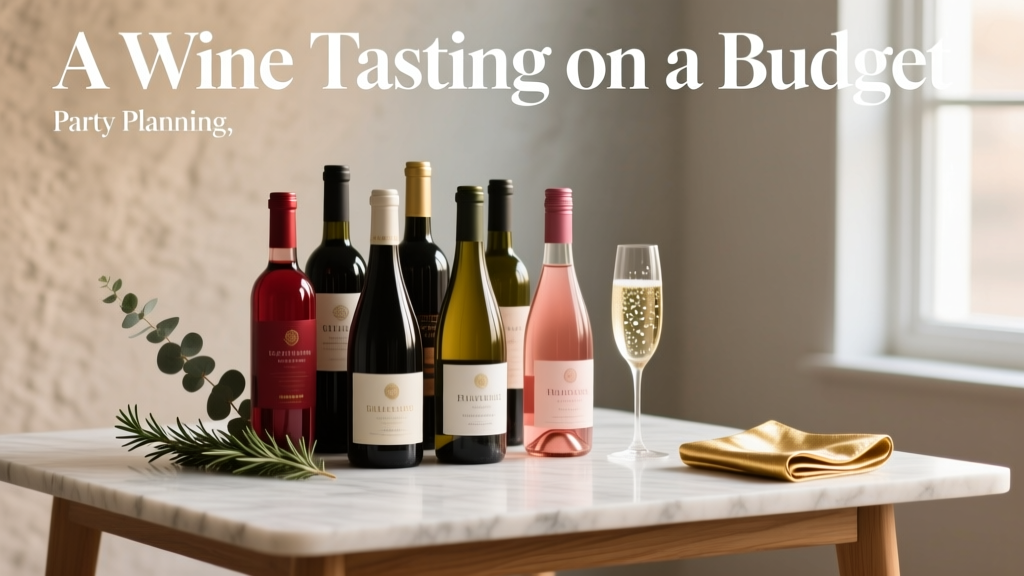
A Wine Tasting on a Budget
Wine tastings feel elevated, but they don’t have to be expensive. With smart event planning, a clear theme, and a tight guest experience, you can host a memorable wine tasting party that looks polished, stays organized, and fits a realistic budget. The difference between a “thrown together” tasting and a truly fun, coordinated evening is rarely the price tag—it’s the planning.
Proper planning matters because wine events are detail-driven: pacing, glassware, food pairings, and serving order all affect how guests perceive each pour. A little structure also helps you avoid common pitfalls like running out of ice, serving wines in the wrong sequence, or overspending on bottles that don’t match your group’s taste.
This guide breaks down how to host a wine tasting on a budget with a step-by-step timeline, vendor selection tips, a practical checklist, and real-world budget examples—so you can plan like a pro (without paying like one).
Start with the Basics: Define Your Wine Tasting “Plan”
1) Pick a Format That Controls Costs
Your format determines your shopping list, staffing needs, and how “formal” the event feels. These budget-friendly formats are easy to execute:
- Theme flight tasting: 4–6 wines around one theme (e.g., “Crisp Whites,” “Pinot Noir Around the World”).
- Regional tasting: All wines from one region (e.g., Spain, California Central Coast). Easy for pairing and decor.
- Varietal comparison: Same grape, different producers/price points (e.g., 3 Sauvignon Blanc + 2 surprises).
- “Grocery store gems”: All wines under a set limit (e.g., under $15). Great for groups new to tasting.
2) Set a Guest Count You Can Serve Well
For at-home tastings, a sweet spot is 6–14 guests. You get energy without needing extra staff, rentals, or multiple pouring stations. If your list is bigger, consider:
- Two identical tasting rounds in the same evening (early + late)
- A co-host who contributes either wine or food
- One “featured” tasting table plus a simple self-serve non-alcoholic station
3) Choose a Budget Target (Per Person Works Best)
Professional event planners often build budgets backward from a per-guest target. For a budget-friendly wine tasting party, common ranges are:
- $12–$18 per person: Simple tasting, light bites, minimal decor
- $18–$30 per person: More variety, upgraded snacks, printed materials
- $30–$45 per person: Premium bottles, more pairings, nicer glassware or rentals
Budget Breakdown: What to Spend (and Where to Save)
Use this sample allocation to guide event budgeting. Adjust based on whether you’re hosting at home, renting a small venue, or coordinating a community tasting.
Sample Budget: 10 Guests / $200 Total
- Wine: $120 (5 bottles at ~$24 each OR 6 bottles at ~$20 each)
- Food pairings: $50 (cheese, bread/crackers, fruit, nuts, chocolate)
- Supplies: $20 (ice, cups if needed, napkins, water bottles, labels)
- Printables/decor: $10 (tasting sheets, table tent cards)
Where to Splurge vs. Save
- Splurge: Wine quality and enough food to keep guests comfortable.
- Save: Decor (use what you have), fancy boards (use sheet pans lined with parchment), and “extra” wines beyond your plan.
- Skip: Overly complicated pairings that require cooking during the event.
Choosing Wines Smartly (Without Overspending)
How Many Bottles Do You Need?
For a structured tasting, plan for 2 oz pours. A 750 ml bottle yields about 12 pours at 2 oz each.
- 8 guests: 4–5 bottles (one bottle covers a full round)
- 10–12 guests: 5–6 bottles
- 14–16 guests: 7–8 bottles or split into stations
Pro coordination tip: If you expect generous pours or refills, increase by 1–2 bottles or add a “bonus bottle” at the end.
Build an Easy Tasting Lineup
Keep the order simple and guest-friendly:
- Light whites (Sauvignon Blanc, Pinot Grigio)
- Fuller whites or rosé (Chardonnay, dry rosé)
- Light reds (Pinot Noir, Gamay)
- Medium to bold reds (Merlot, Rioja, Cabernet)
- Optional: a sweet or sparkling “finale”
Vendor Selection Tips: Where to Buy
- Local wine shops: Often offer case discounts, staff recommendations, and allow returns for corked bottles (policy varies).
- Big-box retailers: Great pricing and consistent stock—ideal for larger groups.
- Grocery stores: Convenient for bundling wine + snacks; look for weekly specials.
Coordination strategy: Call ahead with your theme and price cap. Ask for “best value” picks and mention you’re buying multiple bottles. Many shops will guide you toward hidden gems.
Pairings on a Budget: A Simple, Crowd-Pleasing Menu
Current event planning trends lean toward grazing tables and snack-forward menus—perfect for budget wine tastings. Keep it balanced: salt, fat, acid, sweet, and crunch.
Budget Pairing Menu Template
- Cheese: One hard (aged cheddar), one creamy (brie), one salty (feta or goat cheese)
- Carbs: Baguette + two cracker styles
- Protein add-on: Salami or roasted nuts
- Fresh: Grapes, apples, berries, or sliced pears
- Sweet finish: Dark chocolate squares
- Optional “wow” on a dime: Honey drizzle, jam, or olives
Real-World Example: $35 Pairing Board for 8–10 Guests
- Aged cheddar (8 oz): $6
- Brie (small wheel): $7
- Salami pack: $6
- Baguette + crackers: $7
- Grapes + apples: $6
- Dark chocolate bar: $3
Setup That Looks Elevated (Even If It’s Simple)
Great event coordination is about flow. Design your space so guests know where to go, what to do, and how the tasting works.
Budget-Friendly Tasting Station Essentials
- Wine lineup table: Bottles in order with labels (sticky notes or tent cards)
- Glassware: 1 glass per guest is workable (rinse station helps); 2 glasses feels more “tasting room”
- Water station: Pitchers or bottled water, plus cups
- Dump bucket: A discreet container for guests to discard wine (standard in tastings)
- Rinse station: Small pitcher of water and a bowl (or a dedicated sink area)
- Ice + chilling: Use a cooler, bucket, or a clean storage bin lined with a towel
On-Trend Touches That Cost Almost Nothing
- Minimalist signage: Printed tasting cards, black marker on kraft paper, or a simple chalkboard
- Color story: One neutral base (white/black) plus one accent (burgundy, blush, olive)
- Ambient lighting: Lamps, string lights, or candles (battery options for safety)
Step-by-Step Planning Timeline (With Checklist)
Use this timeline template to keep your party organization smooth and avoid last-minute spending.
2–3 Weeks Before
- Choose your theme and format (flight, region, varietal)
- Set guest count and budget target (per person)
- Create your wine list (4–6 wines) and rough pairing plan
- Check what you already have: glasses, buckets, serving boards, ice containers
- Send invitations with clear start time and end time
7–10 Days Before
- Purchase wine (earlier = better selection)
- Confirm any vendor needs (wine shop holds, grocery pickup, delivery windows)
- Draft tasting sheets (name, varietal, region, rating scale)
- Plan your event flow: welcome pour, tasting rounds, break, final vote
3–5 Days Before
- Buy shelf-stable food: crackers, nuts, chocolate, jam
- Gather supplies: napkins, pens, labels, water cups
- Do a quick run-through of your table setup (space, lighting, traffic flow)
1–2 Days Before
- Buy fresh items: bread, fruit, soft cheeses
- Print tasting sheets and table cards
- Chill whites/rosés (aim for 24 hours in advance)
- Pre-portion snacks into bowls to reduce clutter and refills
Day-Of Timeline (2–3 Hour Event)
- 2–3 hours before: Set tables, lay out sheets/pens, prep water station, set dump bucket.
- 60–90 minutes before: Arrange food boards, label wines in order, chill whites in ice.
- Guest arrival: Welcome, explain the tasting format, point out water/rinse/dump station.
- Tasting rounds: Pour 2 oz per wine; allow 8–10 minutes per wine with quick notes.
- Break: Refresh snacks, restock water/ice.
- Finale: Guest vote for “favorite wine,” share where to buy, offer casual refills if desired.
Quick Master Checklist
- Wine (counted + backup bottle)
- Glassware (plus a few extras)
- Water + cups
- Dump bucket + paper towels
- Ice + chilling containers
- Food boards/bowls + serving knives
- Napkins, trash bags, recycling bin
- Tasting sheets + pens
- Labels/signage
- Music playlist
Pro Tips for Running the Tasting Like a Coordinator
- Use measured pours: A small measuring jigger or “count pour” keeps you on budget and ensures everyone gets the full lineup.
- Keep a consistent pace: Guests enjoy structure. Aim for 45–60 minutes for 5 wines, then relax.
- Assign roles: One person pours, one person manages food/water. Even small events run better with defined responsibilities.
- Offer a non-alcoholic option: Sparkling water with citrus, iced tea, or a simple “mocktail spritz” makes the event inclusive.
- Make it interactive: Have guests guess the most expensive bottle or vote on the best pairing.
Common Planning Mistakes to Avoid
- Buying too many wines “just in case”: It inflates your budget and muddles the tasting. A tight lineup feels curated.
- Skipping water and palate cleansers: Guests tire quickly without hydration and neutral bites (bread/crackers).
- Serving wines out of order: Bold reds before light whites can make later pours taste flat.
- Forgetting the dump bucket: Tastings are about sampling; guests appreciate having the option to discard.
- Overcomplicating food: Cooking during the event pulls you away from hosting and disrupts timing.
- Not labeling anything: Guests like to remember what they loved. Labels and tasting sheets add structure with minimal cost.
FAQ: Wine Tasting on a Budget
How much wine should I plan per person for a tasting?
For a structured tasting with 2 oz pours across 5–6 wines, plan about 10–12 oz per person total. That’s roughly 1.5 glasses worth of wine, plus optional refills if you add a bonus bottle.
What’s the best number of wines for a small group?
4 to 6 wines is ideal. It’s enough variety to feel special while keeping your event planning, pacing, and budget under control.
Do I need special wine glasses?
No. Matching glasses look nice, but any clear glassware works. If you only have a few wine glasses, use what you have and supplement with simple, clear stemless glasses. Prioritize having enough water cups.
What are the best budget-friendly foods to pair with wine?
Crackers, baguette, aged cheddar, brie, grapes, apples, nuts, olives, and dark chocolate are reliable and affordable. They also require little to no prep—ideal for smooth party organization.
Should I do a blind tasting to make it more fun?
Blind tasting is a great trend for at-home events because it adds excitement without added cost. Bag bottles or wrap labels, then reveal them after voting. Keep one non-blind round for guests who want to take notes.
How can I keep the event feeling elevated without spending more?
Use printed tasting sheets, label each wine in order, set one cohesive color palette, and focus on flow: a clear tasting station, a strong welcome, and consistent pacing. Those coordination details feel “premium” even on a tight budget.
Next Steps: Your Budget Wine Tasting Action Plan
- Choose a theme and lock in your guest count.
- Set a per-person budget and build your wine list (4–6 bottles).
- Use the planning timeline to shop early and avoid rush fees.
- Keep the setup simple, labeled, and organized for smooth hosting.
- Run the tasting with measured pours, water on hand, and an interactive vote.
For more practical event planning checklists, party organization templates, and coordination tips, explore the latest guides on smartpartyprep.com.
More Articles
 Who Went to Diddy Parties? The Real Guest Lists, Security Protocols, and Cultural Impact Behind His Most Legendary Events — What History Books (and Court Docs) Reveal
How to Keep Ice Cream Cold at a Party: 7 Field-Tested Tactics (That Actually Work—No More Melty Scoops or Last-Minute Panic)
Who Went to Diddy Parties? The Real Guest Lists, Security Protocols, and Cultural Impact Behind His Most Legendary Events — What History Books (and Court Docs) Reveal
How to Keep Ice Cream Cold at a Party: 7 Field-Tested Tactics (That Actually Work—No More Melty Scoops or Last-Minute Panic)
 Budget Tips for a Food Festival
What to Wear for an Office Christmas Party: The 7-Second Dress Code Decoder (No More Awkward Outfits or Last-Minute Panic)
What Is a White Trash Party? The Unfiltered Truth About This Irreverent, Budget-Savvy Celebration — No Judgment, Just Joy, Jell-O Shots, and Zero Pretense
Budget Tips for a Food Festival
What to Wear for an Office Christmas Party: The 7-Second Dress Code Decoder (No More Awkward Outfits or Last-Minute Panic)
What Is a White Trash Party? The Unfiltered Truth About This Irreverent, Budget-Savvy Celebration — No Judgment, Just Joy, Jell-O Shots, and Zero Pretense
 Step-by-Step Guide to a Theme Party
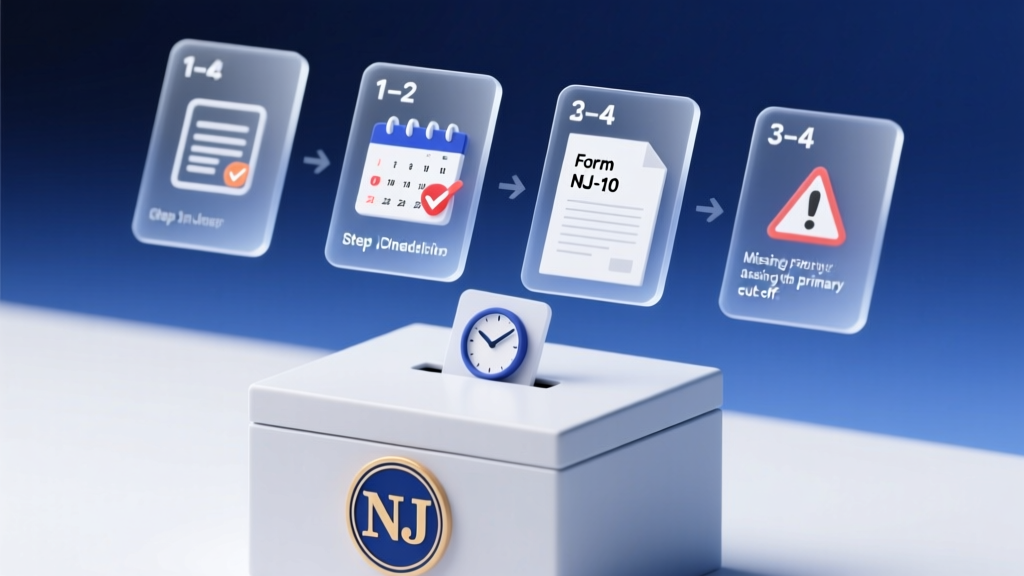 How Do You Change Your Party Affiliation in NJ? Here’s the Exact 4-Step Process (With Deadlines, Forms & What Happens If You Miss the Primary Cut-Off)
 Which political party does Walmart support? The truth behind its PAC donations, lobbying records, and bipartisan giving — debunking myths about corporate political bias in 2024.
 What Is the Main Goal of Political Parties? It’s Not Just Winning Elections — Here’s the Real Constitutional Purpose (and Why Most Voters Get It Wrong)