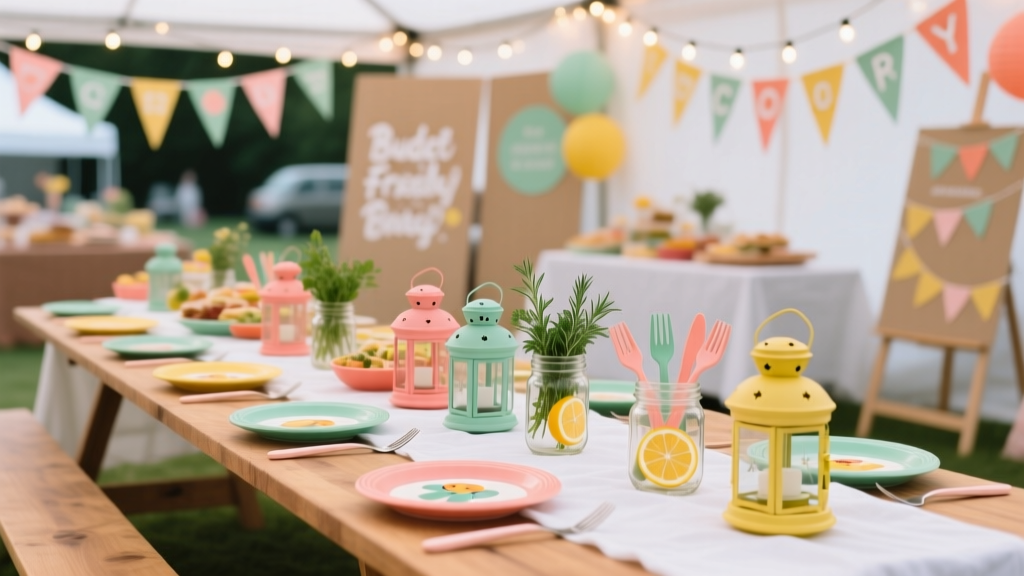
Budget Tips for a Food Festival
A food festival can feel like the perfect event: exciting vendors, great music, community energy, and plenty of photo-worthy moments. It’s also one of the fastest ways to overspend. Between permits, rentals, power, sanitation, entertainment, staffing, and marketing, costs add up quickly—often before the first ticket is sold.
The difference between a profitable, well-run festival and a stressful money pit is planning discipline. When you build a clear budget, set realistic attendance goals, and lock down vendors with the right terms, you protect your margins while still delivering a memorable guest experience.
This guide breaks down practical, step-by-step budget tips for planning a food festival—complete with timeline templates, budget breakdowns, vendor selection strategies, and common mistakes to avoid. Use it as a working playbook for event planning, party organization, and on-the-ground coordination.
Start With the “Why” and a Simple Festival Model
Before you price anything, define what you’re producing. A budget-friendly food festival succeeds when the concept is clear and the execution is repeatable.
Pick a format that controls costs
- Vendor-driven festival: Guests buy food directly from vendors. Lower financial risk for organizers; revenue comes from vendor fees + sponsorships + ticketing.
- Tasting-style festival: Guests pay one ticket price for samples. Higher organizer responsibility (more complex staffing, portion control, waste management), often higher upfront costs.
- Hybrid model: A modest ticket for entry/entertainment + vendors sell food. Good balance for first-timers.
Set measurable goals early
- Attendance target: e.g., 1,500 guests over 6 hours
- Revenue target: e.g., $35,000 gross revenue
- Guest experience goals: average wait time under 10 minutes, clean restrooms, clear signage, shaded seating
- Community impact: local vendors only, fundraiser component, food waste reduction
Food Festival Budget Basics: What You’re Really Paying For
A realistic event budget accounts for fixed costs (you pay no matter what) and variable costs (increase with attendance). Start a spreadsheet with three columns: Estimated, Quoted, Actual.
Typical cost categories (with budget-saving notes)
- Permits & compliance: special event permit, health department requirements, fire marshal, alcohol permits (if applicable). Save by confirming requirements early to avoid rush fees.
- Venue & site fees: park rental, street closure fees, security deposit. Save by booking off-peak dates or partnering with a community venue.
- Infrastructure: tents, tables, chairs, fencing, barricades, staging, lighting. Save by bundling rentals with one vendor and choosing standard sizes.
- Power & utilities: generators, distribution, cable ramps. Save by creating a power map and preventing “surprise” power drops.
- Sanitation: restrooms, handwashing stations, waste/recycling/compost, grease disposal. Save with accurate attendee estimates and a hauling plan.
- Staffing: event manager, volunteer coordinator, security, ticketing, cleaning crew, EMT/first aid. Save with a volunteer program and clear staffing schedules.
- Marketing: signage, digital ads, print materials, photography. Save by leveraging vendor co-marketing and organic content.
- Entertainment & programming: bands/DJs, kids’ zone, demos. Save by focusing on one strong anchor act rather than multiple mid-tier bookings.
- Insurance: general liability, liquor liability (if needed), vendor COIs. Save by negotiating annual coverage if you run multiple events.
- Ticketing & payment processing: platform fees, onsite scanners, Wi-Fi hotspots. Save by choosing a platform with transparent fees and encouraging online pre-sales.
- Contingency: reserve 8–12% for weather, repairs, last-minute rentals.
Sample Budget Breakdown (Real-World Planning Example)
Example: a one-day community food festival targeting 1,500 attendees with a $5 entry ticket and 25 vendors paying booth fees.
Projected revenue
- Tickets: 1,500 x $5 = $7,500
- Vendor booth fees: 25 x $250 = $6,250
- Sponsorships: $10,000 (local bank + beverage sponsor + media sponsor)
- Total projected revenue: $23,750
Estimated expenses (lean but realistic)
- Permits & city fees: $1,800
- Insurance: $1,200
- Rentals (tents/tables/chairs/fencing): $6,000
- Power (generators/distribution): $3,200
- Sanitation (restrooms/handwashing/waste): $3,500
- Staffing & security: $4,500
- Marketing & signage: $2,000
- Entertainment: $1,800
- Ticketing fees & supplies: $900
- Contingency (10%): $2,090
- Total estimated expenses: $26,990
What this tells you: this model is short by ~$3,240. You can fix that by increasing sponsorships, raising booth fees slightly, adding a VIP add-on, cutting one major cost line (often rentals or power), or increasing attendance with strong pre-sales. The budget’s job is to reveal the gap early—before contracts are signed.
Step-by-Step Planning Timeline (With Checklist)
Use this timeline template for food festival planning and coordination. Adjust based on permitting timelines in your city.
12–16 weeks out: foundation & feasibility
- Define festival concept, hours, and capacity
- Create a preliminary budget with fixed/variable costs
- Request venue quotes and hold your date
- Contact city/park office for permit checklist and deadlines
- Build a vendor list and draft vendor application
- Outline sponsorship packages (logo placements, stage mentions, booth placement)
- Start your site map draft: vendor rows, entrances, ticketing, seating, dumpsters, restrooms
8–12 weeks out: vendors, permits, and partners
- Finalize venue contract and insurance requirements
- Open vendor applications; set selection criteria (menu variety, pricing, setup needs)
- Lock key vendors: sanitation, rental company, power provider
- Submit permit applications and begin compliance planning
- Confirm security and first-aid/EMT plan
- Launch event website/landing page + ticketing platform
- Start content calendar: vendor spotlights, behind-the-scenes planning, sponsor announcements
4–8 weeks out: finalize the operational plan
- Confirm vendor roster and collect required documents (licenses, COIs)
- Create a detailed vendor load-in/load-out schedule
- Finalize site map with power drops, water access, and fire lanes
- Order signage: entry, exits, restrooms, first aid, vendor numbers, recycling/compost
- Finalize entertainment schedule and MC/run-of-show
- Recruit volunteers and create shift assignments
- Schedule planning meetings: city liaison, venue manager, security lead, sanitation lead
1–3 weeks out: confirm everything in writing
- Send vendor packet: rules, arrival times, parking, waste procedures, emergency contacts
- Confirm rental delivery times and backup options
- Test ticketing/scanning flow and payment processing
- Print credentials, wristbands, and vendor signs
- Build an event-day binder (or shared drive) with: contacts, maps, permits, schedules
- Do a final budget check: compare quotes vs. estimates and adjust
Event week & event day: execution
- Mark the site (vendor spots, lanes, stages, restrooms)
- Confirm power distribution and cable safety
- Hold a vendor check-in process (late arrivals happen—plan for it)
- Run a pre-opening safety walk: exits clear, fire lanes open, handwashing stocked
- Track incidents, attendance, and supply levels
Post-event (within 72 hours): close-out & learnings
- Reconcile invoices and record actual spending
- Collect vendor feedback (sales results, logistics issues, improvements)
- Send sponsor recap with photos, attendance, and social metrics
- Debrief with team: 3 wins, 3 fixes, 3 vendor/process changes
Smart Budget Tips That Protect Your Profit
1) Build a “minimum viable festival” plan
List what your event must have to function safely and professionally, then treat everything else as optional upgrades.
- Non-negotiables: permits, insurance, restrooms/handwashing, waste management, power safety, security/first aid
- Nice-to-haves: extra decor, premium stage lighting, elaborate lounge areas, additional performers
2) Use vendor fees strategically
Vendor booth fees shouldn’t be random. Price based on demand, space, and what you provide.
- Tiered pricing: standard booth vs. premium corner/high-traffic booth
- Add-on fees: power access, extra space, tent/table rentals, late registration
- Refund policy: clear deadlines; keep an administrative portion to cover sunk costs
3) Reduce rental costs with intentional site design
- Use fewer, larger tents instead of many small ones when it’s cheaper per square foot
- Place seating near entertainment to “double use” space
- Choose uniform booth sizes to simplify layout and reduce custom labor
- Rent what impacts safety and comfort; borrow decor via community partners
4) Prevent power overruns with a power map
Power is a common budget breaker. Create a simple spreadsheet that lists each vendor’s needs and validate it.
- Ask vendors for exact equipment: watts/amps, 120V vs 240V, startup surge needs
- Group vendors by load and distance; reduce cable runs
- Include a 20% buffer so you don’t rent last-minute generators
5) Make sponsorships part of the event plan, not a last-minute scramble
Current event planning trends show that local brands want measurable exposure. Offer packages tied to real deliverables.
- Example sponsor assets: stage mentions, banner placement, “presented by” naming, social posts, email inclusion
- Onsite activations: branded water station, lounge area, photo backdrop
- Metrics to promise (and track): attendance count, email opens, QR scans, social reach
6) Use proven organizational strategies to avoid waste
- Create a single source of truth (shared doc) for the latest map, run-of-show, vendor list
- Assign owners for each budget line (rentals owner, marketing owner, sanitation owner)
- Use “quote deadlines” and “decision deadlines” so small items don’t balloon late
Vendor Selection Tips (How to Choose Without Overspending)
Build a balanced vendor mix
- Limit duplicates (too many taco vendors hurts everyone’s sales)
- Include a mix of price points (budget bites + premium treats)
- Add non-food vendors carefully (crafts can boost revenue, but don’t dilute the theme)
Request the right info up front
- Menu + pricing range
- Estimated service speed (orders per hour)
- Footprint needed (truck/trailer/tent)
- Power/water needs
- Proof of permits and insurance
Use contracts that protect your budget
- Clear load-in times and penalties for late arrival/no-show
- Rules for grease disposal, trash, and gray water
- Requirement to keep prices visible and lines managed
- Payment terms that secure your cash flow (deposit + final payment deadline)
Common Food Festival Planning Mistakes to Avoid
- Underestimating sanitation: too few restrooms, not enough trash bins, no compost plan. Result: unhappy guests and fines.
- Skipping contingency funds: weather changes, generator issues, last-minute rentals happen. Budget 8–12%.
- Weak entry flow: long lines at ticketing reduce vendor sales and frustrate guests. Use multiple entry points or scanning lanes.
- Overbooking entertainment: paying for too many acts instead of one strong schedule anchor.
- Not verifying vendor readiness: vendors show up without proper permits or power needs. Collect documents early.
- Pricing tickets without math: set ticket prices based on actual costs and realistic attendance, not guesswork.
FAQ: Budget and Planning Questions for Food Festivals
How much does it cost to run a small food festival?
For a small community event, budgets often start around $15,000–$35,000 depending on permits, rentals, power, sanitation, and staffing. The venue and city requirements drive the range more than décor or entertainment.
What’s the best way to keep a food festival profitable?
Use multiple revenue streams: vendor fees + sponsorships + ticketing. Keep fixed costs low, track quotes vs. actuals weekly, and avoid adding rentals late in the process.
How far in advance should I book vendors and rentals?
Start outreach 12–16 weeks ahead when possible. Rentals, sanitation, and power providers book quickly during peak seasons, and early booking gives you better pricing.
Should I charge vendors a flat booth fee or a percentage of sales?
Flat fees are simpler and more predictable for budgeting. Percent-of-sales models can work, but they require reliable sales reporting and stronger enforcement. Many organizers use a flat fee plus paid add-ons (power, premium spots).
How do I estimate attendance for the first year?
Use conservative estimates based on venue capacity, local event comps, and marketing reach. A practical approach is to plan staffing/sanitation for your realistic target, and build a scalable plan if turnout is higher.
What event planning trends can help reduce costs right now?
Popular cost-efficient trends include cashless ticketing and QR code signage, vendor co-marketing, simplified “experience zones” (one strong photo backdrop vs. many décor pieces), and sustainability partnerships that reduce hauling costs through better waste sorting.
Next Steps: Build Your Budget-First Festival Plan
Start by choosing a festival model (vendor-driven, tasting, or hybrid), then build a budget that separates fixed costs from variable costs. Lock in permits and infrastructure early, and treat your site map like a financial tool—because every tent, power drop, and restroom is a budget decision. As vendor applications roll in, use your selection criteria to create variety and manage service speed, which protects both the guest experience and vendor satisfaction.
Action checklist for this week:
- Draft a one-page festival brief (concept, hours, capacity, revenue streams).
- Build a budget spreadsheet with a 10% contingency line.
- Request quotes for venue, rentals, power, sanitation, and insurance.
- Create vendor application + vendor packet outline.
- Outline three sponsorship tiers with clear deliverables and metrics.
Plan smart, spend intentionally, and your food festival can feel big without a big budget.
For more step-by-step event planning, party organization, and coordination guides, explore the latest resources on smartpartyprep.com.
More Articles
 How to Make Party Punch That Actually Stays Cold, Doesn’t Get Watery, and Serves 25+ Guests Without Last-Minute Panic (7 Proven Formulas)
What Political Party Was George Washington In? The Truth That Changes How You Understand America’s First President — And Why Every Civic Educator Gets This Wrong
What to Wear for a Company Christmas Party: The 7-Second Dress Code Decoder (No More Awkward Outfits or Last-Minute Panic)
What Does Party Mean on Grindr? The Truth Behind the Emoji, the Intent, and How to Spot Real Plans vs. Vague Vibes — No More Guesswork
How to Let Twitch Hear Party Chat: The 5-Step Fix That Actually Works (No More Muted Squad Moments or Awkward Silence on Stream)
Is 'The Party Never Ends' Really The Last Album? What It Means for Your Next Event (And Why You Should Plan Like It’s Forever)
What Actually Happens When Party Members Meet to Nominate a Candidate? (Spoiler: It’s Not Just Handshakes & Speeches — Here’s the 7-Step Protocol That Wins Elections)
Stop Scrolling & Secure Your 'A Minecraft Movie Block Party Edition Tickets' — Here’s Exactly Where They’re Available (Plus 3 Insider Tips to Avoid Sold-Out Disappointment)
How to Make Party Punch That Actually Stays Cold, Doesn’t Get Watery, and Serves 25+ Guests Without Last-Minute Panic (7 Proven Formulas)
What Political Party Was George Washington In? The Truth That Changes How You Understand America’s First President — And Why Every Civic Educator Gets This Wrong
What to Wear for a Company Christmas Party: The 7-Second Dress Code Decoder (No More Awkward Outfits or Last-Minute Panic)
What Does Party Mean on Grindr? The Truth Behind the Emoji, the Intent, and How to Spot Real Plans vs. Vague Vibes — No More Guesswork
How to Let Twitch Hear Party Chat: The 5-Step Fix That Actually Works (No More Muted Squad Moments or Awkward Silence on Stream)
Is 'The Party Never Ends' Really The Last Album? What It Means for Your Next Event (And Why You Should Plan Like It’s Forever)
What Actually Happens When Party Members Meet to Nominate a Candidate? (Spoiler: It’s Not Just Handshakes & Speeches — Here’s the 7-Step Protocol That Wins Elections)
Stop Scrolling & Secure Your 'A Minecraft Movie Block Party Edition Tickets' — Here’s Exactly Where They’re Available (Plus 3 Insider Tips to Avoid Sold-Out Disappointment)