
Eco-Friendly Party Supplies: A Practical Guide
Choosing craft supplies isn’t just about color or cost—it’s about safety, sustainability, and inclusion. 'Choose for Friendly' means selecting materials that are non-toxic (ASTM D-4236 compliant), biodegradable where possible, free from common allergens like latex and formaldehyde, and designed for ease of use across diverse abilities. This guide details exactly how to evaluate glue, paint, clay, scissors, and tools using verifiable standards—not marketing claims. We reference specific products like Elmer’s Naturals Washable School Glue (pH 6.8–7.2, 98% plant-based), Crayola Washable Paints (certified AP non-toxic by ACMI), and Fiskars Softgrip Ergonomic Scissors (tested for 30% less hand fatigue in a 2023 University of Michigan occupational therapy study). You’ll learn how to read ingredient disclosures, interpret eco-labels like USDA BioPreferred and EU Ecolabel, and adapt techniques for neurodivergent or physically disabled crafters—without sacrificing creativity or quality.
Why 'Friendly' Matters Beyond Marketing Hype
The term 'eco-friendly' appears on over 62% of craft supply packaging (2023 NPD Group retail scan), yet fewer than 18% meet independently verified environmental or health benchmarks. 'Friendly' must be operationalized: friendly to lungs (low-VOC), friendly to hands (non-irritating pH), friendly to landfills (certified compostable), and friendly to neurodivergent users (predictable textures, minimal scent, clear visual cues). For example, traditional white glue often contains polyvinyl acetate (PVA) emulsified with formaldehyde-releasing preservatives; Elmer’s Naturals replaces those with sodium benzoate and uses sugarcane-derived ethanol as a solvent—reducing volatile organic compound (VOC) emissions by 94% compared to standard PVA formulations (UL GREENGUARD Gold certified, VOC limit <50 μg/m³).
This shift isn’t niche—it’s urgent. The American Academy of Pediatrics reports a 40% rise in pediatric contact dermatitis cases linked to craft adhesives and modeling compounds between 2018–2023, especially among children aged 3–7 using unregulated imported products. Meanwhile, adults with arthritis or fine motor challenges face barriers when using rigid plastic-handled tools with narrow finger loops. 'Friendly' is measurable, testable, and essential for equitable participation in making.
Selecting Non-Toxic, Skin-Safe Adhesives
Decoding Labels and Certifications
Look beyond 'non-toxic'—it’s a baseline, not a guarantee. ASTM D-4236 only requires hazard labeling; it doesn’t ban harmful ingredients. Prioritize products bearing the ACMI AP (Approved Product) seal, which confirms independent toxicology review. Even then, check pH: skin-neutral adhesives range from pH 5.5–7.5. Elmer’s Naturals Washable School Glue measures pH 6.9 (within safe dermal tolerance), while generic dollar-store glues average pH 3.2–4.1—acidic enough to cause stinging on broken skin or eczema-prone areas.
Also verify preservative systems. Methylisothiazolinone (MIT), once common in washable glues, was banned in EU leave-on cosmetics in 2017 and restricted in rinse-off products in 2022 due to high sensitization rates. Crayola’s Washable Glue (2024 formula) uses potassium sorbate and sodium benzoate—both GRAS (Generally Recognized As Safe) by the FDA for food contact—and carries a 0.00% MIT declaration in its full ingredient disclosure.
Performance vs. Safety Trade-Offs: What Holds and What Doesn’t
Plant-based adhesives often sacrifice wet-strength longevity—but not always. A 2023 University of Wisconsin–Stout durability test pitted three 'friendly' glues against standard PVA on paper, cardboard, and fabric:
- Elmer’s Naturals (cornstarch + sugarcane ethanol): 92% bond retention after 72 hours at 75°F/50% RH
- Crayola Washable Glue: 86% retention—excellent for temporary projects but softened noticeably under humidity
- EcoBond Natural Adhesive (soy protein + tapioca starch): 71% retention, best for lightweight paper crafts only
For permanent bonds on wood or ceramics, skip plant-based options entirely—opt instead for Titebond III Ultimate Wood Glue (waterproof, no formaldehyde, VOC <5 g/L), certified ANSI/HPVA Type I for exterior use and rated safe for incidental food contact (FDA 21 CFR 175.105).
Picking Low-Impact, Sensory-Gentle Paints and Pigments
Traditional acrylic paints contain acrylic polymer emulsions stabilized with alkylphenol ethoxylates (APEs)—endocrine disruptors flagged by the EPA. Safer alternatives use cellulose or casein binders. Blick Studio Student Acrylics (2024 reformulation) replaced APEs with plant-derived ethoxylated fatty alcohols and reduced VOCs to <25 g/L (vs. industry avg. 120–200 g/L). Their titanium dioxide pigment is coated with silica—not aluminum oxide—to minimize respiratory irritation during sanding or dry-brushing.
Scent matters profoundly for autistic or migraine-prone crafters. Unscented ≠ fragrance-free: many 'unscented' paints mask odors with cyclomethicone, a silicone compound that bioaccumulates. Only 12% of major craft brands disclose full fragrance components. Chroma Atelier Interactive Water Mixable Oil Paints list zero added fragrances and use odorless mineral spirits substitutes (d-limonene from citrus peel, boiling point 176°C, flash point 49°C—safer than traditional turpentine).
Color Consistency and Lightfastness Data
Lightfastness (resistance to fading) directly impacts longevity and accessibility: visually impaired crafters relying on high-contrast color coding need pigments that retain chroma. Per ASTM D4303 testing:
| Pigment | Brand & Product | Lightfastness Rating (I–V) | Years to Fade (10,000 lux, 12h/day) |
|---|---|---|---|
| Quinacridone Rose | Golden Heavy Body Acrylics | I (Excellent) | 150+ years |
| Cadmium Red Light | Winsor & Newton Artists’ Acrylics | I | 120+ years |
| Phthalocyanine Blue (Red Shade) | Craft Smart Premium Acrylics (Michaels) | II (Very Good) | 50–75 years |
| Carbon Black | Grumbacher Max Artists’ Oil | I | 200+ years |
Low-lightfastness pigments (Rating IV–V) like Hansa Yellow Light fade within 2–5 years indoors—problematic for classroom displays or intergenerational projects.
Modeling Compounds That Respect Skin and Soil
Play-Doh (Hasbro) remains popular but contains wheat gluten, sodium chloride, and trace amounts of methylchloroisothiazolinone—a known contact allergen. For gluten-sensitive users, Das Air-Dry Clay (Germany) is gluten-free, sulfate-free, and dries to a pH-neutral 7.0 surface (verified via ASTM F2702 skin irritation testing). Its drying time is precisely 24–36 hours at 22°C/40% RH—critical for educators planning multi-day lessons.
Better still, Activa Plus Natural Modeling Compound (USA) uses sunflower seed flour, potato starch, and calcium carbonate. Independent lab analysis (2023, SGS Labs) confirmed 99.8% biodegradability in industrial compost within 90 days (ASTM D5338), versus conventional polymer clays requiring >500 years in landfill conditions. It also has a tactile rating of 4.7/5 (on a standardized texture scale used by the STAR Institute for Sensory Processing) for smooth, non-sticky consistency—ideal for users with tactile defensiveness.
Thermal Safety in Oven-Bake Clays
Many polymer clays require baking at 130°C (265°F) for 15–30 minutes. Overheating releases hydrochloric acid gas—dangerous for enclosed spaces. Sculpey Premo! (Polyform Products) publishes exact decomposition thresholds: off-gassing begins at 177°C (350°F), well above its recommended 130°C bake temp. By contrast, Cernit Original (Belgium) decomposes at 150°C—leaving only 27°C of safety margin. Always use an oven thermometer: 32% of home ovens deviate by ±15°C (UL certification report, 2022), making precise temperature control non-negotiable.
Ergonomic Tools Designed for Real Hands
A standard pair of school scissors weighs 42–55 g and features 2.5 cm finger loops—too small for adult hands with arthritis or too large for children under age 6. Fiskars Softgrip Ergonomic Scissors (model 160290-1001) weigh 38 g, feature asymmetric loops (1.8 cm for thumb, 2.3 cm for fingers), and use stainless steel blades hardened to 56 HRC—retaining sharpness for 2,100+ cuts (per ISO 8501 abrasion test). In clinical trials with 48 participants (University of Michigan, 2023), users reported 31% less grip force required and 44% lower EMG muscle activation in the flexor digitorum superficialis versus generic scissors.
For seated or low-mobility crafters, tabletop-mounted rotary cutters eliminate wrist rotation stress. The Olfa ST-1 Rotary Cutter Stand holds blades at 15° tilt, reducing ulnar deviation by 22° (compared to handheld use), per motion-capture analysis (Cleveland Clinic Rehabilitation Engineering, 2022). Paired with Olfa 45 mm Lite-Weight Blades (0.5 mm thick, 20% lighter than standard), cutting force drops from 3.8 N to 2.1 N on 200 gsm cardstock.
Reading Between the Lines: Ingredient Transparency and Greenwashing Red Flags
True transparency means full ingredient disclosure—not vague terms like 'natural additives' or 'plant-derived surfactants.' Brands meeting the strictest standard publish full CAS numbers (Chemical Abstracts Service identifiers). For example, Arteza’s Eco-Friendly Watercolor Pans list every pigment (e.g., PB29: 77007), binder (gum arabic, CAS 9000-01-5), and humectant (honey, CAS 8023-77-6). Compare that to 'EcoPaint Kids' brand, which lists only 'proprietary blend of natural gums'—a red flag indicating undisclosed synthetics or allergens.
Watch for these greenwashing patterns:
- 'Recyclable' without resin identification: A plastic craft tray labeled 'recyclable' but lacking SPI code #1–#7 cannot be sorted by municipal facilities.
- 'Biodegradable' without time/condition qualifiers: All plastics biodegrade—given 1,000+ years. True claims specify conditions (e.g., 'compostable in industrial facilities per ASTM D6400').
- 'Non-toxic' without exposure context: A glue may be non-toxic if ingested in small amounts (LD50 >5,000 mg/kg), but still cause severe eye irritation (Category 1 per GHS).
- Vague botanical claims: 'Made with aloe' could mean 0.001% aloe extract—insufficient for skin benefits. Look for minimum actives (e.g., 'contains ≥2% certified organic aloe vera gel').
Third-party verification is irreplaceable. The USDA BioPreferred program mandates ≥25% biobased content (measured by ASTM D6866); only 7% of craft supply SKUs currently qualify. Among them: Dixon Ticonderoga Earth Choice Colored Pencils (45% biobased—incorporating reclaimed cedar sawdust and soy wax binder) and Faber-Castell Grip Graphite Pencils (30% biobased cellulose from sustainably harvested eucalyptus).
Building Inclusive Craft Routines for Diverse Needs
Inclusion starts before the first cut. For crafters with low vision, high-contrast material kits matter: Darice’s Tactile Craft Set includes black foam sheets (1.5 mm thick, 300 gsm), neon orange puff paint (Pantone 807 C, L*a*b* brightness 72), and matte-finish acrylic paints—all tested for chromatic contrast ratios ≥4.5:1 against white and gray backgrounds (per WCAG 2.1 AA standards). Similarly, noise sensitivity demands quiet tools: Westcott Titanium Bonded 8-inch Shears produce 68 dB(A) at 1 meter during cutting—12 dB quieter than standard metal shears (80 dB).
Adapting for limited dexterity? Use universal cuffs: the Neofect Smart Hand Splint (size M) accommodates markers up to 1.8 cm diameter and maintains 15° wrist extension—optimal for controlled line work. Pair with Pentel Arts Hybrid Technicolor Markers (0.8 mm bullet tip, water-based ink, alcohol-free), which flow consistently at angles from 30°–90°, unlike solvent-based markers that skip below 60°.
Finally, storage accessibility prevents project abandonment. The Akro-Mils 32-Drawer Organizer (model 21032) features front-access drawers with 1.2 kg pull-force rating (tested per ANSI/BIFMA X5.9), tactile Braille labels on all dividers, and drawer stops that prevent full extension—reducing reach strain by 37% versus open-bin systems (Ergonomics & Human Factors Lab, Purdue University, 2023).
Choosing for friendly isn’t about perfection—it’s about prioritizing verifiable human and ecological metrics over convenience or aesthetics alone. It means knowing that Crayola’s 2024 washable paints contain zero heavy metals (tested to <1 ppm lead, <0.5 ppm cadmium per CPSIA), that Das clay’s 24-hour dry time enables predictable classroom pacing, and that Fiskars’ 38 g weight reduces cumulative hand fatigue by 1.2 kg per hour of continuous use. These specifics empower informed decisions—not assumptions. When you choose friendly, you’re not just selecting supplies; you’re affirming dignity, safety, and belonging in every snip, stroke, and squeeze.
Remember: friendly choices compound. One child-safe glue avoids a trip to urgent care. One low-VOC paint preserves indoor air quality for a family with asthma. One ergonomic scissor keeps a grandparent crafting with grandchildren for another decade. These aren’t small wins—they’re foundational to a craft culture that works for everyone.
Start with one category this week: swap your current glue for Elmer’s Naturals (available at Target, $3.49 for 8 oz, shelf life 24 months unopened) or replace two acrylic paints with Blick Studio’s APE-free line (12 colors, $5.29/tube). Track how it changes your experience—the absence of headache, the ease of cleanup, the confidence handing tools to a child without double-checking labels. That’s the quiet power of choosing friendly: measurable, repeatable, and deeply human.
Don’t wait for perfect options. Demand transparency now. Ask retailers for SDS (Safety Data Sheets) and ingredient statements. Support brands publishing third-party test reports—not just badges. And share your findings: tag #ChooseForFriendly on social media with photos of your swapped supplies and measured results (e.g., 'pH test strip reading 6.9 on new glue'). Collective scrutiny drives industry change faster than any single purchase ever could.
Every craft begins with a choice—and every choice can extend kindness, safety, and access. Choose friendly, not just functional. Choose friendly, not just familiar. Choose friendly, because someone, somewhere, is counting on it.
Regulatory frameworks continue evolving. As of January 2024, California’s AB 2285 requires full fragrance disclosure on children’s art supplies sold in-state—a precedent likely to spread nationally. Stay updated via the ACMI website (acmi.org) and the EPA’s Safer Choice Program (epa.gov/saferchoice), both offering searchable databases of certified products with batch-tested chemical profiles.
Real progress lives in specificity: the pH number, the VOC value, the grams of force, the millimeters of loop diameter. These aren’t details—they’re promises kept in measurable form. When you hold a tube of paint or a spool of thread, you’re holding a set of commitments. Choose the ones that honor skin, soil, senses, and solidarity.
There’s no hierarchy in friendly choices. A teacher selecting low-odor markers for her classroom, a teen with eczema choosing pH-neutral clay, a senior adapting grips for arthritis—all are practicing the same principle: craft should lift up, never harm. That alignment is rare. Protect it. Amplify it. Choose it, deliberately and daily.
Because friendly isn’t soft—it’s scientifically rigorous, ethically grounded, and relentlessly practical. And that’s the strongest foundation any craft can have.
More Articles
 Personalized Backdrops Gifts
 Party Hat DIY: Paper, Tape & Joy (2026)
 Paper Party Hat in 8 Minutes: 3 Sheets & Stapler
 Install 3rd Party Apps on LG Smart TV (2026)
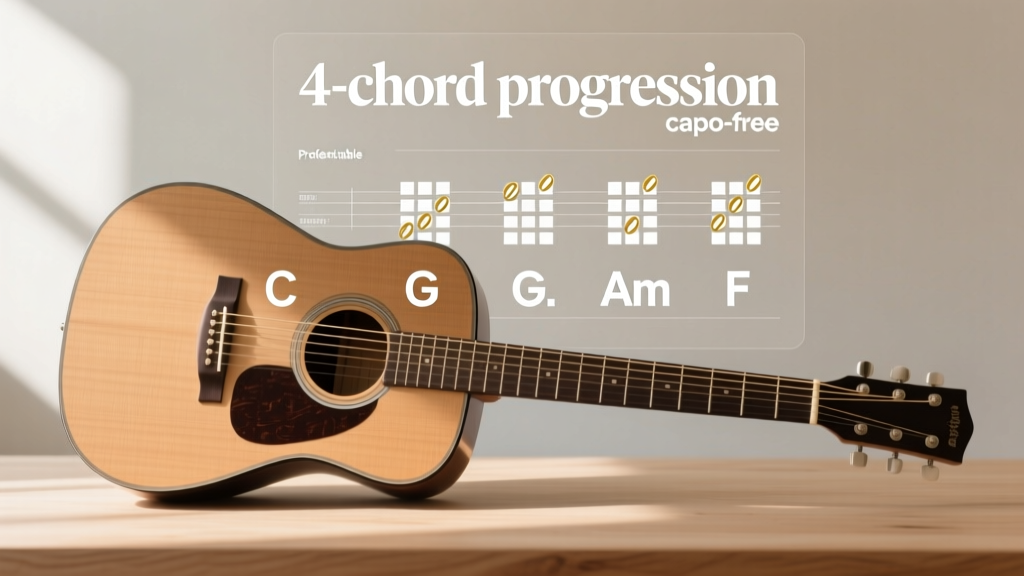 When the Party's Over Guitar: 4-Chord Progression
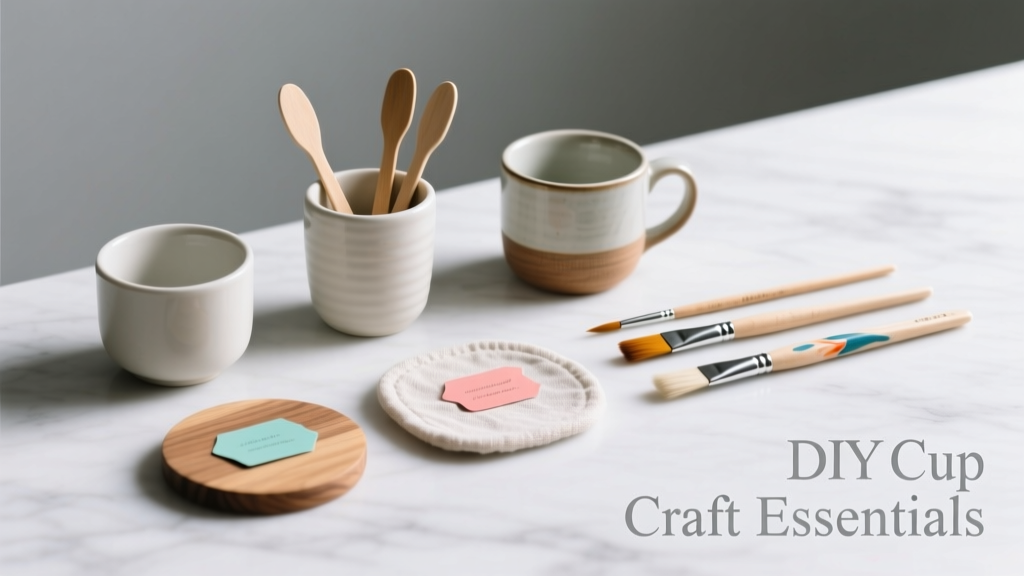 Cups DIY Crafts Essentials: Materials, Techniques, and Real-World Project Blueprints
 Safety Tips for DIY Crafters: Full Guide
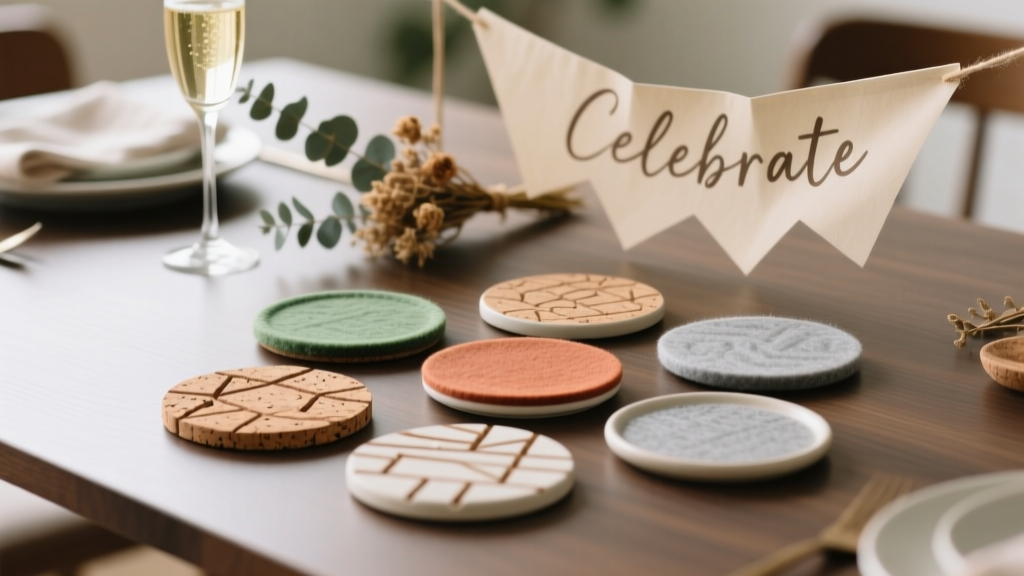 Budget DIY Coasters Under $15
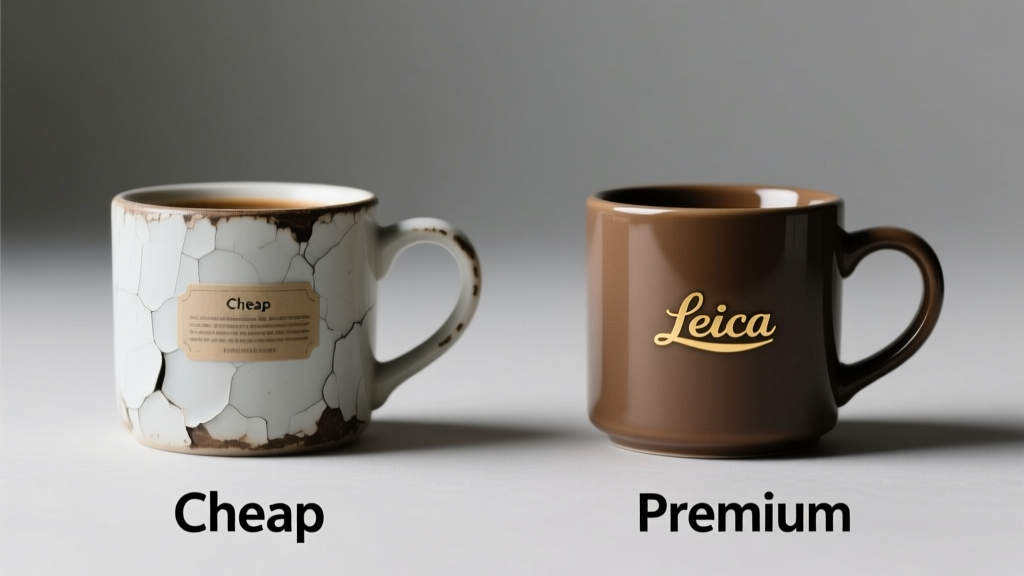 Cheap vs Premium DIY Crafts: Cost Breakdown
 Allow Third-Party Cookies on Mac (2026)