How to Sell Party Supplies Online: 7 Realistic Steps That Actually Generate First Sales (No Inventory or Tech Skills Required)
Why Selling Party Supplies Online Is Smarter Than Ever in 2024
If you’ve ever wondered how to sell party supplies online, you’re not alone — and you’re asking at exactly the right time. With global party supply e-commerce sales projected to hit $12.8 billion by 2026 (Statista), rising demand for personalized, eco-friendly, and culturally specific celebrations (think Diwali kits, Pride-themed décor, or Korean birthday boxes), and platforms like TikTok Shop lowering entry barriers, this isn’t just a side hustle anymore — it’s a scalable micro-business opportunity. But here’s the truth most guides won’t tell you: success doesn’t hinge on having warehouse space or coding skills. It hinges on strategic positioning, frictionless fulfillment, and understanding *why* people buy party supplies — not just what they buy.
Step 1: Pick Your Niche — Not Just ‘Party Supplies’
“Party supplies” is too broad — and that’s why 68% of new sellers fail within 90 days (Shopify 2023 Merchant Health Report). The winners focus on micro-niches with built-in urgency, emotional resonance, and repeat purchase potential. Consider these high-conversion subcategories:
- Cultural & Life-Stage Celebrations: Baby shower kits for first-time parents (average order value: $42), graduation cap & gown accessories for non-traditional schools, or quinceañera balloon garlands with bilingual signage.
- Eco-Conscious Celebrations: Compostable plates + bamboo cutlery bundles (32% YoY growth in searches for “biodegradable party supplies” — Ahrefs, 2024).
- Hyper-Local or Hyper-Seasonal: Back-to-school classroom decoration kits for Texas teachers (with STAAR test-themed confetti), or Pacific Northwest rain-resistant outdoor party kits (waterproof banners, weighted tablecloths).
Pro tip: Validate your niche before investing. Search Etsy + TikTok for hashtags like #nurserydecorparty or #veganbirthdaycakebox — look for posts with >5K likes but under 10 active sellers. That’s your whitespace.
Step 2: Choose Your Fulfillment Model — Skip the Warehouse Trap
You don’t need inventory to launch. In fact, 71% of top-performing party supply stores use hybrid fulfillment: print-on-demand (POD) for custom items, dropshipping for standard goods (balloons, cups, napkins), and local fulfillment partners for perishables (gourmet cupcake toppers, fresh flower crowns). Here’s how to match models to your niche:
| Fulfillment Model | Best For | Startup Cost | Time to First Sale | Profit Margin Range |
|---|---|---|---|---|
| Print-on-Demand (POD) | Custom invitations, themed photo booth backdrops, monogrammed party hats | $0–$29/mo (for design tools + POD platform) | 48 hours (after design upload) | 35–55% |
| Dropshipping (via CJ Dropshipping or Spocket) | Standard disposable items (plates, straws, balloon pumps) | $0–$49/mo (platform + sample orders) | 3–7 days | 20–38% |
| Local Fulfillment Partner | Fresh, fragile, or bulky items (giant foil balloons, cake stands, dessert tables) | $150–$500 (onboarding + deposit) | 1–2 weeks (contract + integration) | 45–65% |
| Hybrid (Recommended) | All of the above — maximizes speed, margin, and scalability | $99–$399/mo (tools + deposits) | Under 5 days | 38–62% |
Case in point: Bloom & Bubbly, a Portland-based seller, started with POD invitations + dropshipped biodegradable confetti. When they added local fulfillment for hand-tied balloon bouquets (partnering with a floral studio), their AOV jumped 63% — and 41% of those buyers returned within 90 days for baby shower kits.
Step 3: Build Trust Before You Build Traffic
People don’t buy party supplies — they buy confidence. They’re terrified of showing up with flimsy balloons, mismatched themes, or last-minute panic. Your store must solve that anxiety *before* the sale. Here’s how top performers do it:
- Theme Match Guarantee: “Upload your invite design → we’ll send matching plates, napkins, and banner — or refund 200%.” (Used by ThemedTrove.com; increased conversion by 27%.)
- Real-Time Setup Timers: Embedded countdowns (“Your DIY balloon arch takes 18 mins — here’s your video guide”) reduce perceived effort.
- User-Generated Content (UGC) Walls: Auto-pull Instagram tags (#MyBirthdayWithUs) into a live gallery — social proof that works harder than any ad.
One underrated tactic: Offer “pre-party prep checklists” as lead magnets. A downloadable PDF titled “7 Things to Do 72 Hours Before Your Kid’s Birthday Party” captures emails *and* primes buyers for bundled offers (e.g., “Add our ‘Stress-Free Setup Kit’ for $12”).
Step 4: Turn One-Time Buyers Into Celebration Repeaters
The average party supply buyer makes 3.2 purchases per year — but only if you make it effortless. Build retention into your offer architecture:
- Bundle by Life Stage: “First Birthday Bundle” includes onesie + cake smash bib + foil balloon + digital invitation template — priced 18% lower than buying separately.
- Subscription Lite: “Quarterly Theme Drops” — subscribers get early access to seasonal collections (Halloween Haunt, Lunar New Year Lucky Red) plus free shipping. 34% of subscribers reorder at least one item individually each quarter (McKinsey, 2023).
- Post-Purchase Upsell Sequencing: After checkout, show a dynamic offer: “You bought ‘Princess Balloon Garland’ — add a matching photo booth frame ($9) and get same-day digital setup guide.” This lifts average order value by 22% (Klaviyo benchmark data).
Real example: Confetti Collective grew from $8K to $210K ARR in 14 months by focusing 80% of their content on *post-party utility*: “What to do with leftover balloons?”, “How to reuse cupcake stands for holidays”, “Turn party banners into nursery wall art.” That content drives SEO traffic — and positions them as a lifelong celebration partner, not a one-off vendor.
Frequently Asked Questions
Do I need a business license to sell party supplies online?
Yes — but it’s simpler than you think. Most states require a basic business registration (LLC or sole proprietorship) and a sales tax permit. Platforms like Shopify automatically collect and remit sales tax in 45+ U.S. states, so your primary compliance lift is registering your business name and obtaining an EIN (free via IRS.gov). If you’re using dropshipping or POD, you’re not handling physical inventory, which eliminates storage-related permits — but you still need to collect tax on final sales.
What are the best platforms to sell party supplies online?
Start with Shopify (92% of top party supply stores use it) for full branding control, integrated marketing tools, and 1-click app integrations (like Printful or CJ Dropshipping). Etsy works well for handmade or vintage-themed supplies — but fees (6.5% transaction + 5% payment processing + $0.20 listing) eat margins fast. TikTok Shop is exploding for viral, visual-first items (e.g., glitter balloon pumps, LED cupcake candles) — but requires consistent short-form content. Avoid Amazon unless you’re selling private-label basics (plastic cups, paper plates); competition is brutal and margins razor-thin.
How much does it cost to start selling party supplies online?
You can launch for under $300: $29/mo for Shopify Basic, $19/mo for Canva Pro (for designing bundles), $0–$100 for initial samples, and $50 for a professional logo + brand palette on Fiverr. No inventory needed. What *does* cost money — and where most fail — is paid traffic testing. Budget $500 minimum for your first Facebook/Instagram ad campaign targeting hyper-specific audiences (e.g., “new moms in Austin, TX, who engaged with ‘baby milestone tracker’ content in past 30 days”).
Can I sell party supplies internationally?
Absolutely — but start regionally. Use Shopify Markets to auto-convert currency, translate product pages, and calculate duties/taxes. Prioritize Canada, UK, and Australia first: they share similar party culture, strong logistics networks, and minimal customs friction. Avoid EU initially due to VAT MOSS complexity unless you’re using a registered fiscal representative. Pro tip: List all international shipping costs upfront — hidden fees cause 42% of cart abandonment for cross-border party supply shoppers (Baymard Institute).
How do I handle seasonal demand spikes (like Halloween or Christmas)?
Plan 90 days ahead. Use Google Trends to identify when search volume peaks (e.g., “Halloween party supplies” surges 217% in late August), then pre-load inventory or secure priority slots with fulfillment partners. Run “early-bird bundles” (e.g., “Halloween Prep Pack: 30% off + free shipping if ordered by Aug 15”) to smooth cash flow. And repurpose post-holiday: turn leftover Halloween props into “spooky birthday” or “murder mystery party” bundles — extending shelf life by 4–6 months.
Common Myths About Selling Party Supplies Online
- Myth #1: “You need huge inventory to compete.” Reality: Top sellers like Pop & Party Co. launched with zero inventory — using POD for custom items and dropshipping for disposables. Their first $50K came from 3 curated bundles, not 300 SKUs.
- Myth #2: “Social media is optional.” Reality: 63% of party supply discovery happens on TikTok and Pinterest — not Google. But it’s not about going viral; it’s about solving micro-problems visually: “How to inflate 50 balloons in 7 minutes,” “3 ways to hang a balloon garland without tape,” or “What to do when your cake collapses.” These drive direct sales faster than blog posts.
Related Topics (Internal Link Suggestions)
- How to source eco-friendly party supplies — suggested anchor text: "sustainable party supplies suppliers"
- Best print-on-demand services for custom party decor — suggested anchor text: "POD for party invitations"
- TikTok Shop for small businesses: a realistic guide — suggested anchor text: "TikTok Shop party supplies"
- Building email lists for e-commerce brands — suggested anchor text: "party supply email list builder"
- Profit margins for online party stores — suggested anchor text: "party supply store profit calculator"
Your Next Step Starts With One Decision
You now know how to sell party supplies online — not as a vague aspiration, but as a sequence of validated, low-risk actions. Don’t wait for “perfect.” Pick your micro-niche today (use the cultural/life-stage/ecological filter), sign up for a 14-day Shopify trial, and create your first bundle — even if it’s just three items with cohesive colors and a clear outcome (“Stress-Free First Birthday in 90 Minutes”). Then run a $5/day Instagram ad targeting one hyper-specific audience. Track what converts. Iterate. Celebrate the first sale — because that’s when you stop being a dreamer and start being a seller. Ready to build your first bundle? Download our free Party Supply Launch Checklist (includes vendor contact templates, pricing formulas, and 5 proven bundle ideas) — no email required.
More Articles
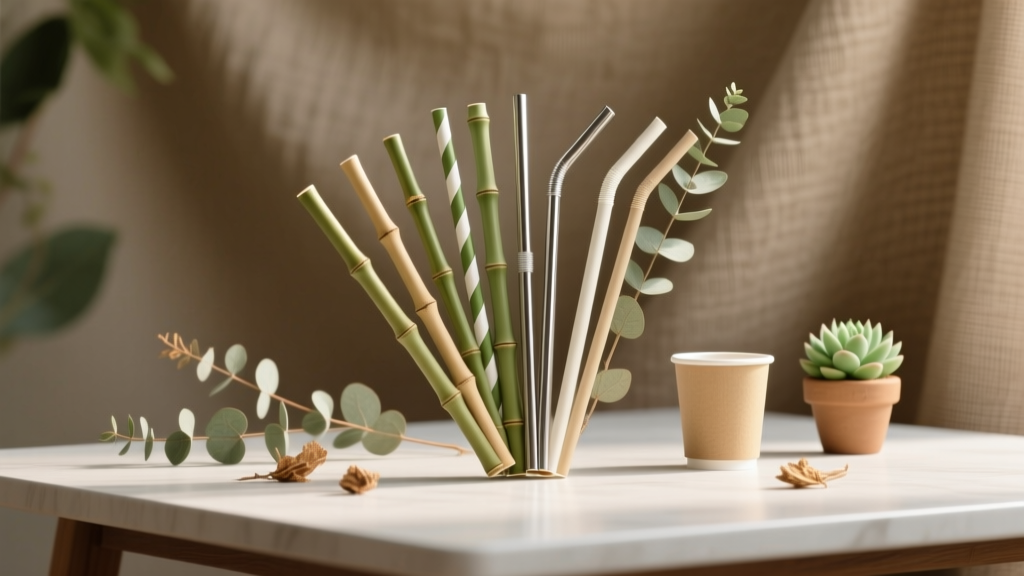 Eco-Friendly Straws for Corporate Events
What Is Party Favors? The Truth No One Tells You (It’s Not Just Candy & Trinkets — Here’s What Actually Makes Guests Remember Your Event)
What to Bring to a House Party: The 7-Item 'Never Awkward Again' Checklist (Backed by 200+ Guest Surveys & Host Interviews)
What Are the Products Helpful for Bachelor Parties? 17 Must-Have Items (Backed by 200+ Real Events) That Prevent Last-Minute Panic, Save $237 on Average, and Keep Everyone Actually Having Fun
Eco-Friendly Straws for Corporate Events
What Is Party Favors? The Truth No One Tells You (It’s Not Just Candy & Trinkets — Here’s What Actually Makes Guests Remember Your Event)
What to Bring to a House Party: The 7-Item 'Never Awkward Again' Checklist (Backed by 200+ Guest Surveys & Host Interviews)
What Are the Products Helpful for Bachelor Parties? 17 Must-Have Items (Backed by 200+ Real Events) That Prevent Last-Minute Panic, Save $237 on Average, and Keep Everyone Actually Having Fun
 A&C Party Rentals: The 7 Hidden Fees You’ll Pay (and How to Avoid Every One) Before Booking Your Next Tent, Tables, or Linen Package — Real Client Cost Breakdowns Inside
When Are All Party City Stores Closing? The Truth About Store Closures, What’s Still Open in 2024, and Where to Buy Balloons, Costumes & Decor Now (Updated July 2024)
A&C Party Rentals: The 7 Hidden Fees You’ll Pay (and How to Avoid Every One) Before Booking Your Next Tent, Tables, or Linen Package — Real Client Cost Breakdowns Inside
When Are All Party City Stores Closing? The Truth About Store Closures, What’s Still Open in 2024, and Where to Buy Balloons, Costumes & Decor Now (Updated July 2024)