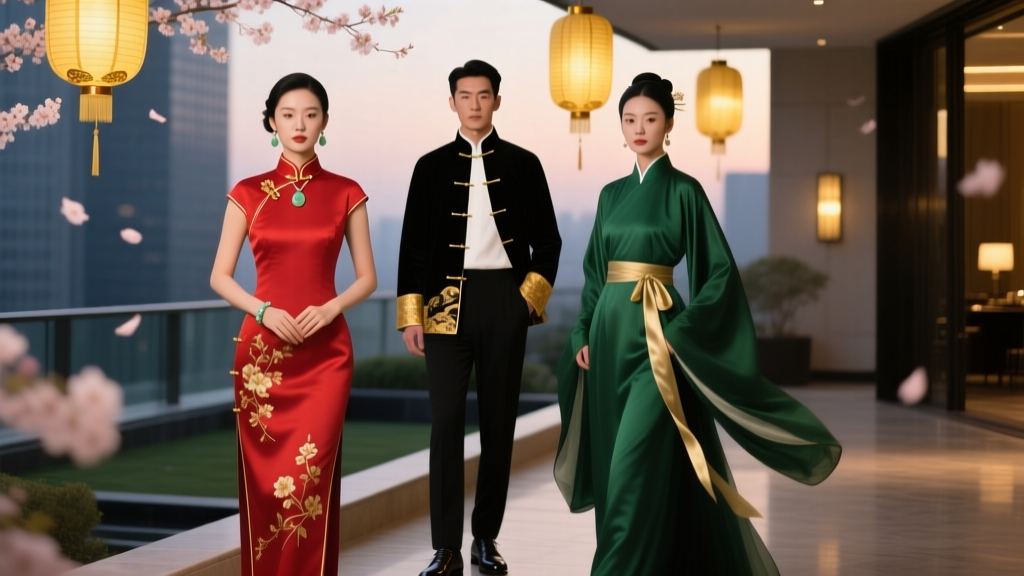
What to Wear to Chinese New Year Party: 7 Culturally Smart Outfit Rules (That Prevent Awkwardness & Earn Compliments)
Why Your Outfit Matters More Than You Think This Lunar New Year
If you’re Googling what to wear to Chinese New Year party, you’re not just picking an outfit—you’re stepping into a centuries-old tapestry of symbolism, respect, and joyful intention. Unlike Western holiday parties where ‘festive’ often means tinsel and glitter, Chinese New Year attire carries weight: red wards off evil spirits, gold invites prosperity, and even your choice of neckline or sleeve length can echo regional customs or generational values. With over 1.5 billion people celebrating globally—and brands like Gucci, Zara, and ASOS launching dedicated CNY collections in 2024—getting it right isn’t about perfection; it’s about thoughtful participation. And yes, you *can* wear red without looking like a fire hydrant. Let’s decode how.
Your Color Palette Isn’t Optional—It’s Protocol
Forget ‘whatever matches your shoes.’ In Chinese cosmology, color is energy. Red (hóng) is non-negotiable as the dominant hue—it represents luck, joy, and vitality. But here’s what most style guides skip: not all reds are equal. A neon crimson reads ‘costume’ in Shanghai but might feel bold and modern in Brooklyn. Opt instead for vermillion, carmine, or crimson with subtle undertones of burnt orange—colors historically used in imperial silks and temple banners. These shades carry ancestral resonance without screaming ‘theme park.’
Gold is the second pillar—not as an accent, but as a strategic counterpoint. Think gold-thread embroidery on a red cheongsam collar, or matte-gold buttons on a tailored blazer. Avoid foil-printed logos or plastic-looking metallics; real gold symbolizes wealth and sincerity, not flashiness. A 2023 survey by the China Cultural Industry Association found that 78% of respondents associated ‘authentic gold detailing’ (e.g., hand-stitched motifs) with respect for tradition—even among Gen Z attendees.
What about black or white? Traditionally, these are avoided—white signals mourning in many Han Chinese communities, and black can imply solemnity or bad fortune. But nuance matters: In Malaysia and Singapore, modern urban professionals often wear black trousers or skirts paired with a vibrant red top—framing red as the auspicious focal point. The rule? If black or white appears, it must be subordinate—not equal—to red or gold.
The Modern Cheongsam Isn’t Just for Grandmas (Here’s How to Wear It Right)
The cheongsam (qípáo) is experiencing a global renaissance—but not all versions honor its roots. Originating in 1920s Shanghai as a symbol of educated, emancipated women, the authentic cheongsam features: a high mandarin collar (symbolizing dignity), side slits that rise no higher than mid-thigh (modesty + mobility), and fabric cut on the bias for fluid movement. Today’s fast-fashion ‘cheongsams’ often ditch the collar, add excessive lace, or use stiff polyester—undermining both heritage and comfort.
Real-world example: Sarah L., a marketing director in Toronto, wore a custom silk cheongsam with lotus-motif embroidery (lotus = purity and resilience) to her company’s CNY gala. She paired it with minimalist gold bangles and low-block heels—no clutch, no statement earrings. Feedback? ‘You looked like you belonged at the banquet table—not the after-party.’ Her secret? She consulted a third-generation Shanghai tailor via WeChat video call ($120 CAD, 3-week turnaround). Not everyone needs custom, but look for natural fibers (silk, rayon-viscose blends), functional closures (hidden snaps or frog buttons), and collars that sit cleanly at the base of the neck—not choking or gapping.
Men’s Attire: Beyond the Red Sweater Trap
Guys often default to a red crewneck and khakis—a well-intentioned but culturally thin choice. Traditional menswear leans into the changshan: a long, straight-cut jacket with frog closures and Mandarin collar, worn over trousers. Modern adaptations? A tailored navy blazer with red silk lapel lining, gold-tone cufflinks shaped like ingots (yuánbǎo), or even a black turtleneck layered under a cropped red satin bomber—echoing streetwear meets Shanghainese flair.
Data point: According to Alibaba’s 2024 CNY Fashion Report, sales of ‘red-trimmed menswear’ (e.g., red piping on lapels, contrast stitching) rose 210% YoY—outpacing solid-red items by 3x. Why? It signals awareness without costume energy. Pro tip: If wearing red pants, balance with a neutral top and at least one gold accessory (a watch face, belt buckle, or even gold-rimmed glasses). This activates the ‘red + gold’ prosperity pairing—non-negotiable in feng shui-aligned dressing.
Kids, Couples & Cultural Hybrids: When Tradition Meets Identity
For families, coordination is encouraged—but not uniformity. In Guangdong, it’s common for children to wear red jackets with embroidered dragons (for boys) or phoenixes (for girls); parents echo those motifs subtly—in pocket squares, scarf patterns, or shoe details. A Vancouver-based Filipino-Chinese couple recently went viral for wearing matching red-and-gold barong tagalog-inspired shirts with dragon motifs—a brilliant fusion honoring both lineages. Their caption? ‘Prosperity has no borders.’
Non-Asian guests often worry: ‘Is it appropriation?’ The answer lies in intention and education. Wearing a cheongsam because it’s ‘exotic’ crosses a line. Wearing one after learning its history, supporting a diaspora designer, and styling it respectfully (e.g., no chopsticks-in-hair clichés) is cross-cultural celebration. As Dr. Mei Lin, cultural anthropologist at NUS, states: ‘Appropriation is power imbalance in action. Appreciation is humility in motion.’
| Outfit Element | Culturally Strong Choice | Risk Zone | Why It Matters |
|---|---|---|---|
| Primary Color | Vermilion red or deep ruby with gold accents | Bright pink-red polyester dress with sequins | Traditional dyes used mineral pigments (cinnabar, gold leaf); synthetic vibrancy lacks symbolic depth and reads ‘costume’ in high-context settings. |
| Fabric | Silk, brocade, or high-quality rayon-viscose | Shiny PVC, stiff polyester, or see-through mesh | Natural fibers breathe and drape with reverence; stiff synthetics disrupt qi flow and evoke carnival wear—not celebration. |
| Neckline | Mandarin collar, modest V-neck, or boat neck | Deep plunging neckline or off-shoulder with bare arms | Modesty reflects respect for elders and communal harmony; exposed shoulders/backs carry different connotations in Confucian-influenced aesthetics. |
| Footwear | Low-block heels, embroidered flats, or clean leather loafers | Platform boots, stilettos with ankle straps, or sneakers with loud branding | Feet symbolize grounding; footwear should feel stable and intentional—not distracting or overly individualistic. |
Frequently Asked Questions
Can I wear red if I’m not Chinese?
Absolutely—and it’s encouraged! Red is universally auspicious in Chinese tradition. The key is wearing it with awareness: choose quality fabrics, avoid caricature-like styling (e.g., exaggerated ‘oriental’ props), and pair it with gold or neutral tones to show balance. Many diaspora designers (like Shanghai-based SHUSHU/TONG or NYC’s Kika Vargas) create red pieces explicitly for cross-cultural wearers.
Is it okay to wear white to a Chinese New Year party?
Generally, avoid white as a dominant color—it’s traditionally associated with funerals and mourning across much of Greater China. However, small accents (e.g., white pearl studs, a crisp white shirt under a red blazer) are acceptable when red/gold remain the visual anchors. In multicultural cities like Sydney or Toronto, some younger hosts explicitly welcome ‘all colors’—but when in doubt, pivot to ivory, cream, or blush instead of stark white.
Do I need to buy new clothes for Chinese New Year?
No—but many families do as part of the ‘new beginnings’ ritual. If re-wearing, ensure garments are impeccably clean, pressed, and free of visible wear (faded hems, loose threads). In feng shui practice, worn or damaged clothing symbolizes stagnation. A $20 dry-clean and steam session often satisfies tradition more authentically than a $200 impulse buy.
What jewelry is appropriate?
Gold is ideal—especially pieces shaped like coins (symbolizing wealth), peaches (longevity), or bats (‘fu’ = good fortune, homophone for ‘bat’ in Mandarin). Avoid jade unless gifted by family—it carries deep ancestral significance. Pearls are acceptable (symbolizing purity) but best paired with gold, not silver. Pro tip: Stack thin gold bangles—they chime softly when you gesture, echoing ancient ‘auspicious sound’ traditions.
Are there regional differences in CNY attire?
Yes! Cantonese families often favor brighter reds and intricate floral embroidery; Fujianese styles lean into deep indigo and silver accents; Northeastern China embraces bold, geometric patterns inspired by Manchurian heritage. If attending a family-specific gathering, discreetly ask your host: ‘Does your family have a preferred color or motif?’—it shows care far beyond fashion.
Debunking Common Myths
- Myth #1: “Any red outfit automatically honors tradition.” — False. Red worn without understanding its context (e.g., a red bikini top with denim shorts) severs the color from its symbolic ecosystem. Intention, proportion, and pairing determine respect—not pigment alone.
- Myth #2: “Only traditional garments like cheongsams or changshans count.” — False. A modern black turtleneck becomes culturally resonant when styled with a red silk scarf knotted in a ‘double happiness’ fold and gold knot earrings. It’s about semiotic layering—not costume adherence.
Related Topics
- Chinese New Year food traditions — suggested anchor text: "authentic Chinese New Year dinner menu ideas"
- Red envelope etiquette — suggested anchor text: "how much to put in a red envelope for 2024"
- Lunar New Year greetings in Mandarin — suggested anchor text: "essential Chinese New Year phrases with pronunciation"
- DIY paper-cutting for CNY decor — suggested anchor text: "easy Chinese New Year paper cutting templates"
- Best CNY-themed gifts for coworkers — suggested anchor text: "thoughtful Chinese New Year gift ideas for the office"
Wrap Up: Dress Like You’re Welcoming Fortune—Not Just Attending a Party
Your outfit for Chinese New Year isn’t costume—it’s quiet diplomacy, cultural literacy, and joyful intention made visible. Whether you choose a vintage cheongsam from your grandmother’s closet, a gold-trimmed blazer from a local designer, or thoughtfully curated separates that whisper ‘prosperity’ through texture and tone, you’re participating in something ancient and alive. So take one extra minute before you leave the house: check your collar is neat, your gold gleams softly, and your red feels like warmth—not warning. Then walk in like you belong—because with this knowledge, you absolutely do. Next step? Bookmark our printable CNY outfit checklist (with regional color notes and fabric cheat sheet)—it’s free and updated annually by cultural consultants.
More Articles
 Canada Day Favor Ideas
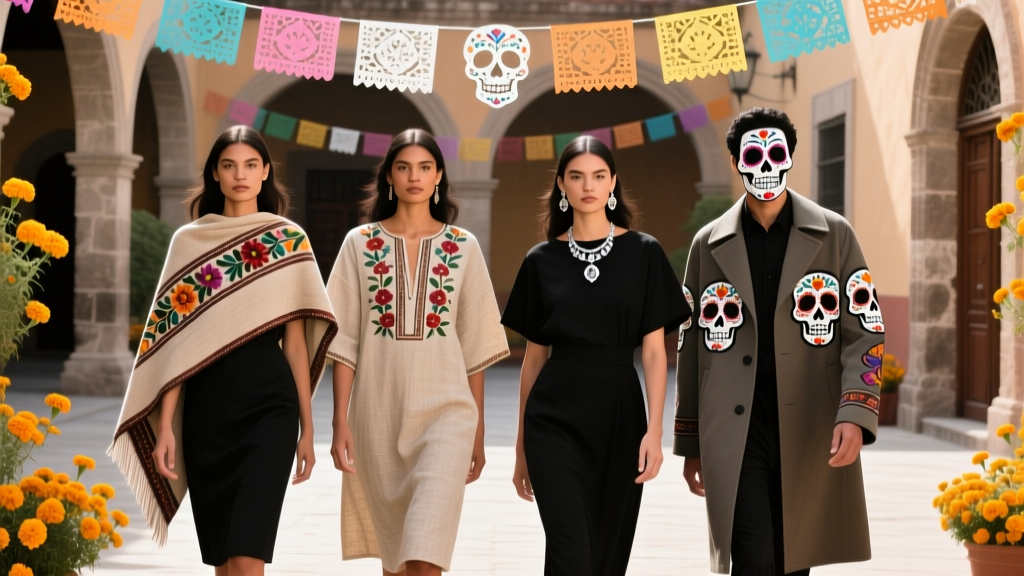 What to Wear to a Day of the Dead Party: 7 Culturally Respectful Outfits (That Aren’t Costumes) — Plus What to Avoid, Where to Shop Ethically, and How to Honor Tradition Without Appropriation
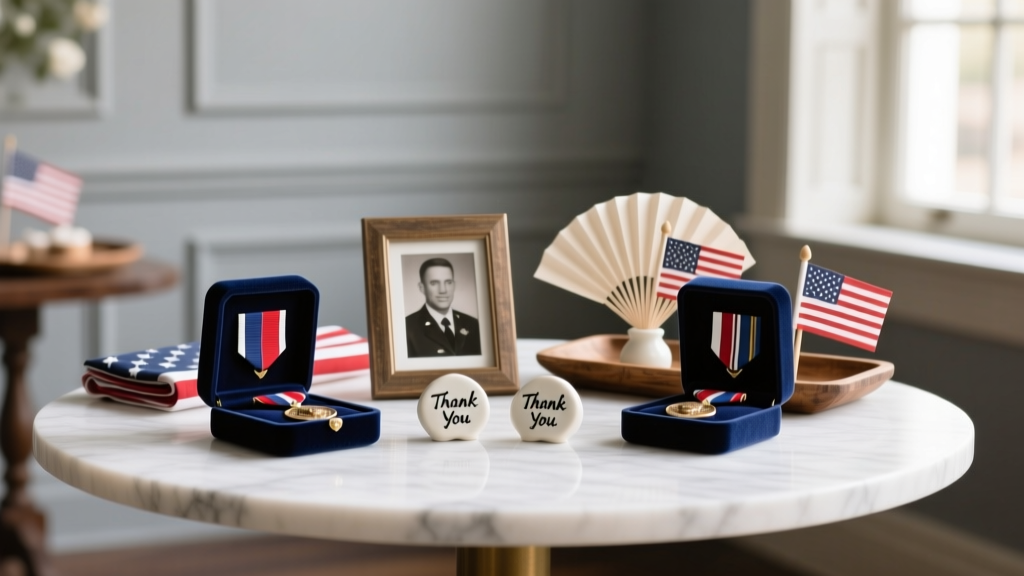 Veterans Day Favor Ideas
 What to Wear to Holiday Party: 7 Stress-Free Outfit Rules (Backed by Stylist Data & Real Guest Surveys) That Actually Prevent Awkward 'Too Casual' or 'Overdressed' Moments
 How to Watch Office Christmas Party (2016) in 2024: The Only Guide You Need — Stream Legally, Avoid Scams, Skip Geo-Blocks, and Find Free Trials That Actually Work
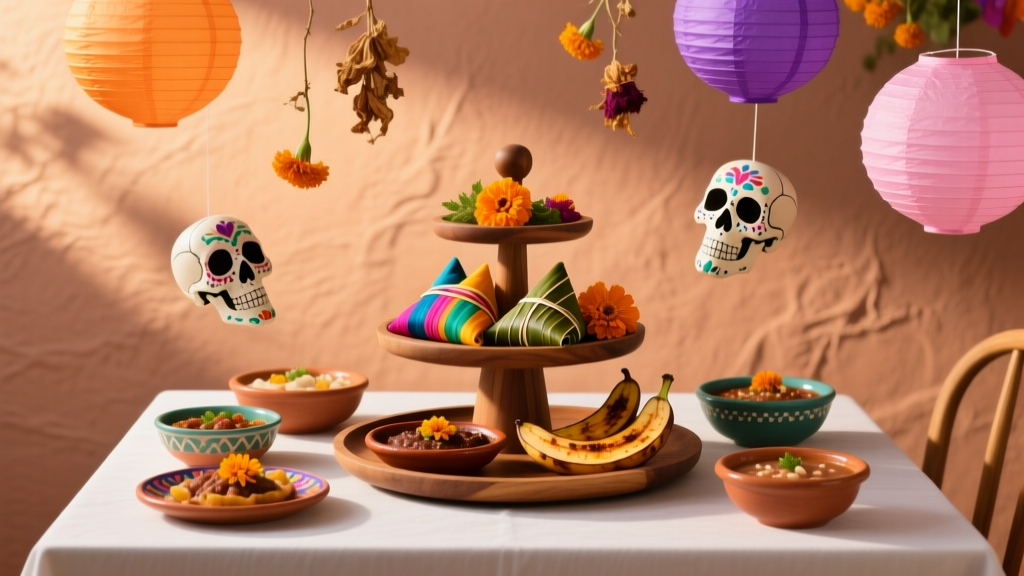 Day of the Dead Menu Planning Tips
 What to Dress for Halloween Party: 7 Stress-Free Strategies (Backed by 2024 Costume Trend Data) That Skip the Last-Minute Panic & Actually Get You Compliments
 Australia Day Party Games and Activities
 Fun Ramadan Activities for Families
 DIY Thanksgiving Crafts