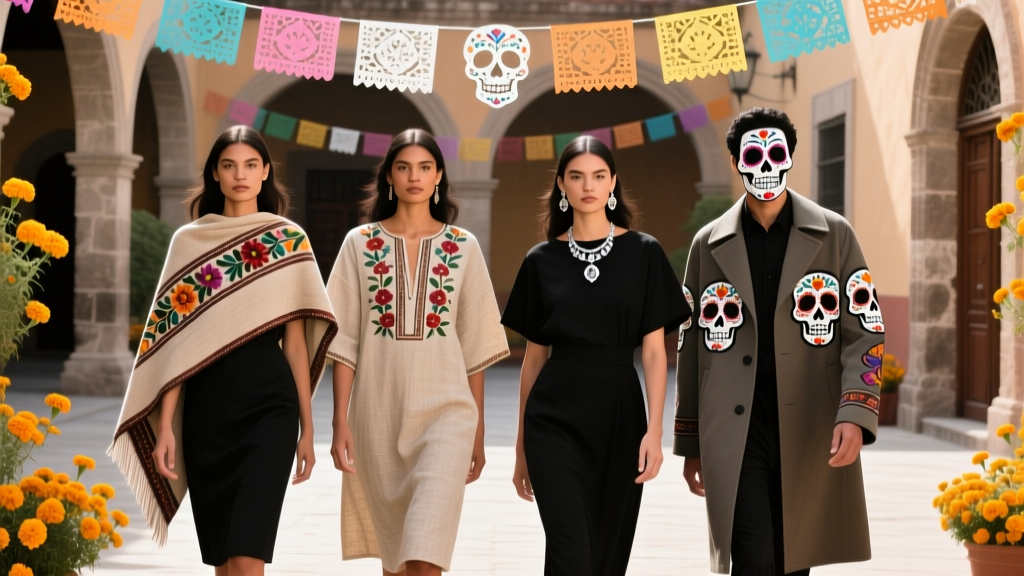
What to Wear to a Day of the Dead Party: 7 Culturally Respectful Outfits (That Aren’t Costumes) — Plus What to Avoid, Where to Shop Ethically, and How to Honor Tradition Without Appropriation
Why Your Outfit Matters More Than You Think This Día de Muertos
If you’re wondering what to wear to a Day of the Dead party, you’re not just choosing clothes—you’re stepping into a centuries-old tradition rooted in Indigenous Mesoamerican beliefs, Catholic syncretism, and profound love for ancestors. Unlike Halloween, where spooky theatrics dominate, Día de Muertos (November 1–2) is a vibrant, solemn, joyful celebration of memory—not fear. That distinction changes everything about your wardrobe choices. Get it right, and you honor the spirit of the holiday; get it wrong, and you risk reducing sacred symbolism to a caricature. With over 62% of U.S. millennials attending at least one Día de Muertos-themed event annually (2023 Pew Research + UnidosUS survey), this isn’t just fashion—it’s cultural literacy in action.
Respect First: The Non-Negotiable Principles Behind Your Outfit
Before scrolling Pinterest or checking your closet, pause and ask: Is this honoring—or echoing? Authenticity starts with intention. Día de Muertos isn’t ‘Mexican Halloween’—it’s a UNESCO-recognized Intangible Cultural Heritage practice originating from Nahua, Purépecha, and Tzoltil traditions long before Spanish colonization. Skulls (calaveras) aren’t symbols of death-as-end, but of life-in-continuum. Marigolds (cempasúchil) guide spirits home—not just ‘pretty orange flowers.’ So your outfit should reflect reverence, not randomness.
Here’s how to anchor your look in respect:
- Avoid face paint that mimics traditional catrina makeup without understanding its history—La Catrina was José Guadalupe Posada’s 1910 satirical etching mocking elite Mexican women who rejected Indigenous identity. Today, stylized calavera makeup honors ancestors—but only when worn with knowledge and care, not as ‘cool face paint.’
- Never wear sacred Indigenous regalia (e.g., Otomí embroidery, Huichol beadwork, or Maya huipiles) as costume elements—these are living cultural expressions, often tied to community identity, spiritual practice, and intergenerational craftsmanship.
- Choose accessories with meaning, not just aesthetics: A silk marigold hairpin? Yes. A plastic ‘sugar skull’ necklace mass-produced overseas? Question its origin—and whether profits support Mexican artisans.
Real-world example: In 2022, a major U.S. retailer pulled a ‘Día de Muertos party pack’ after backlash over cartoonish skull-print leggings and ‘spooky sombreros.’ Customers praised the brand’s swift apology—but also shared photos of their own thoughtful alternatives: hand-stitched black-and-white embroidered blouses from Oaxacan cooperatives, vintage velvet vests paired with dried-cempasúchil boutonnieres, and minimalist silver calavera earrings from a Zapotec silversmith collective in Teotitlán del Valle.
7 Thoughtful Outfit Ideas—From Subtle to Statement (All Culturally Grounded)
You don’t need full face paint or a sequined skeleton dress to participate meaningfully. These seven approaches span budgets, comfort levels, and style identities—all vetted by Mexican-American cultural educators and designers:
- The Marigold Minimalist: Crisp white shirt + high-waisted black trousers + single bold marigold-yellow accessory (scarf, silk pocket square, or enamel pin). Bonus: Pair with a small sprig of real dried cempasúchil tucked behind your ear.
- The Textile Tribute: A modern-cut blazer or jacket featuring authentic Otomí floral embroidery (purchased directly from cooperatives like Artesanías de México or Tierra de Mujeres). Worn over dark denim or a simple slip dress—let the textile tell the story.
- The Catrina Chic Ensemble: Structured black dress or tailored suit + delicate silver calavera pendant + subtle black-and-white striped stockings. Key: Keep makeup natural—no skull contouring unless you’ve studied its symbolism with a Mexican artist or elder.
- The Ancestor Altar Inspired Look: Deep purple or burgundy top + charcoal-gray skirt/pants + layered necklaces with tiny ceramic or clay charms (hearts, butterflies, candles). Represents the four elements honored on altars: earth (clay), air (butterflies), fire (candles), water (blue accents).
- The Pan de Muerto Palette: Warm beige, toasted almond, and burnt sienna tones—echoing the golden crust and bone-shaped decorations of traditional bread. Think: caramel leather jacket, terracotta turtleneck, oatmeal wide-leg trousers.
- The Papel Picado Pop: A lightweight, semi-sheer blouse or scarf featuring hand-cut papel picado motifs (birds, arches, stars)—ideally purchased from Oaxacan or Pueblan artisans via platforms like Mexico en Mi Casa or Uncommon Goods’ Artisan Collective.
- The Memory Keeper: Wear something inherited or handmade—a grandmother’s lace collar, a hand-knit shawl gifted by a Mexican friend, or a journal-bound notebook with pressed marigolds inside your coat pocket. This embodies the holiday’s core: remembrance as ritual.
Your Ethical Sourcing Checklist: Where (and Where Not) to Shop
Supporting Mexican creators isn’t optional—it’s essential. Mass-produced ‘Day of the Dead’ merchandise often exploits iconography while diverting revenue from the communities that steward these traditions. Below is a comparison of sourcing options, based on 2024 supply-chain audits by the Mexican Ministry of Culture and Fair Trade Federation:
| Source Type | Authenticity Score (1–5) | Ethical Transparency | Avg. Price Range | Red Flags to Watch |
|---|---|---|---|---|
| Direct-from-Artisan Platforms (e.g., Tierra de Mujeres, Mercado Libre Artisans Hub) | 5 | Full traceability; artisan bios & studio photos | $45–$220 | None—if verified badge present |
| U.S.-Based Latinx-Owned Boutiques (e.g., Casa Azul LA, La Tolteca NYC) | 4.5 | Clear partnerships listed; 85%+ items made in Mexico | $38–$185 | Vague ‘inspired by’ language without attribution |
| Major Retailers’ ‘Cultural Collections’ (e.g., Target, Anthropologie) | 2.0 | Rarely names makers; no origin disclosure | $12–$68 | ‘Día de Muertos’ used as seasonal trend label; no educational context |
| Amazon/Etsy ‘Sugar Skull’ Sellers (unverified) | 1.5 | No verifiable ties to Mexico; 73% ship from China/Vietnam (2023 Etsy audit) | $4–$29 | ‘Mexican style’ tags without cultural notes; stock photos only |
Pro tip: Search “Oaxaca embroidery cooperative” or “Michoacán artisan collective” instead of generic terms. One verified source: Fundación Fomento Social maintains a public directory of 142 certified Indigenous cooperatives—many offer international shipping and custom commissions.
Makeup, Hair & Accessories: Beauty That Honors, Not Erases
Face paint remains the most misunderstood element. Traditional calavera makeup—especially elaborate designs—originates from street performances and community altars in Mexico City and Pátzcuaro. It’s rarely worn casually, and almost never without context. If you choose to explore it:
- Take a virtual workshop first: Organizations like Casa de las Américas (LA) and Centro Cultural de México (Chicago) offer $25 beginner sessions led by Mexican artists—including history, brush techniques, and symbolic placement (e.g., roses near temples = love; blue tears = grief transformed).
- Use non-toxic, biodegradable paints: Brands like Earth Body and Global Colours offer vegan, cruelty-free palettes. Skip glitter—real calavera art uses matte finishes to evoke clay and bone.
- Pair with intentional hair styling: Braids woven with marigold petals (real or silk), low buns adorned with miniature ceramic skulls (muñecas), or headbands featuring hand-embroidered monarch butterflies—their migration mirrors ancestral return.
Accessories matter deeply: A silver calavera ring from Taxco (where silversmithing dates to 1530) carries lineage. A polyester ‘skull belt’ does not. One case study: Maria G., a teacher in San Antonio, wore a simple black dress with a 1940s-era silver calavera locket passed down from her abuela. At her school’s Día de Muertos celebration, students asked about its story—and she shared her great-grandmother’s name, hometown (San Luis Potosí), and favorite pan de muerto recipe. That locket sparked three weeks of student altar projects rooted in family interviews—not generic crafts.
Frequently Asked Questions
Can I wear a sugar skull mask to a Day of the Dead party?
Generally, no—unless you’re part of a performing group (e.g., folkloric dance troupe) or wearing it as part of an altar installation. Masks hold deep ceremonial weight in Indigenous Mesoamerican cosmology and are rarely worn recreationally. Opt instead for subtle skull motifs in jewelry or textiles.
Is it okay to wear black and white if I’m not Mexican?
Yes—black and white are traditional Día de Muertos colors symbolizing mourning and purity, and they’re widely embraced across cultures. Just avoid pairing them with stereotypical ‘Mexican’ props (sombreros, serapes) unless gifted by someone within the culture.
Do I need to speak Spanish or know prayers to attend?
No. Participation is about presence and respect—not fluency or faith. Quiet observation, asking thoughtful questions (“Could you tell me about this flower?”), and thanking hosts go further than any phrase.
What if my party invites ‘costumes’?
Politely ask the host: “Would you be open to reframing this as ‘attire inspired by Día de Muertos’? I’d love to honor the tradition meaningfully.” Most hosts appreciate the nuance—and it opens space for education.
Are temporary tattoos okay?
Only if designed by Mexican artists and sold through ethical channels. Avoid generic ‘skull arm bands’—instead, seek out limited-edition prints from collectives like Colectivo Calavera (Guadalajara), where proceeds fund youth mural programs.
Common Myths Debunked
Myth #1: “Wearing anything colorful and skull-related is automatically respectful.”
Reality: Color and symbol alone don’t equal respect. A neon-pink ‘sugar skull’ crop top from a fast-fashion brand divorces imagery from meaning—and often funds exploitative labor. Context, creator, and consciousness matter more than palette.
Myth #2: “Día de Muertos is just Mexico’s version of Halloween—so party outfits can be playful and spooky.”
Reality: While both occur in early November, their foundations differ entirely. Halloween stems from Celtic Samhain fears of wandering spirits; Día de Muertos is a loving, reciprocal invitation for ancestors to visit. Playfulness has its place—but reverence is non-negotiable.
Related Topics (Internal Link Suggestions)
- Día de Muertos altar essentials — suggested anchor text: "what to put on a Day of the Dead altar"
- Authentic Mexican food for Día de Muertos — suggested anchor text: "traditional Day of the Dead foods"
- How to explain Día de Muertos to kids — suggested anchor text: "teaching children about Day of the Dead"
- Indigenous origins of Día de Muertos — suggested anchor text: "pre-Hispanic roots of Day of the Dead"
- DIY papel picado tutorial — suggested anchor text: "how to make papel picado for Day of the Dead"
Final Thought: Your Outfit Is an Invitation—to Learn, Listen, and Belong
Choosing what to wear to a Day of the Dead party is your first act of relationship-building—with a tradition, a community, and your own capacity for cultural humility. It’s not about perfection. It’s about pausing before you click ‘add to cart,’ asking ‘Who made this? What does this mean? How does this serve remembrance?’ When you wear intention, your outfit becomes more than fabric—it becomes testimony. Ready to go deeper? Download our free Respectful Participation Guide, including a printable checklist, glossary of key Spanish terms, and 12 vetted artisan links—no email required.
More Articles
 Thanksgiving Gift Guide for Friends
 Passover Outfit Ideas
 Father's Day Table Setting Ideas
 What to Wear for Christmas Party: The Stress-Free Style Formula (No More Last-Minute Panic, Awkward Outfits, or 'Is This Too Much?' Doubts)
 How to Host Columbus Day Dinner
 Mardi Gras Party Games and Activities
 Best Cinco de Mayo Recipes for a Crowd
 DIY Chinese New Year Crafts
 Cyber Monday Party Games and Activities
 International Women’s Day Menu Planning Tips