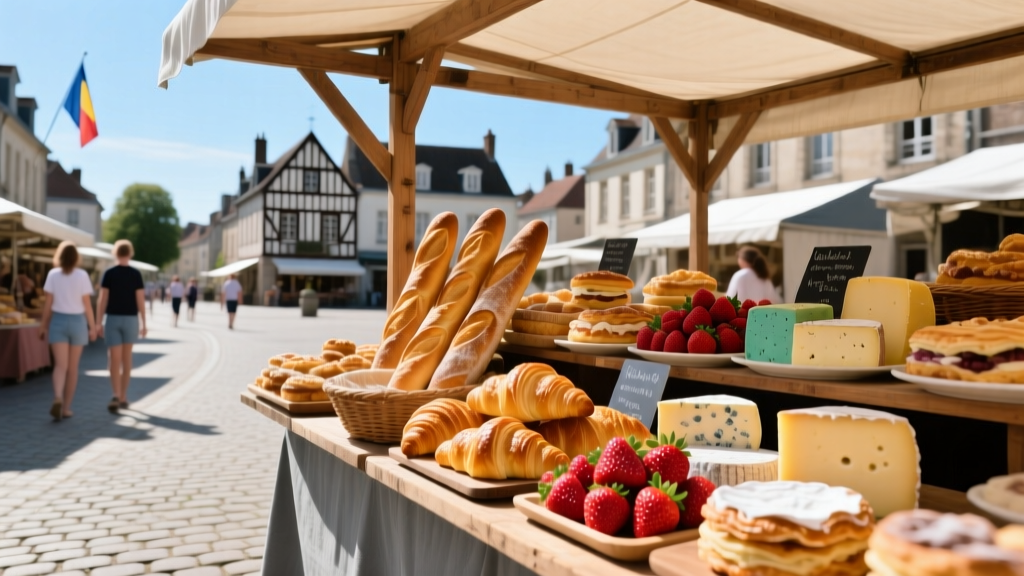
Ascension Day Markets and Festivals: A Food Lover's Guide to France and Belgium
Ascension Day falls on May 14 in 2026, and across France and Belgium, this public holiday transforms ordinary market squares into vibrant food festivals that draw hundreds of thousands of visitors. The Thursday holiday creates an automatic four-day weekend, and locals spend it doing what they do best: eating, drinking, and celebrating seasonal produce at outdoor markets that have operated for centuries.
The Tradition of Ascension Day Markets
Markets held on or around Ascension Day carry a history that stretches back to the medieval period. The holiday's placement in mid-May coincides with the first major harvest wave in Western Europe: spring asparagus, early strawberries, fresh goat cheeses, and the season's first morel mushrooms. Towns that had already established weekly market halls expanded these into annual fairs to mark the religious feast day.
Today, the tradition persists with remarkable continuity. France's Ministry of Commerce recorded approximately 1,800 outdoor markets operating on Ascension Day across the country in 2024, with total visitor estimates reaching 4.2 million people over the four-day weekend. Belgium's Federal Public Service Economy reported that 340 of its recognized weekly markets extend their operations on Ascension Day, collectively hosting roughly 680,000 visitors.
March’ d'Ascension in Lyon: Three Days of Regional Gastronomy
Lyon's March’ d'Ascension, held in the Place des Terreaux and extending along the Quai Saint-Vincent, is the single largest food market event in southeastern France tied to the holiday. In 2025, the market hosted 287 vendors occupying a combined 12,500 square meters of space along the Rh’ne riverbank. Market hours run from 8:00 AM to 7:00 PM on Thursday through Saturday, with the largest crowds arriving between 10:00 AM and 2:00 PM on Thursday itself.
What to Eat and What It Costs
The market is organized into six zones: charcuterie and cured meats (north side near the fountain), cheese producers from the Auvergne-Rh’ne-Alpes region (central section), fresh produce (eastern edge), prepared hot foods (riverfront), baked goods (western aisle), and a dedicated beverage section featuring wines from Beaujolais and C’tes du Rh’ne (near the H’tel de Ville).
| Product | Typical Portion | Price Range (EUR) | Vendor Origin |
|---|---|---|---|
| Saucisson de Lyon | 200g | ?6.50 ? ?9.00 | Villeurbanne |
| Tomme de Savoie AOP | 300g wedge | ?5.80 ? ?7.50 | Albertville |
| Asperges vertes de l'Is’re | 1kg bunch | ?8.00 ? ?12.00 | Saint-’tienne-de-Saint-Geoirs |
| Pralines roses de Lyon | 500g bag | ?11.00 ? ?14.50 | Lyon 5e |
| Beaujolais-Villages | 75cl bottle | ?7.00 ? ?15.00 | Villefranche-sur-Sa’ne |
| Cervelle de canut (fresh) | 250g pot | ?4.50 ? ?6.00 | Monts du Lyonnais |
Real-world pricing example: a family of four visiting the market for lunch on Thursday typically spends between ?45 and ?65 for a complete meal including cheese, charcuterie, fresh bread, fruit, and a bottle of wine purchased directly from producers. This represents a savings of approximately 30-40 percent compared with eating at a mid-range bouchon lyonnais, where a comparable meal runs ?75-?95.
"The March’ d'Ascension is not just a market; it is the moment when the entire Rh’ne valley shows what it has been growing all spring. You taste the season in every bite." ? Philippe Garel, third-generation cheese affineur from Montbrison, interviewed by Lyon Capitale, April 2025.
Brussels Food Market: The Grand-Place Takeover
In Brussels, the Ascension Day market does not confine itself to a single square. Since 2018, the city has operated a "Grand March’ de l'Ascension" that stretches from the Grand-Place through the Galerie Royale Saint-Hubert and into the Marolles district. The 2025 edition featured 195 vendors, including 47 specialist food stalls, 32 artisan bakers, 28 cheese makers, and 15 Belgian beer producers offering over 120 distinct varieties.
The market operates from 9:00 AM to 8:00 PM on Thursday, with extended hours until 9:00 PM on Friday and Saturday. The Thursday session alone drew an estimated 48,000 visitors in 2025, according to figures published by Visit Brussels in their annual event report. The market's food section covers approximately 3,200 square meters, with individual vendor stalls ranging from 9 to 25 square meters.
Signature Belgian Market Foods
Three categories dominate the Brussels Ascension market: waffles (both Li’ge and Brussels styles), carbonade flamande (beef stew braised in beer), and artisanal chocolates. A Li’ge waffle from a market vendor costs ?3.50-?5.00 depending on toppings; a full plate of carbonade flamande with frites runs ?12.00-?16.00; and artisanal chocolate boxes start at ?8.00 for 250g and climb to ?28.00 for premium praline assortments of 500g.
The Belgian Chocolate Village pop-up stall, operated by the Federation of Belgian Chocolate Makers, has become a fixture of the market since 2020. In 2025, it served over 3,200 tasting samples and reported direct sales of ?18,400 across the three-day event, with 62 percent of buyers being international visitors.
Antwerpen's Vlaamse Markt: Flemish Specialties on the Grote Markt
Antwerp's Vlaamse Markt occupies the Grote Markt and spills into the surrounding streets for the Ascension Day weekend. The 2025 market brought together 163 vendors, of which 89 were food-related. The market is organized around four pillars: Flemish cheeses (including aged Gouda, Passendale, and Herve), North Sea seafood (shrimp croquettes, smoked eel, mussels in season), Antwerpse handjes biscuits, and Flemish beers.
Visitor numbers reached 35,000 over the three-day period in 2025, according to data from Antwerp City Marketing. Average vendor turnover during the market was reported at ?4,200 per stall, with seafood vendors achieving the highest per-square-meter revenue at approximately ?180 per square meter.
A typical market lunch at Vlaamse Markt costs ?14-?22 per person. A plate of shrimp croquettes (garnaalkroketten) with salad and bread runs ?11.50-?14.00, while a full mussels plate (mosselen) in white wine and celery sauce costs ?16.00-?22.00 depending on portion size. A glass of Duvel or Chimay Blue adds ?4.50-?7.00.
Historical Background
The Vlaamse Markt tradition in Antwerp dates to at least 1591, when guild records show that the city's merchant associations held a special market on Ascension Day to coincide with the annual river barge arrivals from inland Flanders. The market was formally recognized by municipal ordinance in 1623 and has operated continuously since then, with the exception of wartime closures during 1914-1918 and 1940-1944.
Proven’al Markets: Lavender, Olive Oil, and Spring Vegetables
Provence offers a different market experience around Ascension Day. Rather than a single large event, the holiday activates dozens of weekly markets across the region simultaneously. The towns of Aix-en-Provence, Apt, L'Isle-sur-la-Sorgue, Gordes, and Saint-R’my-de-Provence all hold their regular markets on Thursday, but vendors increase their stock by an average of 60 percent to accommodate the holiday influx.
The Apt market, held every Saturday year-round, shifts to Thursday in years when Ascension Day falls on that weekday. In 2025, the Apt Ascension market hosted 310 vendors along the Cours Lafayette and the Place du March’, making it the largest single market day of the year in the Vaucluse department. Visitor counts exceeded 18,000 on that Thursday alone.
Proven’al Price Comparisons
Proven’al markets offer some of the best value for seasonal produce in France. The following price data was collected at the Aix-en-Provence market on Ascension Day 2025:
- Extra virgin olive oil (Aix-en-Provence AOP): ?12.00-?18.00 per 50cl bottle, compared with ?15.00-?24.00 in Parisian specialty shops
- Fresh lavender bunches: ?3.00-?5.00, compared with ?6.00-?9.00 during the July peak season
- Spring artichokes (Camus de Bretagne variety grown in Provence): ?2.50-?4.00 per kilogram
- Fresh ch’vre from the Alpes-de-Haute-Provence: ?3.50-?5.50 per piece
- Herbes de Provence blend (dried): ?4.00-?6.50 per 100g bag
- Early-season strawberries from Carpentras: ?4.50-?7.00 per 500g punnet
Comparative Analysis: Market Scale Across Four Cities
The table below compares the four featured markets across key dimensions, drawing on data from municipal tourism offices and regional commerce chambers for the 2025 season.
| Metric | Lyon | Brussels | Antwerp | Apt (Provence) |
|---|---|---|---|---|
| Total vendors | 287 | 195 | 163 | 310 |
| Food vendors | 215 (75%) | 143 (73%) | 89 (55%) | 248 (80%) |
| Market area (sq m) | 12,500 | 3,200 | 5,800 | 8,400 |
| Visitors (Thursday) | 62,000 | 48,000 | 15,000 | 18,000 |
| Average vendor revenue | ?3,800 | ?4,100 | ?4,200 | ?2,900 |
| Operating days | 3 (Thu-Sat) | 3 (Thu-Sat) | 3 (Thu-Sat) | 1 (Thu only) |
Practical Tips for Market Visitors
Getting There and Timing Your Visit
The best strategy for visiting any of these markets on Ascension Day is to arrive before 9:30 AM. By 11:00 AM, the most popular stalls ? particularly those selling prepared hot foods and limited-production cheeses ? begin to sell out. Thursday is universally the busiest day, with Friday and Saturday seeing 25-35 percent fewer visitors.
Public transportation is strongly recommended. Lyon's TCL network reports that tram and bus ridership to the Terreaux area increases by 180 percent on Ascension Day Thursday. Brussels STIB operates special weekend schedules with trams 3 and 4 running every 6 minutes to the Grand-Place. In Antwerp, the premetro stations Diamant and Groenplaats are each within a 5-minute walk of the Vlaamse Markt.
What to Bring and What to Expect
Cash remains preferred at approximately 40 percent of market stalls, though card payment adoption has grown significantly since 2020. Bring a reusable shopping bag ? most vendors charge ?0.10-?0.30 for plastic bags under France's and Belgium's single-use plastic regulations. Weather in mid-May averages 17-22’C in Lyon and Brussels and 20-25’C in Provence, so light layers and sun protection are advisable.
Language and Etiquette
In French markets, greeting the vendor with "Bonjour" before placing an order is considered essential courtesy. In Flemish-speaking Antwerp, "Goedendag" or "Hallo" serves the same function. Attempting even basic greetings in the local language typically results in warmer service and occasionally a small extra portion from the vendor.
The Economic Impact of Ascension Day Markets
The economic significance of these markets extends far beyond the weekend itself. According to the French Federation of Outdoor Markets (F’d’ration Nationale des March’s de Producteurs), Ascension Day weekend generates approximately ?28 million in direct vendor revenue nationwide, with an additional ?45 million in secondary spending on transportation, accommodation, and restaurant meals by market visitors.
In Belgium, the Federal Public Service Economy's 2024 report on seasonal market events estimated that Ascension Day markets generate ?12.3 million in direct sales, with the Brussels market alone accounting for ?3.8 million of that total. The Belgian report also noted that 23 percent of international visitors to Brussels during Ascension weekend cite the market as their primary reason for visiting.
For food travelers, these markets represent an unparalleled opportunity to experience regional cuisines at their most authentic and affordable. The combination of holiday timing, peak seasonal produce, and centuries of market tradition creates a culinary event that rivals any food festival in Europe ? and unlike many commercialized food festivals, these remain fundamentally about the connection between producers and the people who eat their food.
More Articles
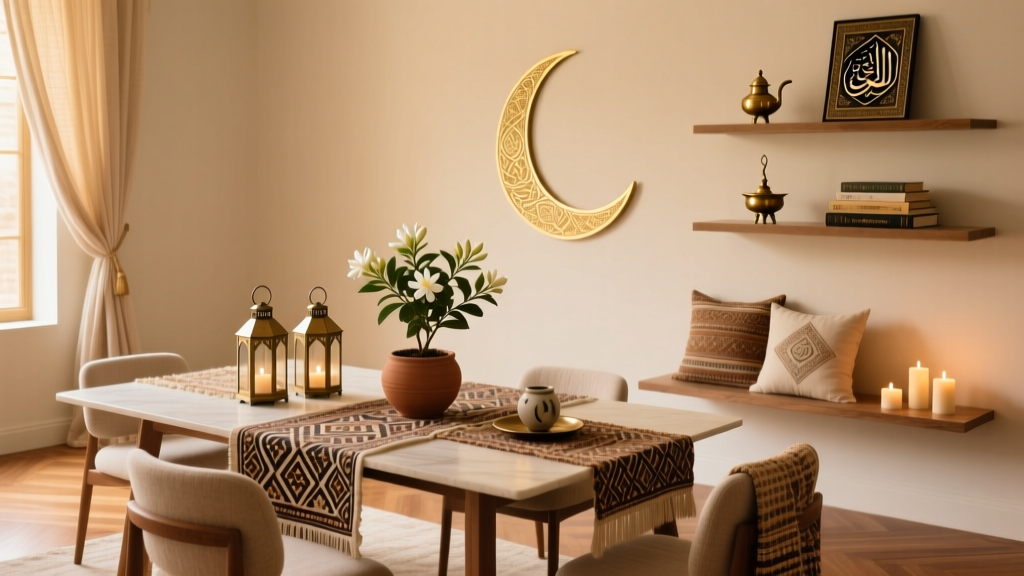 How to Decorate Your Home for Ramadan
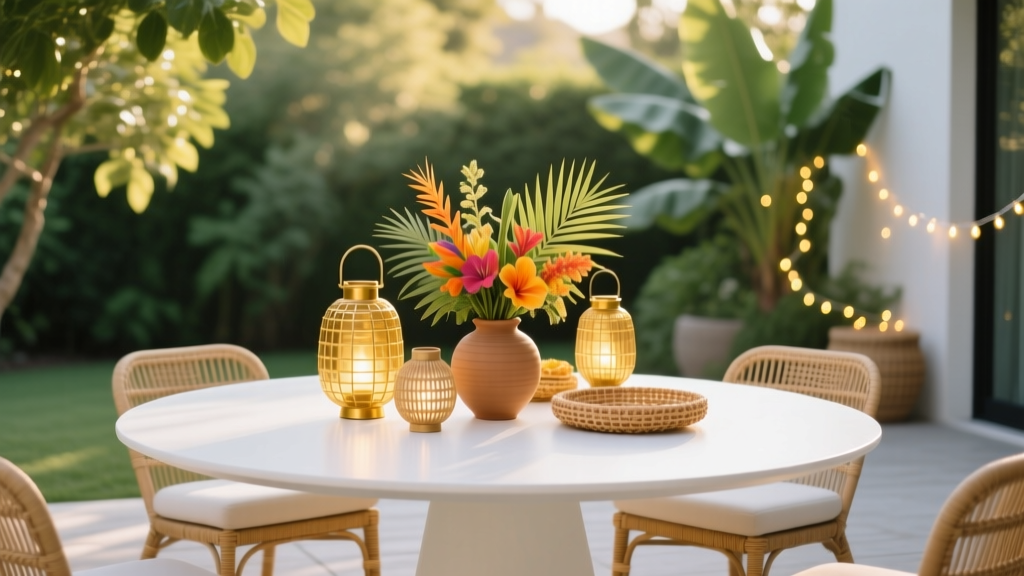 Summer Solstice Decoration Ideas
 Where Can I Watch Office Christmas Party for Free? (Legally & Safely in 2024 — No Sketchy Sites, No Hidden Fees, No Account Required)
 How to Decorate Your Home for Pi Day
 DIY Presidents' Day Crafts
 What to Wear for Work Christmas Party Men: 7 Stress-Free Outfit Formulas (No Tuxedo Required, No Awkwardness Guaranteed)
 Cycling Through Bavaria on Ascension Day: The Ultimate Active Holiday
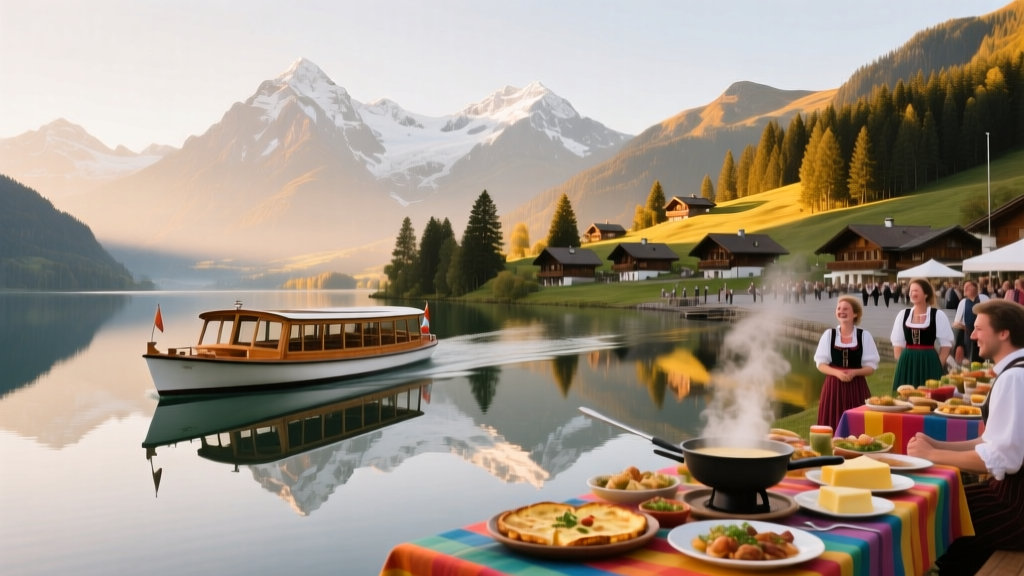 Ascension Day in Switzerland: Lake Cruises, Mountain Views, and Local Feasts
 Where to Find the Best Brunch on Ascension Day Morning
 What Is a Purim Party? (And Why Your First One Shouldn’t Feel Overwhelming — Here’s the Joyful, No-Stress Blueprint You’ve Been Missing)