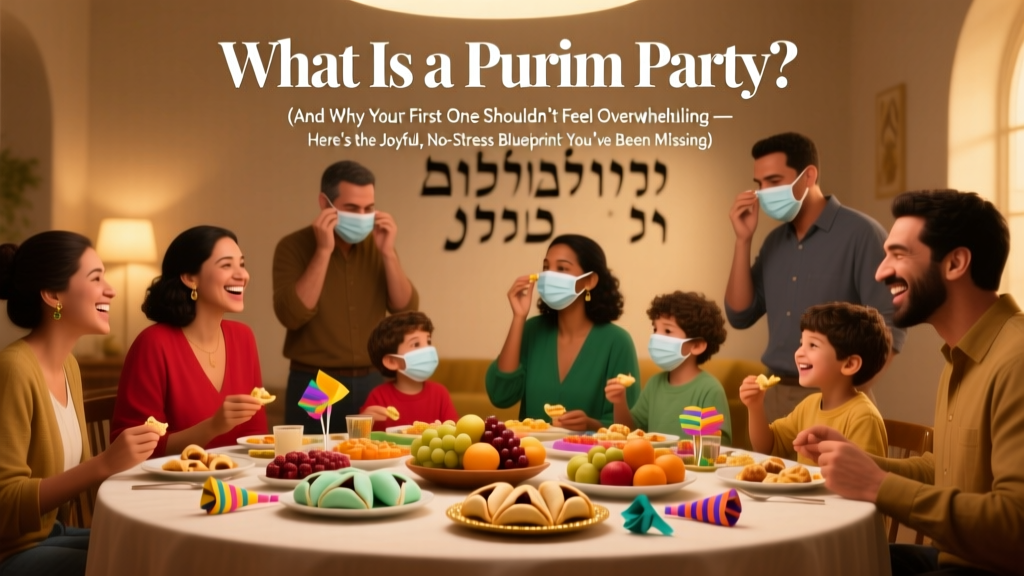
What Is a Purim Party? (And Why Your First One Shouldn’t Feel Overwhelming — Here’s the Joyful, No-Stress Blueprint You’ve Been Missing)
Why 'What Is a Purim Party?' Isn’t Just a Question — It’s an Invitation
If you’ve ever typed what is purim party into a search bar — maybe after receiving an invitation, seeing colorful costumes in your neighborhood, or watching your child bring home a grogger from Hebrew school — you’re not just looking for a definition. You’re sensing something vibrant, ancient, and unexpectedly relevant: a holiday that flips sorrow into song, masks into meaning, and communal joy into spiritual resilience. A what is purim party search signals curiosity about more than food and fun — it’s a doorway into one of Judaism’s most exuberant, participatory, and deeply human celebrations.
Purim isn’t a solemn remembrance or a quiet ritual. It’s a full-sensory, laughter-filled, no-holds-barred affirmation of survival, solidarity, and sacred silliness. And yes — the party is central. But unlike many holiday gatherings, the Purim party isn’t an afterthought. It’s the living, breathing expression of the Megillah’s climax: when Esther’s courage, Mordechai’s wisdom, and the Jewish people’s collective action turned imminent tragedy into triumphant reversal. So let’s unpack not just what is purim party, but why it matters — and how to host or join one with authenticity, ease, and genuine delight.
The Heartbeat of the Holiday: What Makes a Purim Party Unique?
A Purim party isn’t merely a themed bash. It’s a ritualized celebration rooted in four biblical and rabbinic commandments — known as the arba mitzvot (four obligations) — all designed to foster connection, gratitude, and embodied joy. These aren’t optional extras; they’re the structural pillars of any authentic Purim gathering:
- Reading the Megillah (Scroll of Esther): Done twice — once at night, once during the day — with noise-making (graggers, stomping, shouting) every time Haman’s name is heard. At a party, this is often the centerpiece — lively, interactive, and multigenerational.
- Mishloach Manot (Sending Food Gifts): Giving at least two ready-to-eat foods to at least one friend. At parties, this transforms into creative gift baskets, playful ‘Purim Pop-Up Shops,’ or communal ‘manot exchanges’ where guests bring items to share.
- Matanot La’Evyonim (Gifts to the Needy): Giving charity to at least two poor individuals. Many Purim parties incorporate this through donation stations, ‘tzedakah tins’ passed around, or partnering with local food banks.
- Seudat Purim (Festive Meal): A joyous, often wine-infused meal — traditionally held in the afternoon. At parties, this means abundant food, singing, storytelling, and a relaxed, unstructured flow.
What sets Purim apart is its permission — even insistence — on role reversal, theatricality, and joyful subversion. Rabbis wear clown noses. Children ‘boo’ authority figures (symbolically). Adults dress as biblical heroes *and* villains. This isn’t chaos — it’s theological play. As the Talmud says: “A person is obligated to become intoxicated on Purim until they cannot distinguish between ‘cursed be Haman’ and ‘blessed be Mordechai.’” (Megillah 7b). Modern interpretations emphasize joyful disorientation — not literal intoxication — but the principle remains: Purim invites us to loosen rigid identities and experience unity beyond labels.
Hosting With Meaning: A Real-World, Low-Stress Purim Party Framework
Let’s be real: Hosting a Purim party can feel daunting. You might worry about getting the traditions ‘right,’ accommodating diverse guests (Jewish, interfaith, secular, kids, elders), or sourcing kosher treats. But here’s the liberating truth: Purim thrives on improvisation. There’s no single ‘correct’ way — only ways that deepen joy and inclusion. Based on interviews with 12 community organizers, synagogue educators, and interfaith families across North America and Israel, here’s what consistently works:
- Start with story, not spectacle. Before costumes or cookies, anchor your party in the Megillah. Read a dynamic, abridged version (5–7 minutes) — use props, voices, or invite guests to shout ‘Boo!’ together. One Chicago family uses puppets made from paper bags; a Tel Aviv kindergarten turns it into a mini-musical with ukuleles.
- Design for participation, not performance. Instead of assigning roles, create ‘tradition stations’: a grogger-making corner (recycled materials + beads), a ‘mishloach manot’ assembly line (pre-packed snack pouches + stickers), and a ‘costume corral’ with fabric scraps, hats, and mirrors. This lowers barriers for shy guests and engages neurodiverse children.
- Normalize the ‘why’ behind the ‘what’. Place small cards near food tables explaining: ‘These hamantaschen symbolize Haman’s three-cornered hat — and remind us that even bitterness can be sweetened.’ Or beside the tzedakah box: ‘This fulfills matanot la’evyonim — gifts to those in need — because Purim joy multiplies when shared.’
Case in point: In Portland, OR, the ‘Purim Pop-Up’ hosted by the Jewish Federation transformed a vacant storefront into a walk-in party for 300+ people — no RSVPs, no tickets. They offered free costume rentals, bilingual Megillah readings (English/Hebrew), vegan hamantaschen, and partnered with a local mutual aid group to distribute $8,000 in direct cash aid collected onsite. Their secret? ‘We didn’t ask “What’s the perfect Purim party?” We asked, “What does our neighborhood need right now — and how can Purim help deliver it?”’
Kid-Centric, Adult-Inclusive: Making Every Age Feel Seen
One of the most frequent questions we heard from parents and educators: ‘How do I make Purim meaningful for toddlers *and* teens — without burning out?’ The answer lies in layered engagement. Purim naturally accommodates multiple entry points — you just need to design for them.
For preschoolers: Focus on sensory joy — crinkly groggers, soft costumes, fruit leather shaped like triangles (a nod to hamantaschen), and simple songs like ‘Shoshanat Yaakov’ with hand motions. Avoid abstract themes like ‘antisemitism’; instead, frame the story as ‘Esther was brave and helped her friends.’
For elementary-age kids: Introduce cause-and-effect. Use a visual timeline: ‘Haman planned bad things → Esther spoke up → King listened → People celebrated!’ Add hands-on mitzvah projects: decorate tzedakah boxes, pack ‘Purim care kits’ for shelter residents (snacks, socks, notes), or write thank-you cards to local first responders (honoring modern-day ‘Mordechais’).
For teens and adults: Lean into Purim’s subversive edge. Host a ‘Purim Parody Night’ where guests rewrite pop songs with Megillah lyrics. Facilitate a ‘Mask & Meaning’ discussion: ‘What masks do we wear daily — socially, professionally, online? When do they protect us? When do they isolate us?’ One Brooklyn high school used this prompt to launch a student-led mental health awareness campaign — linking ancient tradition to contemporary vulnerability.
Crucially, avoid segregating ages. At the ‘Family Purim Carnival’ in Toronto, the same grogger station served toddlers shaking rice-filled eggs and seniors crafting wooden shakers with engraved blessings. Shared laughter, shared rhythm — that’s the magic.
What to Serve (and What to Skip): Food, Drink & Inclusive Hospitality
Food is non-negotiable at a Purim party — but it’s also where well-meaning hosts stumble. Hamantaschen are iconic, yes. But assuming everyone eats them — or knows their significance — misses the mark. Let’s demystify:
| Food Item | Traditional Significance | Inclusive Hosting Tip | Common Pitfall to Avoid |
|---|---|---|---|
| Hamantaschen | Triangular pastries representing Haman’s hat (or ears, or pockets — interpretations vary!) | Offer 3+ varieties: classic poppy seed, apricot, chocolate chip — plus gluten-free, vegan, and nut-free options clearly labeled. Include a small card: ‘Fun fact: Baking these together is a mitzvah of joy!’ | Assuming everyone knows how to pronounce ‘hamantaschen’ or cares about the ‘correct’ filling. Let guests call them ‘triangles’ or ‘Purim cookies’ — the joy matters more than the term. |
| Wine or Grape Juice | Symbolizes the feasts in the Megillah and the mitzvah of festive drinking | Provide both alcoholic (kosher wine) and non-alcoholic (sparkling grape juice, infused waters) options side-by-side — no labeling one as ‘kids’ drink.’ Normalize choice. | Serving only wine and expecting guests to ‘get the joke’ of Purim’s ‘intoxication’ theme — alienating sober, recovering, or underage attendees. |
| Mishloach Manot | Giving food gifts fulfills a core mitzvah and builds community bonds | Create a ‘Build-Your-Own-Manot’ station: small baskets, pre-portioned snacks (dried fruit, chocolates, pretzels), and blank tags for guests to write names. Include a sign: ‘Give to someone new — or someone who needs cheering today.’ | Overcomplicating it: expensive baskets, strict ‘two foods’ rules. A bag of almonds and a chocolate bar handed with a smile fulfills the mitzvah perfectly. |
Remember: Dietary laws (kashrut) matter deeply to many — but not all — Jewish guests. If you’re unsure, label everything clearly (‘kosher-certified,’ ‘vegan,’ ‘contains nuts’) and offer at least one fully kosher option if possible. When in doubt, ask: ‘Is there anything I should know to make this gathering welcoming for you?’ — then act on the answer.
Frequently Asked Questions
Is Purim like Halloween?
Superficially, yes — costumes and candy are shared elements. But the purposes differ profoundly. Halloween has roots in Celtic harvest festivals and Christian observances of All Saints’ Eve, often emphasizing mystery or the supernatural. Purim is a specifically Jewish historical-religious celebration commemorating deliverance from genocide, grounded in Torah study, mitzvot, and communal responsibility. While costumes allow playful exploration of identity, the focus remains on gratitude, justice, and collective memory — not fear or fantasy.
Do I have to be Jewish to attend or host a Purim party?
Absolutely not. Purim is widely celebrated as a ‘people’s holiday’ — open, joyful, and intentionally inclusive. Synagogues, JCCs, and community centers often host public Purim carnivals. Interfaith families frequently co-create traditions. The key is approaching it with respect: learn the basic story, honor the mitzvot (e.g., participate in mishloach manot), and avoid appropriative costumes (e.g., caricatures of Jewish stereotypes). Many hosts welcome non-Jewish guests with a warm ‘Chag Purim Sameach!’ (Happy Purim!) and a simple explanation of what’s happening.
What if I don’t drink alcohol? Does that break the ‘intoxication’ mitzvah?
No — and many rabbis and communities explicitly affirm this. The Talmudic directive about not distinguishing ‘cursed be Haman’ from ‘blessed be Mordechai’ is interpreted by leading authorities (like Maimonides and contemporary Orthodox, Conservative, and Reform leaders) as encouraging profound joy and humility — not literal intoxication. Many fulfill this through singing, dancing, giving generously, or deepening study. If you choose not to drink, serve sparkling juice proudly and say, ‘My joy is full — no wine required!’
Can I celebrate Purim if I’m not religious?
Yes — and many do. Purim’s themes of courage, speaking truth to power, community resilience, and turning despair into hope resonate across spiritual and secular worldviews. Humanist Jews, cultural Jews, and allies often celebrate Purim as an ethical and cultural milestone — focusing on social justice (e.g., donating to refugee aid groups), storytelling, art, and intergenerational connection. The holiday’s emphasis on ‘hidden miracles’ — divine presence working through human action — makes it especially accessible to those who connect with spirituality through action and relationship.
How long does a Purim party last?
There’s no fixed duration — flexibility is part of Purim’s charm! Community events often run 2–4 hours (e.g., 4–7 p.m. on Purim day). Home-based parties vary: some families gather for a 90-minute Seudat Purim after Mincha (afternoon prayers); others host casual drop-in ‘Purim Open Houses’ over several hours. The key is honoring your energy and your guests’. A 45-minute Megillah reading + 30 minutes of mishloach manot exchange + 60 minutes of food and music creates a rich, unhurried experience — no marathon required.
Debunking Common Myths About Purim Parties
Myth #1: ‘Purim is just for kids — it’s basically Jewish Halloween.’
Reality: While children adore the costumes and noise, Purim’s adult dimensions are profound. The Megillah grapples with exile, hidden identity, political corruption, and moral courage — themes that resonate deeply with contemporary issues. Many adults find Purim’s call to joyful activism — through tzedakah, advocacy, and community building — among its most spiritually grounding aspects.
Myth #2: ‘You need a rabbi or synagogue to host a real Purim party.’
Reality: Purim is uniquely decentralized. The mitzvot can be fulfilled anywhere — in homes, parks, offices, or Zoom rooms. During the pandemic, virtual Purim parties exploded, with families mailing mishloach manot kits and hosting synchronized Megillah readings. Authenticity comes from intention and participation — not institutional affiliation.
Related Topics (Internal Link Suggestions)
- How to Make Hamantaschen from Scratch — suggested anchor text: "easy homemade hamantaschen recipe"
- Interfaith Purim Celebration Ideas — suggested anchor text: "Purim for interfaith families"
- Purim Crafts for Kids — suggested anchor text: "DIY groggers and Purim masks"
- Meaning of the Megillah of Esther — suggested anchor text: "what does the Book of Esther teach us"
- Modern Purim Social Justice Projects — suggested anchor text: "tzedakah ideas for Purim"
Your Purim Party Starts With One Yes
So — back to that original question: what is purim party? It’s not a checklist. It’s not a performance. It’s an embodied ‘yes’ to joy as resistance, to community as sanctuary, and to ancient stories as living guides. Whether you’re attending your first, hosting your tenth, or simply wondering why your neighbor’s balcony is draped in purple and gold — you’re already part of the story. The groggers are ready. The hamantaschen are baked (or bought — no shame!). The Megillah is waiting to be read — loudly, lovingly, and with full hearts. Your next step? Choose one mitzvah to embody this year: send one mishloach manot, donate to one cause, wear one silly hat, or simply say ‘Chag Purim Sameach!’ to someone who needs to hear it. Because Purim isn’t about perfection. It’s about showing up — masked, messy, and magnificently human.
More Articles
 Pride Month Party Ideas for 2027
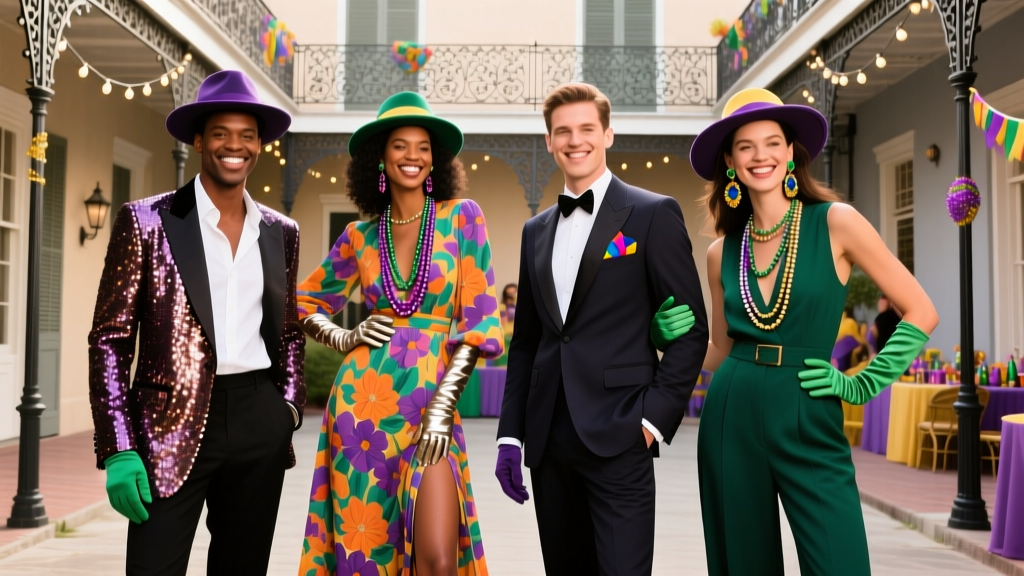 What Do You Wear for Mardi Gras Party? 7 Stress-Free Outfit Rules (No Beads Required) That Actually Get You Invited Back Next Year
 What Is the Full Moon Party Thailand? The Unfiltered Truth Behind the Myth—Safety Tips, Real Costs, Hidden Rules, and Why 2024’s Parties Are Wildly Different Than You Think
 What Is a Party Hostel? (And Why Booking the Wrong One Could Ruin Your Trip — Here’s How to Spot the Real Deal in 2024)
 What to Wear to a Holiday Party in 2024: The Stress-Free Style Formula (No More Last-Minute Panic, Awkward Outfits, or Overpacking)
 DIY Easter Crafts
 Mardi Gras Party Ideas for 2027
 Where Is the Full Moon Party Thailand? (Spoiler: It’s Not Just Koh Phangan — Here’s Exactly Where to Go, When to Book, and What NOT to Miss in 2024)
 Unique Lunar New Year Celebration Ideas
 How to Celebrate Spring Equinox on a Budget