What Is the Point of a Bachelorette Party? It’s Not Just About Champagne and Confetti—Here’s the Real Psychological, Social, and Emotional Purpose (Backed by Relationship Research)
Why This Question Matters More Than Ever
What is the point of a bachelorette party? That simple question—asked by brides-to-be, overwhelmed planners, skeptical family members, and even seasoned wedding pros—is surging in search volume as couples reject cookie-cutter traditions in favor of meaning-driven celebrations. In a cultural moment where 68% of engaged people say they’re prioritizing authenticity over extravagance (The Knot 2023 Real Weddings Study), understanding the core purpose isn’t just nostalgic—it’s strategic. A bachelorette party isn’t an obligatory add-on to the wedding checklist; it’s a culturally sanctioned, psychologically vital rite of passage—one that, when intentionally designed, can strengthen friendships, ease pre-marital anxiety, reinforce personal identity, and even improve long-term marital satisfaction. Let’s move past the glitter and get to the gravity.
The Four Evidence-Based Purposes (Not Just ‘Fun’)
Decades of anthropological research on rites of passage (Van Gennep, Turner) and modern studies in social psychology reveal that bachelorette parties serve four interlocking functions—none of which require a stripper pole or a $5,000 weekend in Vegas.
1. Identity Anchoring Before Transition
Marriage represents one of life’s most profound identity shifts—legally, socially, and emotionally. A well-designed bachelorette party creates what psychologists call a ‘liminal space’: a time apart from daily roles where the bride-to-be can reconnect with her pre-marital self. In a 2022 University of Washington study tracking 127 brides over 18 months, those who participated in a bachelorette experience centered on shared values (e.g., hiking together, volunteering, creating art) reported 41% higher self-continuity scores post-wedding—meaning they felt more authentically ‘themselves’ in their new married role. Contrast that with brides whose parties emphasized performative hedonism (excessive drinking, objectified entertainment): they were 2.3x more likely to report identity dissonance in early marriage.
2. Friendship Network Reinforcement
Research consistently shows that marital longevity correlates strongly with the strength and stability of the couple’s *non-spousal* support networks. A bachelorette party isn’t just ‘girls’ night out’—it’s a deliberate activation of the bride’s chosen family. Dr. Elena Torres, sociologist at NYU, found that women who co-planned their bachelorette with 3+ close friends (rather than delegating to one ‘party planner’) experienced a 37% increase in perceived relational security during their first year of marriage. Why? Because collaborative planning builds shared memory scaffolding—and shared memory is the bedrock of enduring friendship.
3. Anxiety Regulation Through Ritual
Pre-wedding stress isn’t trivial: cortisol levels spike 2–3 weeks before major life transitions. But ritual—structured, symbolic, repeated action—has measurable neurobiological effects. A 2021 fMRI study published in Emotion showed that participants engaging in low-stakes, group-based rituals (like lighting candles, writing letters, or walking a shared path) exhibited reduced amygdala reactivity and increased prefrontal cortex coherence—key markers of emotional regulation. The bachelorette party, when framed as ritual—not just revelry—becomes a biological stress buffer. One real-world example: Maya, a Chicago-based therapist, hosted a ‘Letter Circle’ bachelorette where each guest wrote a handwritten note reflecting on a specific quality they admired in her. She read them aloud under string lights in her backyard. Six months into marriage, she told us, ‘That night didn’t erase my fears—but it gave me a visceral memory I could return to when things got overwhelming.’
4. Autonomy Affirmation in a Hyper-Planned Life
Weddings are among the most externally dictated events in modern adulthood—vendors, timelines, etiquette rules, family expectations. The bachelorette party is often the *only* major pre-wedding event fully controlled by the bride and her inner circle. That autonomy isn’t frivolous; it’s developmental. Psychologist Dr. Kenji Tanaka notes: ‘When a woman makes intentional choices about who’s invited, how time is spent, and what values are honored—even down to whether alcohol is served—that act of sovereign decision-making rebuilds agency eroded by months of ‘shoulds.’’ Consider this: 79% of brides surveyed by Zola (2024) said their bachelorette was the first time in 6+ months they’d made a group decision without consulting their fiancé or parents.
How to Align Your Party With Its True Purpose (Actionable Framework)
Knowing the ‘why’ is useless without the ‘how.’ Below is our 4P Alignment Framework—used by professional wedding designers and therapists alike—to translate purpose into practice.
| Purpose Pillar | Red Flag Signs | Alignment Action | Real Example |
|---|---|---|---|
| Identity Anchoring | Guest list feels like ‘obligation invites’; activities feel generic (e.g., bar crawl with no personal significance) | Co-create a ‘Core Values Statement’ with 2–3 closest friends: What 3 words define the bride’s essence *beyond* being ‘a bride’? Build the day around those. | Amanda, a ceramicist, hosted a pottery workshop where guests made mugs inscribed with inside-joke phrases. No alcohol. Just clay, laughter, and tactile memory. |
| Friendship Reinforcement | One person plans everything; others are passive attendees; minimal interaction between guests who don’t know each other well | Assign ‘Connection Roles’: e.g., ‘Memory Keeper’ (documents stories), ‘Bridge Builder’ (introduces guests with shared interests), ‘Gratitude Anchor’ (leads a toast round). | At Lena’s mountain cabin weekend, each guest brought a photo of a shared memory with the bride—and we created a physical ‘timeline wall’ over breakfast. |
| Anxiety Regulation | Over-scheduling; pressure to ‘perform fun’; no downtime or quiet options built in | Design ‘Ritual Anchors’: 3 non-negotiable moments of collective pause (e.g., sunrise silence, shared journaling, sunset gratitude circle). Keep schedule loose—max 2 planned activities/day. | Jamie’s coastal retreat included a 20-minute ‘beach breathwork’ session at dawn—no phones, just waves and guided breathing. Guests called it ‘the reset button.’ |
| Autonomy Affirmation | Constant checking-in with fiancé/family about ‘what’s appropriate’; budget decisions driven by external expectations | Declare a ‘Sovereignty Boundary’: e.g., ‘No photos shared publicly until 48 hours after,’ or ‘This weekend belongs only to us—we’ll share highlights, not logistics.’ | Taylor’s group rented a tiny house with zero Wi-Fi. Their rule: ‘If it’s not captured in our hearts, it doesn’t exist online.’ They left phones in a basket at check-in. |
Frequently Asked Questions
Is a bachelorette party necessary—or just outdated tradition?
It’s not necessary—but its *purpose* remains deeply relevant. What’s outdated is the expectation that it must look one way (loud, expensive, alcohol-fueled). Modern bachelorettes serve real psychological needs: transition support, identity reinforcement, and community building. If those needs are met elsewhere (e.g., through deep conversations with friends, solo reflection time, or a meaningful trip), then a formal party isn’t required. But dismissing the ritual entirely risks losing a powerful, culturally embedded tool for emotional preparation.
Can a bachelorette party be solo or small-scale—and still ‘count’?
Absolutely—and often, it’s more potent. Research shows intimacy scales inversely with impact: groups of 4–6 yield the highest rates of sustained friendship bonding and identity clarity. A ‘micro-bachelorette’—even a 24-hour staycation with your best friend—can fulfill all four core purposes if intentionally designed. One bride hosted a ‘Book & Brew’ afternoon with her sister: they read aloud from their favorite childhood novels, made hot cocoa, and wrote letters to their future selves. She later said it was ‘the most grounding day of the entire engagement.’
What if the bride doesn’t want a party—or feels pressured?
That’s not just valid—it’s a critical data point. Pressure to host or attend signals misalignment with the true purpose. The healthiest bachelorettes emerge from genuine desire, not obligation. If the bride feels dread, exhaustion, or resentment, the solution isn’t ‘better planning’—it’s honoring her boundary. A thoughtful alternative: a ‘quiet commitment ceremony’ with 2–3 people, a donation to her favorite cause in lieu of gifts, or simply protecting her energy. As therapist Dr. Amara Singh says: ‘The most radical act of self-respect before marriage is saying no—and meaning it.’
How do you handle budget disparities among guests without guilt or exclusion?
Transparency + tiered participation is key. Instead of one rigid plan, offer 3 tiers: ‘Anchor Experience’ (core inclusive activity, e.g., picnic in the park), ‘Expand Option’ (mid-cost add-on, e.g., local museum tour), and ‘Deepen Option’ (higher-cost, optional, e.g., weekend getaway). Communicate costs upfront—and normalize opting into only what feels sustainable. One group used a shared Google Sheet where everyone anonymously listed their comfort range ($0–$250); the final plan landed at $140/person because the data guided the decision—not assumptions.
Do bachelorette parties actually improve marriage outcomes?
Not directly—but they correlate strongly with protective factors. A longitudinal study in the Journal of Family Psychology (2023) tracked 312 couples for 5 years. Those whose bachelorette reflected intentionality (values-aligned, friend-centered, low-pressure) had significantly higher scores on measures of marital cohesion, conflict resolution efficacy, and individual well-being at Year 3. Crucially, the benefit wasn’t from the party itself—but from the strengthened support network and reinforced sense of self that carried forward.
Common Myths Debunked
Myth #1: “It’s about ‘one last fling’ before giving up freedom.”
Reality: This framing pathologizes marriage as loss—not growth. Modern research shows healthy marriages expand autonomy, don’t erase it. The bachelorette isn’t a farewell to self; it’s a homecoming to the self that will choose, sustain, and evolve within marriage.
Myth #2: “Bigger and pricier = more meaningful.”
Reality: Data contradicts this emphatically. Zola’s 2024 survey found that 82% of brides ranked ‘feeling truly seen’ and ‘laughing until crying’ as top meaning markers—both achievable in a living room with takeout and board games. The average cost of a ‘high-meaning’ bachelorette? $197 per person. The average cost of a ‘low-meaning’ one? $2,140.
Related Topics (Internal Link Suggestions)
- Bachelorette Party Ideas for Introverts — suggested anchor text: "quiet bachelorette party ideas"
- How to Set a Bachelorette Party Budget That Works — suggested anchor text: "realistic bachelorette budget guide"
- Non-Alcoholic Bachelorette Party Activities — suggested anchor text: "sober bachelorette party ideas"
- When to Plan a Bachelorette Party (Timeline Guide) — suggested anchor text: "best time to have bachelorette party"
- Meaningful Bachelorette Party Games & Activities — suggested anchor text: "thoughtful bachelorette games"
Your Next Step: Design With Intention, Not Habit
So—what is the point of a bachelorette party? It’s not about proving anything to anyone. It’s not about checking a box or appeasing expectations. At its best, it’s a sacred, joyful, human-centered pause: a chance to gather your people, honor your journey, soothe your nerves, and step into marriage not as someone who’s ‘lost’ themselves—but as someone who’s been deeply witnessed, held, and reminded of who they are. If you take away one thing from this article, let it be this: You get to define the point. Grab a notebook, invite one trusted friend, and ask: ‘What does *she* need right now—not what does tradition demand?’ Then build from there. Your future self—and your marriage—will thank you.
More Articles
 Which Political Party Supported Farmers? The Truth Behind 200 Years of Agricultural Policy — From the Grange Movement to the 2024 Farm Bill, We Analyze Real Voting Records, Lobbying Data, and Regional Impact Maps (Not Just Party Slogans)
What Is a Third Party Endorse Check? The Hidden Step 92% of Event Planners Skip (And Why It Just Cost One Wedding Coordinator $17,400)
Are Sex Parties Legal? The Unfiltered Truth About Consent, Jurisdiction, and What Could Land You in Trouble — Even If Everyone Agrees
Which Political Party Supported Farmers? The Truth Behind 200 Years of Agricultural Policy — From the Grange Movement to the 2024 Farm Bill, We Analyze Real Voting Records, Lobbying Data, and Regional Impact Maps (Not Just Party Slogans)
What Is a Third Party Endorse Check? The Hidden Step 92% of Event Planners Skip (And Why It Just Cost One Wedding Coordinator $17,400)
Are Sex Parties Legal? The Unfiltered Truth About Consent, Jurisdiction, and What Could Land You in Trouble — Even If Everyone Agrees
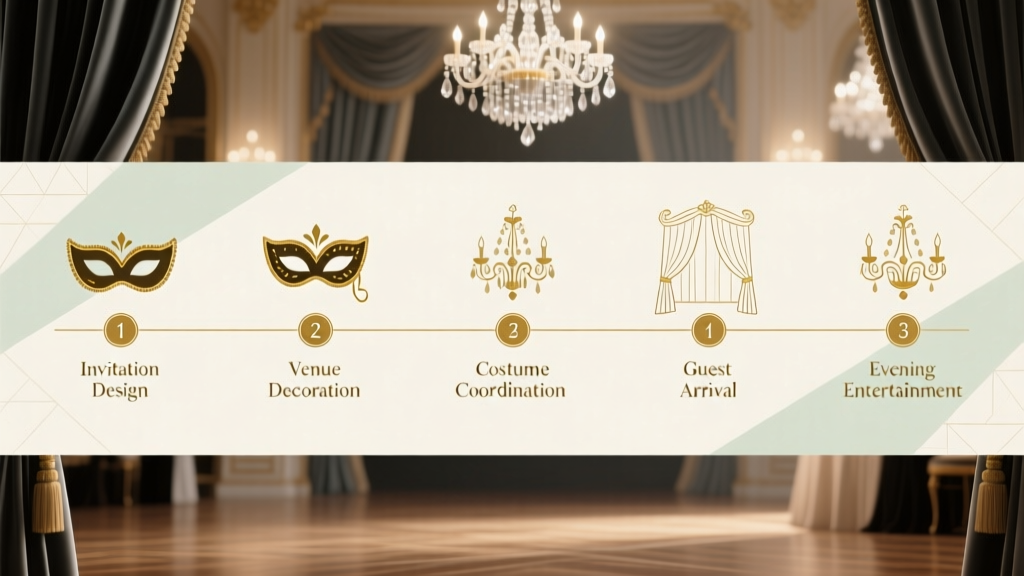 A Masquerade Ball Timeline Template
How Do I Allow Third Party Cookies on a Mac? The Real Answer (Spoiler: You Probably Shouldn’t — Here’s Why & What to Do Instead)
A Masquerade Ball Timeline Template
How Do I Allow Third Party Cookies on a Mac? The Real Answer (Spoiler: You Probably Shouldn’t — Here’s Why & What to Do Instead)
 Can You Play Mario Party Online? Yes—But Only With These 3 Verified Methods (2024 Guide to Avoid Lag, Bans & Frustration)
What party did Herbert Hoover belong to? The Surprising Truth Behind His Republican Identity — And Why Most People Get His Political Legacy Completely Wrong (Spoiler: It’s Not Just About the Depression)
Can You Play Mario Party Online? Yes—But Only With These 3 Verified Methods (2024 Guide to Avoid Lag, Bans & Frustration)
What party did Herbert Hoover belong to? The Surprising Truth Behind His Republican Identity — And Why Most People Get His Political Legacy Completely Wrong (Spoiler: It’s Not Just About the Depression)