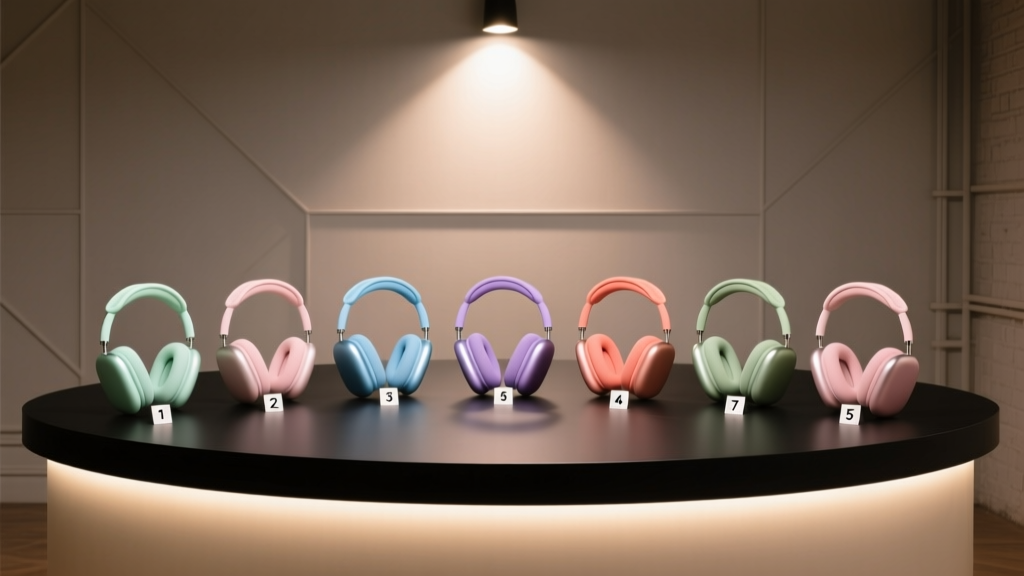
Top 7 Tips for a Silent Disco
A silent disco looks effortless from the outside: guests dancing, three music channels, and a room buzzing with energy. Behind the scenes, it’s a highly coordinated event that blends audio logistics, guest experience design, and venue management. The difference between “best party all year” and “why are half the headphones dead?” usually comes down to planning.
Silent discos are also trending across weddings, corporate events, community fundraisers, and nightlife because they solve modern event planning challenges: noise restrictions, mixed music tastes, multi-generational guest lists, and flexible space use. With the right strategy, you can deliver a high-impact party experience without overwhelming your venue—or your budget.
This guide breaks down the top seven tips for planning a silent disco, plus a step-by-step timeline, budget considerations, vendor selection advice, common mistakes to avoid, and a practical checklist you can reuse for future events.
Tip #1: Choose the Right Venue (and Confirm Sound & Space Details Early)
A silent disco still needs a great physical environment: room for dancing, clear entry/exit flow, and an easy way for guests to pick up and return headphones. Venue selection should start with a site walkthrough and a few key questions that protect your event plan.
Venue requirements checklist
- Capacity and layout: Confirm max occupancy and designate zones (check-in, dance floor, lounge, bar/refreshments, headphone distribution, returns).
- Lighting control: Dimmable lights or the ability to add dance lighting improves energy and photos.
- Power availability: Identify outlet locations for DJ gear, transmitter stations, lighting, and charging stations.
- Noise restrictions: Silent discos reduce noise complaints, but crowds still create sound. Confirm quiet hours, door policies, and security expectations.
- Wi-Fi/cell reception: Helpful for mobile ticketing, check-in apps, and staff communication.
- Accessibility: Ensure ADA-compliant access, seating areas, and clear pathways.
Real-world example
A community center with strict quiet hours can become a high-energy dance party by closing exterior doors after check-in, adding soft-close door signage, and placing the dance floor away from walls shared with neighbors. Pair that with a lounge space for breaks and you’ll keep the vibe up while keeping noise down.
Tip #2: Lock in Your Headphone Strategy (Quantity, Channels, and Backup Plans)
Your headphones are the “venue sound system” for a silent disco. Building the right headphone plan is one of the most important event coordination steps you’ll take.
How many headphones do you need?
- Base quantity: Plan for 90–100% of guest count if it’s a ticketed dance-focused event.
- Buffer: Add 10–15% extra for dead batteries, lost units, or last-minute attendees.
- Kid-friendly sizes: If family attendees are expected, confirm adjustable headbands and volume limit options.
Channel planning (the “3 DJ” decision)
Most silent discos run 2–3 music channels. Three channels creates a more dynamic guest experience and reduces “music complaints,” but it can increase DJ fees and coordination.
- Two channels: Great for smaller events (under 75 guests) or tighter budgets.
- Three channels: Ideal for weddings, corporate parties, and mixed-age events.
Operational backup plan
- Request a charging/rotation plan from your vendor (or create one with labeled charging bins).
- Have a swap station so staff can exchange malfunctioning headphones in under 30 seconds.
- Confirm on-site support or a dedicated troubleshooting contact.
Tip #3: Build a DJ Lineup That Matches Your Crowd (and Your Event Goals)
A silent disco succeeds when guests keep switching channels and staying engaged. That requires DJs who understand pacing, crowd reading, and genre transitions—not just a good playlist.
DJ booking tips
- Ask for sample sets by genre and event type (wedding, corporate, club).
- Confirm “handoff moments” (planned peaks) so channels don’t all hit slow songs at once.
- Define your must-plays and do-not-plays to avoid awkward moments.
- Assign channel identities: Example: Channel 1 = throwbacks, Channel 2 = current hits/EDM, Channel 3 = hip-hop/R&B.
Trend to leverage: personalized music experiences
Event planning trends are moving toward customization—silent disco delivers that instantly. Add signage like “Choose Your Mood” with channel descriptions and suggested moments (e.g., “Switch to Blue for sing-alongs at 10:30”).
Tip #4: Design the Guest Experience (Check-In, Instructions, and Flow)
Even the best gear can fall flat if guests are confused. A silent disco needs clear, friendly guidance—especially in the first 10 minutes.
Check-in and headphone distribution plan
- Welcome & verify entry: Ticket scan or guest list check.
- Collect deposit/hold: Options include a card hold, cash deposit, ID hold (only if appropriate), or a barcode tracking system.
- Hand out headphones: Give a 10-second demo: power, volume, and channel switch.
- Direct to the dance floor: A staff member points guests toward the action.
Signage that prevents questions (and lines)
- “Step 1: Turn On” / “Step 2: Pick a Color Channel” / “Step 3: Adjust Volume”
- “Need Help? Go to the Headphone Swap Station”
- “Return Headphones Here for Deposit Back”
Real-world example: reducing bottlenecks
For a 200-person corporate party, set up two distribution stations and one return station. Label them clearly and assign one “floater” staff member to roam and solve issues. This approach keeps lines short and protects the dance floor energy.
Tip #5: Plan Lighting, Photo Moments, and Ambiance (Silent Doesn’t Mean Subtle)
Silent disco visuals matter because guests are “wearing the event.” Strong lighting and atmosphere elevate the party and improve content capture—especially important now that shareable moments drive event buzz.
Ambiance upgrades that work well for silent discos
- Dance lighting package: Wash lights, moving heads, or simple uplighting for mood.
- Glow elements: LED foam sticks, glow bracelets, or neon signage that matches channel colors.
- Photo area: Branded step-and-repeat, balloon install, or a simple backdrop with good lighting.
- Micro-moments: A “switch songs now” countdown, confetti moment (venue permitting), or a planned sing-along window.
Coordination tip
Assign one staff member to manage “moment timing” with DJs (e.g., 10:15 peak, 11:00 group photo, 11:30 last call). It’s a proven event coordination strategy that keeps your party feeling intentional rather than random.
Tip #6: Use a Planning Timeline (With a Day-Of Run of Show)
Silent disco logistics involve multiple vendors and moving pieces. A timeline reduces last-minute decisions and helps everyone stay aligned.
6–8 weeks before (or earlier for peak season)
- Confirm event goals, guest count, and event format (ticketed, private, wedding afterparty, corporate mixer).
- Book the venue and confirm restrictions (hours, security, load-in/out, insurance).
- Request quotes and reserve a silent disco headphone vendor.
- Book DJs (or confirm vendor-provided DJs) and assign channel themes.
- Outline your preliminary budget (see budget section below).
4 weeks before
- Finalize floor plan and guest flow zones (check-in, distribution, returns, dance, lounge).
- Confirm lighting needs and book rentals if needed.
- Plan staffing: check-in staff, headphone station attendants, event lead, security if required.
- Create a communications plan: staff group chat, vendor contact list, emergency plan.
2 weeks before
- Confirm headphone count + buffer and deposit/return process.
- Review DJ playlists, must-plays/do-not-plays, and any announcements.
- Order signage, wristbands, and any branded assets.
- Finalize the run of show (RoS) with set-up and peak moments.
48–72 hours before
- Reconfirm vendor arrival times and load-in instructions.
- Print checklists and station signage.
- Prepare a “problem kit” (tape, markers, zip ties, power strips, extension cords, label maker, sanitizer wipes).
- Share the RoS and contact sheet with all staff and vendors.
Day-of run of show template (sample)
- T-3:00 Venue access + layout taping + station setup
- T-2:15 Vendor load-in (DJs/headphone provider/lighting)
- T-1:30 Sound/channel test + lighting test
- T-1:00 Staff briefing (roles, troubleshooting, deposit policy)
- T-0:30 Doors prep + signage placed
- T-0:00 Guest arrival + headphone distribution begins
- T+1:00 First planned “peak” moment
- T+2:30 Last call / final music push
- T+3:00 Event ends + headphone returns + strike
Silent disco planning checklist (quick copy/paste)
- Venue contract + insurance confirmed
- Headphone vendor booked + quantity finalized + buffer added
- DJs booked + channel themes assigned
- Floor plan + traffic flow finalized
- Deposit/return system decided
- Signage designed and printed
- Lighting plan confirmed
- Staff roles assigned + contact sheet shared
- Run of show completed
- Problem kit packed
Tip #7: Budget Smartly and Choose Vendors Like a Pro
Budgeting for a silent disco is straightforward once you separate “must-haves” from “nice-to-haves.” Focus first on audio reliability, then guest experience enhancements.
Typical silent disco budget breakdown (example for 150 guests)
- Headphone rental (150–170 units): 35–50% of budget
- DJs (2–3) or DJ package: 20–35%
- Lighting & ambiance: 10–20%
- Staffing (check-in, attendants): 5–15%
- Signage/printing/wristbands: 2–5%
- Contingency: 5–10%
Vendor selection tips (questions to ask)
- What’s included? Transmitters, chargers, spare batteries, setup support, delivery/pickup.
- How do you handle failures? On-site tech, spare units, swap process.
- What’s your range and interference plan? Especially important for outdoor events or multi-room venues.
- What’s the deposit/loss policy? Get it in writing; align it with your guest policy.
- Can you provide staffing? A staffed vendor can reduce your workload and risk.
Money-saving strategies that don’t hurt the experience
- Use two channels instead of three for smaller crowds.
- Prioritize good lighting over expensive decor; it transforms the space quickly.
- Limit rentals by using the venue’s existing lounge furniture and focusing on a single “wow” area (photo corner or LED sign).
Common Silent Disco Planning Mistakes to Avoid
- Under-ordering headphones: Nothing slows momentum like a waitlist. Add a buffer.
- No clear deposit/return process: Lost equipment can destroy your budget. Use wristbands, tracking, or a staffed return station.
- Skipping a channel test: Always test every channel and headphone batch before doors open.
- Ignoring venue acoustics and crowd noise: Silent doesn’t mean quiet; plan for door control and neighbor-facing walls.
- Not staffing the swap station: Guests won’t leave the dance floor to troubleshoot—bring support to them.
- Uncoordinated DJ pacing: If all channels go slow at once, energy drops fast. Plan peaks.
FAQ: Silent Disco Event Planning
1) How does a silent disco work?
Guests wear wireless headphones that receive audio from transmitters. Each transmitter corresponds to a channel (often color-coded). Guests switch channels on their headphones and control their own volume.
2) Do I need one DJ or multiple DJs?
You can run a silent disco with one DJ and multiple channel mixes, but most events use two or three DJs for variety and better crowd engagement. For weddings and corporate events with diverse tastes, three channels is a strong choice.
3) What should I do about headphone deposits?
Choose a method that fits your audience: credit card hold (fast and secure), a ticketing/barcode system, or a refundable cash deposit. Make the policy visible at check-in and at the return station to reduce confusion.
4) Can a silent disco work outdoors?
Yes, and it’s a popular option for noise-sensitive neighborhoods. Confirm transmitter range, plan weather protection for equipment, and create clear lighting so guests can see channel colors and navigate safely.
5) How do I keep energy high if guests can’t hear the room music?
Use lighting, a strong DJ pacing plan, and visible “moment cues” (countdowns, LED signage, scheduled peak songs). Also include a lounge area so guests can take breaks without leaving the event entirely.
6) What staffing do I need for smooth coordination?
At minimum: one event lead, one check-in person, and one headphone station attendant for smaller events. For 150+ guests, add a floater/troubleshooter and consider dedicated return station staff to speed up exit.
Next Steps: Turn These Tips into Your Event Plan
Start by confirming your guest count, venue restrictions, and your headphone strategy—those three decisions shape every other part of the plan. Then build your timeline, book vendors early (especially during peak event season), and create a clear run of show so your team can execute confidently.
If you’re ready to keep planning, explore more step-by-step event planning guides, party organization checklists, and coordination tips on smartpartyprep.com.
More Articles
 What Is the Third Party in Politics? You’re Probably Confusing ‘Third Party’ With ‘Independent Candidate’ — Here’s the Real Definition, Why They Rarely Win, and How They’ve Changed U.S. Elections Since 1832
 How to Choose a Theme for a Trade Show Booth
 What Is a Two Party System? The Truth Behind Why America Feels Stuck — And How It’s Not Inevitable (Spoiler: Most Democracies Don’t Use It)
 Can I Join PlayStation Party on PC? The Truth About Cross-Platform Voice Chat in 2024 (Spoiler: It’s Possible—But Not Native)
Is FGCU a party school? The truth behind the rumors—and what current students *actually* say about campus life, Greek life, weekend energy, and how it compares to top Florida party schools like UF and FSU.
Is University of Oregon a Party School? The Truth Behind the Reputation — What Freshmen *Actually* Experience, How Greek Life Really Works, and Why 'Party School' Labels Miss the Full Picture (2024 Data)
What Are Good Appetizers for a Party? 17 Stress-Tested, Crowd-Pleasing Options (With Prep Times, Make-Ahead Tips & Dietary Swaps You’ll Actually Use)
Where to Have First Birthday Party: 7 Real-World Venue Options (With Cost Breakdowns, Hidden Pitfalls, and Age-Appropriate Safety Checks You’re Missing)
Can I Join PlayStation Party on PC? The Truth About Cross-Platform Voice Chat in 2024 (Spoiler: It’s Possible—But Not Native)
Is FGCU a party school? The truth behind the rumors—and what current students *actually* say about campus life, Greek life, weekend energy, and how it compares to top Florida party schools like UF and FSU.
Is University of Oregon a Party School? The Truth Behind the Reputation — What Freshmen *Actually* Experience, How Greek Life Really Works, and Why 'Party School' Labels Miss the Full Picture (2024 Data)
What Are Good Appetizers for a Party? 17 Stress-Tested, Crowd-Pleasing Options (With Prep Times, Make-Ahead Tips & Dietary Swaps You’ll Actually Use)
Where to Have First Birthday Party: 7 Real-World Venue Options (With Cost Breakdowns, Hidden Pitfalls, and Age-Appropriate Safety Checks You’re Missing)
 12 Fresh & Foolproof May Party Themes You Haven’t Overlooked (Because Most People Skip the Weather, Timing, and Guest Energy—Here’s How to Nail All Three)
Stop Guessing Who’s in Your Inbox: A 7-Step Framework to Use First Party Data for Email Marketing That Actually Converts—No Third-Party Cookies, No Guesswork, Just Real People, Real Results
12 Fresh & Foolproof May Party Themes You Haven’t Overlooked (Because Most People Skip the Weather, Timing, and Guest Energy—Here’s How to Nail All Three)
Stop Guessing Who’s in Your Inbox: A 7-Step Framework to Use First Party Data for Email Marketing That Actually Converts—No Third-Party Cookies, No Guesswork, Just Real People, Real Results