Top 7 Tips for a Brunch Event
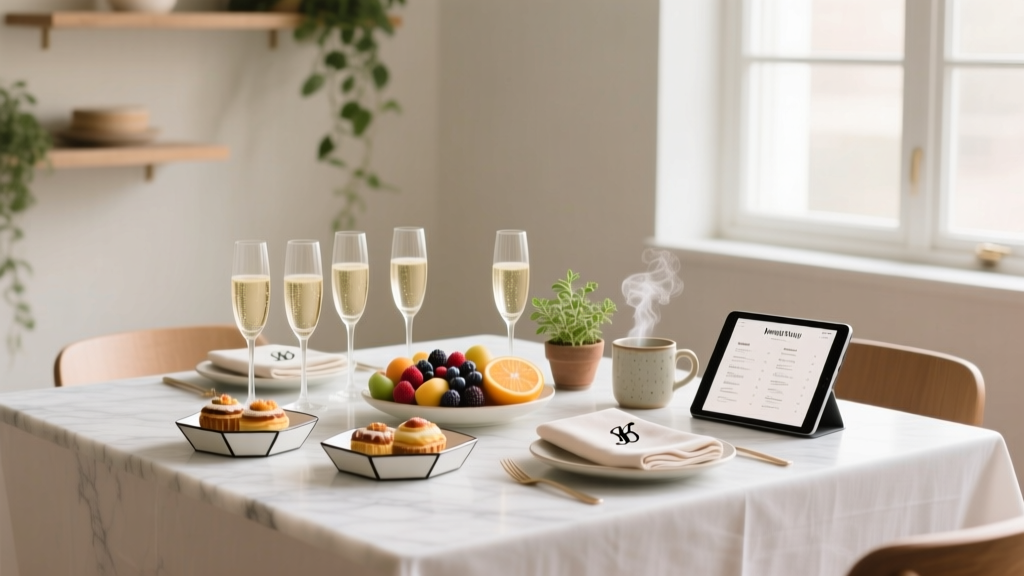
Brunch events look effortless when done well—sunlight streaming in, a relaxed menu, guests mingling with coffee in hand. Behind that ease is a clear plan. Brunch sits in a unique “sweet spot” between breakfast and lunch, which means guests arrive with different expectations: some want a hearty meal, others expect light bites, and nearly everyone expects great coffee and a welcoming vibe.
Proper planning matters because brunch timing is less forgiving than an evening party. Food needs to land fresh within a tighter service window, beverages need to be ready immediately, and your setup must be complete before guests arrive (no “finishing touches” during peak coffee rush). With a smart event planning timeline, a practical budget, and a few coordination strategies, you can host a brunch that feels elevated without becoming complicated.
This guide breaks down seven expert tips, plus a step-by-step timeline, checklists, budget considerations, vendor selection advice, and real-world examples—so you can organize a brunch event confidently, whether it’s a bridal shower, birthday brunch, corporate mixer, baby shower, or friends-and-family celebration.
Tip 1: Define the Brunch Style, Guest Count, and Flow
Before you pick a menu or order décor, lock in the “shape” of your event. The fastest way to overspend or overcomplicate is planning without a clear format.
Choose a brunch format
- Sit-down meal: Best for 12–30 guests, more formal, higher staffing needs.
- Buffet / self-serve stations: Ideal for 20–60 guests, efficient, crowd-pleasing.
- Open-house brunch: Guests drop in within a time window (example: 10:00 a.m.–1:00 p.m.). Great for larger groups and casual gatherings.
- Brunch + activity: Pair with a shower game, mini workshop (floral arranging), photo moment, or short program for corporate events.
Map the guest flow (quick planning exercise)
- Arrival: Where do guests enter, hang coats/bags, and find name tags?
- First touch: Coffee/welcome drink within 2 minutes of arrival.
- Food line: Keep traffic moving (one-sided buffet, labeled items, plates at the start).
- Seating: A mix of seated dining + a few standing cocktail tables helps conversation.
- Finale: Dessert/coffee refill moment + optional thank-you toast.
Real-world example: For a 35-guest bridal shower in a backyard, a buffet plus two drink stations (coffee + mocktail/mimosa) prevents bottlenecks and keeps guests mingling rather than waiting in line.
Tip 2: Set a Realistic Budget (Then Allocate by Priority)
Brunch can be cost-friendly, but small upgrades add up quickly—pastries, florals, rentals, and beverage extras. Start with a total number and divide it into categories. This keeps your event budget aligned with your must-haves.
Sample brunch event budget breakdown
Use this as a starting point and adjust based on your priorities:
- Food & beverage: 45–55%
- Venue (if rented): 10–25%
- Rentals (tables, chairs, linens, dishware): 8–15%
- Décor & florals: 5–12%
- Staffing (server, barista, bartender, cleanup): 5–15%
- Entertainment / activities: 0–8%
- Photography: 0–15%
- Contingency: 5–10%
Cost-control strategies that still feel premium
- Choose one “hero” item: a stunning pastry tower, a waffle bar, or a seasonal floral runner—then keep everything else clean and simple.
- Batch beverages: iced coffee, tea, and one signature drink reduce staffing time.
- Use seasonal ingredients: berries in season, citrus in winter, stone fruit in summer.
- Limit proteins: offer one main protein (bacon or sausage) plus vegetarian options.
Vendor tip: When comparing caterers or cafés, ask for an all-in per-person cost (including serviceware, delivery, setup, staffing, taxes/fees). That’s where brunch budgets often break.
Tip 3: Design a Brunch Menu That Balances Light + Hearty
The best brunch menus offer variety without becoming a logistics puzzle. Aim for a balance: something egg-based, something bready, something fresh, and something sweet—plus a few dietary-friendly options.
Simple menu framework (works for most brunch events)
- 1–2 mains: frittata trays, breakfast tacos, quiche, chicken & waffles bites
- 2 sides: roasted potatoes, mixed greens, fruit platter
- 1 bread/pastry set: croissants, muffins, bagels, cinnamon rolls
- 1 sweet finish: mini tarts, donut wall, parfait cups
Dietary planning checklist
- Plan at least one vegetarian main (like veggie frittata).
- Offer gluten-friendly options (fruit, yogurt parfaits, egg dishes without crust).
- Include dairy-free milk options for coffee (oat + almond are most popular).
- Label buffet items clearly (a small sign card per dish).
Trend watch: Interactive “mini stations” are popular because they feel customized without a full chef action station. Examples: yogurt parfait bar, bagel board with spreads, or a toppings station for waffles/pancakes.
Tip 4: Get Coffee, Ice, and Glassware Right (Brunch’s Make-or-Break Details)
Brunch guests notice beverages immediately. Your event coordination plan should treat coffee and cold drinks as core infrastructure, not an afterthought.
Practical beverage planning rules
- Coffee: plan 1–2 cups per person (more for morning business events).
- Water: 1 bottle/can per person, or 1 large dispenser per 15–20 guests.
- Ice: more than you think—especially for outdoor or summer brunches.
- Glassware: for mimosas/spritz drinks, consider renting or using durable acrylic to reduce breakage.
Two-station beverage setup (efficient and polished)
- Hot station: coffee, tea, sweeteners, stirrers, cups/lids (if needed), napkins
- Cold station: water dispenser, juice, signature drink, ice bucket, cups, garnish tray
Real-world example: For a 50-guest birthday brunch, placing coffee near seating and mimosas near the entry reduced crowding at the buffet and improved the flow within the first 20 minutes.
Tip 5: Create a “Brunch-Ready” Setup Plan (Layout, Rentals, and Décor)
Brunch décor is most impactful when it’s light, clean, and consistent. Think fresh color palettes, natural textures, and a few intentional focal points.
Layout essentials for a smooth brunch event
- Buffet table: at least 6–8 feet for 20–30 guests; 8–12 feet for larger groups
- Plates first: then napkins/flatware, then food, then condiments at the end
- Trash and compost: visible but discreet (behind a screen or near the kitchen)
- Photo moment: a simple backdrop, balloon garland, or branded sign (especially for showers and corporate brunches)
Rental selection tips
- Prioritize chairs and linens if you need the space to look elevated quickly.
- Rent what you can’t substitute: extra chairs, large coffee urns, serving trays, chafers (if hot holding is needed).
- Confirm delivery windows and who is responsible for setup/teardown in writing.
Trend watch: Mixed seating (a long communal table + a few smaller rounds) feels modern and encourages conversation. Pair with bud vases and citrus or herb accents for a fresh brunch aesthetic.
Tip 6: Use a Step-by-Step Planning Timeline (So Nothing Falls Through the Cracks)
A brunch event planning timeline keeps your decisions in the right order. You’ll move faster, reduce last-minute costs, and coordinate vendors more smoothly.
4–6 weeks before: foundation
- Set event goals (celebration, networking, shower program, etc.) and confirm the host team
- Choose date/time (typical: 10:00 a.m.–1:00 p.m.) and secure venue/home location
- Create guest list and collect key dietary needs
- Book key vendors: caterer/restaurant pickup, rental company, photographer (optional)
- Pick theme/color palette and your “hero” moment (menu item, décor feature, or activity)
- Draft budget and category limits
2–3 weeks before: details and confirmations
- Send invitations and request RSVPs by a firm deadline
- Finalize menu and beverage plan
- Confirm rentals and quantities (tables, chairs, linens, dishware)
- Plan layout sketch: buffet placement, seating zones, drink stations
- Create signage list (menu cards, dietary labels, bar sign, welcome sign)
- If outdoors: reserve tent/umbrella options and define your weather backup plan
7–10 days before: lock it in
- Confirm headcount based on RSVPs; follow up with non-responders
- Share final counts and timeline with vendors
- Build a shopping list for décor, paper goods, ice, garnishes, and coffee add-ins
- Create a run-of-show schedule (setup, guest arrival, food service, any toasts, cleanup)
2–3 days before: prep
- Purchase non-perishables, beverages, and décor supplies
- Print or write signage and place cards (if used)
- Prep playlists, extension cords, and lighting (if needed)
- Confirm vendor arrival times and parking/load-in instructions
Event day: execution checklist
- 3–4 hours before: set tables/chairs, linens, and décor basics
- 2 hours before: set drink stations (coffee brewing/urns ready), chill beverages
- 60–90 minutes before: set buffet with labeled dishes; place plates/flatware
- 30 minutes before: final wipe-down, turn on music, test any microphones
- Guest arrival: greet, direct to beverages, keep buffet covered until service time
- During event: assign one person to monitor coffee, ice, and trash
- After: pack leftovers safely, rentals staged for pickup, quick sweep/reset
Tip 7: Assign Roles and Build a Simple Coordination System
Even a small brunch runs better when responsibilities are clear. The host shouldn’t be the only person solving problems.
Suggested roles (even if your “team” is two people)
- Point person: handles vendor texts/calls and timeline decisions
- Food lead: receives catering, manages buffet replenishment and food safety
- Beverage lead: coffee, ice, water, and signature drinks restock
- Guest lead: greets arrivals, directs gifts/cards, helps with seating
- Cleanup lead: trash, packing leftovers, staging rentals
Pro organizational strategy: one-page “event sheet”
- Vendor contacts + arrival times
- Event address + parking instructions
- Run-of-show schedule
- Layout sketch/photo
- Backup plan (weather, late vendor, power outage)
Real-world example: For a corporate brunch networking event, assigning one staff member to refresh coffee every 15 minutes and another to reset the pastry board kept the space looking polished without interrupting conversations.
Common Brunch Planning Mistakes (and How to Avoid Them)
- Underestimating coffee and ice: Add a buffer and stage extra in a cooler.
- Starting setup too late: Brunch begins earlier; aim to be guest-ready 30 minutes before arrival.
- Creating a menu that can’t hold: Eggs, pancakes, and fried items degrade fast—use trays in smaller batches or choose items that stay great (frittatas, quiche, pastries).
- One crowded station: Separate coffee, water, and alcohol from the buffet to prevent traffic jams.
- No labeling for dietary needs: A simple label card prevents guest confusion and repeated questions.
- Forgetting sound and lighting: Daytime events still need ambiance—soft background music and consistent lighting make photos and mood better.
- Skipping a contingency plan: For outdoor brunches, plan shade, fans, heaters, or a rain move-in location.
Quick Brunch Event Checklist (Copy and Use)
- Core details: date/time, location, guest count, RSVP deadline
- Vendors: food, rentals, bartender/barista (optional), photographer (optional)
- Menu: mains, sides, pastries, dessert, dietary options
- Beverages: coffee, tea, water, juice, signature drink, ice, garnishes
- Setup: buffet plan, drink stations, seating layout, signage
- Supplies: plates, flatware, napkins, cups, serving utensils, trash bags, sanitizing wipes
- Experience: music, photo moment, activity/program (if any)
- Day-of: roles assigned, run-of-show printed, vendor contacts ready
FAQ: Brunch Event Planning
How long should a brunch event last?
Most brunch events run 2.5–3 hours. For open-house style, a 3-hour window works well so guests can arrive flexibly without feeling rushed.
What time should I start serving food?
Plan beverages at arrival, then serve food 15–30 minutes after the start time. This gives guests time to greet, grab coffee, and settle in—then the buffet line moves smoothly.
How much food should I order per person?
For a typical brunch buffet, plan 1 main portion + 2 sides + pastries per guest. If your crowd loves brunch or you’re serving alcohol, add a little extra (about 10%). When using a caterer, ask for their per-person recommendation based on your menu.
Should I hire staff for a brunch at home?
If you have 25+ guests, consider at least one helper for beverage refills and trash/cleanup. For 40+ guests, a server or two (or a staffing service) keeps the host present and prevents the kitchen from becoming a bottleneck.
What are the best vendor options for brunch catering?
Great brunch vendors include local cafés, breakfast restaurants that offer catering trays, and full-service caterers. Choose based on your needs: pickup trays are budget-friendly, while full-service catering is best when you want staffing, rentals coordination, and buffet setup included.
What’s a simple theme idea that looks high-end?
Try a seasonal market brunch: neutral linens, fresh greenery, citrus accents, and a clean menu board. It photographs beautifully and keeps décor costs controlled.
Next Steps: Plan Your Brunch Like a Pro
Start by choosing your brunch format, setting a realistic budget, and building your timeline. Then focus on the high-impact elements that guests remember: a balanced menu, a smooth beverage setup, and a layout that keeps people moving and comfortable. Print your checklist, assign roles, and lock in vendor details early—those steps create the calm, welcoming feel that brunch events are known for.
For more practical event planning tips, party organization checklists, and coordination guides, explore the latest resources on smartpartyprep.com.
More Articles
 What Is the Chinese Communist Party? A Clear, Fact-Based Guide to Its History, Structure, and Role in Modern China — No Jargon, No Agenda, Just Context You Can Trust
How to Have a Housewarming Party Without Stress, Overspending, or Awkward Silences: A Realistic 7-Step Guide That Actually Works (Even for First-Time Hosts)
What Is the Chinese Communist Party? A Clear, Fact-Based Guide to Its History, Structure, and Role in Modern China — No Jargon, No Agenda, Just Context You Can Trust
How to Have a Housewarming Party Without Stress, Overspending, or Awkward Silences: A Realistic 7-Step Guide That Actually Works (Even for First-Time Hosts)
 a Trade Show Booth Decor Ideas That Wow
Is Transparent Labs Third Party Tested? We Investigated Every Certificate, Lab Report, and Ingredient Disclosure — Here’s What Independent Testing *Actually* Reveals (Not Just Marketing Claims)
How Long to Bake Party Wings at 350°F? The Exact Timing Formula That Prevents Dry, Soggy, or Undercooked Wings — Even When You’re Hosting 25 Guests
What Do You Get Someone for a Retirement Party? 7 Thoughtful, Budget-Savvy Gifts That Actually Feel Personal (Not Just 'Nice Try')
a Trade Show Booth Decor Ideas That Wow
Is Transparent Labs Third Party Tested? We Investigated Every Certificate, Lab Report, and Ingredient Disclosure — Here’s What Independent Testing *Actually* Reveals (Not Just Marketing Claims)
How Long to Bake Party Wings at 350°F? The Exact Timing Formula That Prevents Dry, Soggy, or Undercooked Wings — Even When You’re Hosting 25 Guests
What Do You Get Someone for a Retirement Party? 7 Thoughtful, Budget-Savvy Gifts That Actually Feel Personal (Not Just 'Nice Try')