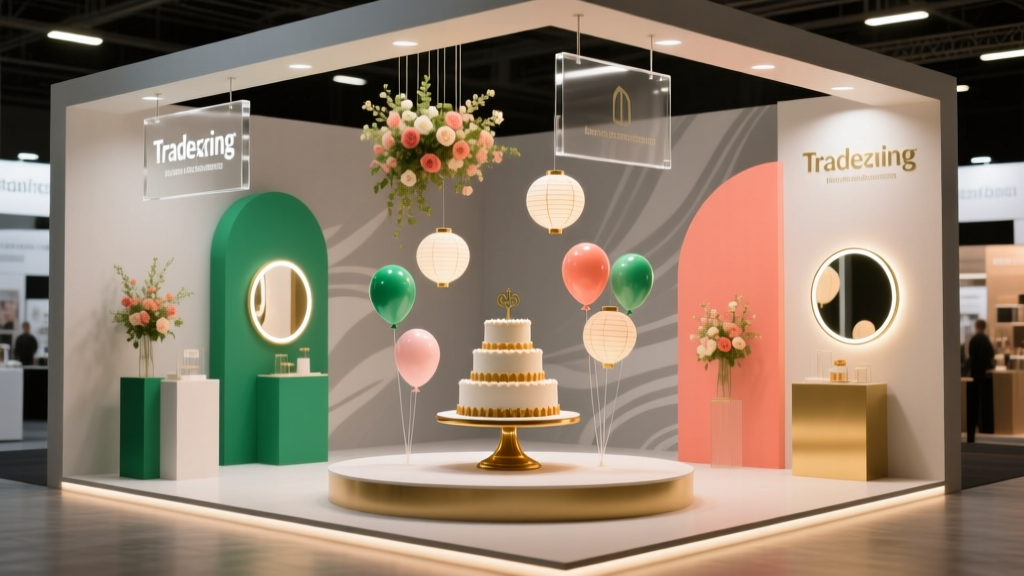
a Trade Show Booth Decor Ideas That Wow
Trade shows move fast. Attendees make snap judgments as they scan aisles filled with competing brands, flashing signage, and busy conversations. Your booth decor isn’t just “pretty”—it’s a strategic tool that influences foot traffic, lead quality, and how memorable your brand feels long after the show floor closes.
Proper planning matters because trade show booth design is a mix of event planning, brand storytelling, logistics, and guest experience. When decor is planned early, you avoid last-minute shipping costs, missing hardware, or a booth that looks great on a mockup but blocks conversations in real life. With a clear timeline, a realistic budget, and vendor coordination, your booth becomes a welcoming, high-performing space—one that supports your team and your goals.
This guide shares practical, step-by-step trade show booth decor ideas that wow, plus planning timelines, budget breakdowns, vendor tips, and common mistakes to avoid—so your booth looks cohesive, functions smoothly, and converts attention into meetings and leads.
Start With a Booth Decor Strategy (Before You Pick Colors)
Define the goal of your booth experience
Effective trade show planning begins with defining what “success” means. Your decor should reinforce that goal.
- Brand awareness: bold signage, high-contrast graphics, strong lighting, photo moments
- Lead generation: open entry points, clear call-to-action messaging, demo stations, simple giveaways
- Product education: structured demo areas, interactive displays, comparison charts, screen content loops
- Relationship building: lounge seating, semi-private meeting space, hospitality elements
Know the “five-second story”
Attendees should understand who you are and why they should stop—within five seconds. Create a short booth message framework:
- What you do (category)
- Who you help (audience)
- Result you deliver (benefit)
- Next action (scan, demo, book a meeting)
Design around traffic flow
One of the most proven event coordination strategies is planning for movement. Avoid creating a “wall” at the aisle.
- Keep the front corners open and inviting.
- Place your strongest message at eye level, facing the main aisle.
- Position interactive elements within 6–10 feet of the aisle to pull people in.
- Create at least one natural “pause point” for quick chats without blocking entry.
Trade Show Booth Decor Ideas That Consistently Wow
1) Statement back wall: clean, tall, and readable
Trendy booth decor is moving toward clean visuals with strong typography instead of cluttered messaging. A statement back wall can be fabric tension, modular panels, or a custom build.
- Use one bold headline and one supporting line.
- Choose high contrast (dark text on light or vice versa).
- Include a simple URL or QR code only if it’s large enough to scan.
Real-world example: A SaaS brand replaced a text-heavy wall with a single benefit statement (“Cut onboarding time by 40%”) and added a 20-second demo loop. They reported more qualified conversations because attendees self-selected based on a clear outcome.
2) Layered lighting (the fastest way to look premium)
Lighting is an underrated booth design upgrade and a current trend in trade show coordination. Layering light makes even simple decor look intentional.
- Ambient: soft overhead lighting to avoid shadows
- Accent: spotlights on products, signage, or hero features
- Decorative: LED edge lighting, backlit counters, glowing columns
Tip: Test your graphics under bright, cool lighting—colors can shift significantly on show floors.
3) Interactive demo zones (hands-on beats passive)
Interactive elements are among the strongest event planning trends because they increase dwell time. Keep it simple and repeatable.
- Tablet stations with guided prompts (not just open browsing)
- “Before/after” product samples attendees can touch
- Short scheduled micro-demos every 20–30 minutes
Coordination win: Create a one-page “demo script” so every staff member presents consistently.
4) A photo-worthy moment that matches your brand
Photo moments work when they align with your identity and provide a clear visual payoff.
- Neon-style slogan sign (brand-appropriate wording)
- Textured backdrop wall (wood slats, greenery, geometric panels)
- Oversized product prop (only if it’s not gimmicky)
Tip: Add subtle branding in the background so shares still credit you.
5) Texture and materials that elevate (without overbuilding)
Booth decor doesn’t have to be expensive to look upscale. Pair two to three textures for depth.
- Matte + gloss (e.g., matte wall + glossy logo)
- Woodgrain + metal accents
- Fabric panels + acrylic sign holders
6) Hospitality touches that feel organized, not messy
Refreshments can attract traffic, but they require planning and cleanliness.
- Individually wrapped items (neater, faster replenishment)
- Branded water labels or sleeves
- Hidden trash and storage to avoid clutter
Vendor note: Confirm venue rules about food service, allergens, and beverage distribution.
7) Smart storage that keeps the booth camera-ready
The best-looking booths are usually the most organized behind the scenes.
- Counters with lockable storage
- Back-wall closet module
- Under-table bins labeled for “Giveaways,” “Literature,” “Cables,” “Cleaning,” and “Emergency kit”
8) Ceiling-hung signs or tall elements for long-distance visibility
If your exhibitor package allows it, vertical visibility is a game changer.
- Hanging banner with minimal text
- Lightweight tower columns
- Vertical LED panels for animated branding (kept subtle)
Step-by-Step Planning Timeline (With Checklist Templates)
8–12 weeks out: Strategy + booth concept
- Confirm booth size, location, and venue restrictions (height limits, rigging rules, power access)
- Set goals and KPIs (leads, demos, meetings, press hits)
- Choose a booth theme and core message
- Draft a floor plan: entry, demo, meeting, storage
- Create an initial budget and approval process
6–8 weeks out: Design + vendor sourcing
- Finalize graphic needs: back wall, counter wraps, product signage
- Select booth vendor or rental system (modular vs. custom)
- Source lighting, furniture, and any specialty decor
- Order branded collateral (brochures, business cards, one-sheets)
- Confirm lead capture method (badge scanners, QR forms, tablets)
4–6 weeks out: Production + logistics
- Approve proofs for all printed materials (check bleeds, color, QR code scannability)
- Confirm shipping plan (advance warehouse vs. direct-to-site)
- Book labor if needed (drayage, install/dismantle, electricians)
- Build an “on-site kit” list (tools, tape, wipes, extension cords)
- Create staffing schedule and daily booth roles
2–3 weeks out: Rehearsal + final coordination
- Run a tabletop mock setup (or small test build) to verify parts and layout
- Finalize demo script and lead qualification questions
- Prepare a show-day checklist for opening/closing procedures
- Confirm all vendor arrival windows and on-site contacts
- Print extras: shipping labels, QR codes, emergency signage
Show week: Execution
- Pack labeled bins (by station) and a “first-open” essentials case
- Arrive early for install; photograph booth once it’s clean and lit
- Brief staff on goals, talking points, and daily targets
- Assign someone to reset the booth every 30–60 minutes
- End of day: restock, wipe surfaces, charge devices, lock valuables
Post-show (within 72 hours): Follow-up + evaluation
- Export leads and segment (hot/warm/nurture)
- Send follow-ups quickly with a clear next step
- Debrief: what decor worked, what created bottlenecks, what to change
- Inventory and store booth assets for reuse
Budget Considerations (Sample Breakdown)
A practical trade show booth budget prevents overspending on visuals while neglecting logistics. Here’s a common breakdown range (adjust based on your booth size and market):
- Booth structure (rental or build): 30–45%
- Graphics + printing: 10–20%
- Lighting + AV: 10–20%
- Furniture + decor: 10–15%
- Shipping, drayage, labor: 15–30%
- Giveaways + collateral: 5–12%
- Contingency: 8–12%
Cost-control tips event planners use:
- Choose modular booth systems that reconfigure for different booth sizes.
- Invest in timeless components (lighting, counters) and refresh only graphics each show.
- Rent bulky items locally to reduce shipping and drayage fees.
- Limit the number of unique print sizes to simplify reorders and reduce waste.
Vendor Selection Tips (Booth, Printing, Decor, and AV)
- Ask for show experience: Vendors should understand exhibitor deadlines, union rules, and drayage realities.
- Get a detailed quote: Look for line items: design, production, shipping, install, dismantle, storage.
- Confirm turnaround times: Especially for fabric graphics and custom builds.
- Request samples: Fabric print quality, color accuracy, and hardware durability matter.
- Plan for on-site support: Who helps if a light fails or a panel is damaged?
- Choose “one throat to choke” when possible: Fewer vendors can mean smoother coordination.
Common Trade Show Booth Planning Mistakes to Avoid
- Overcrowding the booth: Too many tables, signs, and props reduce conversations and make the space feel tight.
- Unreadable messaging: If the headline can’t be read from 10–15 feet away, it won’t pull traffic.
- Ignoring power and internet needs: Confirm power drops, cable lengths, and backup hotspots.
- No storage plan: Visible boxes and bags instantly downgrade your booth’s impact.
- Over-ordering swag: Cheap giveaways can attract the wrong crowd and drain staff time.
- Skipping a rehearsal: Even modular systems can surprise you with missing connectors or awkward layouts.
- Not assigning booth roles: Without roles, staff cluster together and attendees hesitate to approach.
Real-World Booth Decor Setups (3 Practical Scenarios)
Scenario A: 10x10 booth with a “premium but simple” look
- Fabric back wall with one bold benefit statement
- Two accent lights aimed at the logo and product shelf
- One counter with hidden storage + one demo tablet
- Small textured element (wood shelf, acrylic product risers)
Why it wows: Clean, bright, easy to enter, and consistent branding—without overbuilding.
Scenario B: 10x20 booth focused on demos and lead capture
- Split layout: demo bar on one side, lounge chairs on the other
- Hanging sign for aisle visibility
- Large screen with looping 20–30 second use-case clips
- Clear CTA signage: “Book a 10-minute demo” with QR code
Why it wows: The booth feels organized, and attendees immediately understand what to do next.
Scenario C: Sponsorship booth in a busy conference foyer
- Photo moment backdrop + subtle sponsor logo placement
- Branded charging station (high utility, low staffing needs)
- Minimal collateral; focus on one QR landing page
Why it wows: Utility and shareability drive engagement even when attendees are in transit.
FAQ: Trade Show Booth Decor Planning
How far in advance should I plan trade show booth decor?
Start 8–12 weeks out for a smooth process. Custom builds and specialized lighting may require more time. If you’re using modular rentals and simple graphics, 6–8 weeks can work, but it leaves less room for revisions and shipping delays.
What’s the best trade show booth decor idea for a small booth?
Prioritize a strong back wall graphic, layered lighting, and one interactive point (a demo tablet or product display). Small booths wow when they’re clean, bright, and easy to approach.
How do I choose between renting and buying a booth?
Rent if you exhibit occasionally or want a fresh look each show. Buy if you exhibit multiple times a year and want long-term cost efficiency. Many brands use a hybrid: owned modular structure + rented furniture locally.
What lighting should I use to make my booth stand out?
Use a mix: ambient lighting to reduce shadows and accent spotlights to highlight your headline, logo, and products. Backlit elements or LED edge lighting can add a premium look without adding clutter.
How can I keep the booth decor looking neat during the show?
Build in storage, use labeled bins, and assign a “booth reset” role. A quick reset every 30–60 minutes (wipe surfaces, align brochures, clear cups) keeps the booth camera-ready all day.
Next Steps: Turn These Ideas Into a Booth Plan
- Write your five-second booth message (who you help + the outcome).
- Sketch a simple floor plan that supports traffic flow and conversations.
- Pick 2–3 “wow” elements (lighting, statement wall, interactive demo) and build around them.
- Create a budget with a 10% contingency and start vendor outreach early.
- Use the timeline above to lock deadlines for design approvals, printing, shipping, and staffing.
If you’re building a full event planning and coordination toolkit—timelines, checklists, vendor scripts, and show-day organization—explore more practical guides at smartpartyprep.com.
More Articles
 What Was the Whig Party? The Surprising Truth Behind America’s Forgotten Political Force — How a Coalition That Fought Slavery, Championed Infrastructure, and Shaped Lincoln’s Rise Vanished in Just 20 Years
What Is a Posh Party? (Spoiler: It’s Not Just Champagne & Candles)—Here’s the Real Definition, 7 Non-Negotiable Elements, and How to Pull One Off Without Overspending or Overcomplicating
Is California two party consent really the law? The truth about recording calls, meetings, and video in CA — what every event planner, HR pro, and small business owner gets dangerously wrong (and how to fix it in under 5 minutes)
What Does 'When the Party's Over' Really Mean? The Hidden Psychology Behind Post-Event Emotional Crash — And How Smart Planners Prevent It Before Guests Even Leave
Does Canada have a conservative party? Yes—and here’s exactly how it functions, who leads it, where it stands on key issues like housing and energy, and why its 2025 electoral strategy could reshape federal politics.
What Was the Whig Party? The Surprising Truth Behind America’s Forgotten Political Force — How a Coalition That Fought Slavery, Championed Infrastructure, and Shaped Lincoln’s Rise Vanished in Just 20 Years
What Is a Posh Party? (Spoiler: It’s Not Just Champagne & Candles)—Here’s the Real Definition, 7 Non-Negotiable Elements, and How to Pull One Off Without Overspending or Overcomplicating
Is California two party consent really the law? The truth about recording calls, meetings, and video in CA — what every event planner, HR pro, and small business owner gets dangerously wrong (and how to fix it in under 5 minutes)
What Does 'When the Party's Over' Really Mean? The Hidden Psychology Behind Post-Event Emotional Crash — And How Smart Planners Prevent It Before Guests Even Leave
Does Canada have a conservative party? Yes—and here’s exactly how it functions, who leads it, where it stands on key issues like housing and energy, and why its 2025 electoral strategy could reshape federal politics.
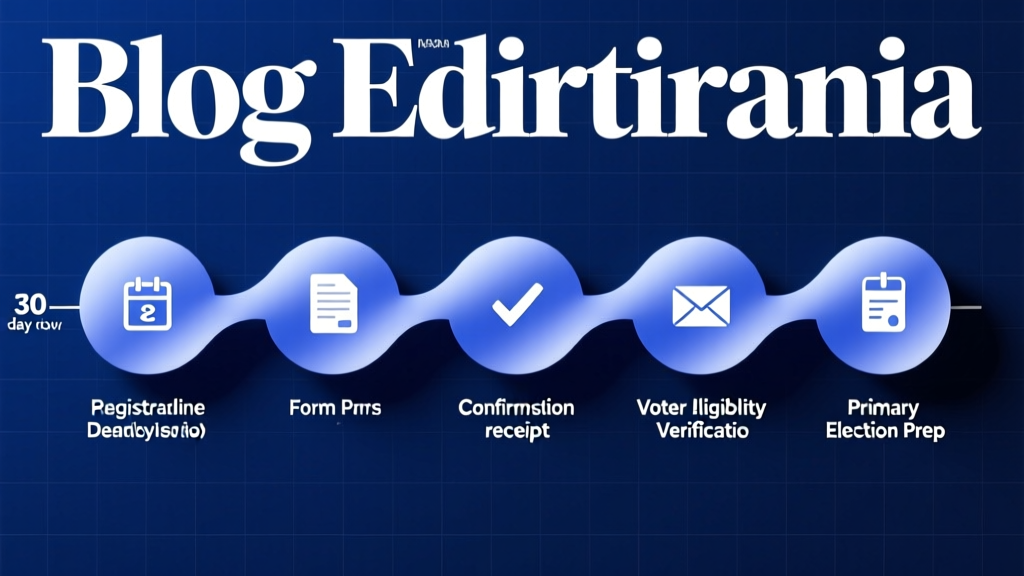 How to Change Political Party in PA: The Exact 5-Step Process (No Missed Deadlines, No Paperwork Surprises, and What You Must Do 30 Days Before Primary)