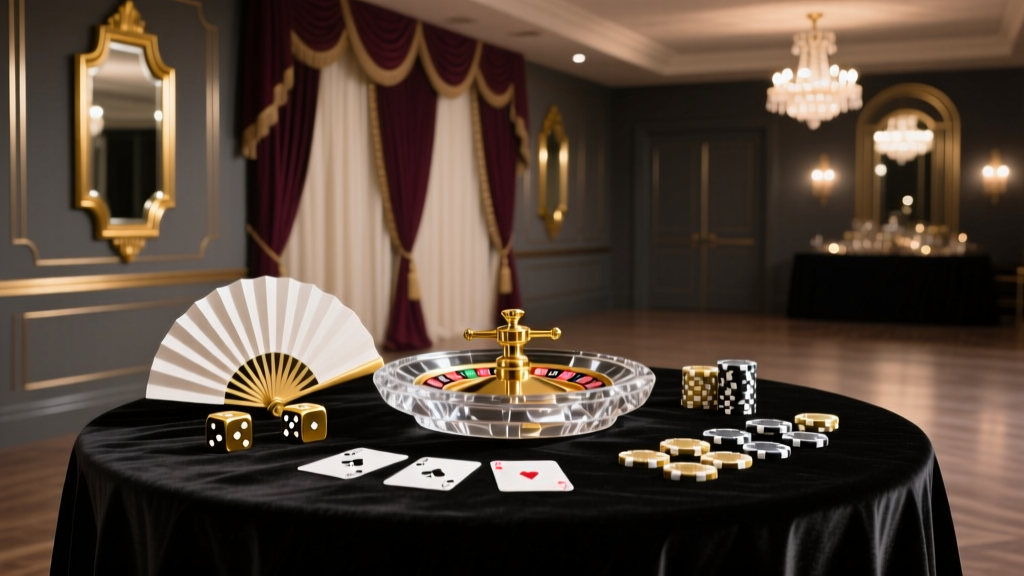
Top 20 Tips for a Casino Night
A casino night can feel like the perfect “plug-and-play” party idea—until you’re the one coordinating the details. Between gaming tables, dealers, prize systems, food service, music, and guest flow, a casino-themed event has more moving parts than most social gatherings. The payoff is huge: it’s interactive, high-energy, and naturally encourages networking and mingling.
Proper event planning is what separates a classy, smooth casino night from a cluttered room with long lines, confusing rules, and budget surprises. With the right timeline, vendor strategy, and a few professional coordination tricks, you can create an event that looks polished, runs on time, and keeps guests engaged from the first chip to the final prize drawing.
This guide walks you through 20 practical tips, a step-by-step planning checklist, budget considerations, vendor selection guidance, and common mistakes to avoid—so your casino night feels intentional, organized, and memorable.
Before You Start: Define the “Win” for Your Casino Night
1) Choose your event goal and measure it
- Fundraiser: target dollars raised, number of bidders (if adding auction), sponsor deliverables.
- Corporate team-building: engagement score, attendance, interaction between departments.
- Birthday/celebration: guest experience, theme immersion, smooth timing.
Real-world example: A nonprofit casino night can boost revenue by pairing “play money” with a raffle ticket system and sponsor-branded prizes, while a corporate casino night might focus on fast game rotations and a short awards segment.
2) Set the guest count early (it drives everything)
Your guest count determines the number of tables, dealers, food quantity, bar staff, seating, and space needs. As a starting point:
- 1 gaming table per 20–30 guests (more tables = shorter lines, higher engagement).
- Plan 10–15% buffer for last-minute RSVPs depending on your crowd.
3) Pick the right format: casino party vs. casino fundraiser
- Casino party: guests play for bragging rights and prizes.
- Casino fundraiser: guests may “buy” extra chips, participate in raffles, and engage with sponsorship activations.
Clarify what’s legal and appropriate in your region: many successful events avoid cash gambling by using play money and prize drawings.
The Top 20 Tips for a Smooth, Stylish Casino Night
4) Build your theme beyond “casino”
A theme helps decisions click into place (decor, attire, playlist, signage). Options that work well:
- Roaring ’20s speakeasy
- Monte Carlo chic
- Vegas neon nights
- James Bond black-tie casino
5) Select games that match your crowd
Offer a mix of quick-play and strategy games:
- Blackjack: best all-around crowd-pleaser
- Roulette: easy to learn, visually exciting
- Poker (Texas Hold’em): great for enthusiasts; needs more time
- Craps: high energy, but needs a strong dealer to teach
Practical approach: For 100 guests, consider 2 blackjack tables, 1 roulette, 1 poker, 1 craps.
6) Use a smart chip system that prevents confusion
Decide how guests receive chips and how chips convert to prize entries:
- Option A: Each guest gets a set amount of chips at check-in.
- Option B (fundraisers): Guests can “donate” for extra chips (check local rules).
- Prize conversion: 1,000 chips = 1 raffle ticket, or tiered tickets for larger chip totals.
7) Design check-in for speed (your first impression)
Use a “two-lane” approach:
- Lane 1: Pre-registered guests (fast track)
- Lane 2: Walk-ins / payments / problem-solving
Add a visible station for chips and a quick “How It Works” sign to reduce questions.
8) Create a floor plan that prevents bottlenecks
- Place the most popular tables (often blackjack) in multiple locations.
- Keep 3–5 feet of clearance around tables for spectators.
- Locate bar service away from the tightest traffic areas.
- Use signage to guide guests to restrooms, food, and prize areas.
9) Plan lighting and sound like a venue professional
Current event planning trends prioritize “immersive ambiance” and clear audio. Aim for:
- Warm lighting over tables for visibility
- Accent lighting in theme colors (red/black/gold work well)
- Music loud enough for energy but low enough for table conversation
10) Hire dealers or train volunteers the right way
Professional dealers increase realism and speed play, but trained volunteers can work for smaller budgets.
- Dealers: request references and confirm arrival/setup time.
- Volunteers: run a 45–60 minute training and provide quick rule cards.
11) Keep rules simple and posted
Each table should have a small sign:
- Basic rules
- Minimum/maximum bets (in chips)
- How to win chips (and what chips are for)
12) Use a “house emcee” to control pacing
An emcee keeps the event from feeling directionless by announcing:
- Welcome + how chips/prizes work
- Last call for games
- Prize redemption timing
- Any sponsor shout-outs (for fundraisers/corporate)
13) Build a prize system that feels fair and exciting
Popular approaches:
- Raffle: chips convert to tickets; draw winners at the end
- Prize “store”: guests spend chips on items at set values
- Leaderboard: top chip totals win (more competitive; can frustrate beginners)
Best practice: Combine a small leaderboard prize with a raffle so everyone feels included.
14) Pair food and drink with the flow of play
- Finger foods prevent guests from leaving tables for long.
- Offer 1–2 hearty options to reduce early exits.
- Place napkins and small plates at multiple points to avoid crowding.
15) Build a menu and service plan that matches your venue
If you’re using a caterer, confirm:
- Kitchen access and prep space
- Staffing levels (bartenders and servers)
- Timing for replenishing appetizers
16) Add one “wow” moment that’s photo-ready
Today’s events benefit from social sharing—even private parties. Options:
- Step-and-repeat photo backdrop with props
- Champagne wall (or mocktail wall)
- Statement centerpiece area (giant playing cards, gold accents)
17) Use signage like a pro coordinator
- Welcome sign with dress code/theme
- “How to Play” and “How to Win” signs
- Directional signs for bar, restrooms, prize area
- Sponsor signage (if applicable) integrated neatly, not cluttered
18) Plan your run-of-show down to 15-minute blocks
Casino nights can drift without a schedule. Create a run-of-show that includes:
- Guest arrival window
- Open gaming time
- Food service peaks
- Announcements
- Final betting call
- Prize redemption/draw
19) Staff your event for guest experience, not just logistics
- Check-in lead: handles issues and keeps lines moving
- Floor manager: solves table needs, chip refills, crowd flow
- Prize lead: manages tickets, redemption, and inventory
- Floaters: answer guest questions and restock supplies
20) Create a “last 30 minutes” plan to end strong
The ending is what guests remember. Avoid a slow fade-out:
- Announce “final hands/spins”
- Open the prize area promptly
- Do a short closing thank-you + sponsor recognition
- Play a high-energy final set of songs
Step-by-Step Planning Timeline (with Checklist)
6–8 Weeks Out: Foundation and bookings
- Define goal, budget, and guest count
- Choose venue and confirm capacity/layout
- Select date/time and event format (party vs. fundraiser)
- Book key vendors: casino table rental/dealers, catering/bar, DJ/AV
- Confirm local rules for play-money/prize structures
- Draft your initial floor plan and run-of-show
4–5 Weeks Out: Design, invitations, and prize plan
- Finalize theme, color palette, and dress code
- Send invitations / open registration
- Choose games and table count
- Lock prize system (raffle, store, leaderboard, or hybrid)
- Source prizes or request sponsor donations
- Begin signage drafts (“How it works,” table rules, directions)
2–3 Weeks Out: Details and coordination
- Confirm guest count range with vendors
- Confirm menu, dietary needs, and service timing
- Create staffing/volunteer plan and assignments
- Order supplies: chips, raffle tickets, wristbands, table numbers, décor
- Finalize floor plan with table placement and traffic flow
- Write your emcee script and announcement timing
1 Week Out: Final confirmations
- Send reminder email/text with attire, parking, start time
- Confirm vendor arrival times, loading instructions, and contacts
- Print signage, run-of-show, and staff/volunteer cheat sheets
- Prepare cashless payment tools (if donations/raffles are used)
- Pack an “event kit” (tape, pens, scissors, batteries, chargers)
Event Day: Execution checklist
- Mark table locations with tape before vendors unload
- Test sound/music and adjust lighting
- Set check-in: lanes, chip distribution, signage, pens, device chargers
- Brief staff/volunteers: flow, rules, escalation plan
- Open doors on time; keep welcome announcements short and clear
- Run “last call,” close gaming, and execute prizes smoothly
- Assign teardown responsibilities and inventory remaining supplies
Budget Considerations (Sample Breakdown)
A casino night budget varies widely by location, guest count, and vendor level. Use this sample breakdown to build a realistic planning budget:
- Venue: 20–35%
- Casino tables + dealers (or rentals): 20–30%
- Food + beverage: 20–35%
- Entertainment/AV (DJ, lighting, microphones): 5–15%
- Décor + signage + printed materials: 5–10%
- Prizes: 5–15% (often reduced through sponsorships)
- Contingency: 8–12%
Cost-control tips that don’t reduce guest experience
- Use fewer high-impact décor elements (photo backdrop + strong table styling) rather than decorating every corner.
- Choose a hybrid prize plan: one premium sponsor prize + multiple smaller crowd-pleasers.
- Limit games to what your crowd will actually play; too many tables can be wasteful.
- Use digital registration and QR code signage to reduce printing.
Vendor Selection Tips (Casino, Catering, AV)
Casino table rental/dealer company
- Ask what’s included: tables, chips, layout, dealers, rules signage, setup/teardown.
- Confirm dealer-to-table ratio and break coverage for longer events.
- Request photos of past setups and verify table sizes for your venue.
Catering and bar service
- Pick menus designed for standing and mingling.
- Confirm service style: passed apps, stations, buffet, or combo.
- If offering alcohol, confirm insurance requirements and bartender counts.
DJ/AV
- Confirm microphone needs for emcee announcements.
- Ask for a music plan that supports the vibe: upbeat but not overpowering.
- Consider a simple lighting package to elevate the space quickly.
Common Casino Night Planning Mistakes to Avoid
- Too few tables for the guest count: long lines kill energy.
- Unclear prize rules: guests get frustrated if chips “don’t mean anything.”
- Overly complex game options: keep learning curves low unless your audience is experienced.
- Forgetting the flow: check-in, bar, and prize areas can easily bottleneck.
- No contingency budget: last-minute staffing, equipment, or décor fixes add up.
- Weak ending: if prizes run late, guests leave before the final moment.
FAQ: Casino Night Event Planning
Is a casino night legal if guests are gambling?
Many events avoid legal issues by using play money and awarding prizes via raffle or redemption systems. Regulations vary by location, so check local laws and venue policies before promoting any donation-for-chips or prize structure.
How many casino tables do I need for 50, 100, or 200 guests?
- 50 guests: 2–3 tables
- 100 guests: 4–6 tables
- 200 guests: 8–10 tables
Adjust based on your crowd’s gaming interest and event length; shorter events need more tables to keep lines down.
What’s the best prize system for mixed-experience guests?
A hybrid system works well: offer a small leaderboard prize for top chip totals and a raffle redemption option so beginners still feel they have a chance.
How do I keep beginners from feeling intimidated at tables?
Use friendly dealers or trained volunteers, post simple rules signage, and schedule a 10-minute “learn-to-play” demo right after welcome announcements.
What are current trends that make casino nights feel modern?
Event planning trends favor immersive experiences and social-friendly moments: elevated lighting, a premium photo backdrop, cashless registration/donations, and tightly scheduled run-of-show planning to keep energy high.
Next Steps: Turn These Tips into Your Event Plan
Start by locking your guest count, venue, and game mix, then build your timeline and budget around the flow of the night: fast check-in, balanced gaming options, easy-to-understand prize rules, and a strong final 30 minutes. When you plan the experience from the guest’s perspective and coordinate vendors with a clear run-of-show, your casino night feels effortless—even though you’re running it like a pro behind the scenes.
Ready to keep planning? Explore more event planning, party organization, and coordination guides at smartpartyprep.com to build your next event with confidence.
More Articles
 What Was the Effect of the Boston Tea Party? 7 Cascading Consequences You Were Never Taught in Textbooks — From Colonial Boycotts to the First Continental Congress in Just 6 Months
 What Do You Bring to an Engagement Party? The Real Etiquette (No, It’s Not Just Champagne — Here’s Exactly What to Gift, When to Give It, and How to Avoid Awkwardness)
How to Join PS Party Chat on PC in 2024: The Only Working Method (No Emulators, No Jailbreaks, No Confusion)
What Do You Bring to an Engagement Party? The Real Etiquette (No, It’s Not Just Champagne — Here’s Exactly What to Gift, When to Give It, and How to Avoid Awkwardness)
How to Join PS Party Chat on PC in 2024: The Only Working Method (No Emulators, No Jailbreaks, No Confusion)
 How to DIY a Dance Party
Is Hunting Party Renewed? The Official 2024–2025 Update (Plus What to Do If It’s Canceled, Delayed, or Rebranded)
What Are the Major Political Parties in USA? A Nonpartisan, Up-to-Date Breakdown of Their Platforms, Power Structures, and Real-World Influence — So You Can Engage Confidently in 2024 Elections
Is a contract binding if not signed by all parties? The truth about unsigned agreements—and how to protect your event budget, timeline, and peace of mind without waiting for every pen stroke.
How to Keep Food Warm at a Party Without Stress, Burnout, or Cold Casseroles: 7 Field-Tested Tactics That Actually Work (No Hot Plates Required)
How to DIY a Dance Party
Is Hunting Party Renewed? The Official 2024–2025 Update (Plus What to Do If It’s Canceled, Delayed, or Rebranded)
What Are the Major Political Parties in USA? A Nonpartisan, Up-to-Date Breakdown of Their Platforms, Power Structures, and Real-World Influence — So You Can Engage Confidently in 2024 Elections
Is a contract binding if not signed by all parties? The truth about unsigned agreements—and how to protect your event budget, timeline, and peace of mind without waiting for every pen stroke.
How to Keep Food Warm at a Party Without Stress, Burnout, or Cold Casseroles: 7 Field-Tested Tactics That Actually Work (No Hot Plates Required)