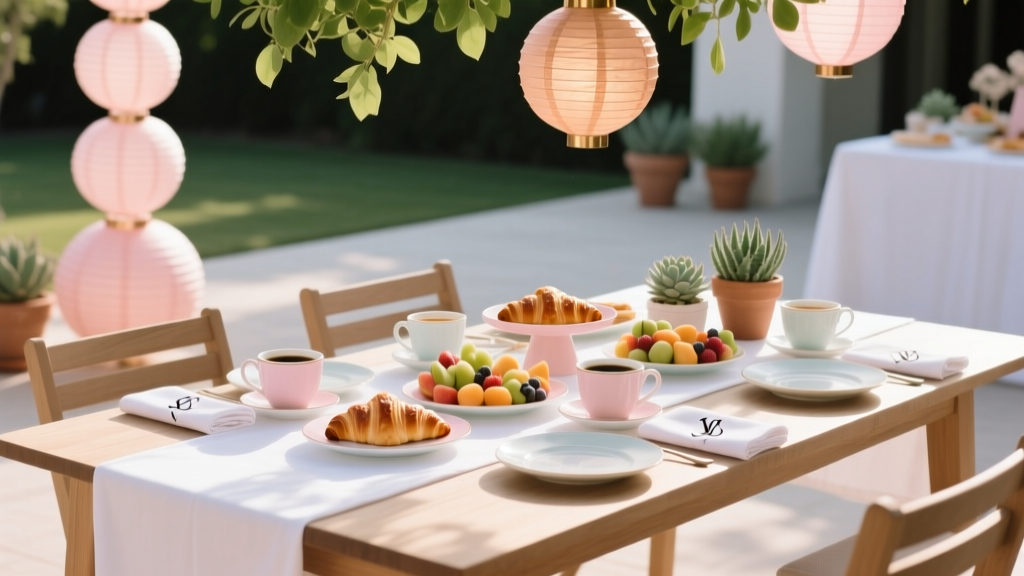
Top 10 Tips for a Brunch Event
A brunch event looks effortless when it’s done well: a relaxed start time, beautiful food, and guests lingering over coffee and conversation. Behind that easy vibe is a planning approach that balances hospitality, timing, and the small details that keep service smooth. Brunch also has a unique mix of expectations—part breakfast comfort, part lunch sophistication—so the menu, flow, and guest experience need thoughtful coordination.
Whether you’re hosting a birthday brunch, bridal shower, baby shower, networking mixer, or corporate celebration, proper event planning protects your budget, keeps vendors aligned, and creates a guest experience that feels intentional. The goal isn’t perfection; it’s a plan that’s flexible enough for real life (late arrivals, dietary needs, weather changes) while still delivering a polished, welcoming event.
This guide breaks down the top brunch planning tips used by professional event coordinators, with a step-by-step timeline, budget considerations, vendor selection strategies, and common mistakes to avoid—so you can host confidently and enjoy your own event.
Tip #1: Define the Purpose, Guest List, and Brunch Style
Brunch can be casual or elevated, but your event style should match the occasion and audience. Start by defining three items:
- Event purpose: celebration, fundraiser, networking, team gathering, shower, reunion
- Guest count: realistic headcount range (example: 25–35)
- Service style: buffet, plated, family-style, stations, or cocktail-style “brunch bites”
Real-world example
A 30-person bridal shower in a home might work best as a buffet with self-serve beverages to reduce staffing needs. A corporate brunch for 60 in a venue often benefits from plated service to keep timing predictable for speeches and presentations.
Tip #2: Choose the Right Date and Time Window (and Protect the Flow)
Brunch events typically run 2 to 3 hours. A practical timing block is 11:00 AM–1:30 PM or 10:30 AM–1:00 PM. This window helps guests arrive without rushing and gives you time for setup.
- Consider guest routines: weekends fill up fast; send early save-the-dates for peak seasons (spring showers, holiday brunches).
- Plan for arrival waves: brunch guests often trickle in. Build a 20–30 minute “arrival buffer” with coffee, water, and light bites.
- Schedule key moments: toasts, gift opening, announcements, or speakers should happen after guests have eaten (or right as plates are cleared).
Tip #3: Build a Brunch Menu That Balances Crowd-Pleasers and Ease of Service
The best brunch menus feel abundant without being complicated. Aim for a mix of sweet, savory, fresh, and hearty options—plus one standout “signature” item.
Menu framework (simple and scalable)
- 1 egg-based dish: frittata, quiche, scrambled eggs, egg bites
- 1 carb base: waffles/pancakes, pastries, bagels, croissants
- 1 protein: bacon/sausage, smoked salmon, chicken sausage, turkey bacon
- 1 fresh element: fruit platter, yogurt parfaits, salad greens
- 1 vegetarian main: veggie strata, tofu scramble, avocado toast bar
- Optional upgrade: mini chicken & waffles, shrimp & grits, or a waffle station
Dietary planning (make it easy for guests)
- Label dishes clearly: V, VG, GF, NF (vegetarian, vegan, gluten-free, nut-free).
- Offer at least one gluten-free option that feels intentional (not an afterthought).
- Keep sauces/dressings on the side so guests can customize.
Tip #4: Plan Beverages Like a Pro (Coffee Strategy Matters)
Brunch beverages are where many events fall apart—long lines, empty coffee, or not enough water. Create a beverage plan that’s self-sufficient and easy to refill.
Recommended beverage setup
- Two coffee options: regular + decaf (with clearly labeled carafes)
- Hot water + tea assortment: include herbal and black tea
- Hydration station: water with citrus/cucumber + sparkling water
- Juice: orange + one alternative (grapefruit, apple, or a seasonal blend)
If serving alcohol (check venue rules and permits)
- Keep it simple: mimosa bar or one signature brunch cocktail
- Offer zero-proof options: mocktail spritz, flavored iced tea, cold brew tonic
- Plan responsible service: use champagne stoppers, limit open bottles, and consider a bartender for larger groups
Tip #5: Design a Layout That Prevents Bottlenecks
Brunch guests move: they grab food, refill coffee, chat, take photos, and circle back for seconds. Your event layout should support flow.
Practical layout rules
- Separate food and beverages: put drinks on a different table to avoid congestion.
- Start with plates and cutlery: at the beginning of the buffet line.
- Use two-sided access: if possible, allow guests to approach buffet tables from both sides.
- Place trash and compost bins: where guests naturally finish eating (near exits, not next to the buffet).
Trend to consider: “Experience zones”
Current event planning trends favor interactive micro-moments. Add one small zone that feels special without complicating service:
- Parfait or granola topping bar
- Mini bouquet station (for showers)
- Polaroid guestbook corner
- Cold brew or matcha bar for a modern touch
Tip #6: Invest in a Cohesive Brunch Theme and Table Design (Without Overspending)
A brunch theme doesn’t need to be literal. Focus on a tight color palette and consistent textures. This makes the event look coordinated in photos and helps your décor budget go further.
Quick theme formulas
- Garden brunch: whites + greens, bud vases, linen napkins
- Modern minimal: neutral palette, clean signage, structured florals
- Citrus summer: oranges/yellows, fruit accents, striped linens
- Cozy fall brunch: warm tones, candles, mini pumpkins, spice-forward menu
Budget-friendly styling tips
- Use bud vases instead of large centerpieces (cheaper, easier, and encourages conversation).
- Upgrade with linen napkins or a textured runner for a high-end look.
- Choose one statement: a balloon garland, floral arrangement, or backdrop—not all three.
Tip #7: Create a Planning Timeline You Can Actually Follow
A strong event planning timeline is the difference between calm setup and last-minute scrambling. Use this as a template and adjust based on your guest count and vendor lead times.
6–8 weeks before
- Set budget, guest count, and event style (buffet/plated/stations)
- Secure venue or confirm hosting location
- Book key vendors: catering, photographer, rentals, bartender (if needed)
- Send invitations or digital invites; request dietary needs
- Choose theme, colors, and overall design plan
3–4 weeks before
- Finalize menu and beverage plan
- Confirm rentals: tables, chairs, linens, plates, glassware, coffee urns
- Order décor items and signage
- Plan seating approach: open seating or assigned tables
- Create a run-of-show schedule (arrival, meal, speeches, activities)
1–2 weeks before
- Follow up with guests for RSVP headcount
- Confirm vendor arrival times, load-in instructions, and contact list
- Purchase nonperishables (candles, paper goods, beverage supplies)
- Build playlists, print signs, and prepare place cards (if using)
2–3 days before
- Do a final grocery run for perishables (if DIY)
- Prep what you can: wash fruit, assemble décor bins, label serving items
- Confirm weather plan if outdoors (tent, fans, heaters, backup room)
Event day (sample schedule)
- 3 hours before: furniture layout, linens, buffet tables, beverage station setup
- 2 hours before: décor, signage, place settings, music check
- 90 minutes before: food arrival or cooking begins, coffee brewing
- 30 minutes before: light bites out, chill beverages, final walkthrough
- Start time: greet guests, keep beverages replenished
- End time: pack leftovers, vendor checkout, quick cleanup sweep
Tip #8: Use a Brunch Event Checklist (Coordination Made Simple)
Essentials checklist
- Guest list + RSVP tracking
- Vendor contact sheet (names, numbers, arrival times)
- Floor plan and buffet layout
- Extra extension cords, power strips, tape, scissors, zip ties
- Serving tools: tongs, ladles, cake knife, beverage dispensers
- Food labels and allergy signage
- Trash bags, compost bin liners, paper towels, wipes
- To-go containers for leftovers (if appropriate)
Host/coordinator “save the day” kit
- Stain remover pen, band-aids, safety pins
- Phone charger, notepad, printed timeline
- Lint roller, hair ties, mints
- Matches/lighter for candles
Tip #9: Plan a Realistic Budget (with a Sample Breakdown)
Brunch can be cost-effective, but it’s easy for “extras” to quietly inflate your total—especially with rentals and alcohol. Start with a total budget, then allocate by category.
Sample budget breakdown (mid-range, 40 guests)
- Food & beverages: 35–45%
- Venue: 10–25% (may be $0 for home events)
- Rentals (tables/chairs/linens/tableware): 10–20%
- Décor & florals: 8–15%
- Staffing (servers/bartender/cleanup help): 8–15%
- Entertainment/activities/photography: 0–10%
- Contingency buffer: 5–10%
Cost-control strategies that still look polished
- Choose two “hero” dishes and keep the rest simple.
- Limit rentals by using high-quality disposable for casual events (but match styles/colors).
- Serve beer and wine instead of full liquor, or keep alcohol to one signature drink.
- Use seasonal flowers or greenery-heavy arrangements.
Tip #10: Select Vendors Based on Brunch-Specific Experience
Vendor selection isn’t just about price—it’s about reliability, timing, and communication. Brunch is especially time-sensitive because food quality drops quickly when it sits.
Vendor selection tips
- Caterer: Ask how they hold hot foods (chafers, staffing, replenishment plan). Request a sample menu built for your guest count.
- Rentals: Confirm delivery window, pickup timing, and whether setup is included.
- Photographer: Brunch lighting can be harsh midday; ask about handling bright windows and mixed light.
- Staffing: One server can typically support about 20–25 guests for buffet maintenance and clearing (varies by space and formality).
Questions to ask before booking
- What’s included, and what’s an add-on?
- What’s your cancellation or reschedule policy?
- Who is the day-of contact, and how do you handle changes?
- Can you share references from similar brunch events?
Common Brunch Event Planning Mistakes to Avoid
- Underestimating coffee and ice: Guests refill more than you think. Plan extra.
- Creating a single buffet bottleneck: Separate drinks, use multiple access points, and avoid narrow spaces.
- Overcomplicating the menu: Too many hot items leads to temperature issues and slow replenishment.
- Skipping dietary options and labels: Guests feel overlooked, and it increases last-minute questions.
- Not building a weather backup plan: Outdoor brunch needs shade, wind control, and a rain pivot.
- No timeline for speeches or activities: The event drifts, and guests leave before key moments.
FAQ: Brunch Event Planning
How long should a brunch event be?
Most brunch events run 2 to 3 hours. If you’re hosting at home, 2.5 hours is a comfortable sweet spot that allows arrivals, eating, and one activity or toast.
How much food should I plan per person?
For a buffet brunch, plan 2–3 food items per guest plus fruit/salad and pastries. If you expect big appetites or a longer event, scale up. Caterers often estimate by portions (example: 1.5 egg portions per person plus sides).
What’s the best brunch service style for a larger group?
For 40+ guests, buffet or stations are efficient and cost-effective. For corporate events or programs with speeches, plated service offers the most predictable timing.
Do I need assigned seating for a brunch?
Not always. Open seating works for casual gatherings, but consider assigned tables if you have VIPs, mixed groups who don’t know each other, or a program where you want specific groupings.
What’s a safe way to serve mimosas at a brunch?
Use a bartender for larger events or venues with alcohol requirements. If hosting at home, limit to one bar area, provide plenty of food and water, and offer attractive zero-proof beverages so guests have options.
How do I keep brunch food warm and fresh?
Use chafing dishes for hot items, keep batches small and replenish often, and avoid placing all food out at once. Cold foods should sit over ice or be rotated from the refrigerator.
Actionable Next Steps for Planning Your Brunch
- Pick your guest count range and choose buffet vs. plated service.
- Draft a simple menu using the framework above and confirm dietary needs.
- Create your event planning timeline and assign deadlines for invites, rentals, and vendor confirmations.
- Build a floor plan that separates food and beverages to prevent lines.
- Set your budget categories and book vendors based on brunch timing and service experience.
Brunch events are memorable because they feel warm, social, and welcoming—when the planning is solid. For more step-by-step party organization resources, timelines, and coordination checklists, explore more event planning guides on smartpartyprep.com.
More Articles
 How to Say Party in Spanish (and 7 Other Must-Know Terms You’re Probably Mispronouncing) — The Event Planner’s Real-World Guide to Hosting Authentically in Latin America & Spain
What Is a Phone Party? (And Why Your Next Virtual Gathering Needs One in 2024 — No Zoom Fatigue, Just Real Connection)
How to Say Party in Spanish (and 7 Other Must-Know Terms You’re Probably Mispronouncing) — The Event Planner’s Real-World Guide to Hosting Authentically in Latin America & Spain
What Is a Phone Party? (And Why Your Next Virtual Gathering Needs One in 2024 — No Zoom Fatigue, Just Real Connection)
 Top 15 Tips for a Fashion Swap
What Was the Goal of the Free Soil Party? The Surprising Truth Behind America’s First Anti-Slavery Political Movement — And Why It Changed Everything in 1848
Top 15 Tips for a Fashion Swap
What Was the Goal of the Free Soil Party? The Surprising Truth Behind America’s First Anti-Slavery Political Movement — And Why It Changed Everything in 1848
 What to Wear to a 1950s Party: The 7-Step Dress Code Decoder (No Vintage Store Raid Needed — Just Smart Styling Hacks That Actually Work)
How to Keep Spaghetti Noodles Warm for a Party Without Sogginess, Clumping, or Cold Surprises — 7 Proven Methods (Tested at 12+ Catered Events)
What to Wear to an Anniversary Party: The 7-Second Dress Code Decoder (No More Guesswork, No Awkward Outfits, Just Instant Confidence)
How to Set Up a Bar for Party Without Stress or Overspending: A 7-Step Proven System That Cuts Setup Time by 65% and Prevents Last-Minute Panic (Backed by 127 Host Surveys)
What Party Abolished Slavery? The Truth Behind Lincoln, the Republicans, and Why 'Party' Doesn’t Mean What You Think — A Clear, Myth-Free Breakdown of the 13th Amendment’s Real Architects
What Are the Benefits of Third Party Payment Processors? 7 Real-World Advantages That Cut Fraud Risk by 63%, Slash Setup Time by 80%, and Unlock Global Sales—Without Hiring a Dev Team
What to Wear to a 1950s Party: The 7-Step Dress Code Decoder (No Vintage Store Raid Needed — Just Smart Styling Hacks That Actually Work)
How to Keep Spaghetti Noodles Warm for a Party Without Sogginess, Clumping, or Cold Surprises — 7 Proven Methods (Tested at 12+ Catered Events)
What to Wear to an Anniversary Party: The 7-Second Dress Code Decoder (No More Guesswork, No Awkward Outfits, Just Instant Confidence)
How to Set Up a Bar for Party Without Stress or Overspending: A 7-Step Proven System That Cuts Setup Time by 65% and Prevents Last-Minute Panic (Backed by 127 Host Surveys)
What Party Abolished Slavery? The Truth Behind Lincoln, the Republicans, and Why 'Party' Doesn’t Mean What You Think — A Clear, Myth-Free Breakdown of the 13th Amendment’s Real Architects
What Are the Benefits of Third Party Payment Processors? 7 Real-World Advantages That Cut Fraud Risk by 63%, Slash Setup Time by 80%, and Unlock Global Sales—Without Hiring a Dev Team