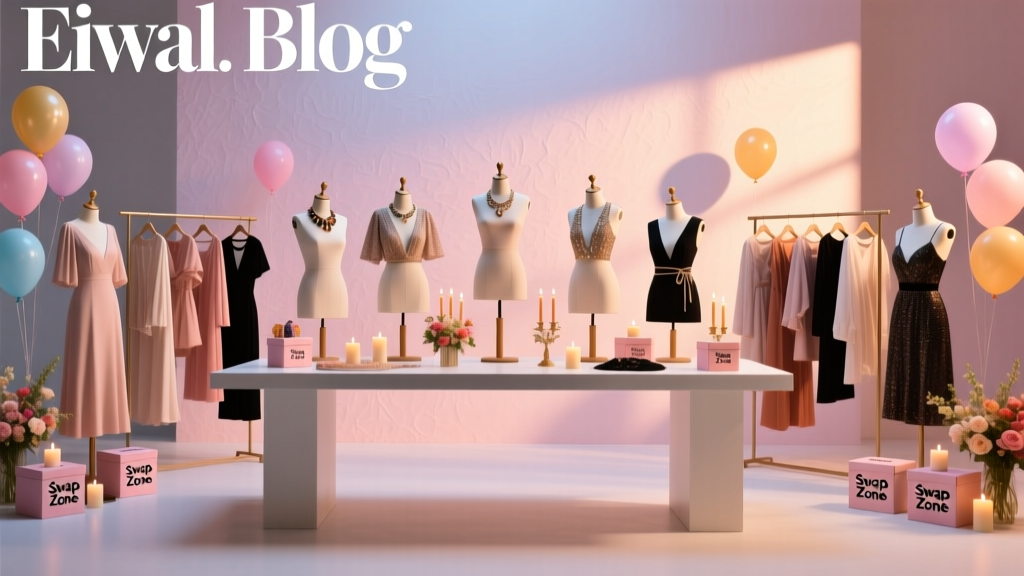
Top 15 Tips for a Fashion Swap
A fashion swap (also called a clothing swap or style swap) is one of the most rewarding event formats you can plan: guests leave with “new-to-them” pieces, closets get refreshed, and textiles stay out of landfills. But the magic doesn’t happen by accident. Without clear rules, a check-in system, and a thoughtful floor plan, swaps can slide into chaos—piles everywhere, uneven trading, and guests unsure how to participate.
Proper event planning matters even more for a fashion swap because you’re managing inventory, guest flow, and perceived fairness all at once. When the organization is tight, the experience feels elevated—more like a pop-up boutique than a rummage sale—and guests are far more likely to return, bring better items, and recommend your event.
This guide gives you practical, step-by-step guidance to plan a smooth, stylish, and well-coordinated fashion swap, complete with a planning timeline, checklists, budget considerations, vendor tips, real-world examples, and common mistakes to avoid.
What Makes a Fashion Swap Successful (and Why Planning Drives Results)
Great swaps share a few traits that come directly from strong party organization and coordination:
- Clear participation rules (what to bring, what’s accepted, item limits, condition standards)
- A fair exchange system (tokens, points, timed shopping rounds, or “free-for-all” done intentionally)
- Smart layout and signage (zones by size/category, easy browsing, fitting flow)
- Inventory management (sorting, staging, refolding, restocking)
- A post-event plan (donation pickup, recycling, leftover handling)
The Top 15 Tips for a Fashion Swap (Expert, Practical, Repeatable)
1) Set a Simple Swap Goal and Format
Decide what kind of event you’re hosting before you select a venue or build a checklist. Options include:
- Classic swap: Bring items, earn credits/tokens, “shop” the swap
- Curated boutique-style: Higher standards, limited items per guest, more staging
- Theme swap: Workwear refresh, denim exchange, seasonal closet reset
- Accessory-only mini swap: Great for small spaces and first-time hosts
Real-world example: A “Fall Workwear Swap” with a 10-item cap and strict condition guidelines typically yields cleaner inventory and faster browsing than an open-ended bring-anything swap.
2) Create Clear Item Standards (and Enforce Them)
Guests appreciate standards because they protect the quality of the experience. Use language like:
- Clean, freshly laundered, and odor-free
- No stains, rips, excessive pilling, or broken zippers
- Current condition: “Would you gift this to a friend?” test
- Accepted categories listed clearly (clothing, shoes, bags, jewelry)
Include a “we reserve the right to decline items” line. It sounds formal, but it prevents conflict at check-in.
3) Choose a Fair Exchange System
Your swap rules should reduce the “early-bird advantage” and make trading feel equitable.
- Token system: 1 item = 1 token (simple, popular)
- Point system: Premium items worth more points (more work to manage)
- Timed rounds: Groups rotate through shopping (best for larger crowds)
- Free-for-all: Easiest, but can feel less fair; pair with timed entry
Pro tip: If you expect 25+ guests, timed rounds plus tokens usually offers the smoothest event coordination.
4) Cap the Number of Items per Guest
Item caps keep inventory manageable and encourage higher-quality contributions. Common caps:
- 10–15 clothing items
- 2–3 pairs of shoes
- 5 accessories (belts, scarves, jewelry)
This also helps you forecast tables, racks, and staffing needs.
5) Pick the Right Venue for Flow, Not Just Vibes
Look for venues that support browsing and fitting:
- Open floor plan with clear traffic lanes
- Restrooms nearby (bonus if a large mirror is available)
- Good lighting (natural light or bright overhead)
- Parking or transit access
- Easy load-in/load-out for racks and bins
Vendor selection tip: Ask venues if they have coat racks, folding tables, rolling mirrors, or a speaker system you can use—this can reduce rental costs.
6) Plan a Boutique-Style Layout
Organization is the difference between “shopping” and “digging.” Aim for a retail-inspired plan:
- Check-in zone: drop-off, item review, token distribution
- Sorting/staging zone: volunteers categorize items before they hit the floor
- Shopping zone: racks/tables by category and size
- Try-on zone: mirrors, privacy screens (optional), seating
- Checkout/exit zone: token collection, bagging station, final count
7) Sort by Category AND Size (Guests Will Thank You)
At minimum, separate:
- Tops, bottoms, dresses, outerwear
- Activewear, formalwear, denim (if volume supports)
- Shoes by size range
- Accessories by type
Practical signage: Print large size cards (XS–XL or 0–14). Clip them to racks with binder clips.
8) Use a Smooth Check-In Workflow
Check-in is where event planning meets reality. Build a system that handles volume:
- Greet guest and confirm RSVP
- Review items quickly against standards
- Count accepted items and issue tokens
- Send items to sorting area (not directly to the floor)
Pro tip: Have a “declined items” bin with a polite sign: “Not eligible for swap—please take home.” Avoid public debates.
9) Recruit Volunteers and Assign Clear Roles
Swaps run best with a small “event team.” Suggested roles:
- Host/lead coordinator: rules, timing, announcements
- Check-in lead: item review, tokens
- Sorters: categorize and stage inventory
- Floor reset team: refold, rehang, restock racks
- Donation lead: boxing leftovers, tracking pickup
Use a shared schedule and a short pre-event briefing so everyone knows the flow.
10) Provide the Right Equipment (Racks Beat Tables for Clothing)
To elevate the experience, prioritize:
- Rolling garment racks + hangers
- Folding tables (for accessories, denim stacks, shoes)
- Full-length mirrors (at least 2 for medium events)
- Lint rollers, stain wipes, safety pins (emergency fixes)
- Shopping baskets or reusable bags
Trend note: Boutique-style staging is a current event planning trend for community swaps—clean displays, clear signage, and a “shopping” vibe increase perceived value.
11) Build in “Reset Moments” During Shopping
Clothing piles happen. Prevent it with scheduled resets:
- Every 15–20 minutes, announce a 2-minute “rack reset”
- Volunteers refold tables, rehang items, and clear the try-on area
- Restock popular zones (e.g., outerwear, denim) from the sorting area
12) Make Trying On Simple, Comfortable, and Respectful
If private fitting rooms aren’t available, create a comfortable alternative:
- Dedicated mirror wall plus seating
- Room divider screens or curtained corner (optional)
- Encourage fitted layers (tank/leggings) in pre-event messaging
- Post a “Try-On Etiquette” sign (no makeup transfer, return items to racks)
13) Add One “Value-Boost” Element (Without Overcomplicating)
Small upgrades make the event feel like a true hosted experience:
- Mini style station: volunteer offers quick styling suggestions
- Photo corner with good lighting for “before/after” shots
- Refreshments: water, sparkling drinks, light snacks
- Playlist and simple MC announcements to keep timing on track
14) Plan for Leftovers Before the Event Starts
Decide what happens to unclaimed items:
- Partner with a local charity and schedule pickup/drop-off time
- Set aside “premium leftovers” for a second-chance round
- Textile recycling for unusable items (research local programs)
Vendor selection tip: Confirm whether a donation partner needs items bagged, boxed, labeled by category, or accepted only during certain hours.
15) Capture Feedback and Build a Repeatable System
After the event, send a short survey and track the metrics that help you plan better next time:
- RSVP vs. attendance rate
- Average items brought per guest
- Peak check-in time
- Most-shopped categories
- Feedback on fairness, layout, and timing
Step-by-Step Planning Timeline (with Checklist Items)
4–6 Weeks Before: Lock the Foundation
- Choose swap format, theme, and exchange system
- Set date/time (weekend late morning or early afternoon often performs best)
- Book venue and confirm included equipment (tables, chairs, mirrors)
- Draft rules: item standards, caps, accepted categories, leftovers plan
- Create RSVP page with capacity limit and clear instructions
- Identify donation partner and confirm logistics
2–3 Weeks Before: Build Operations
- Recruit volunteers and assign roles
- Source rentals: garment racks, hangers, extra tables, signage stands
- Design signage: categories, sizes, check-in instructions, etiquette
- Plan floor layout map (zones + traffic flow)
- Create token system (printed tokens, poker chips, or stamped cards)
1 Week Before: Confirm, Print, Pack
- Send attendee reminder with rules + what to wear for try-ons
- Finalize volunteer schedule and a 10-minute pre-brief agenda
- Print: signs, check-in list, volunteer role cards, survey QR code
- Pack supplies: tape, scissors, markers, lint rollers, bins, labels
- Confirm donation pickup/drop-off time
Event Day: Execution Checklist
- Arrive early for setup (typically 90–120 minutes)
- Mark zones and place signs before inventory arrives
- Set up check-in with clear queue and “declined items” area
- Brief volunteers: rules, scripts, escalation plan
- Run check-in + sorting; stage items gradually (avoid instant overwhelm)
- Start shopping rounds; announce resets and timing
- Close with last call, bagging, and donation packing
Post-Event (Within 24–72 Hours)
- Donation drop-off/pickup complete
- Send thank-you message + survey
- Document lessons learned and inventory notes
- Save templates (rules, signage, timeline) for repeat use
Budget Considerations (Sample Breakdown)
Your event budget depends on venue type and guest count. Here’s a practical starting breakdown for a 30–40 person fashion swap:
- Venue: $0–$400 (home/community room vs. rented studio)
- Rentals: $80–$250 (garment racks, mirrors, extra tables)
- Supplies: $40–$120 (hangers, bins, labels, tape, signage printing)
- Tokens system: $10–$40 (poker chips/stamps/cards)
- Refreshments: $50–$150 (water, light snacks)
- Donation logistics: $0–$75 (bags/boxes, transport)
Cost-control strategies:
- Ask guests to bring hangers (and take them back home)
- Borrow racks from a local theater, boutique, or dry cleaner
- Use QR-code signage to reduce printing
- Partner with a sponsor (local boutique, tailor, or eco-friendly brand) for refreshments or raffle items
Vendor Selection Tips (When You’re Outsourcing Anything)
Fashion swaps can be DIY, but vendors can enhance the experience. If you’re considering rentals, a venue, or add-ons like a photographer:
- Prioritize reliability over aesthetics: garment racks that roll smoothly matter more than trendy décor
- Confirm delivery windows: rentals must arrive early enough for setup
- Ask about replacement policies: mirrors and racks can be fragile
- Check insurance requirements: some venues require event insurance for public gatherings
- Get everything in writing: included items, pickup times, overtime fees
Common Fashion Swap Planning Mistakes to Avoid
- No item standards: leads to low-quality inventory and unhappy guests
- Letting guests place items directly on tables: causes immediate clutter; route items through sorting
- Underestimating staffing: one host can’t manage check-in, rules, and floor flow alone
- No size/category signage: browsing slows, crowds form, and items get messy
- Skipping a leftovers plan: you’ll end the night with bags of unknown responsibility
- Too-long shopping window without resets: tables turn into piles fast
- Unclear fairness rules: guests feel like they “lost” the swap even if inventory was good
FAQ: Fashion Swap Event Planning
How many guests should I invite to a fashion swap?
For a first-time host, 15–25 guests is a comfortable range. If you have volunteers and a larger venue, 30–50 can work well with timed shopping rounds and a strong check-in system.
Do I need a token system, or can it be free-for-all?
You can do either. Tokens work best when guests care about fairness and you want orderly shopping. Free-for-all works for casual gatherings, especially if you use timed entry to prevent early crowding.
What items should be off-limits?
Common exclusions include underwear, heavily worn shoes, stained items, items with strong odors, and anything damaged. Some hosts also exclude fast fashion basics to keep quality high—set the standard that fits your audience.
How long should a clothing swap event last?
Plan for 2.5–4 hours total: 45–60 minutes for check-in/sorting, 60–90 minutes for shopping rounds, and 30–45 minutes for final browsing plus cleanup.
What’s the best way to handle leftovers?
Decide in advance: donation partner pickup, host drop-off, or a “last chance” free round at the end. Have bags/boxes ready and assign one volunteer to manage packing and labeling.
How do I keep the swap feeling “elevated” instead of messy?
Use garment racks, clear signage by size and category, scheduled reset moments, and a staging area so inventory hits the floor in a controlled way. These operational details create a boutique feel without a big budget.
Next Steps: Plan Your Swap with Confidence
Start by choosing a swap format and writing your rules in one page of plain language. From there, build your layout, assign volunteer roles, and use the planning timeline above to stay on track. With the right event coordination strategy—check-in workflow, signage, resets, and a clear leftovers plan—you’ll host a fashion swap that feels organized, fair, and genuinely fun to attend.
For more step-by-step event planning, party organization checklists, and coordination tips, explore the latest guides on smartpartyprep.com.