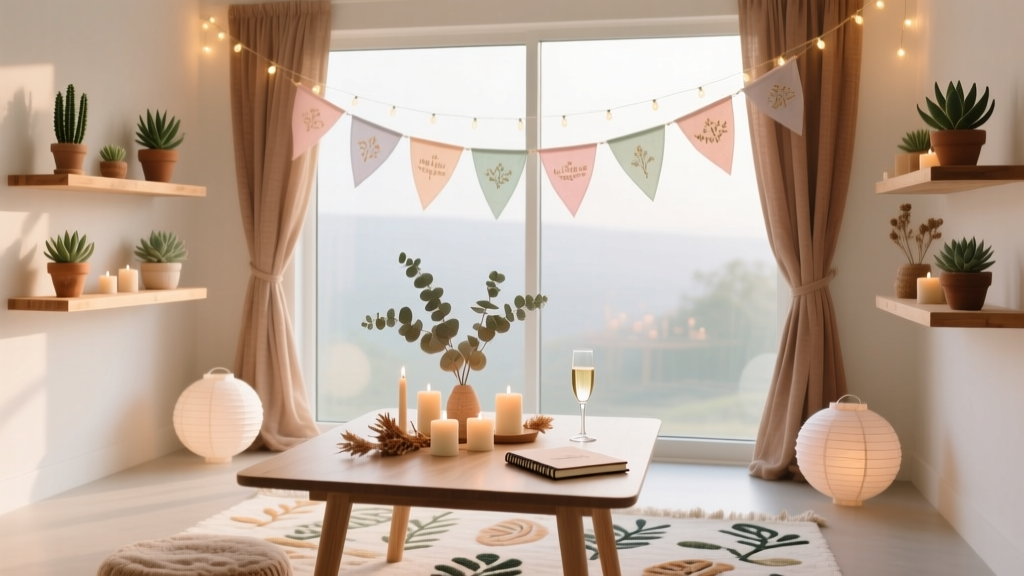
How to DIY a Wellness Retreat
A wellness retreat can be one of the most meaningful events you’ll ever plan—part gathering, part reset button. But the same qualities that make it powerful (multiple sessions, food and beverage considerations, sensory details, personal goals) also make it easy to overwhelm your timeline and budget without a clear event plan.
Proper planning matters because guests are trusting you with their time, comfort, and wellbeing. A retreat needs flow: the right pace, intentional transitions, and enough breathing room for rest. The difference between “nice idea” and “transformative experience” usually comes down to strong event coordination—smart scheduling, vendor management, contingency planning, and thoughtful communication.
Whether you’re hosting a half-day “mini retreat” at home or a weekend getaway for a group, this guide walks you through a practical, step-by-step approach to DIY a wellness retreat with professional event planning tools, current trends, and realistic budgeting.
Step 1: Define the Retreat Vision (Before You Book Anything)
Clarify the purpose and outcomes
Start with a simple statement you can use as your planning filter:
- Theme: Stress reset, creativity + movement, mindful connection, nutrition reboot, leadership wellness, etc.
- Guest outcome: “Guests leave with 3 stress tools, a personalized intention, and a calm body.”
- Energy: Quiet + restorative, upbeat + social, outdoorsy + adventurous, luxurious + spa-like.
Choose your format
- At-home day retreat: 4–6 hours; minimal lodging complexity; great for first-time hosts.
- Local venue day retreat: Yoga studio, community center, boutique hotel meeting room, garden space.
- Weekend retreat: Highest impact, also highest coordination: lodging, meals, transport, schedules.
- Hybrid retreat: In-person core experience + optional virtual follow-ups (a strong trend in wellness events).
Decide “non-negotiables” and “nice-to-haves”
Use this proven organizational strategy to protect your budget and timeline:
- Non-negotiables: Instructor quality, comfortable space, nutritious food, safety/waivers, clear schedule.
- Nice-to-haves: Gift bags, photo booth corner, premium florals, live musician, branded signage.
Step 2: Build the Guest Experience (Flow, Sessions, and Sensory Details)
Design a retreat arc
Wellness retreats feel best when they follow a predictable rhythm:
- Arrival + grounding: Welcome drink, intention setting, light orientation
- Activation: Yoga, hike, breathwork, mobility, dance
- Nourishment: Balanced meal or tasting
- Integration: Journaling, workshop, sound bath, guided meditation
- Connection: Optional sharing circle, partner exercise, group reflection
- Closure: Take-home practices, next-step challenge, gentle send-off
Trending retreat elements guests love (and are easy to coordinate)
- Micro-sessions: 20–30 minute blocks (mobility, breathwork, journaling) mixed with 60-minute anchors.
- Phone-light or phone-free windows: Offer lock bags or a “digital detox shelf” during select sessions.
- Personalization: Choose-your-own breakout (restorative yoga vs. nature walk) to support different comfort levels.
- Wellness stations: Tea bar, aromatherapy corner, DIY face masks, hydration station.
- Meaningful favors: Practical items like a journal, electrolyte packets, herbal sachets, or a mini candle.
Real-world example: A 1-day “Reset Retreat” for 12 guests
- Location: Rented studio with natural light (9am–3pm)
- Sessions: 60-min yoga + 30-min breathwork + 45-min workshop + 30-min sound bath
- Food: Catered lunch bowls + tea/fruit
- Extras: Journals at each mat, personalized name cards, playlist for transitions
Step 3: Choose the Location and Date Like a Pro
Venue selection checklist
- Capacity: Comfortable spacing for mats/seating (avoid “max capacity” planning)
- Lighting + sound: Natural light, minimal street noise, ability to control volume
- Restrooms: Adequate for group size; clean and accessible
- Parking/transport: Clear directions and overflow plan
- Weather backup: If outdoors, confirm indoor alternative or tent rental
- Policies: Noise limits, cleaning fees, insurance requirements, permitted vendors
Date planning tips
- Favor Saturday mornings for day retreats and Fri–Sun for weekend retreats.
- Avoid major holidays and local event weekends that spike lodging costs.
- Build around seasonal wellness themes (spring renewal, summer vitality, fall grounding, winter restoration).
Step 4: Create a Planning Timeline (with Checklist Templates)
6–8 weeks out: Foundation + booking
- Confirm retreat format, theme, guest count, and rough schedule
- Set a budget range and payment method (collect deposits if needed)
- Book venue and key talent (yoga instructor, facilitator, sound healer)
- Draft your event planning documents:
- Master timeline
- Vendor contact sheet
- Run of show (minute-by-minute schedule)
- Guest communication plan
- Create registration plan (Google Form, Eventbrite, simple landing page)
- Outline menu + dietary approach (allergen-friendly options)
4–5 weeks out: Guest experience + logistics
- Finalize session topics, durations, and transitions
- Confirm catering quotes or grocery list if self-catering
- Source rentals (mats, bolsters, chairs, linens) if needed
- Plan ambiance: music, candles (battery), florals/greenery, signage
- Draft waiver and health note (consult local requirements; keep wording clear)
- Send first guest email:
- Date/time/location
- What to bring
- Parking + arrival instructions
- Dietary form deadline
2–3 weeks out: Confirmations + production
- Collect final RSVPs and dietary needs
- Confirm all vendors in writing (arrival time, load-in, equipment needs)
- Create a detailed run of show and print 2–3 copies
- Order supplies:
- Disposable cups/napkins (or rentals)
- Name cards, pens, journals
- Water dispensers, tea, snacks
- First-aid kit, electrolyte packets
- Plan your photo strategy (designate a friend, tripod setup, or hire a photographer)
1 week out: Final prep + contingency plans
- Walk through the venue (or re-check your home setup) and map stations
- Confirm weather backup plan if outdoors
- Prepare signage: check-in, schedule, restrooms, quiet zone
- Send final guest reminder:
- Arrival window
- Dress code (layers, socks, comfortable clothing)
- Hydration reminder
- Phone policy (if applicable)
- Build a “day-of kit” (see list below)
Day-of checklist (event coordination essentials)
- Check-in: Guest list, waivers, name tags, welcome beverage
- Set the mood: Music low, lighting adjusted, scent minimal (allergy-friendly)
- Stations stocked: Water, tea, snacks, trash/recycling
- Timekeeping: Quiet alarms for transitions (avoid loud interruptions)
- Vendor management: Confirm arrivals, payments, and load-out timing
- Accessibility: Clear walkways, seating options, temperature comfort
Day-of kit list
- Printed run of show + vendor contact sheet
- Tape, scissors, binder clips, markers
- Extension cords, power strip, phone chargers
- Disinfecting wipes, paper towels, hand sanitizer
- First-aid kit, blister bandages
- Extra water bottles, electrolytes, light snacks
Step 5: Budget Planning (with Sample Breakdown)
DIY doesn’t mean “cheap”—it means you’re acting as the planner, coordinator, and producer. Build a budget that protects the guest experience and prevents last-minute costs.
Common cost categories
- Venue: Rental fee, cleaning fee, security deposit
- Food + beverage: Catering, groceries, servingware, ice
- Facilitators: Yoga teacher, meditation guide, workshop leader
- Rentals: Mats, bolsters, chairs, linens, tent
- Decor + ambiance: Candles, florals, signage, printed materials
- Insurance/permits: Event insurance if required
- Marketing: Simple ads, photographer, printing
- Contingency: 10–15% buffer for surprises
Sample budget: 1-day retreat for 15 guests ($1,800 target)
- Venue: $450
- Lead instructor (2 sessions): $350
- Sound bath facilitator: $250
- Food + beverage: $450
- Supplies + decor: $150
- Printing + signage: $50
- Contingency (10%): $100
Estimated cost per guest: $120 (before any sponsorships or ticket revenue)
Smart ways to control costs without cutting quality
- Choose a venue that includes chairs, tables, and basic AV.
- Limit the schedule to 2–3 headline sessions and add low-cost integration blocks (journaling, silent tea time).
- Use seasonal greenery instead of high-floral centerpieces.
- Offer a “retreat workbook” as a digital PDF instead of printed booklets.
Step 6: Vendor Selection Tips (Catering, Instructors, Rentals)
How to vet wellness facilitators
- Ask for credentials, insurance (if applicable), and references.
- Request a short outline of their session flow and what guests need to bring.
- Confirm their style aligns with your audience (gentle vs. intense; spiritual vs. secular).
- Put everything in writing: rate, timing, cancellation terms, equipment provided.
Catering and menu planning tips
- Plan for common dietary needs: vegetarian, vegan, gluten-free, nut-free options.
- Keep lunch energizing, not heavy: grain bowls, salads with protein, wraps, soup + salad combos.
- Label ingredients clearly and provide serving utensils to reduce cross-contact.
- Hydration is part of the event plan: water dispensers, herbal teas, lemon, electrolytes.
Rentals and production
- Confirm delivery windows, setup expectations, and pickup time.
- Order 10–15% extra for small items (cups, napkins).
- Test audio in the space before guests arrive—sound issues are a top event-day stressor.
Retreat Schedule Template (Copy/Paste)
Half-day retreat (4 hours)
- 9:00–9:30 — Arrival, tea, check-in, intention cards
- 9:30–10:30 — Yoga or movement session
- 10:30–10:45 — Break + hydration
- 10:45–11:30 — Workshop (stress tools, journaling prompts)
- 11:30–12:00 — Guided meditation / breathwork
- 12:00–12:30 — Light lunch or snack boxes + social time
- 12:30–1:00 — Closing circle + take-home plan
Weekend retreat (simple framework)
- Friday evening: Arrival, welcome circle, light dinner
- Saturday: Morning movement, workshop, long break, afternoon session, evening restorative
- Sunday: Integration, reflection, closing brunch, departures
Common DIY Wellness Retreat Planning Mistakes (and How to Avoid Them)
- Over-scheduling the day: Guests need transition time. Add 10–15 minutes between sessions.
- Ignoring acoustics and comfort: A beautiful room that echoes or runs cold will derail relaxation. Test temperature and sound.
- Vague guest communication: Send clear “what to bring” instructions and parking details. Confusion creates stress before the retreat begins.
- Skipping dietary planning: Unlabeled allergens and limited options can become a safety issue. Collect needs early and label everything.
- No contingency budget: You’ll likely need more ice, extra cups, or a last-minute backup speaker. Keep a 10–15% buffer.
- Not assigning roles: If you’re facilitating, you can’t also manage check-in and catering. Delegate 1–2 helpers.
FAQ: DIY Wellness Retreat Planning
How many people should I invite for my first DIY retreat?
For a first-time host, 8–15 guests is a manageable range. It’s large enough for group energy but small enough to coordinate food, seating, and schedule changes without a full staff.
Do I need event insurance for a wellness retreat?
Some venues require it, and it’s a smart safeguard when you’re hosting movement-based sessions. Check your venue contract and ask facilitators if they carry their own professional liability coverage.
How far in advance should I plan?
For a day retreat, 6–8 weeks is typically enough if you’re booking a local venue and one or two facilitators. For a weekend retreat with lodging, plan 3–6 months ahead to secure the right space and pricing.
What should I charge if I’m selling tickets?
Start with total costs (including a 10–15% contingency), divide by your minimum guest count, then add a margin for your time. Example: $1,800 budget / 15 guests = $120 break-even; tickets might be $145–$175 depending on inclusions and market.
What are easy, low-cost retreat “wow” details?
Try a welcome intention card at each seat, a curated playlist for transitions, a tea bar with labeled blends, and a simple printed schedule. These elevate the guest experience without requiring major decor spending.
How do I keep the retreat calm if something runs late?
Build flexible blocks into your event timeline (like 15-minute “integration breaks”). If you’re behind, shorten a break slightly or reduce workshop Q&A time—avoid cutting the closing, which helps guests leave grounded.
Next Steps: Your DIY Retreat Action Plan
- Write a one-sentence retreat purpose and pick your format (half-day, day, weekend).
- Set your guest count and draft a simple schedule using the templates above.
- Build a budget with a 10–15% buffer and prioritize venue + instructors first.
- Book key vendors, then create your run of show and communication plan.
- Assign day-of roles and pack a coordination kit so you can stay present with guests.
Planning a wellness retreat is event planning at its best: organized, guest-centered, and deeply rewarding. For more step-by-step party organization, vendor coordination tips, and event planning checklists, explore the guides at smartpartyprep.com.
More Articles
 How to Plan a Party Without Losing Your Mind: The 7-Step Stress-Free Framework That Cuts Planning Time by 63% (Backed by 127 Real Hosts)
When Did the Populist Party Start? The Surprising 1891 Origin Story (and Why Most People Think It’s 1892 — Wrong Year, Wrong State, Wrong Narrative)
When was the Greens Party formed? The surprising 1990s origin story—and why its founding date still shapes climate policy, electoral strategy, and youth activism across Australia today.
Who Sang 'Turn Out the Lights, The Party's Over'? The Real Story Behind the Song—and Why Every Event Planner Needs to Know Its Timing Psychology (Not Just the Singer)
When Do You Have the Engagement Party? The Real Timeline (Not What Pinterest Says) — 7 Critical Factors Most Couples Overlook Before Setting a Date
When Did Hitler Join the German Workers’ Party? The Exact Date, Context, and Why This Moment—Often Misdated—Changed History Forever (And What Most Sources Get Wrong)
How to Plan a Party Without Losing Your Mind: The 7-Step Stress-Free Framework That Cuts Planning Time by 63% (Backed by 127 Real Hosts)
When Did the Populist Party Start? The Surprising 1891 Origin Story (and Why Most People Think It’s 1892 — Wrong Year, Wrong State, Wrong Narrative)
When was the Greens Party formed? The surprising 1990s origin story—and why its founding date still shapes climate policy, electoral strategy, and youth activism across Australia today.
Who Sang 'Turn Out the Lights, The Party's Over'? The Real Story Behind the Song—and Why Every Event Planner Needs to Know Its Timing Psychology (Not Just the Singer)
When Do You Have the Engagement Party? The Real Timeline (Not What Pinterest Says) — 7 Critical Factors Most Couples Overlook Before Setting a Date
When Did Hitler Join the German Workers’ Party? The Exact Date, Context, and Why This Moment—Often Misdated—Changed History Forever (And What Most Sources Get Wrong)
 Can a lawyer represent both parties? The truth about dual representation—and why it’s almost always a dangerous shortcut that risks your rights, your money, and your peace of mind.
What Is Third Party Cookies? The Truth Behind the Privacy Panic: Why Your Website’s Analytics, Ads, and Email Campaigns Are About to Break (And Exactly What to Do Before Chrome Blocks Them in 2024)
Can a lawyer represent both parties? The truth about dual representation—and why it’s almost always a dangerous shortcut that risks your rights, your money, and your peace of mind.
What Is Third Party Cookies? The Truth Behind the Privacy Panic: Why Your Website’s Analytics, Ads, and Email Campaigns Are About to Break (And Exactly What to Do Before Chrome Blocks Them in 2024)
 A Masquerade Ball Timeline Template
What Are Four Functions of Political Parties? (Spoiler: They’re Not Just About Winning Elections—Here’s How Each One Actually Shapes Democracy in Real Time)
A Masquerade Ball Timeline Template
What Are Four Functions of Political Parties? (Spoiler: They’re Not Just About Winning Elections—Here’s How Each One Actually Shapes Democracy in Real Time)