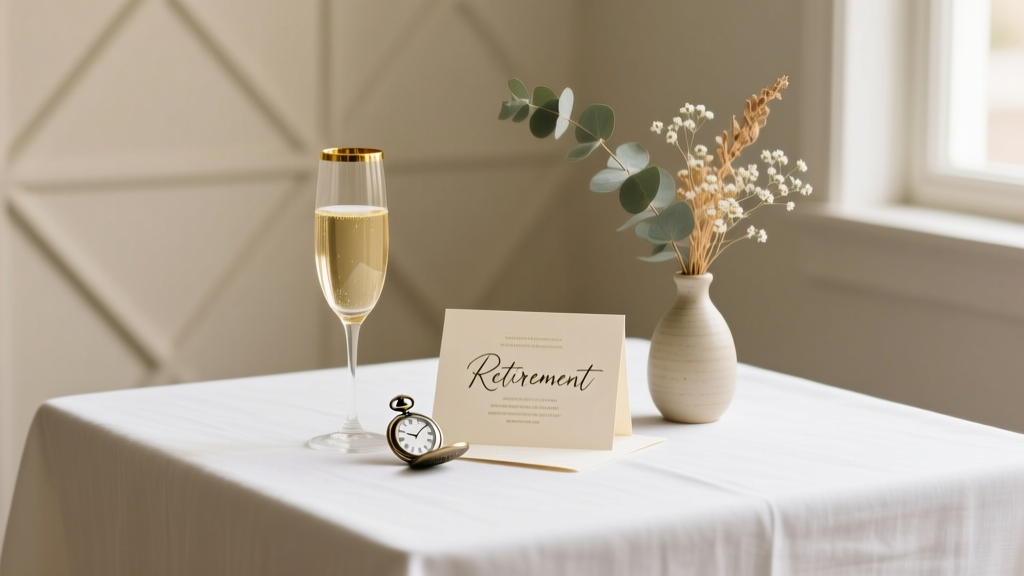
How to DIY a Retirement Celebration
A retirement celebration is more than a party—it’s a milestone that marks decades of work, relationships, and personal growth. Done well, it honors the retiree’s story, brings the right people together, and creates a warm send-off that feels intentional rather than thrown together at the last minute.
Because retirements often involve a mix of coworkers, friends, and family, the logistics can get tricky fast: guest lists from different life chapters, varying comfort levels with speeches, dietary needs, accessibility concerns, and a wide range of budgets. A clear event planning roadmap helps you coordinate details without stress, keep costs under control, and deliver an experience that feels personal and polished.
This guide walks you through a practical, DIY-friendly approach to retirement party planning—complete with timelines, checklists, budget breakdowns, vendor tips, and proven coordination strategies used by professional event planners.
Step 1: Define the Purpose and Style of the Retirement Party
Before you price venues or pick decorations, get clarity on what you’re planning. The best retirement party ideas start with the retiree’s personality and the social dynamics of the group.
Key decisions to make first
- Who is hosting? Coworkers, the company, family, or a mix? Decide who has final say on budget and guest list.
- Party format: Casual open house, cocktail reception, brunch, dinner, backyard gathering, or formal banquet.
- Time of day: Brunch/lunch tends to be lower cost; evenings often feel more celebratory.
- Guest count range: “30–40” is enough to begin research, even if the final number changes.
- Accessibility needs: Parking, ramps/elevators, seating availability, and sound level for speeches.
Choose a theme that’s meaningful (and easy to execute)
Current event planning trends lean toward personal storytelling over generic themes. Aim for “simple + intentional.” Examples:
- Career highlight theme: “30 Years of Service” with photos, awards, and a timeline display.
- Next chapter theme: Travel, gardening, golf, volunteering, grandkids, or a hobby station.
- Classic & elegant: Black/white + metallic accents with a signature mocktail/cocktail.
- Open house “drop-in” style: Great for larger circles and staggered attendance.
Real-world example: A 75-person retirement open house for a school administrator used a “Before & After the Bell” theme: breakfast pastries during the first hour, then a light lunch spread. The retiree’s story was displayed on a photo wall organized by decade, and guests wrote notes on “Advice for the Next Chapter” cards.
Step 2: Build Your Planning Team and Communication System
DIY event coordination works best with defined roles and a shared planning hub.
Assign simple roles
- Lead planner: Owns timeline, vendor communication, and decisions.
- Budget tracker: Tracks deposits, due dates, and reimbursements.
- Guest manager: Handles invitations, RSVPs, and seating needs.
- Day-of coordinator: Runs the schedule so the host can enjoy the event.
Use proven organizational tools
- Shared spreadsheet for budget + vendor contacts
- Digital invitations with RSVP tracking (helps prevent last-minute headcount surprises)
- A single group chat for the planning team (limit decision-making to one channel)
- A simple run-of-show document for the day-of schedule
Step 3: Set a Budget That Matches the Vision
Budget is where good event planning becomes realistic. Start with a maximum spend, then allocate percentages so you don’t overspend early.
Common retirement party budget ranges (DIY-friendly)
- Small gathering (15–30 guests): $300–$1,200
- Medium party (30–60 guests): $1,200–$3,500
- Larger event (60–120 guests): $3,500–$8,000+
Sample budget breakdown (percentage-based)
- Food & beverage: 40–55%
- Venue & rentals: 15–25%
- Decor + flowers: 5–10%
- Entertainment (DJ/playlist/sound): 5–10%
- Photography: 5–15%
- Invites + signage + printing: 2–5%
- Contingency: 8–10%
Practical cost-saving strategies
- Host at a home, community clubhouse, or workplace space (ask about policy and insurance needs).
- Schedule a brunch or afternoon reception to reduce alcohol and catering costs.
- Use a “signature drink” + nonalcoholic option instead of a full bar.
- Choose one statement decor moment (photo wall or balloon garland) and keep the rest minimal.
- Rent essentials only (tables/chairs/linens) and skip trendy extras that won’t be noticed.
Step 4: Choose the Date, Venue, and Vendors
Retirement parties often have a narrow window—close to the retiree’s last day—so lock in the date early, especially if guests are traveling.
Venue selection tips
- Match the room size to the vibe: Too large can feel empty; too small feels cramped.
- Ask about what’s included: Tables, chairs, AV, kitchen access, setup/cleanup time.
- Confirm noise policies: Speeches and music need reasonable volume.
- Plan parking: Include overflow or rideshare instructions on the invite.
Vendor selection checklist (quick but effective)
- Request quotes that include taxes, service fees, delivery, setup, and gratuity guidance.
- Confirm cancellation/reschedule terms in writing.
- Ask for a “day-of contact” number and arrival window.
- Prioritize vendors who communicate clearly—coordination matters more than fancy packaging.
Catering options that work well for retirement celebrations
- Buffet or stations: Easy flow, flexible dietary choices.
- Heavy appetizers: Great for mingling and shorter events.
- Potluck (smaller groups): Works best with assigned categories and a clear setup plan.
- Dessert bar: Trend-forward and budget-friendly; pair with coffee/tea.
Step 5: Create a Story-Driven Program (Without Making It Long)
Many retirement parties stall when the program isn’t planned. A short, well-paced run-of-show keeps energy high and helps guests feel included.
Simple run-of-show template (90-minute core window)
- 0:00–0:20 Arrival, drinks, light music, guest book open
- 0:20–0:35 Welcome + first food service
- 0:35–0:55 Toasts (2–4 speakers max, 2–3 minutes each)
- 0:55–1:10 Gift presentation + retiree remarks (optional)
- 1:10–1:30 Dessert, photos, mingle, memory activity
Interactive elements guests actually enjoy
- Memory lane display: A photo timeline with labels by decade or job role.
- Advice cards: “Best retirement advice” or “What I learned from you.”
- Video montage: Keep it 3–6 minutes; test audio in the room.
- Polaroid/instant camera guest book: Trendy, easy, and meaningful.
Real-world example: For a retiree known for mentoring, guests wrote “One thing you taught me” on cards. Those were read aloud by the emcee in a fast-paced 5-minute segment—high impact, no awkward long speeches.
Step 6: Decor, Signage, and Layout Planning
Professional-looking event design is less about expensive decor and more about consistency and flow.
DIY decor plan that looks coordinated
- Pick a color palette: 2–3 colors + one neutral (white, black, or cream).
- Choose one focal point: Balloon garland, photo backdrop, or statement banner.
- Repeat materials: Same napkin color, same font on signage, matching frames.
Layout checklist (avoid bottlenecks)
- Place the gift table away from the entry path.
- Create a separate food line and drink station if possible.
- Ensure seating clusters for older guests and anyone who needs rest breaks.
- Keep the speech area visible and not directly next to loud speakers.
Retirement Party Planning Timeline (Step-by-Step)
6–8 weeks before
- Confirm host + budget cap
- Choose date/time + format
- Create preliminary guest list
- Book venue (if needed)
- Decide catering approach (catered, restaurant, DIY, potluck)
4–6 weeks before
- Send invitations and set RSVP deadline (10–14 days before event)
- Book key vendors: catering, rentals, photographer, DJ/AV as needed
- Outline program: welcome, toasts, gift presentation, retiree remarks
- Start collecting photos/messages for slideshow or memory display
2–3 weeks before
- Confirm menu and dietary needs
- Order decor, signage, and any personalized items
- Assign speakers and give time limits
- Plan seating approach (open seating or reserved tables)
1 week before
- Finalize RSVP count and send to caterer/venue
- Print signage: welcome sign, food labels, timeline labels
- Create your day-of run-of-show and share with helpers
- Confirm vendor arrival times and day-of contact numbers
1–2 days before
- Shop for beverages, ice, and last-minute supplies
- Prep DIY items: centerpieces, memory table, favor assembly
- Charge microphones/speakers (or test venue AV)
- Pack an event kit (tape, scissors, markers, extra batteries, stain remover)
Day of event
- Set up focal decor + signage first (big visual impact)
- Check lighting and sound for speeches
- Assign one person to greet vendors and handle payments/tips
- Keep the program moving; start toasts when most guests have arrived
- Build in 10 minutes at the end for group photos and goodbyes
Printable-Style DIY Checklist (Quick Reference)
- Guest list + RSVP tracker
- Venue contract + setup/cleanup times
- Catering menu + headcount confirmation
- Rentals (tables, chairs, linens, plates/flatware if needed)
- Decor (palette, centerpiece plan, focal point)
- Signage (welcome sign, agenda/program, labels)
- Audio/visual (mic, speaker, slideshow adapter)
- Speakers confirmed + speech order set
- Gift plan (group gift, card, presentation moment)
- Day-of run-of-show + helper assignments
Common Retirement Party Planning Mistakes (and How to Avoid Them)
- Overloading the schedule with speeches: Cap speakers at 2–4, keep it short, and choose an emcee to manage flow.
- Underestimating setup time: DIY decor and food setups take longer than expected. Add a 30–60 minute buffer.
- Skipping RSVP enforcement: Headcount affects budget and food. Use a clear RSVP deadline and follow up.
- Forgetting accessibility: Ensure seating, easy parking, and reasonable audio levels—especially for mixed-age guest lists.
- No weather backup plan (outdoor parties): Have a tent, indoor option, or clear rain date decision policy.
- Trying to do everything yourself: Even a small party needs a day-of point person so the host can be present.
FAQ: DIY Retirement Celebration Planning
How far in advance should I start planning a retirement party?
Start 6–8 weeks ahead for most DIY events. If you need a popular venue, live entertainment, or out-of-town guests, aim for 10–12 weeks.
What’s the best time of day for a retirement celebration?
Brunch and afternoon receptions are budget-friendly and work well for mixed-age groups. Evening events feel more formal and often require a higher food and beverage spend.
Do I need a formal program with speeches?
No, but a light structure helps. Even a casual event benefits from a 5–10 minute “moment” for a toast, gift, or group photo so the celebration feels purposeful.
How do I keep costs down without looking cheap?
Spend on guest comfort first (food, seating, sound). Then choose one high-impact visual element—like a photo wall or a cohesive balloon installation—while keeping the rest minimal and consistent.
Should we do a group gift?
A group gift is often easiest and feels generous. Pair it with a heartfelt card signed by everyone, or a small book of notes to make it personal.
What’s a good alternative to hiring a DJ?
Create a curated playlist and assign someone to manage volume and transitions. If you’re doing speeches, prioritize access to a microphone and speaker so guests can hear clearly.
Next Steps: Your Simple Action Plan
- Confirm the host, budget cap, and guest count range.
- Choose the format (open house, brunch, dinner) and lock the date.
- Book the venue and catering approach, then send invitations with a clear RSVP deadline.
- Build your run-of-show with short toasts and one meaningful storytelling element.
- Finalize the layout, assign day-of roles, and use the checklist to keep coordination smooth.
A well-planned retirement celebration doesn’t have to be complicated—it just needs clear priorities, a realistic timeline, and thoughtful details that reflect the retiree’s journey.
Looking for more step-by-step event planning tips, party organization templates, and coordination guides? Explore more resources on smartpartyprep.com and plan your next celebration with confidence.
More Articles
 Stop Wasting Hours on Morning Event Logistics: How A.M. Party Rentals Solve Last-Minute Setup Stress, Cut Labor Costs by 42%, and Guarantee On-Time Delivery—Even for 6 a.m. Start Times
 Which Party Freed the Slaves? The Truth Behind Lincoln, the Republicans, and Why This Question Misses the Real Story of Emancipation — A Historian’s Clear Breakdown
What Was Lincoln's Political Party? The Surprising Truth Behind His Switch From Whig to Republican — And Why It Changed American Democracy Forever
How to Actually 'Don’t Stop the Party' (Pitbull Style): The 7-Step Event Planner’s Playbook for Nonstop Energy, Crowd Engagement & Zero Awkward Lulls
How Many Republicans Have Left the Party in 2025? The Real Numbers (Not Speculation) — Plus Why It Matters for Your Local Races, Donor Strategy, and Media Messaging Right Now
Which Party Freed the Slaves? The Truth Behind Lincoln, the Republicans, and Why This Question Misses the Real Story of Emancipation — A Historian’s Clear Breakdown
What Was Lincoln's Political Party? The Surprising Truth Behind His Switch From Whig to Republican — And Why It Changed American Democracy Forever
How to Actually 'Don’t Stop the Party' (Pitbull Style): The 7-Step Event Planner’s Playbook for Nonstop Energy, Crowd Engagement & Zero Awkward Lulls
How Many Republicans Have Left the Party in 2025? The Real Numbers (Not Speculation) — Plus Why It Matters for Your Local Races, Donor Strategy, and Media Messaging Right Now
 Top 25 Tips for a Grand Opening
 How to Do a Watch Party on Discord in 2024: The Only Step-by-Step Guide You’ll Need (No Bots, No Glitches, Just Seamless Sync)
 Who Are the Major Leaders of the Democratic Party in 2024? A Real-Time Breakdown of Power Players — From Congressional Chairs to Grassroots Influencers Shaping Policy, Messaging, and the Presidential Ticket
What Party Was Hitler In? The Truth Behind the Nazi Party’s Rise — Debunking 7 Dangerous Myths That Still Circulate Online Today
What Is the Best Gift for Engagement Party? 7 Thoughtful, Budget-Savvy, and Etiquette-Approved Picks (No Awkward Guesswork Required)
Who Are the Major Leaders of the Democratic Party in 2024? A Real-Time Breakdown of Power Players — From Congressional Chairs to Grassroots Influencers Shaping Policy, Messaging, and the Presidential Ticket
What Party Was Hitler In? The Truth Behind the Nazi Party’s Rise — Debunking 7 Dangerous Myths That Still Circulate Online Today
What Is the Best Gift for Engagement Party? 7 Thoughtful, Budget-Savvy, and Etiquette-Approved Picks (No Awkward Guesswork Required)