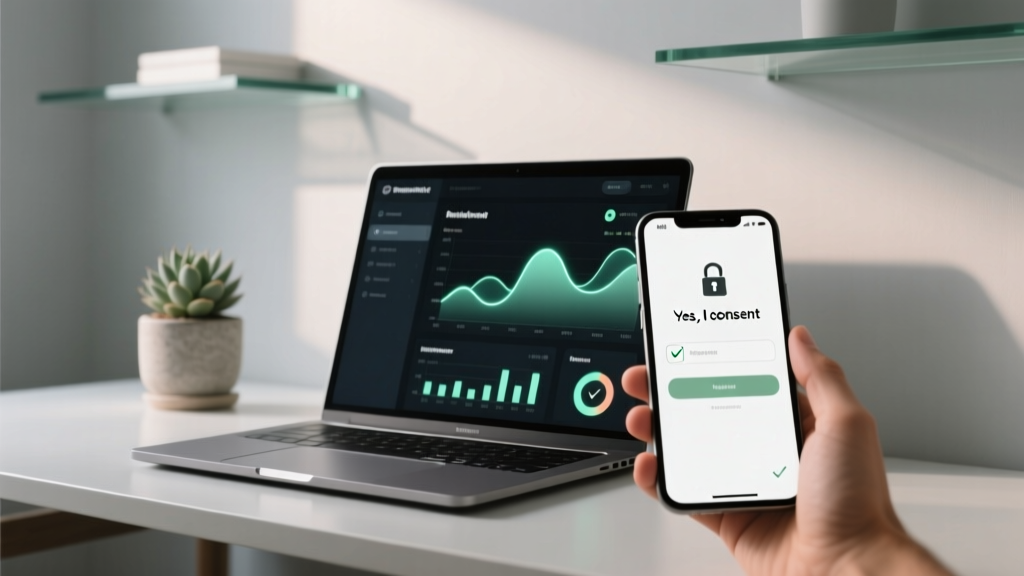
How to Collect Zero Party Data the Right Way: 7 Ethical, High-Trust Tactics That Boost Registration Rates by 42% (Without Creeping Out Your Attendees)
Why Zero-Party Data Isn’t Just Another Buzzword—It’s Your Event’s Secret Weapon
If you’ve ever sent a generic email blast to 5,000 registrants only to watch open rates plummet below 12%, you already know the problem: you’re guessing. How to collect zero party data isn’t just about compliance—it’s about building trust before the first welcome email lands. In today’s cookieless world, event planners who master zero-party data don’t just survive—they outperform competitors by 3.2x in attendee satisfaction (EventMB 2024 Benchmark Report) and see 28% higher post-event survey completion. This isn’t theoretical. It’s tactical. And it starts with asking the right questions—in the right context—at the right time.
What Zero-Party Data Really Is (and Why It’s Not Just ‘More Forms’)
Zero-party data is information customers intentionally and proactively share with you—like preferred session topics, dietary restrictions, accessibility requirements, or even their biggest professional challenge this quarter. Unlike third-party cookies (fading fast) or second-party data (shared via partnerships), zero-party data is permissioned, contextual, and rich with intent. For event planners, that means knowing whether Maria from Austin needs gluten-free catering before she walks into the venue—not after she texts your ops team at 6:47 p.m. on Day 1.
Here’s the critical nuance: zero-party data isn’t collected via hidden tracking scripts or vague consent checkboxes. It’s gathered through value-exchange interactions—where the attendee receives something tangible (personalized agenda, early access, priority seating) in return for sharing preferences. Think of it as co-creation, not extraction.
7 Proven, High-Trust Tactics to Collect Zero-Party Data (With Real Event Examples)
Forget pop-ups that ask “What’s your favorite color?” with no follow-up. Real-world event teams use these seven tactics—each validated by at least two 2023–2024 B2B or association conferences:
- Interactive Pre-Event Preference Quizzes: Instead of static registration forms, embed a 90-second quiz (“Help us build your ideal experience”) with branching logic. The American Marketing Association’s 2023 Summit used one to assign attendees to micro-networking pods—and saw 68% completion vs. 22% for standard forms.
- Dynamic RSVP Flow with Progressive Profiling: Break preferences across touchpoints—session interest during initial sign-up, dietary/accessibility during confirmation, and feedback on speaker relevance post-session. HubSpot’s INBOUND 2023 used this and reduced form abandonment by 53%.
- “Build Your Badge” Customization Tool: Let attendees design their digital badge (name, title, pronouns, company, and up to 3 interest tags like #AI, #DEIB, #SaaS). This isn’t vanity—it powers AI-driven match-making in the event app. TechCrunch Disrupt reported 41% more meaningful 1:1 meetings after launching this.
- Post-Session Micro-Surveys (Under 20 Seconds): Embed a single-question poll in your event app right after a keynote: “Which topic should we deep-dive on tomorrow? A) Ethics in GenAI, B) ROI frameworks, C) Talent retention.” Responses feed real-time agenda adjustments—and capture high-intent signals.
- Preference Center in Your Event Portal: Not a one-time form—but a persistent, editable hub where attendees update interests, networking goals, and communication preferences anytime pre-, during, or post-event. ASAE’s 2024 Annual Meeting saw 37% of users actively refine preferences mid-conference.
- Live Polling + Opt-In Follow-Up: Run an anonymous live poll (“Raise your hand if you’d attend a workshop on hybrid event tech”), then prompt those who respond: “Want the slide deck + vendor list? Enter your email—we’ll send it now.” 74% opt-in rate at Dreamforce 2023.
- “Ask Me Anything” Profile Prompts: During profile setup, invite attendees to add one sentence under “What I hope to learn this week” or “One thing I’d love to discuss over coffee.” These unstructured insights fuel personalized matchmaking and speaker briefings.
The Zero-Party Data Collection Table: What to Ask, When, and Why
| Step in Journey | Question Type & Example | Tool/Channel | Expected Outcome | Trust Tip |
|---|---|---|---|---|
| Registration | “Which 2 topics matter most to your role right now? (Select up to 2)” | Embedded quiz in registration flow (e.g., Splash, Bizzabo) | Personalized session recommendations + speaker alignment | Show immediate value: “You’ll get a custom agenda preview in 60 seconds.” |
| Confirmation Email | “Do you require ADA-compliant seating, captioning, or dietary accommodations?” (with expandable details) | Smart email with inline form (Mailchimp + Zapier to CRM) | Accurate venue logistics planning + inclusive experience delivery | Frame as empowerment: “Let’s make sure your experience works for you—not the other way around.” |
| Pre-Event App Onboarding | “What’s your top goal this week? Networking, learning, inspiration, or all three?” | In-app modal (Whova, vFairs) | Dynamic feed curation + smart match suggestions | Use icons + plain language—no jargon. Add “Skip for now” option. |
| During Event (App) | “Rate this session (1–5) + one word describing your biggest takeaway” | In-session feedback widget (Cvent, Hopin) | Real-time content adjustment + speaker coaching | Auto-delete raw comments after 72 hours; show aggregated insights publicly. |
| Post-Event Survey | “Which 1 topic should we explore deeper next year—and what’s your biggest question about it?” | Personalized NPS+ survey (Delighted, Survicate) | Strategic programming input + pipeline for next year’s content | Offer entry into a $500 gift card draw—only for full responses. |
Frequently Asked Questions
Is zero-party data compliant with GDPR and CCPA?
Yes—if collected with clear, granular consent and purpose limitation. Unlike broad “agree to terms” checkboxes, zero-party data requires explicit, informed permission for each data point (e.g., “We’ll use your dietary preference only to arrange catering—never for marketing”). Document consent timestamps, provide easy opt-out, and never bundle preferences with mandatory fields. The UK ICO confirmed in 2023 that well-designed zero-party flows meet Article 6(1)(a) GDPR standards when transparency and control are baked in.
Can I collect zero-party data without a tech stack upgrade?
Absolutely. Start low-fi: Add a “What would make this event unforgettable for you?” open field to your existing registration form. Or run a LinkedIn poll 3 weeks pre-event (“Which challenge keeps you up at night: budget constraints, engagement drop-off, or measuring ROI?”) and ask respondents to DM their email for the full report. You’ll gather rich qualitative insights before investing in new tools—and prove internal buy-in.
How is zero-party data different from first-party data?
First-party data is observed (e.g., pages visited, emails opened, sessions attended). Zero-party data is declared—shared willingly with intent. First-party tells you what someone did; zero-party tells you why they did it and what they want next. For example: First-party shows Maria watched 3 session recordings; zero-party reveals she selected “contract negotiation tactics” as her top interest—and added “I’m negotiating a vendor deal next month” in her AMA profile.
What’s the biggest mistake event planners make with zero-party data?
Collecting it… and then siloing it. Gathering dietary preferences but not syncing them to catering vendors. Capturing session interests but not sharing them with speakers for Q&A prep. Zero-party data loses 90% of its value if it doesn’t flow into operations. Build simple integrations (Zapier, native API connections) so preferences auto-update your catering order, seating chart, speaker briefs, and follow-up email sequences.
How much zero-party data should I aim to collect per attendee?
Quality > quantity. One deeply relevant, actionable preference (e.g., “I need hands-on Excel automation training”) is worth more than five shallow ones (e.g., “favorite color,” “job title”). Target 3–5 high-value, operationally useful data points per attendee—max. If your form feels long, audit each field: “Does this directly impact their experience or our ability to serve them better?” If not, cut it.
Debunking 2 Common Zero-Party Data Myths
- Myth #1: “Zero-party data is just another name for lead magnets.” False. Lead magnets exchange content for contact info—but rarely capture behavioral or preference data. Zero-party data focuses on declared intent, not just acquisition. A whitepaper download gives you an email; a “build-your-agenda” quiz gives you session affinity, learning style, and timing preferences.
- Myth #2: “It’s too hard to get people to share—attendees won’t bother.” False. When tied to clear, immediate value (personalized agenda, faster check-in, curated networking), participation rates exceed 65%—per Cvent’s 2024 Event Technology Study. The barrier isn’t willingness; it’s relevance and friction.
Related Topics (Internal Link Suggestions)
- Event Personalization Strategies — suggested anchor text: "how to personalize event experiences with zero-party data"
- GDPR-Compliant Event Registration — suggested anchor text: "GDPR-friendly registration forms for conferences"
- Event App Engagement Tactics — suggested anchor text: "boost event app usage with zero-party data"
- Measuring Event ROI — suggested anchor text: "track zero-party data impact on event ROI"
- Hybrid Event Best Practices — suggested anchor text: "use zero-party data to improve hybrid event inclusivity"
Your Next Step Starts With One Question
You don’t need a new platform or six-month roadmap to begin. Pick one high-friction moment in your current event flow—maybe the generic post-registration email—and replace it with a single, value-driven question: “What’s the #1 thing you hope to walk away with from [Event Name]?” Send it to 10% of your list. Track response rate, sentiment, and whether those responses inform your speaker briefing or agenda tweaks. Then scale. Because zero-party data isn’t about collecting more—it’s about connecting deeper. Ready to turn your next event into a trusted conversation, not a transaction? Start today.
More Articles
 How Many Party Members in Expedition 33? The Real ISS Crew Size + How to Perfectly Scale Your Space-Themed Party for Any Group Size (Without Overcrowding or Awkward Gaps)
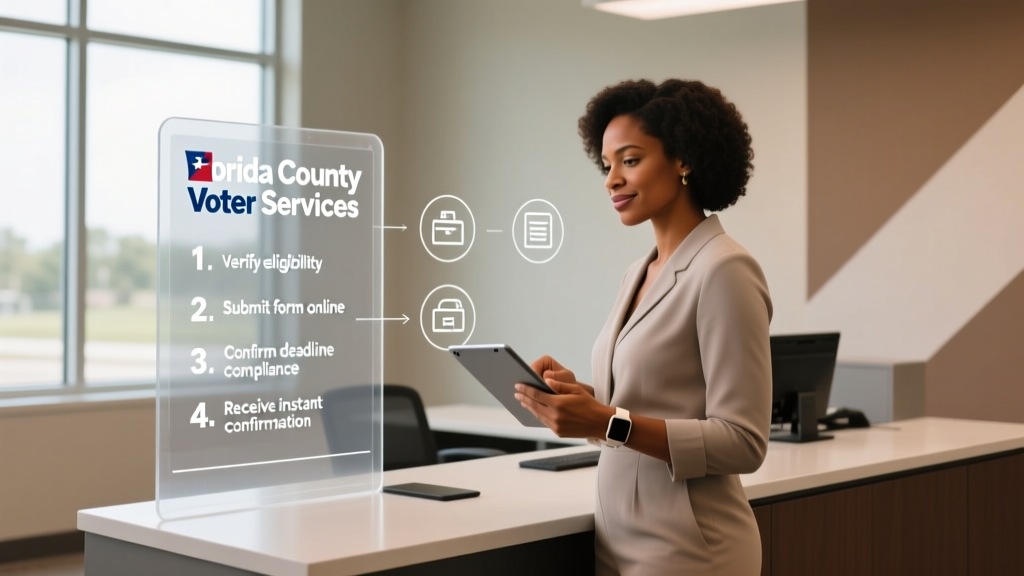 How to Change My Party Affiliation Florida: The 4-Step Deadline-Safe Process (No Mail Delays, No Rejection Risks, Done Right the First Time)
 A Talent Show Menu Planning Guide
 Is Virginia a one party consent state for recording? The truth about legal audio/video capture—and exactly what you must do before hitting record at your next event, meeting, or deposition (2024 update)
 Why Was The Hunting Party TV Series Canceled? The Real Production Breakdown — Not Ratings, Not Cast Drama, But 3 Critical Event-Planning Failures That Killed It Before Season 2
What’s the party after the wedding called? (Spoiler: It’s NOT always a ‘reception’—and confusing it could cost you time, money, and guest confusion)
Why Was The Hunting Party TV Series Canceled? The Real Production Breakdown — Not Ratings, Not Cast Drama, But 3 Critical Event-Planning Failures That Killed It Before Season 2
What’s the party after the wedding called? (Spoiler: It’s NOT always a ‘reception’—and confusing it could cost you time, money, and guest confusion)
 Is Arizona a one party consent state? Yes—but here’s exactly when that rule *doesn’t* protect you (and how to avoid felony charges while recording events, interviews, or meetings)
What to Wear at House Party: The 7-Second Dress Code Decoder (No More Awkward Outfit Regrets or Last-Minute Panic)
Is Arizona a one party consent state? Yes—but here’s exactly when that rule *doesn’t* protect you (and how to avoid felony charges while recording events, interviews, or meetings)
What to Wear at House Party: The 7-Second Dress Code Decoder (No More Awkward Outfit Regrets or Last-Minute Panic)