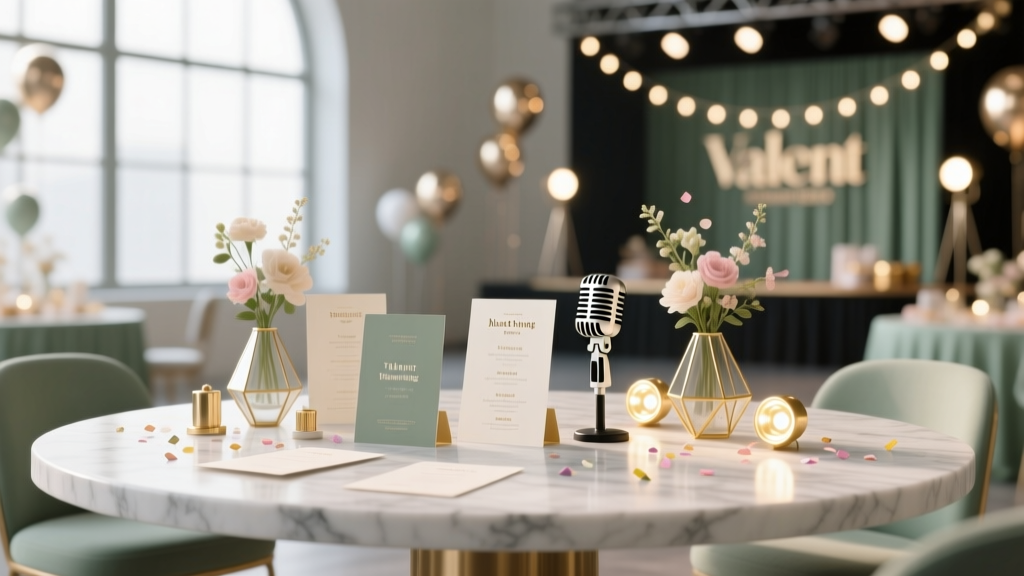
A Talent Show Menu Planning Guide
A talent show is equal parts performance and party. Guests come for the singing, dancing, comedy, and surprises—but they remember the experience as a whole. A thoughtful menu keeps energy high, avoids long lines during key acts, and supports a smooth event run-of-show. When food service is planned like any other “act” on the schedule, the show feels polished and professional.
Menu planning for a talent show has unique challenges: quick transitions, varied age groups, limited backstage space, and sound-sensitive moments where clinking plates can steal attention. The best approach is strategic and guest-centered—choose foods that are easy to serve, easy to eat, and aligned with your venue, budget, and timeline.
This guide gives you a step-by-step framework, timeline templates, budgeting tips, vendor selection advice, and practical examples you can plug into your event plan—whether you’re organizing a school fundraiser, a corporate talent night, or a community showcase.
Start With the Event Basics (Before You Choose a Single Dish)
Clarify your talent show format
- Show length: 60–120 minutes is common; longer events benefit from an intermission snack plan.
- Audience size and flow: Are guests seated theater-style, at banquet tables, or moving between lobby and auditorium?
- Intermission plan: If you have one, food service must be fast (10–15 minutes) and prepped for high volume.
- Awards and finale timing: Schedule dessert/coffee after the final act to reduce noise and distractions.
Know your venue rules and service constraints
- Food allowed in auditorium? Many venues allow drinks only. Plan lobby stations if needed.
- Kitchen access: Full kitchen, warming space, or none? This dictates menu complexity.
- Storage and power: Refrigeration, outlets, and access for chafers or coffee urns.
- Cleanup requirements: Trash and recycling expectations, composting rules, and end-time restrictions.
Confirm guest needs early
- Dietary restrictions: Collect allergies and preferences during ticketing (gluten-free, nut-free, vegan).
- Age mix: Kid-friendly options for school/community events; elevated small bites for corporate receptions.
- Timing: A 6–8 p.m. event suggests a meal or hearty snacks; a 2 p.m. matinee can be lighter.
Menu Strategy That Works for Talent Shows
Design for speed, silence, and minimal mess
Talent shows reward “grab-and-go” service and foods that don’t require cutting, scraping, or loud packaging.
- Best formats: boxed meals, pre-portioned cups, skewers, slider trays, and plated desserts.
- Avoid: crunchy chips during performances, messy sauces, hard-to-balance plates, and foods with strong odors.
- Use: napkin-forward items, bite-sized portions, and sealed water bottles or lidded cups.
Match the menu to the moment
- Pre-show (30–60 minutes before curtain): light bites and beverages to welcome guests.
- Intermission (10–15 minutes): fast, pre-set snacks and quick-pour drinks.
- Post-show (20–45 minutes): dessert and coffee; optional celebratory add-ons for performers and VIPs.
Current event planning trends to borrow
- Mini portions and curated “tasting” stations: keeps lines moving and looks premium on a budget.
- Inclusive menus: clearly labeled allergen-friendly items and one strong plant-based option.
- Sustainable service: compostable ware, water refill stations, and reduced single-use plastic where venue allows.
- QR code signage: menu + allergen info on a simple QR display to reduce printing and confusion.
Sample Talent Show Menus (Choose One and Customize)
Option A: Family-Friendly School Talent Show (300 guests)
- Pre-show: popcorn cups, fruit cups, bottled water
- Intermission: soft pretzels (salt on the side), cheese sticks, juice boxes
- Post-show: cookie assortment + hot chocolate/coffee station
Real-world tip: Use pre-filled popcorn cups to eliminate scooping lines and reduce spills in the auditorium.
Option B: Corporate Talent Night (120 guests)
- Reception (pre-show): charcuterie cones or boxes, sparkling water, mocktails/cocktails (if permitted)
- During show: drinks only in theater (quiet, lidded)
- Post-show: dessert shooters, espresso/tea bar
Real-world tip: Put anything crunchy (crisps, crackers) outside the performance space and switch to soft bites inside.
Option C: Community Fundraiser Talent Show (200 guests)
- Pre-show: sponsor-branded snack mix cups, lemonade/iced tea
- Intermission: slider trio (pulled chicken, veggie, classic), salad cups
- Post-show: sheet cake slices, coffee
Real-world tip: Sell “skip the line” snack bundles during ticketing to improve cash flow and reduce intermission congestion.
Step-by-Step Planning Timeline (With Checklist)
6–8 Weeks Before: Foundations
- Confirm venue policies: food areas, alcohol rules, cleanup, approved vendors.
- Estimate attendance and service windows (pre-show/intermission/post-show).
- Pick service style: concessions, buffet stations, boxed meals, or catering trays.
- Decide who is serving: volunteers, venue staff, caterer, or hybrid.
- Set your menu goals: fast service, minimal mess, inclusive options.
4–5 Weeks Before: Menu Build + Vendor Outreach
- Create a short menu with:
- 1–2 “anchor” items (main snack/meal component)
- 1–2 sides
- 1 dessert option
- 2–3 beverage choices
- Collect dietary needs during ticket sales (add a checkbox list).
- Request quotes from 2–3 caterers or vendors.
- Plan equipment needs: chafers, ice, coolers, coffee urns, serving utensils.
- Draft signage plan: menu labels, allergen info, pricing if selling concessions.
3 Weeks Before: Confirm Logistics + Staffing
- Finalize menu quantities (use RSVP/ticket sales + 10% buffer).
- Confirm delivery/pickup times aligned with load-in and soundcheck.
- Assign roles:
- Food lead (overall coordination)
- Runner (restock and ice)
- Cashless payments lead (if selling)
- Allergen point person (answers questions)
- Cleanup lead
- Build a floor plan: stations, queues, trash, water, and performer-only area.
1–2 Weeks Before: Final Details
- Order disposables and supplies:
- plates/boats, napkins, cups, cutlery (only if needed)
- gloves, sanitizer, wipes, trash liners
- tablecloths, labels, markers, tape
- Confirm payment method with vendors (deposit, final balance, gratuity).
- Schedule intermission “rush plan”:
- pre-portion items
- open multiple lines
- use clear signage for faster decisions
- Send a brief menu preview to guests if helpful (especially for allergy transparency).
48–72 Hours Before: Execution Prep
- Reconfirm headcount and delivery time with vendors.
- Print labels for:
- vegetarian/vegan
- gluten-free
- nut-free (only if verified)
- common allergens present
- Prepare cashless payment setup (QR codes, card readers, wifi check).
- Pack an event “menu kit”:
- extra serving tongs
- lighter/matches (if allowed)
- scissors
- sharpies
- first-aid basics
Day-Of: Quick Checklist
- Walk the venue: confirm station locations and power access.
- Set up stations 60–90 minutes before doors (earlier if cooking/warming).
- Post signage at eye level before guests arrive.
- Brief staff/volunteers on:
- service timing
- portion sizes
- allergen answers and escalation process
- cleanup plan
- During intermission: restock fast, keep lines moving, protect performer pathways.
- Post-show: shift to dessert/coffee and begin breakdown in non-guest areas.
Budget Planning: Practical Breakdown + Cost Controls
Typical menu budget ranges (per person)
- Light refreshments: $5–$10 (snacks + beverages)
- Heavy snacks / grazing: $10–$18
- Simple meal (boxed/buffet): $15–$30+
Sample budget breakdown (for $2,400 total / 150 guests = $16 pp)
- Food: $1,650 (69%)
- Beverages: $300 (13%)
- Rentals/supplies (disposables, chafers, ice): $250 (10%)
- Staffing/volunteer thank-you: $100 (4%)
- Contingency (10%): $100 (4%)
Cost-saving strategies that still feel premium
- Serve one standout item (signature slider or dessert cup) and keep the rest simple.
- Limit beverage choices to three: water, one sparkling/soft drink, coffee/tea.
- Use pre-portioned servings to control costs and reduce waste.
- Partner with sponsors for a “concession presented by” sign in exchange for covering beverages.
- Choose foods that hold well without constant attention (mini wraps, brownies, fruit cups).
Vendor Selection Tips (Caterers, Concessions, and DIY Hybrids)
What to ask potential vendors
- Have you served events with tight intermission windows?
- Can you provide individually packaged options or pre-portioned trays?
- What is your plan for allergen labeling and ingredient verification?
- Do you handle delivery, setup, and breakdown? What’s included?
- What equipment do you provide (chafers, utensils, tables)?
Red flags to watch for
- Unclear portion counts (“a tray serves 20–40”).
- No written plan for delivery time and holding temperature.
- Vague allergen answers or unwillingness to label items.
- Menu depends on last-minute cooking without a reliable kitchen.
DIY + vendor hybrid (often best for talent shows)
Many organizers use a caterer for main items and handle beverages/snacks internally. Example:
- Caterer: wraps + salad cups + dessert
- Team/volunteers: water, coffee, fruit, and labeled allergy-friendly snacks
Coordination Details That Make the Night Run Smoothly
Queue management and station layout
- Create two identical stations instead of one large one to reduce bottlenecks.
- Place trash and recycling at the exit of each station so guests don’t backtrack.
- Use large-print signage listing items and prices (if selling).
- Keep a performer-only snack area backstage with water and quick energy foods.
Timing example: 7:00 p.m. show with intermission
- 6:00 p.m.: Doors open; pre-show snacks available
- 6:45 p.m.: Last call for lobby snacks before seating
- 7:00 p.m.: Show starts (drinks only inside if permitted)
- 7:45 p.m.: Intermission; pre-set snack pickup + fast beverage pour
- 8:00 p.m.: Act 2 begins
- 8:45 p.m.: Finale/awards
- 8:55 p.m.: Dessert + coffee reception (lobby)
Common Talent Show Menu Planning Mistakes to Avoid
- Planning a “dinner party” menu for a performance event: complicated plating slows service and distracts from the show.
- Underestimating intermission demand: guests all arrive at once—pre-portion and staff accordingly.
- Allowing messy foods near costumes and equipment: keep sauces, powders, and drippy items away from backstage.
- Skipping allergen labels: even small events benefit from clear, consistent labeling.
- Not budgeting for ice, cups, napkins, and trash: “small” supplies add up and can derail the plan day-of.
- Forgetting the cleanup timeline: build breakdown into the event schedule so you’re not scrambling at venue close.
FAQ: Talent Show Menu Planning
How much food should I order for a talent show?
For a standard evening event, plan for a snack-heavy approach: 1–2 items per person pre-show and 1 item per person at intermission, plus dessert if you’re hosting a post-show reception. Add a 10% buffer for popular items and unexpected guests.
Should guests be allowed to eat during the show?
If your venue allows it, keep it quiet and low-mess: bottled water, lidded drinks, and soft items. Many organizers restrict food to the lobby to protect the performance experience and reduce auditorium cleanup.
What are the best foods for a short intermission?
Pre-portioned, grab-and-go items: pretzels, slider boxes, fruit cups, brownies, yogurt parfaits, and cheese/veg snack packs. Avoid anything that requires assembly, cutting, or extensive serving utensils.
How do I handle allergies safely?
Collect dietary needs during ticketing, label items clearly, and assign one trained person to answer questions. When in doubt, avoid making “nut-free” claims unless the vendor can verify ingredients and handling practices.
Is it better to do concessions or catering?
Concessions work well for fundraising and large crowds with simple items. Catering is best when you want a polished guest experience with reliable portions. A hybrid approach often provides the best balance of budget control and smooth coordination.
What’s a simple way to reduce lines?
Duplicate stations, pre-sell snack bundles during ticket checkout, and pre-portion everything possible. Clear signage speeds decision-making and keeps guests moving.
Next Steps: Build Your Menu Plan Like a Run-of-Show
- Confirm venue rules and audience flow.
- Select a service style designed for speed and minimal mess.
- Create a short, inclusive menu with clear labeling.
- Use the timeline above to lock vendors, staffing, and supplies early.
- Run a quick “intermission stress test”: can you serve 50% of guests in 10–15 minutes?
With the right menu strategy, your talent show feels organized, energetic, and guest-friendly—so performers shine and your team stays in control from doors open to final cleanup.
Ready for more step-by-step event planning support? Explore additional party organization and event coordination guides on smartpartyprep.com.
More Articles
 How Big Are Panda Express Party Trays? We Measured Every Tray (Including Hidden Serving Capacity, Real-World Feeding Data, and How Many Guests Each Actually Serves)
Is a bridal shower and bachelorette party the same? No—and confusing them can derail your wedding prep, strain friendships, or waste $1,200+ on mismatched themes, wrong guests, or double-booked weekends. Here’s exactly how they differ (with timelines, budgets, and who *really* plans what).
How to Watch Party Netflix in 2024: The Real-World Guide (No More Frozen Screens, Lag, or 'Wait—Whose Turn Is It?')
What to Serve at a Party: The 7-Step Stress-Free Menu Planner That Cuts Food Waste by 63% (Backed by 127 Hosts’ Real Data)
Who Paid for Trump’s Great Gatsby Party? The Real Funding Breakdown — Not Donors, Not Taxpayers, But Strategic Brand Partnerships You’ve Never Heard Of
How Does Third Party Selling on Amazon Work? The Truth No One Tells You: It’s Not Just Listing Products — Here’s Exactly How Fees, Algorithms, Fulfillment, and Competition Actually Stack Up in 2024
Which political party is against guns? The truth behind party platforms, voting records, and what polls *really* say about gun control support — not just slogans, but bills introduced, amendments blocked, and state-level surprises you’ve never heard of.
How Big Are Panda Express Party Trays? We Measured Every Tray (Including Hidden Serving Capacity, Real-World Feeding Data, and How Many Guests Each Actually Serves)
Is a bridal shower and bachelorette party the same? No—and confusing them can derail your wedding prep, strain friendships, or waste $1,200+ on mismatched themes, wrong guests, or double-booked weekends. Here’s exactly how they differ (with timelines, budgets, and who *really* plans what).
How to Watch Party Netflix in 2024: The Real-World Guide (No More Frozen Screens, Lag, or 'Wait—Whose Turn Is It?')
What to Serve at a Party: The 7-Step Stress-Free Menu Planner That Cuts Food Waste by 63% (Backed by 127 Hosts’ Real Data)
Who Paid for Trump’s Great Gatsby Party? The Real Funding Breakdown — Not Donors, Not Taxpayers, But Strategic Brand Partnerships You’ve Never Heard Of
How Does Third Party Selling on Amazon Work? The Truth No One Tells You: It’s Not Just Listing Products — Here’s Exactly How Fees, Algorithms, Fulfillment, and Competition Actually Stack Up in 2024
Which political party is against guns? The truth behind party platforms, voting records, and what polls *really* say about gun control support — not just slogans, but bills introduced, amendments blocked, and state-level surprises you’ve never heard of.
 Which Is the Best Jackbox Party Pack? We Tested All 10 Packs (2024) to Save You Hours of Confusion — Here’s the Real Winner Based on Player Count, Setup Ease, & Lasting Replay Value
How to Actually 'Don’t Stop the Party' (Pitbull Style): The 7-Step Event Planner’s Playbook for Nonstop Energy, Crowd Engagement & Zero Awkward Lulls
Which Is the Best Jackbox Party Pack? We Tested All 10 Packs (2024) to Save You Hours of Confusion — Here’s the Real Winner Based on Player Count, Setup Ease, & Lasting Replay Value
How to Actually 'Don’t Stop the Party' (Pitbull Style): The 7-Step Event Planner’s Playbook for Nonstop Energy, Crowd Engagement & Zero Awkward Lulls