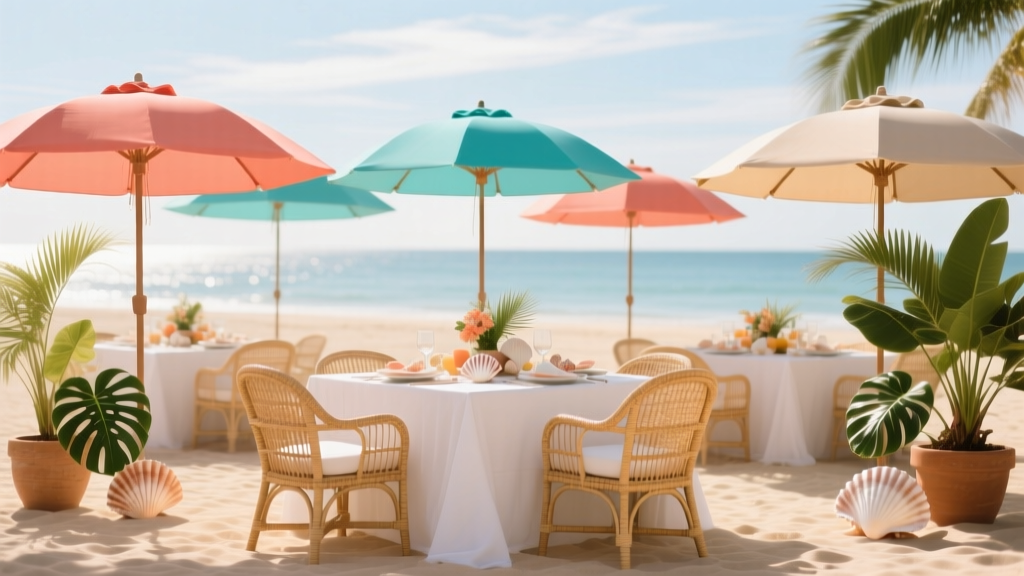
How to Choose a Theme for a Beach Party
A beach party looks effortless when it’s done well: coordinated colors, a cohesive menu, the right music at the right volume, and a setup that feels intentional rather than thrown together. Behind that “easy” vibe is smart planning—especially when sand, sun, wind, tides, and public beach rules are in play.
The theme you choose is more than a cute idea for invitations. It becomes your planning filter for decorations, food, attire, entertainment, rentals, and even your timeline. A strong theme reduces decision fatigue, makes vendor conversations clearer, and helps guests understand what to expect so they show up ready to have fun.
This guide walks you through a practical process to choose a beach party theme that fits your location, guest list, budget, and event goals—plus timelines, checklists, budget examples, and common mistakes to avoid.
Start with the “Why” and “Who” (Your Theme Needs a Purpose)
Before you browse Pinterest boards, define the foundation. This is the fastest way to land on a theme that actually works on the beach.
1) Clarify the occasion and desired vibe
- Occasion: birthday, engagement, corporate retreat, family reunion, bachelorette, graduation, “just because.”
- Vibe: relaxed picnic, high-energy dance party, elegant sunset soirée, family-friendly games day.
- Timing: morning (breezy + bright), afternoon (hot + high sun), sunset (golden hour + romantic), night (lighting + safety).
2) Understand your guest list
- Age range: kids need shade, simple food, and structured activities; adults may want cocktails and a curated playlist.
- Mobility/access: consider beach wheelchairs, boardwalk access, distance from parking, and restroom proximity.
- Dress comfort: not everyone wants to sit on sand or wear themed outfits—choose themes that are optional, not demanding.
3) Confirm the location realities
- Rules and permits: alcohol, amplified music, open flames, glass containers, tents/canopies, balloon releases.
- Weather + wind: décor must be weightable; signage must be sturdy; lightweight items will fly.
- Tide and shade: plan where you’ll set up and how long your space will stay usable.
Theme Selection Framework: Choose a Theme That Makes Planning Easier
Use this simple framework to narrow down options quickly.
Step 1: Pick your theme type
- Color-forward theme: simple, budget-friendly, easy to execute (example: “Coral + Turquoise Coastal”).
- Era/Style theme: memorable and photo-friendly (example: “Retro 80s Beach Club”).
- Destination-inspired theme: feels like travel without overcomplicating (example: “Mediterranean Seaside”).
- Activity-centered theme: ideal for group bonding (example: “Beach Olympics + Bonfire”).
- Luxury/minimal theme: fewer items, higher impact (example: “Neutral Boho Picnic at Sunset”).
Step 2: Choose 3 anchors (so your theme stays cohesive)
Every successful party theme has three anchors:
- Color palette: 2–4 colors max (plus neutrals like white, sand, driftwood tones).
- Signature element: one “hero” detail guests will remember (a tiki bar, a float-friendly drink station, a fringe cabana, a giant beach game lineup).
- Food and drink direction: tropical, coastal seafood, picnic classics, or a specific region.
Step 3: Pressure-test the theme with 5 questions
- Can this theme work with wind, heat, and sand?
- Does it fit my time of day (especially lighting and temperature)?
- Is it achievable within my budget and available rentals/vendors?
- Will guests understand it quickly from the invitation?
- Can I execute it with 10–15 core items rather than 50 small purchases?
Beach Party Theme Ideas (Practical, Trend-Aware, and Easy to Execute)
Current event planning trends emphasize experience-driven gatherings, sustainable décor, and elevated comfort (shade, seating, hydration). Here are themes that align with those trends while staying beach-ready.
1) Coastal Minimalist Sunset Soirée
- Palette: white, sand, beige, soft gold
- Signature element: low picnic tables + lanterns/LED candles
- Menu: grazing boards, sparkling water bar, simple wraps
- Best for: engagements, adult birthdays, small corporate celebrations
2) Tropical Luau (Modern, Not Cheesy)
- Palette: palm green, coral, bright white
- Signature element: tiki-style drink station with fresh fruit and fun garnishes
- Menu: grilled skewers, pineapple slaw, mocktail/cocktail menu
- Tip: skip plastic leis; use fabric napkins, real greenery, and reusable cups
3) Retro Beach Club
- Palette: sun-faded pastels + bold stripe accents
- Signature element: striped umbrellas + lounge towels as “assigned seating”
- Menu: ice cream sandwiches, hot dogs, beach snacks in paper boats
- Best for: milestone birthdays, group trips, brand activations
4) Family Beach Games Day
- Palette: primary colors or bright “sports day” colors
- Signature element: game schedule board + team bandanas
- Menu: easy handheld foods + big hydration cooler
- Best for: reunions, kids’ birthdays, community events
5) Mediterranean Seaside Picnic
- Palette: cobalt blue, white, lemon yellow
- Signature element: lemon-and-olive centerpiece styling (secured in low containers)
- Menu: pita, hummus, Greek salad cups, citrus spritzers
- Trend tie-in: “regional menus” are popular because they feel curated without excess décor
Real-World Theme Example: Turning One Idea into a Full Plan
Scenario: 25 guests, late afternoon, public beach, moderate budget, mixed ages.
- Chosen theme: Coastal Minimalist Sunset Soirée
- Palette: sand + white + sage green
- Hero detail: a staffed (or self-serve) sparkling hydration bar with fruit + herbs
- Décor plan: 2 weighted umbrellas, low tables, neutral blankets, LED lanterns, simple greenery in weighted vases
- Entertainment: curated playlist on a low-volume speaker + 3 oversized games (Jenga, ring toss, paddle ball)
- Guest guidance: invite includes “wear light neutrals” as optional and suggests sandals + a layer for wind
Step-by-Step Planning Timeline (Beach Party Edition)
Beach events succeed when logistics are planned earlier than you think. Use this timeline as your event coordination template.
4–6 Weeks Before
- Choose date/time with a tide and sunset check (avoid high tide squeezing your setup).
- Confirm beach rules and permit requirements (music, alcohol, canopies, fires).
- Lock your theme using the 3 anchors (palette + hero detail + menu direction).
- Create a guest list and send digital invites with clear location pin and parking tips.
- Decide on vendors: catering drop-off, rentals, photographer, bartender (if allowed).
2–3 Weeks Before
- Reserve rentals: umbrellas, chairs, picnic tables, coolers, portable lighting.
- Build your shopping list: weighted décor, table covers/clips, compostable plates, trash bags.
- Plan food storage: how you’ll keep items below safe temps (coolers, ice plan).
- Create your music plan and test speaker battery life.
- Confirm a weather backup option: alternate date, nearby shelter, or “shortened program.”
1 Week Before
- Finalize menu quantities (including kid-friendly and allergy-aware options).
- Send a guest reminder with:
- what to bring (towel, sunglasses)
- what to wear (layer for wind)
- arrival time + landmark
- Prepare signage: schedule, food labels, trash/recycling.
- Assign roles: setup lead, food lead, games lead, cleanup lead.
48–24 Hours Before
- Check marine layer/wind forecast; adjust décor and canopy plan.
- Pre-pack bins by category: décor, food service, games, first-aid, cleanup.
- Pre-chill drinks; freeze water bottles to act as ice packs.
- Confirm vendor arrival times and beach access instructions.
Event Day (Quick Run of Show)
- Arrival: arrive 90–120 minutes early (more if carrying gear far).
- Mark your space: set umbrellas/canopies first; stake or weigh down.
- Layout: seating + tables, then food station, then games and photo area.
- Food safety: set out shelf-stable items first; keep perishables in coolers until needed.
- Guest flow: greet → direct to seating → hydration/snacks → activities.
- Golden hour moment: schedule photos or a toast 30–45 minutes before sunset.
- Cleanup: 20–30 minutes before end time, begin consolidating trash and packing non-essentials.
Beach Party Checklist (Copy/Paste Planning List)
Permits + Logistics
- Beach permit (if required)
- Parking plan + drop-off instructions
- Tide/sunset times confirmed
- Noise rules and speaker plan
- Restroom location noted
Comfort + Safety
- Shade: umbrellas/canopies + weights
- Sunscreen station (spray + lotion)
- Bug spray (depending on location/time)
- First aid kit + sting relief wipes
- Extra water + electrolyte packets
Setup Essentials
- Tablecloth clips or bungee cords
- Sand anchors/weights (water weights work well)
- Large blankets or rugs (easy to shake out)
- Battery-powered lights (LED lanterns/strings)
- Trash bags + recycling bags + gloves
Food + Beverage
- Coolers + ice plan (more than you think)
- Food covers (mesh domes help with sand)
- Compostable plates/napkins/cutlery
- Hand sanitizer + wipes
- Drink labels + allergy labels
Budget Considerations (With Sample Breakdown)
Beach party budgets vary widely. The theme you choose should match the level of production you can realistically support. Here are planning numbers that help guide decisions.
Typical cost categories
- Permits/fees: $0–$300+
- Rentals: $150–$1,200 (umbrellas, chairs, tables, coolers, lighting)
- Food + beverage: $12–$45 per person (depending on catering vs. DIY)
- Décor + paper goods: $60–$400
- Entertainment: $0–$600 (games, playlist, instructor, musician—if permitted)
- Photo/video: $0–$1,500 (DIY tripod vs. professional)
- Staffing/help: $0–$500 (setup/cleanup assistant)
- Contingency: 10–15% buffer for last-minute needs
Sample budget: 20 guests, mid-range setup ($900–$1,300)
- Food + drinks: $500 (simple catering + beverages)
- Rentals: $350 (2 umbrellas, 20 chairs, 2 folding tables)
- Décor/paper goods: $150 (weighted centerpieces, compostables, signage)
- Permits/fees: $0–$150
- Contingency: $100
Theme-to-budget matching tip
- Lower budget: choose a color-forward theme with one hero piece (like a balloon-free photo backdrop or a drink station).
- Mid budget: add rentals for comfort (chairs, umbrellas) and elevate food presentation.
- Higher budget: bring in a stylist, lounge furniture, or a curated entertainment element.
Vendor Selection Tips (What to Ask and What to Avoid)
Beach-friendly vendors understand access challenges, wind, and strict setup windows. Use these questions to vet quickly.
Rental vendors
- Do you provide sand weights/anchors for umbrellas and décor?
- Do you deliver to the beach, or only to a parking area?
- What’s your pickup window if the event ends at sunset?
Caterers or food delivery
- Can you package food for outdoor holding (covered trays, individual portions)?
- What items are safest for heat (and what should be avoided)?
- Do you provide compostable serviceware?
Entertainment and photography
- Have you worked at this beach before (permits, access, lighting)?
- What’s your backup plan for wind (mic protection, sand protection, battery power)?
Common Beach Party Planning Mistakes to Avoid
- Choosing a theme that depends on lightweight décor. Balloons, tissue pom-poms, and tall centerpieces fight the wind.
- Underestimating shade and seating. Comfort is a trend for a reason—guests stay longer when they can cool off and sit.
- Skipping the tide check. A “perfect” setup spot can disappear in an hour.
- Overcomplicating food. Messy sauces, melt-prone desserts, and open platters invite sand and spoilage.
- No cleanup plan. Assign roles and bring more bags than you think; leave the beach cleaner than you found it.
- Unclear guest directions. Beaches are large; provide a map pin, a landmark, and a “look for” description that matches your theme colors.
FAQ: Choosing and Executing a Beach Party Theme
What’s the easiest beach party theme for beginners?
A color-forward coastal theme (two main colors plus white) is the easiest. It keeps decisions simple and translates well to tableware, towels, and signage without specialty props.
How do I make a beach theme feel elevated instead of basic?
Focus on comfort and one hero detail: coordinated shade (matching umbrellas), a styled hydration bar, or a clean picnic lounge setup. Use fewer items, better materials, and consistent colors.
What décor holds up best in wind?
Low, wide arrangements in weighted containers; fabric table runners with clips; lanterns; driftwood accents; and signage on sturdy easels with weights. Avoid lightweight paper and tall pieces.
How far in advance should I book rentals or vendors?
For peak season weekends, book 4–6 weeks out (earlier for larger events). If you need permits, start as soon as the date is chosen.
What’s a realistic per-person budget for a beach party?
DIY snack-style gatherings can land around $15–$25 per person. With rentals and catered food, $35–$75 per person is common, depending on location fees and staffing.
How do I handle a last-minute weather change without losing the theme?
Build a weather-proof version of your theme: swap paper for vinyl signage, prioritize umbrellas/canopies, choose sealed food containers, and plan a shortened schedule that still includes your hero detail (toast, photos, or a game round).
Next Steps: Choose Your Theme and Turn It into a Plan
- Pick your theme type (color-forward, destination-inspired, activity-based, or minimalist luxe).
- Lock your three anchors: palette, hero detail, and menu direction.
- Use the timeline to schedule permits, rentals, and vendor confirmations.
- Build your checklist bins (setup, food service, safety, cleanup) so event day runs smoothly.
- Pressure-test everything for wind, tide, and guest comfort.
If you’re ready for more step-by-step event planning, party organization, and coordination tools, explore the latest guides and templates on smartpartyprep.com.
More Articles
 How to Plan a Dance Party Like a Pro