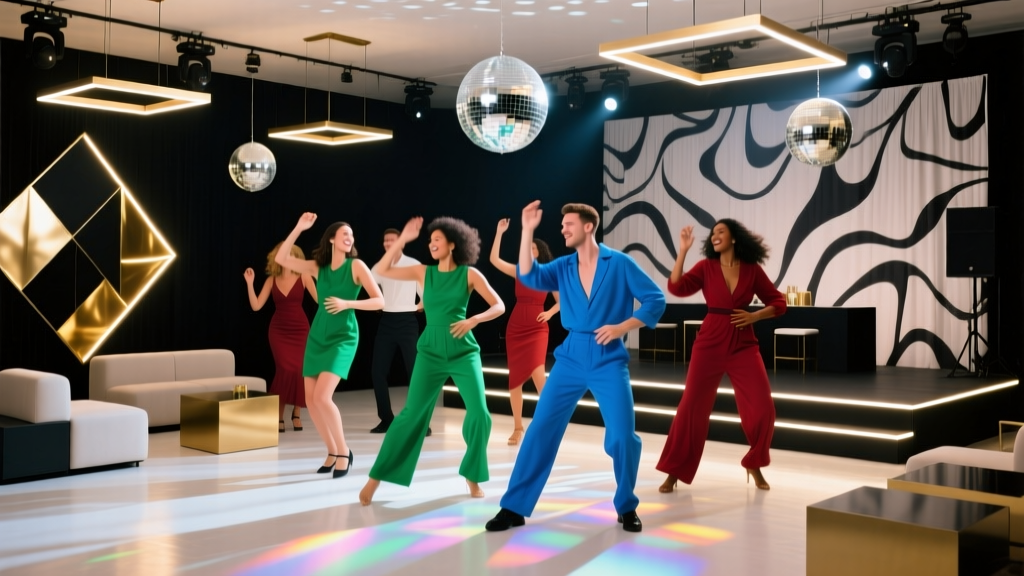
How to Plan a Dance Party Like a Pro
A great dance party looks effortless from the outside: the music hits, the lights set the mood, and the dance floor stays full. Behind the scenes, it’s the result of smart event planning, tight coordination, and a few pro-level decisions that prevent the most common party problems—awkward lulls, overcrowding, sound issues, or a vibe that never quite lands.
Dance parties have a special kind of pressure because the “entertainment” is the room itself. Guests aren’t sitting through a program; they’re actively responding to sound, lighting, flow, and energy. That’s why proper planning matters: you’re not just organizing a party, you’re designing an experience—one that needs pacing, comfort, and a clear plan from setup through last call.
This guide breaks down dance party planning step by step, with timelines, budget considerations, vendor selection tips, and real-world examples you can adapt. Whether you’re planning a birthday dance party, a corporate dance event, a school fundraiser, or a themed night with friends, you’ll have a repeatable system that feels professional without being overwhelming.
Step 1: Define the Party Vision (So Every Decision Gets Easier)
Start with your “event brief”
Before you price venues or contact a DJ, write a one-page event brief. It keeps your planning focused and makes vendor communication faster.
- Purpose: birthday celebration, fundraiser, brand activation, employee appreciation, reunion
- Guest count range: minimum/target/maximum
- Date + time window: doors open, peak dance time, end time
- Vibe: classy lounge, high-energy club, retro theme, Latin night, EDM warehouse, disco glam
- Music direction: “2000s pop + current hits,” “house + disco,” “hip-hop and R&B,” “salsa/bachata mix”
- Dress code: optional, themed, cocktail, festive
- Non-negotiables: great sound, safe space, a photographer, late-night snacks, etc.
Pick your party format
The format impacts your budget, venue type, staffing, and timeline.
- Open dance floor: DJ-led, continuous dancing, minimal programming
- Dance + moments: short set pieces (toast, awards, surprise performance)
- Dance lesson + party: instructor-led start (30–45 minutes), then social dancing
- Themed dance party: costumes, décor, specialty cocktails/mocktails, curated playlist
Step 2: Lock the Venue That Supports the Dance Floor
Venue requirements (non-negotiables for a dance event)
- Sound policies: decibel limits, end time rules, in-house AV requirements
- Layout: a dedicated dance floor area (not a narrow corridor or split-level awkwardness)
- Power: enough circuits for DJ/lighting without tripping breakers
- Ventilation/AC: dancing generates heat fast; ask how they manage temperature
- Safety + access: clear exits, crowd flow, ADA accessibility, secure entry
- Bathrooms: adequate for guest count (lines kill energy)
- Load-in logistics: parking, elevator access, setup time
Pro venue questions to ask during a walkthrough
- What time can vendors load in and start setup?
- Is there a dedicated area for DJ and lighting control?
- Do you require in-house security, bartenders, or AV?
- What’s the plan if the room gets too warm?
- Are there noise restrictions or neighbors to consider?
- What’s included (tables, chairs, linens, staging, coat check, cleanup)?
Real-world example: Venue match by guest count
- 30–60 guests: private room in a lounge/restaurant with a cleared floor area + small DJ setup
- 75–150 guests: boutique event space, community hall, or small club buyout
- 200+ guests: larger venue with professional security, multiple bars, and robust HVAC
Step 3: Build Your Budget (and Protect the “Experience” Line Items)
Typical dance party budget breakdown (percentage guide)
Every region and event type varies, but this is a useful starting point for event budgeting and coordination:
- Venue + rentals: 25–40%
- DJ/entertainment + AV/lighting: 15–30%
- Food + beverage: 20–35%
- Staffing (security, bartenders, attendants): 5–15%
- Decor + production (photo backdrop, signage): 5–12%
- Marketing/invitations: 2–8%
- Contingency: 8–10%
Sample budget tiers (quick planning reference)
- $1,500–$3,500 (small/private): venue room fee, DJ for 3–4 hours, simple lighting, snacks, basic décor
- $4,000–$10,000 (mid-range): dedicated event space, professional DJ + upgraded lighting, photographer, buffet or heavy appetizers, staffed bar (cash or hosted partial)
- $12,000+ (premium): club buyout or large venue, full lighting design, photo/video team, custom décor, branded moments, enhanced security and staffing
Where to spend vs. where to save
- Spend: sound quality, DJ/MC skill, ventilation, security, lighting that flatters guests
- Save: over-decorating (lighting does more than centerpieces), overly complex favors, too many printed items
Step 4: Assemble Your Vendor Team (DJ, Lighting, Photo, Food)
DJ selection tips (your dance floor depends on it)
- Ask for a mix sample (not just a playlist) to understand transitions and pacing.
- Confirm MC style: hype-heavy vs. minimal mic use.
- Share a “must-play/must-avoid” list plus 2–3 reference sets (Spotify links work).
- Clarify gear: speakers, subwoofer, wireless mic, backup laptop/controller.
- Set a run-of-show: when to build energy, when to slow it down, how to handle special moments.
Lighting trends that make dance parties feel elevated
- Intelligent LED wash lighting: transforms a basic room instantly
- Disco balls and pin spots: retro glamour with modern control
- Neon/LED sign moments: great for photos and branding
- Color themes: one or two dominant colors for a cohesive look
- Phone-friendly lighting: balanced ambient light so photos aren’t black holes
Food and beverage strategy: keep people dancing
The goal is to prevent hunger, lines, and mess—without pulling everyone off the floor at once.
- Best formats: passed bites, grazing tables, late-night snack station, food truck timed for peak break
- Bar pacing: add a signature cocktail/mocktail to speed up ordering
- Hydration: water station in a visible location (dance parties need it)
Step 5: Design the Guest Experience (Flow, Energy, and Comfort)
Layout plan (simple and effective)
- Entry zone: check-in + wristbands if needed + clear signage
- Coat/bag area: even a staffed rack reduces clutter
- Bar and water: accessible but not blocking the dance floor
- Dance floor: centered and unobstructed; keep tables off the perimeter if possible
- Social seating: lounge corners for breaks (a current trend that helps all ages participate)
- Photo moment: backdrop with flattering light; keep traffic flow moving
Music pacing: a pro-level run-of-show
Even if you want “nonstop dancing,” pacing matters. Plan it like a story arc:
- Arrival (first 30–45 minutes): upbeat but not peak intensity
- Warm-up: familiar tracks to pull people in
- Peak set: highest energy when most guests are present
- Reset: short cooldown to get drinks, socialize, and recover
- Second peak: another wave of high-energy hits
- Finale: sing-alongs or crowd favorites; announce last call clearly
Step-by-Step Planning Timeline (with Checklist Items)
6–8 weeks out (or more for large events)
- Define event brief: purpose, guest count, vibe, dress code
- Set budget range + contingency (aim for 8–10%)
- Book venue and confirm: hours, sound rules, insurance requirements
- Shortlist and book DJ/entertainment
- Decide on food and beverage format (hosted bar, cash bar, mocktails)
4–6 weeks out
- Book key vendors: lighting/AV, photographer/videographer, security, bartender staffing
- Create the floor plan and guest flow
- Send invitations and track RSVPs (use a simple spreadsheet or event tool)
- Draft your run-of-show (arrival, speeches, peak set times, last call)
- Plan décor priorities: lighting first, then photo moment, then tables
2–3 weeks out
- Finalize playlist direction: must-play, do-not-play, key moments
- Confirm menu quantities and service timing (including late-night snacks)
- Order rentals: cocktail tables, lounge furniture, stanchions, coat rack
- Design signage: welcome sign, bar menu, schedule highlights
- Confirm staffing schedule and vendor load-in times
7–10 days out
- Check RSVPs and adjust catering counts
- Send guest reminders: parking, dress code, start time (and when dancing really starts)
- Review venue rules: confetti, fog machines, open flames, taped décor
- Confirm final payments, COIs (certificates of insurance), and contracts
- Create an “event day contact sheet” with phone numbers and arrival times
48–72 hours out
- Print check-in list or prep QR check-in
- Pack an event kit (see list below)
- Reconfirm vendor arrival windows and parking/load-in instructions
- Share the final run-of-show with DJ/MC and key vendors
Event day checklist (execution timeline)
- Load-in and setup: lighting/AV first, then DJ, then décor and seating
- Sound check: confirm mic clarity and bass levels; test one “peak” track
- Walk the flow: entry, bathrooms, bar, water station, exits
- Staff briefing: last call timing, who handles issues, guest safety plan
- Doors open: start music immediately (silence kills energy)
- Peak moments: keep speeches short; protect dance time
- Strike plan: confirm cleanup roles, rental returns, lost-and-found
Pro event kit (don’t skip this)
- Gaffer tape, scissors, zip ties, binder clips
- Phone chargers + power bank
- Sharpies, pens, mini notebook
- Stain remover wipes, safety pins
- Basic first aid items
- Bottle opener, extra wristbands, backup signage
- Earplugs (for staff and guests who want them)
Common Dance Party Planning Mistakes (and How to Avoid Them)
- Underestimating sound needs: a speaker in the corner won’t cut it. Match audio to room size and guest count.
- Skipping ventilation planning: if the room gets too hot, guests leave the floor. Confirm HVAC and consider fans where appropriate.
- Too much seating around the dance floor: it creates a “watching” vibe. Use lounge pockets instead of ringed table walls.
- Not planning the first 30 minutes: arrival energy sets the tone. Have music, lighting, and a clear welcome moment ready.
- Long speeches during peak time: schedule any remarks early, keep them under 3 minutes, and hand the energy back to the DJ fast.
- Ignoring crowd flow: bar lines and bathroom bottlenecks break momentum. Place key stations with space to queue.
- No contingency buffer: overtime fees, last-minute rentals, or weather changes happen. Protect your budget with a contingency line.
Real-World Examples You Can Copy
Example 1: 40-person birthday dance party in a private lounge room
- Goal: full dance floor without “club chaos”
- Plan: DJ for 4 hours, LED wash uplighting, two signature drinks + mocktail, grazing board + late-night sliders
- Pro move: first 45 minutes are “social bops,” then a planned peak set after the cake moment
Example 2: Corporate dance party (120 guests) with networking + dancing
- Goal: keep it polished and inclusive
- Plan: lounge seating clusters, branded photo backdrop, early networking playlist, then a guided “first dance floor opener” track set
- Pro move: short awards at the 60-minute mark before the peak set, plus water stations near the floor
FAQ: Dance Party Planning and Coordination
How long should a dance party last?
For most private events, 3–5 hours is the sweet spot. If it’s a high-energy crowd and the venue supports it, 5–6 hours can work—just plan a clear peak set and a strong finale.
Do I need a DJ or can I use a playlist?
A playlist can work for small, casual gatherings. For a pro feel—smooth transitions, reading the room, handling requests, pacing the energy—a DJ is usually worth it, especially for 50+ guests.
What’s the best lighting for a dance party in a regular event room?
Start with LED uplighting or wash lighting to color the room, then add one “feature” (disco ball, moving lights, or a neon sign/photo moment). Lighting is one of the fastest upgrades for party atmosphere.
How do I keep the dance floor full?
- Plan the first hour so energy builds naturally
- Use familiar songs early to create momentum
- Keep food accessible but not a full-room “everyone sits” moment
- Create comfortable lounge areas so guests can take breaks without leaving
- Ask your DJ to watch the room and adjust genres in real time
How much space do I need for a dance floor?
A practical rule: 3–5 square feet per dancer depending on style and crowd energy. If you expect 60 people dancing at peak, plan roughly 180–300 square feet, plus room for DJ and speaker placement.
What permits or insurance might I need?
Requirements vary by city and venue. Common needs include event liability insurance, bartender licensing (if not provided), and security staffing. Ask your venue what they require, and confirm vendors carry their own insurance.
Actionable Next Steps
- Write your one-page event brief (purpose, guest count, vibe, music direction).
- Set your budget with an 8–10% contingency.
- Book the venue and DJ first—those two choices shape everything else.
- Build your planning timeline backward from doors open and lock vendor arrival times.
- Prioritize sound, lighting, and flow over extra décor.
For more step-by-step event planning help—timelines, checklists, party themes, and coordination strategies—explore more guides on smartpartyprep.com.
More Articles
 Where to Have a Graduation Party: 7 Unexpected Venues (That Won’t Break the Bank or Stress You Out) — Plus Real Cost Comparisons & Booking Tips You’re Not Getting Elsewhere
What Happens at a Diddy Party Video? We Watched 47 Viral Clips, Analyzed the Pattern, and Built a Step-by-Step Blueprint So You Can Recreate That Unmatched Energy—Without the $2M Budget
Where to Have a Graduation Party: 7 Unexpected Venues (That Won’t Break the Bank or Stress You Out) — Plus Real Cost Comparisons & Booking Tips You’re Not Getting Elsewhere
What Happens at a Diddy Party Video? We Watched 47 Viral Clips, Analyzed the Pattern, and Built a Step-by-Step Blueprint So You Can Recreate That Unmatched Energy—Without the $2M Budget
 What Is the Labour Party in the UK? — A Clear, Nonpartisan Breakdown for Voters, Students & New Citizens (No Jargon, No Spin, Just Facts)
When Do Pool Parties End in Las Vegas? The Real Closing Dates (Not What Hotels Advertise) — Plus Exact 2024 End Dates by Venue, Weather Risks, and How to Score Last-Minute VIP Access
When to Do Bachelorette Party: The 7-Month Timing Rule (Backed by 12,000+ Real Weddings) — Avoid Last-Minute Stress, Budget Blowouts & Guest Dropouts
What Is the Purpose of a Political Party? 7 Core Functions You Were Never Taught in Civics Class — And Why Misunderstanding Them Weakens Democracy
How Old Was Miley Cyrus in 'Party in the USA'? The Exact Age (17) + How to Plan a Nostalgic 2010s-Themed Party That Actually Delivers—No Cringe, Just Confetti & Confidence
Stress-Free Hosting Starts Here: 12 Do Ahead Dinner Party Recipes That Let You Enjoy Your Own Party (Not Just Cook for It)
What Is the Labour Party in the UK? — A Clear, Nonpartisan Breakdown for Voters, Students & New Citizens (No Jargon, No Spin, Just Facts)
When Do Pool Parties End in Las Vegas? The Real Closing Dates (Not What Hotels Advertise) — Plus Exact 2024 End Dates by Venue, Weather Risks, and How to Score Last-Minute VIP Access
When to Do Bachelorette Party: The 7-Month Timing Rule (Backed by 12,000+ Real Weddings) — Avoid Last-Minute Stress, Budget Blowouts & Guest Dropouts
What Is the Purpose of a Political Party? 7 Core Functions You Were Never Taught in Civics Class — And Why Misunderstanding Them Weakens Democracy
How Old Was Miley Cyrus in 'Party in the USA'? The Exact Age (17) + How to Plan a Nostalgic 2010s-Themed Party That Actually Delivers—No Cringe, Just Confetti & Confidence
Stress-Free Hosting Starts Here: 12 Do Ahead Dinner Party Recipes That Let You Enjoy Your Own Party (Not Just Cook for It)
 What Is a 3rd Party Check? The Hidden Risk You’re Overlooking When Paying Wedding Vendors (and How to Protect Your $5,000 Deposit)
 Does LEGO Party Have AI? The Truth About LEGO-Themed Event Tools in 2024 — What’s Real, What’s Hype, and What You Can Actually Use Today