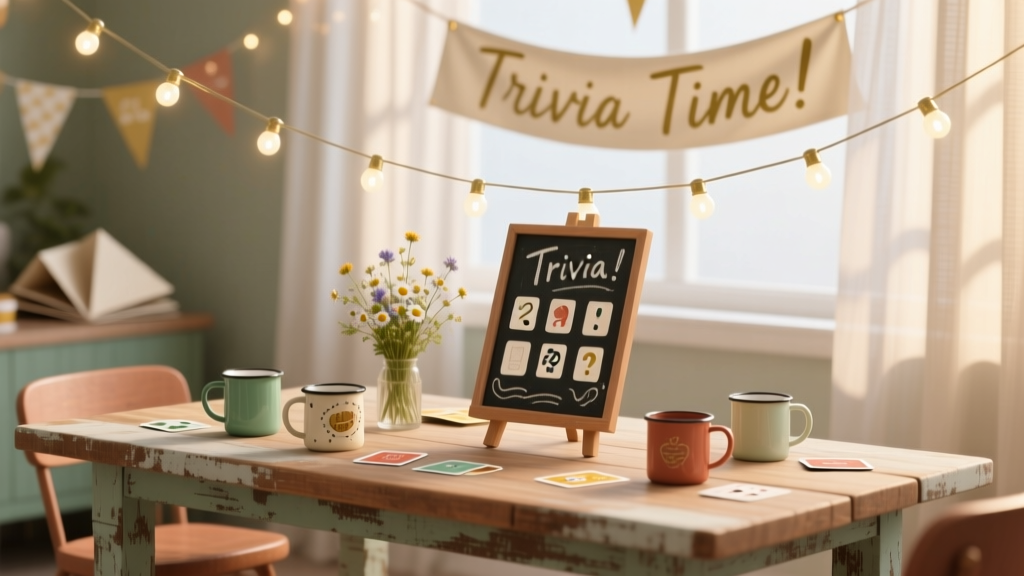
Budget Tips for a Trivia Night
Trivia night is one of the best event formats for bringing people together: it’s interactive, low-pressure, and built for conversation. The challenge is that “simple” can still get expensive fast—especially when you add food, audio equipment, prizes, and last-minute supplies. A smart budget keeps your trivia night fun and polished without draining your wallet (or your fundraiser margins).
Proper planning matters because trivia events are logistics-heavy. You’re coordinating teams, answer submission, scoring, timing, and hosting—all while creating an enjoyable guest experience. When the timeline, staffing plan, and vendor decisions are organized early, you can confidently cut costs where guests won’t notice and spend strategically on the pieces that make the night feel professional.
This guide walks you through a practical, step-by-step budget plan for a trivia night—complete with timeline templates, cost-saving tactics, vendor selection tips, and real-world examples you can adapt for a corporate event, community fundraiser, school event, or private party.
Start With the Right Trivia Night Format (Because Format Controls Cost)
Before you price anything, lock in the event structure. Your format determines staffing needs, supplies, and how long you’ll need the venue.
Popular trivia night formats and budget impact
- Classic live-host trivia (paper answer sheets): Lowest tech cost; needs printing and runners or a clear submission plan.
- Digital trivia (QR codes + online forms): Saves printing; requires reliable Wi-Fi and clear instructions for guests.
- Hybrid trivia: Paper backup plus digital scoring; slightly higher setup but reduces risk.
- Hosted at a restaurant/bar: Often low/no venue fee if you meet a food-and-beverage minimum; less control over AV.
- Hosted at a hall/community center: More control; may need to rent tables/chairs/AV.
Quick decision checklist
- Guest count range (example: 40–60 vs. 120–200)
- Team size (4–6 is ideal for energy and manageability)
- Number of rounds (4–6 rounds keeps the night moving)
- Event length (2–2.5 hours trivia + buffer for arrivals and awards)
- Fundraiser vs. social event (affects ticket pricing, prizes, sponsorship strategy)
Budget Planning Basics: Know Your “Must-Haves” vs. “Nice-to-Haves”
A strong event budget is built around priorities. Start with a simple framework: define your non-negotiables, then allocate remaining funds to upgrades.
Must-haves for a smooth trivia night
- Venue and basic seating plan (or confirmed bar/restaurant partnership)
- Trivia content (host-created, purchased package, or professional host)
- Audio plan (microphone + speaker or in-house system)
- Answer submission + scoring system
- Staffing/volunteers (host, scorekeeper, check-in)
- Prizes (even small prizes create excitement)
Nice-to-haves that can wait (or be sponsored)
- Decor and themed centerpieces
- Photo backdrop
- Custom signage and branded swag
- Upgraded lighting
- Specialty desserts or late-night snacks
Sample Trivia Night Budget Breakdown (3 Real-World Scenarios)
Use these as planning templates. Adjust based on your location, guest count, and venue inclusions.
Scenario A: Low-cost community trivia night (50 guests) — Target budget: $250–$600
- Venue: $0–$150 (library/community room, low-cost hall, donated space)
- Trivia questions: $0–$50 (DIY or low-cost trivia pack)
- Printing: $20–$60 (answer sheets, rules, score sheets)
- Audio: $0–$75 (borrowed speaker/mic or minimal setup)
- Prizes: $30–$100 (gift cards, donated items, simple trophies)
- Supplies: $30–$80 (pens, clipboards, table numbers)
- Contingency: $25–$75
Scenario B: Mid-range fundraiser (100 guests) — Target budget: $1,000–$2,500
- Venue: $200–$800 (hall rental) or $0 with F&B minimum at a restaurant
- Host (professional or experienced emcee): $200–$600
- Audio/AV: $100–$400
- Décor/signage: $100–$300
- Prizes: $150–$400 (tiered prizes + “best team name”)
- Printing: $50–$150
- Payment/ticketing fees: $30–$100
- Contingency: $100–$250
Scenario C: Corporate/team-building trivia night (80 guests) — Target budget: $2,500–$6,000
- Venue and catering: $1,500–$4,000
- Professional trivia host/MC: $400–$1,200
- AV support: $300–$800
- Branding/signage: $150–$500
- Prizes: $200–$600
- Event staffing: $200–$700
- Contingency: $150–$400
Budget pro tip: Add a 10–15% contingency line early. It prevents budget panic when you need extra pens, a last-minute microphone cable, or additional ice.
Money-Saving Strategies That Still Feel High-End
1) Use a venue partnership instead of paying rental fees
- Ask bars/restaurants about hosting on a slower night (often weekday evenings).
- Negotiate perks: reserved space, in-house microphone, staff support, waived rental with a minimum spend.
- Confirm what’s included: tables, chairs, projector, speakers, Wi-Fi, and setup time.
2) Build your trivia night around sponsorships
Sponsorship is a top event planning trend for community and fundraising events because it offsets costs while building local partnerships.
- Round sponsor: “Round 3 is brought to you by…” ($50–$250)
- Prize sponsor: Local businesses donate gift cards or items
- Team sponsor: Company covers a table/team entry
- Printing sponsor: A print shop provides discounted signage
3) Create impact with low-cost décor
- Use one “hero” element: a simple photo area with a themed backdrop and good lighting.
- Use printable table signs and category posters for a cohesive look.
- Choose a color palette (2–3 colors) and repeat it with table tents, balloons, and small centerpieces.
4) Keep prizes exciting without overspending
- Offer experience-style prizes: donated event tickets, local museum passes, class vouchers.
- Add “micro-awards” that cost little but boost engagement:
- Best team name
- Best team costume
- Most improved team
- “Last place legend” (small gag prize)
5) Reduce printing costs with smart batching
- Use one double-sided sheet per team for rules + answer sheet instructions.
- Print category headers on standard paper and display them at the host area.
- Use QR codes for bonus questions or tiebreakers.
Vendor Selection Tips (Venue, Host, AV, Food)
Venue selection: questions that protect your budget
- What is the total cost including taxes, fees, security, and cleaning?
- How many hours are included for setup and teardown?
- What AV is included (microphone, speakers, projector, screen)?
- Is Wi-Fi reliable and accessible for guests?
- Are you allowed to bring outside food, or must you use in-house catering?
- What is the cancellation/reschedule policy?
Trivia host: DIY, hire a pro, or use a hosted package?
- DIY host: Cheapest; best if you have an outgoing, organized emcee and time to prep.
- Hosted trivia package: Mid-cost; great structure and pacing without full custom work.
- Professional host: Higher cost; smooth delivery, built-in crowd management, often includes scoring system.
Budget move: If you hire a pro host, ask if they can include a simple AV setup. Bundling often costs less than separate vendors.
Food and beverage: keep it simple and predictable
- Choose “easy eating” foods: sliders, pizza, wraps, snack boards, or buffet stations.
- Limit menu variety to avoid waste.
- Offer water stations and one signature drink option for cost control.
- If BYO is allowed, focus on crowd-pleasers and track quantities per guest.
Step-by-Step Planning Timeline + Checklist
Use this timeline template for event coordination and smooth execution. Adjust based on your event size and whether you’re working with vendors.
4–6 weeks out: Lock the foundation
- Set event goal: social night, fundraiser target, or team-building outcome
- Choose date/time (weekday evenings often reduce venue costs)
- Confirm venue and contract details
- Determine team size and max capacity
- Select trivia format (paper, digital, hybrid)
- Build your event budget spreadsheet with line items + 10–15% contingency
- Secure host (DIY lead or professional)
- Start sponsorship outreach (round sponsors, prize sponsors)
3 weeks out: Content + operations
- Finalize categories and number of rounds (example: 5 rounds + 1 tiebreaker)
- Create scoring plan (spreadsheet, app, or dedicated scorekeeper)
- Plan check-in flow (tickets, team names, table assignments)
- Confirm AV needs and test plan
- Order/collect prizes (prioritize donated items first)
- Design simple signage: rules, QR codes, schedule, sponsor recognition
2 weeks out: Guest experience and purchasing
- Send attendee reminder with start time, parking, and team info
- Purchase supplies (pens, clipboards, answer sheets, tally sheets)
- Confirm food/beverage plan and final headcount deadlines
- Create run of show (minute-by-minute schedule)
- Recruit volunteers:
- Check-in lead
- Scorekeeper
- 2 runners (if using paper submissions)
- Timekeeper (optional)
1 week out: Final confirmations
- Confirm venue access times and layout
- Do an AV test plan (mic, music, projector if used)
- Print all materials or finalize QR forms
- Prepare host binder or digital folder:
- Run of show
- Questions and answers
- Rules and tie-breakers
- Emergency contacts
- Pack a “day-of kit” (see list below)
Day-of timeline (template for a 7:00 PM start)
- 4:30 PM: Load-in, table setup, signage placement
- 5:30 PM: AV test, Wi-Fi check, host sound check
- 6:00 PM: Staff briefing (rules, timing, submission method)
- 6:15 PM: Check-in opens, music, team seating
- 7:00 PM: Welcome + rules + Round 1
- 8:15 PM: Short break + scoreboard update
- 8:25 PM: Final rounds
- 9:15 PM: Tiebreaker if needed + awards
- 9:30 PM: Wrap, thank sponsors, teardown begins
Trivia night day-of kit checklist
- Extra pens/markers, clipboards
- Scissors, tape, zip ties
- Power strip, extension cord, charger cables
- Printed rules and spare answer sheets
- Cash box or card reader (if selling mulligans/raffle tickets)
- First-aid basics
- Prize labels and winner slips
Real-World Example: A $1,500 Fundraiser Trivia Night That Felt Premium
Event: 90 guests at a local restaurant on a Thursday night. The organizer negotiated a waived room fee with a food-and-beverage minimum and focused spending on the guest experience.
- Venue fee: $0 (met minimum spend)
- Host: $350 (local comedian/emcee)
- Prizes: $120 out-of-pocket + $280 donated gift cards
- Printing/signage: $85 (simple table numbers, rules, sponsor signage)
- Décor: $60 (balloons + reusable table accents)
- Contingency used: $40 (extra supplies + last-minute adapter cable)
Result: The event felt organized and energetic because the host had a tight run of show, the submission method was clear, and sponsors covered the “fun extras” (prizes and signage). Guests left with a strong impression even though spending stayed controlled.
Common Trivia Night Planning Mistakes (and How to Avoid Them)
- Overcomplicating the rules: Keep rules to a one-minute explanation. Post a printed version at each table.
- Not budgeting for AV: A weak microphone ruins even the best trivia content. Confirm sound needs early.
- Underestimating time: Trivia rounds often run long. Build buffers and keep rounds consistent.
- Unclear answer submission: Decide: runners, drop box, or digital form. Train staff and announce it every round.
- Inconsistent scoring: Use one scoring system and one scorekeeper lead. Track totals round-by-round.
- Ignoring accessibility and seating flow: Ensure walkways, clear table numbers, and easy access to restrooms and exits.
FAQ: Budget and Planning Questions for Trivia Night
How much does a trivia night cost to host?
A small trivia night can cost $250–$600 if you use a donated/low-cost venue and DIY hosting. Mid-range fundraising events often land between $1,000–$2,500. Corporate or fully catered trivia nights typically range from $2,500–$6,000+, depending on venue, catering, and professional entertainment.
What’s the best way to save money on a trivia night venue?
Partner with a restaurant or bar on an off-peak night and negotiate a waived rental fee in exchange for meeting a food-and-beverage minimum. Always confirm what’s included (AV, setup time, staffing, and Wi-Fi) so you don’t pay extra later.
Should we use paper or digital trivia answers?
Paper is reliable and low-tech but has printing costs and requires runners or a collection method. Digital answers reduce printing and can speed up scoring, but they require dependable Wi-Fi and clear instructions. Many planners choose a hybrid approach: digital with a paper backup.
How many rounds should a trivia night have?
Four to six rounds works well for most events. For a 2–2.5 hour trivia program, try 5 rounds of 10 questions plus one tiebreaker question.
How do you create a budget-friendly prize table?
Start by requesting donations from local businesses (gift cards, services, products). Then add a few low-cost crowd-pleasers like medals, mini trophies, or themed items. Layer in smaller awards (best team name, best costume) to increase engagement without increasing spend.
Next Steps: Your Budget-Friendly Trivia Night Action Plan
- Choose your format and venue strategy (rental vs. partnership) and set a clear guest count target.
- Create a line-item budget with a 10–15% contingency and identify sponsorship opportunities to offset costs.
- Build a simple run of show and lock in your answer submission + scoring method early.
- Spend where it shows: reliable audio, a confident host, and clear signage—then keep décor and extras minimal or sponsored.
- Use a timeline checklist (like the one above) to keep coordination smooth from planning to teardown.
If you’re ready to keep planning, explore more party organization and event coordination guides at smartpartyprep.com to help you run a polished, stress-free event on any budget.
More Articles
 What Party Was Reagan *Really* Throwing? The Truth Behind Viral 'Reagan Party' Memes — And How to Plan Your Own Iconic Event Without the Confusion
Where the Wild Things Are Birthday Party: 7 Stress-Free Steps to Plan an Immersive, Budget-Savvy Celebration (Without Losing Your Mind or Your Savings)
What Party Was Reagan *Really* Throwing? The Truth Behind Viral 'Reagan Party' Memes — And How to Plan Your Own Iconic Event Without the Confusion
Where the Wild Things Are Birthday Party: 7 Stress-Free Steps to Plan an Immersive, Budget-Savvy Celebration (Without Losing Your Mind or Your Savings)
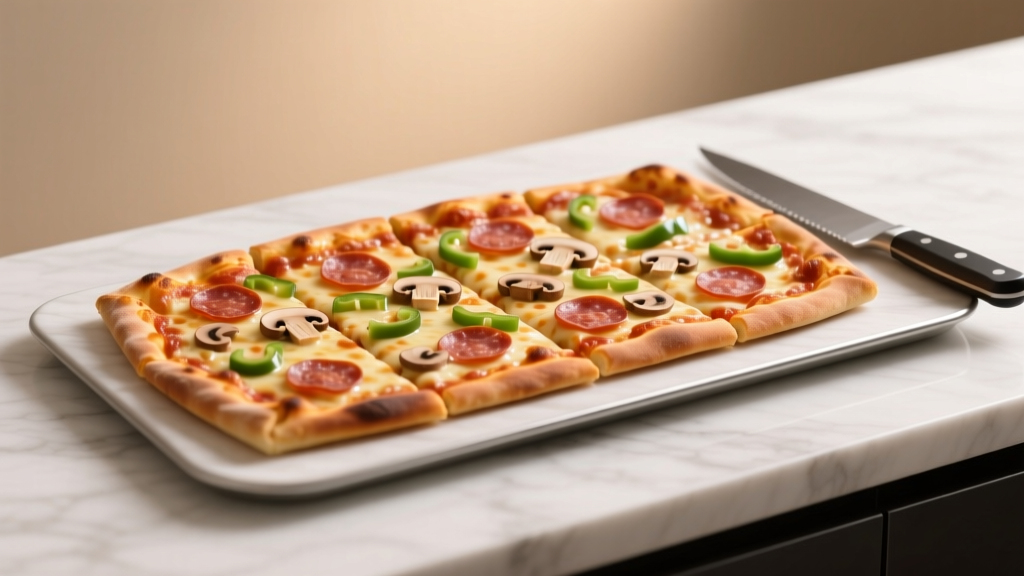 What Is Party Cut Pizza? The Underrated Secret to Stress-Free Catering (No More Slicing Fights, Cold Slices, or Wasted Boxes)
Is the Tea Party Still Around? The Surprising 2024 Revival—How Modern Hosts Are Reimagining Afternoon Tea With Low-Pressure Hosting, Social Media Appeal, and Inclusive Twists That Actually Stick
Who Is the Moving Party in a Court Case? The One Simple Definition Lawyers Assume You Know (But Nobody Explains Clearly — Until Now)
What Is Party Cut Pizza? The Underrated Secret to Stress-Free Catering (No More Slicing Fights, Cold Slices, or Wasted Boxes)
Is the Tea Party Still Around? The Surprising 2024 Revival—How Modern Hosts Are Reimagining Afternoon Tea With Low-Pressure Hosting, Social Media Appeal, and Inclusive Twists That Actually Stick
Who Is the Moving Party in a Court Case? The One Simple Definition Lawyers Assume You Know (But Nobody Explains Clearly — Until Now)
 Is Maryland a two party consent state? Yes — and here’s exactly what that means for your next meeting, wedding, podcast, or security recording (with real-world examples and 5 actionable compliance steps)
Who Attended Diddy Parties? The Real Guest Lists, Networking Patterns, and What They Reveal About High-Impact Event Planning (Not Just Celebrity Gossip)
Is Maryland a two party consent state? Yes — and here’s exactly what that means for your next meeting, wedding, podcast, or security recording (with real-world examples and 5 actionable compliance steps)
Who Attended Diddy Parties? The Real Guest Lists, Networking Patterns, and What They Reveal About High-Impact Event Planning (Not Just Celebrity Gossip)
 Wellness Retreat Seating Arrangement Ideas
 Stop Wasting Time on Social Media Alone: The 7 Must-Have Third-Party Websites Profiles for Business Owners That Actually Drive Qualified Leads (Not Just Vanity Metrics)
What to Wear on Beach Party: 7 Real-World Outfit Rules (That Actually Prevent Sand Traps, Sunburns & Awkward Tan Lines)
Stop Wasting Time on Social Media Alone: The 7 Must-Have Third-Party Websites Profiles for Business Owners That Actually Drive Qualified Leads (Not Just Vanity Metrics)
What to Wear on Beach Party: 7 Real-World Outfit Rules (That Actually Prevent Sand Traps, Sunburns & Awkward Tan Lines)