
Budget Tips for a Spa Day
A spa day is one of the most satisfying events to plan because it blends relaxation with celebration—perfect for birthdays, bridal showers, friend get-togethers, corporate wellness moments, and “just because” self-care days. The catch: spa experiences can get expensive quickly when you add treatments, gratuity, food, and the little luxuries that make the day feel special.
Proper event planning is what turns a pricey outing into a polished, budget-friendly spa day that still feels elevated. When you map the guest experience, set spending limits early, and choose vendors strategically, you can create a memorable day without surprise fees, rushed scheduling, or awkward moments like guests not knowing what’s covered.
This guide gives you step-by-step guidance, practical budget breakdowns, vendor selection tips, real-world examples, and a timeline template—so you can confidently coordinate a spa day that looks and feels high-end while staying on budget.
Start With a Clear Spa Day Vision (Before You Price Anything)
Budget-friendly event coordination starts with defining what “spa day” means for your group. A spa day can be:
- At-home spa party (DIY treatments, curated products, snacks, calm ambiance)
- Hybrid spa event (one professional service + DIY extras at home or at a rental)
- Destination spa day (spa facility with amenities and optional add-ons)
Define the basics in 10 minutes
- Purpose: celebration, wellness reset, team bonding, bridal event
- Guest count: small (2–6), medium (7–12), large (13+)
- Format: structured schedule vs. open-house style
- Experience level: “simple and cozy” vs. “luxury spa vibes”
- Spending model: host-funded, shared-cost, or pay-your-own services
Trend watch: Micro-events and wellness-forward gatherings are still leading event planning trends. Hosts are prioritizing intentional experiences (like a curated aromatherapy bar or guided stretching session) over expensive, one-size-fits-all packages.
Budget Framework: Set a Total, Then Allocate by Category
A proven organizational strategy is to set your maximum spend first, then divide it into categories. This prevents “small” purchases (candles, masks, drinks) from quietly outgrowing your plan.
Simple spa day budget categories
- Venue: home, hotel day pass, spa facility, rental space
- Services: massages, facials, mani/pedi, mini treatments, instructors
- Food & beverage: light brunch, infused water bar, charcuterie, dessert
- Decor & ambiance: linens, candles/LED candles, florals/greenery, music
- Supplies: robes/slippers (optional), towels, disposables, treatment items
- Favors: take-home self-care kits
- Admin: invitations, printing, signage
- Gratuity & fees: service charges, taxes, tip
- Contingency: 10% buffer for last-minute needs
Sample budget breakdowns (realistic planning ranges)
Option A: At-home spa day for 8 guests (target: $220–$420 total)
- Supplies (masks, scrubs, nail items): $80–$160
- Food & drinks: $70–$140
- Decor/ambiance: $30–$70
- Favors: $25–$40
- Contingency: $15–$30
Option B: Hybrid spa day for 6 guests (target: $450–$900 total)
- One professional service (e.g., 30-min chair massage rotation): $240–$480
- Food & drinks: $80–$160
- Supplies & ambiance: $60–$120
- Favors: $30–$60
- Contingency: $40–$80
Option C: Spa facility day for 4 guests (target: $600–$1,200 total)
- Day passes/amenities: $200–$500
- Treatments: $320–$600
- Food & drinks: $60–$120
- Gratuity/fees: $80–$200
- Contingency: $40–$80
Budget tip: Decide upfront what’s “non-negotiable.” For many hosts it’s one standout element (a professional massage therapist, a beautiful grazing board, or a private relaxation space). Everything else supports that anchor.
Cost-Saving Strategies That Still Feel Luxurious
1) Choose “mini treatments” instead of full services
If you’re using a spa facility or hiring a professional, mini treatments can reduce costs while still giving guests a true spa experience.
- 15–30 minute chair massage rotation instead of 60 minutes
- Express facial add-ons (hand treatment, scalp massage)
- DIY stations: under-eye patches, hand scrubs, aromatherapy
2) Host at home, upgrade with details
An at-home spa party is often the best value. Use coordination details to elevate the atmosphere:
- Set a “quiet hour” with soft music and phones away
- Use LED candles and warm lighting (safer than open flame)
- Create a towel/robe station with a basket and labeled hooks
- Offer a signature infused water (cucumber-mint or citrus-berry)
3) Buy multi-use items and avoid single-event waste
- Neutral linens and baskets you’ll reuse for other parties
- Bulk cotton pads, disposable headbands, and mini spatulas
- Simple glassware instead of theme-specific cups
4) Make favors functional (and part of the experience)
Instead of separate favors, choose items guests use during the spa day and take home:
- Mini sugar scrub jars labeled with guest names
- Sleep masks or hair scrunchies in a “calm kit”
- Tea sachets + a small honey stick
5) Keep the menu light and spa-appropriate
Heavy meals can make the day feel less “spa” and more “lunch party.” A lighter menu also saves money:
- Yogurt parfait cups, fruit skewers, mini wraps
- Grazing board with one premium item (brie or smoked salmon) and budget-friendly fillers
- Mocktails (sparkling water + juice + herbs) instead of a full bar
Vendor Selection Tips: Spas, Mobile Therapists, and Rentals
If you’re hiring services or booking a venue, vendor selection is where budgets often go off track. Use these event planning best practices to compare options clearly.
Questions to ask a spa facility
- What’s included in the day pass (sauna, steam room, pool, relaxation lounge)?
- Are there group rates or weekday discounts?
- How are gratuity and service charges handled?
- Is there a minimum spend for group booking?
- Can guests book and pay individually using a reserved block?
Questions to ask mobile therapists (massage/facial providers)
- What services are offered on-site (chair massage, table massage, mini facials)?
- Do you bring your own equipment and supplies?
- How many guests can you service per hour?
- Is travel included, and what are the cancellation terms?
- Are you licensed/insured (and can you provide documentation)?
Ways to save with vendors
- Book off-peak: weekday mornings/early afternoons often cost less than weekends
- Bundle time blocks: a 2–3 hour rotation can be more efficient than individual appointments
- Limit add-ons: choose one premium enhancement (hot stones or aromatherapy) for the host of honor only
Step-by-Step Planning Timeline (With Checklist)
Use this planning timeline template for organized party coordination. Adjust based on whether you’re hosting at home or booking a spa facility.
4–6 weeks before: Define scope and secure key bookings
- Set your total budget and spending model (host-funded vs. shared-cost)
- Choose format: at-home, hybrid, or spa facility
- Create guest list and confirm a date window
- Request quotes from spas or mobile therapists (if applicable)
- Book venue/services with clear cancellation terms
- Draft the experience outline (arrival, treatments, food, downtime)
3 weeks before: Build the schedule and send invitations
- Send invitations with start/end time, location, attire, and what’s included
- Collect RSVPs and note any allergies/sensitivities (scents, nuts, latex)
- Create a simple run-of-show (schedule) and treatment rotation plan
- Decide food plan: catered, homemade, or potluck-style contributions
2 weeks before: Shop strategically and confirm vendors
- Confirm final headcount and any deposits due
- Finalize menu and order nonperishables
- Buy spa supplies in bulk where possible (cotton rounds, mini cups, headbands)
- Plan ambiance: playlist, lighting, seating, towels
- Confirm start time, parking, and setup needs with any vendors
1 week before: Prep stations and logistics
- Prepare treatment station layout (mirror access, outlets, trash bins)
- Assemble favors (label, bag, or box)
- Create signage: “Shoes Here,” “Hydration Bar,” “Quiet Zone”
- Print the schedule and rotation chart (or share digitally)
- Confirm any dietary needs and finalize shopping list
1–2 days before: Final setup and food prep
- Deep clean key areas (bathroom, entry, treatment zone)
- Wash and stage towels/robes; set up a laundry hamper
- Chill beverages; prep fruit, garnishes, and easy-to-serve items
- Set up playlists and backup speaker/charger
Day-of checklist: Run-of-show execution
- Set thermostat and lighting for comfort
- Place a small “welcome tray” (water, wipes, hair ties)
- Review rotation schedule and start time with guests
- Take 10 minutes halfway through to reset: trash, towels, refresh drinks
- End with a calm close: tea, gratitude toast, and favor handoff
Real-World Budget Examples (So You Can Copy the Plan)
Example 1: “Luxury on a budget” at-home spa party for 10
- Anchor: Elevated ambiance + curated self-care kits
- Plan: DIY facial station, hand scrub bar, guided stretching video, mocktail bar
- Spend:
- Supplies (bulk masks, eye patches, scrubs, disposables): $160
- Food & drinks (grazing board + fruit + sparkling water): $140
- Decor/ambiance (LED candles, eucalyptus bundles, signage): $60
- Favors (mini scrub jars + tea sachets): $50
- Total: $410 (~$41 per guest)
Example 2: Hybrid spa day for 6 with mobile chair massages
- Anchor: Professional touch without full spa pricing
- Plan: 2-hour chair massage rotation + at-home nail care station + light brunch
- Spend:
- Mobile therapist (2 hours): $320
- Brunch items + mocktails: $120
- Supplies/ambiance: $80
- Total: $520 (~$87 per guest)
Common Spa Day Planning Mistakes to Avoid
- Not clarifying what’s included: Guests need to know if treatments, tips, and food are covered. Put it in the invite.
- Over-scheduling: Packing too many activities makes the day feel rushed. Build in downtime.
- Forgetting fees and gratuity: Spa service charges, tips, and taxes can add 20–35% to your bill.
- Ignoring scent sensitivities: Strong fragrances can be overwhelming. Offer unscented options and keep essential oils light.
- Too few mirrors/outlets/trash bins: Small logistics can disrupt the flow of a DIY spa setup.
- No hydration plan: A spa day feels better when water is easy to grab—set up a dedicated hydration station.
Quick Checklist: What to Put in Your Spa Day “Command Center”
Event coordinators rely on a single place for logistics. Use a clipboard, notes app, or shared doc with:
- Final guest list + emergency contact
- Budget tracker with receipts and remaining balance
- Vendor confirmations and arrival times
- Run-of-show schedule and rotation chart
- Menu plan + allergy notes
- Setup diagram (stations, seating, bins, towel storage)
FAQ: Budget Spa Day Event Planning
How do I host a spa day on a tight budget without it feeling cheap?
Pick one “luxury signal” (matching towels, a gorgeous hydration bar, or a curated favor) and keep the rest simple. Guests remember comfort, flow, and ambiance more than expensive products.
What’s the best way to handle costs with friends?
Use a shared-cost model with clear options: “Host covers food/ambiance; guests book and pay for their own treatment.” Provide links, price ranges, and deadlines to avoid confusion.
How far in advance should I book a spa for a group?
For weekends or peak seasons, aim for 4–8 weeks. For weekdays or smaller groups, 2–4 weeks can work, but earlier booking improves vendor availability and group-rate options.
Should I tip mobile massage therapists and spa staff?
Yes, unless gratuity is included in the contract. Confirm the policy in writing. Build tips into your budget so you’re not scrambling day-of.
What are the most cost-effective spa “stations” for an at-home event?
Top value stations include a DIY facial bar (cleanser, mask, moisturizer), hand scrub station, foot soak station with bath salts, and an aromatherapy “scent sample” table with light, optional use.
How do I keep the event organized if guests arrive at different times?
Use an open-house style spa day with a two-hour arrival window, a posted station guide, and one scheduled group moment (like a toast or guided meditation) so the day still feels cohesive.
Next Steps: Build Your Budget Spa Day Plan
- Choose your format (at-home, hybrid, or spa facility) and set a total budget cap.
- Decide your anchor element (one standout service or detail) and allocate funds around it.
- Use the timeline to book vendors early and prevent last-minute overspending.
- Write a clear invite that explains what’s included, what guests should bring, and how payment works.
- Run the day with a simple schedule that protects relaxation time—because that’s the point.
For more practical event planning tips, party organization templates, and coordination guides, explore the latest resources on smartpartyprep.com.
More Articles
 When Did the Great Party Switch Happen? The Real Answer (and How to Pivot Your Event Like a Pro—Without Chaos, Cost Overruns, or Guest Confusion)
How to Unlock All Mini Games in Super Mario Party: The Only Step-by-Step Guide That Actually Works (No Glitches, No Missed Content, 100% Complete in Under 90 Minutes)
When Did the Great Party Switch Happen? The Real Answer (and How to Pivot Your Event Like a Pro—Without Chaos, Cost Overruns, or Guest Confusion)
How to Unlock All Mini Games in Super Mario Party: The Only Step-by-Step Guide That Actually Works (No Glitches, No Missed Content, 100% Complete in Under 90 Minutes)
 How to Dance at a Party Without Feeling Awkward: 7 Science-Backed Moves (That Work Even If You’ve Never Taken a Class)
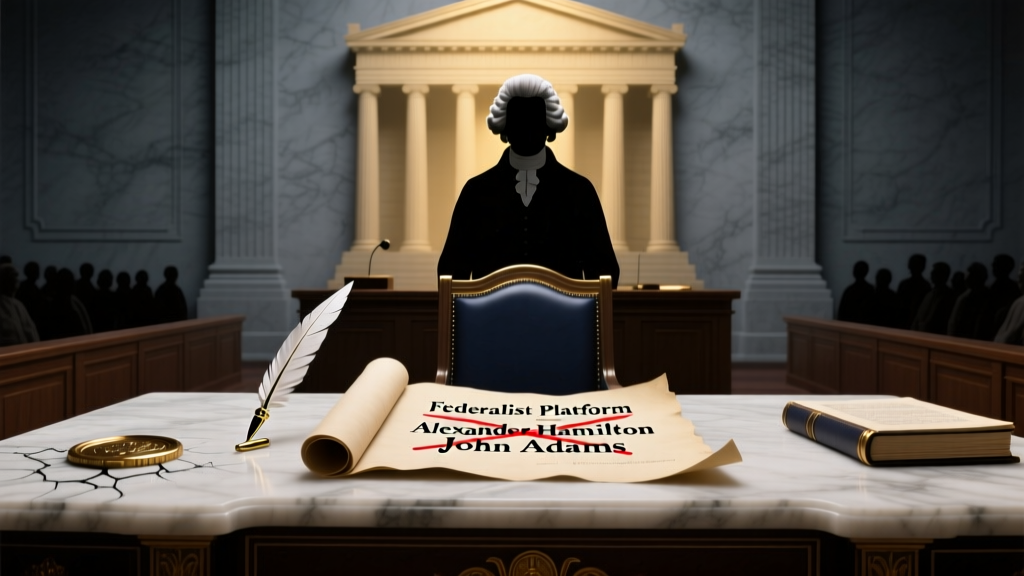 Who Led the Federalists Party? The Truth Behind America’s First Political Powerhouse — And Why Alexander Hamilton Wasn’t Its Official Leader (Despite What Textbooks Say)
What Are Splinter Parties? The Smart, Stress-Reducing Alternative to One Mega-Event (And Why 68% of Couples Who Tried It Cut Planning Time by Half)
How Do I Change My Registered Political Party? A Step-by-Step Guide That Works in All 50 States (No Forms Lost, No Deadline Missed, No Confusion)
Who Led the Federalists Party? The Truth Behind America’s First Political Powerhouse — And Why Alexander Hamilton Wasn’t Its Official Leader (Despite What Textbooks Say)
What Are Splinter Parties? The Smart, Stress-Reducing Alternative to One Mega-Event (And Why 68% of Couples Who Tried It Cut Planning Time by Half)
How Do I Change My Registered Political Party? A Step-by-Step Guide That Works in All 50 States (No Forms Lost, No Deadline Missed, No Confusion)
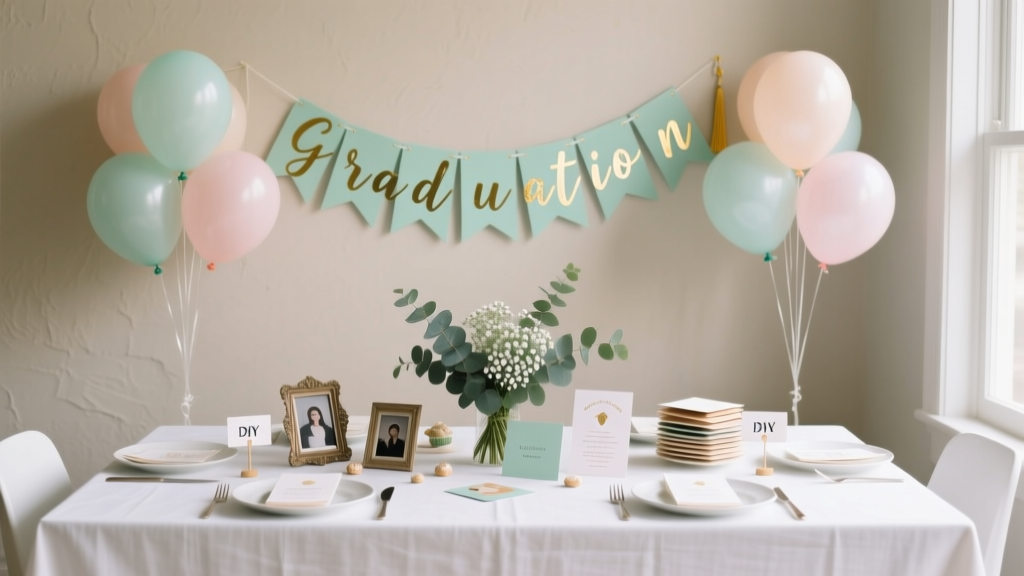 How to DIY a Graduation Party
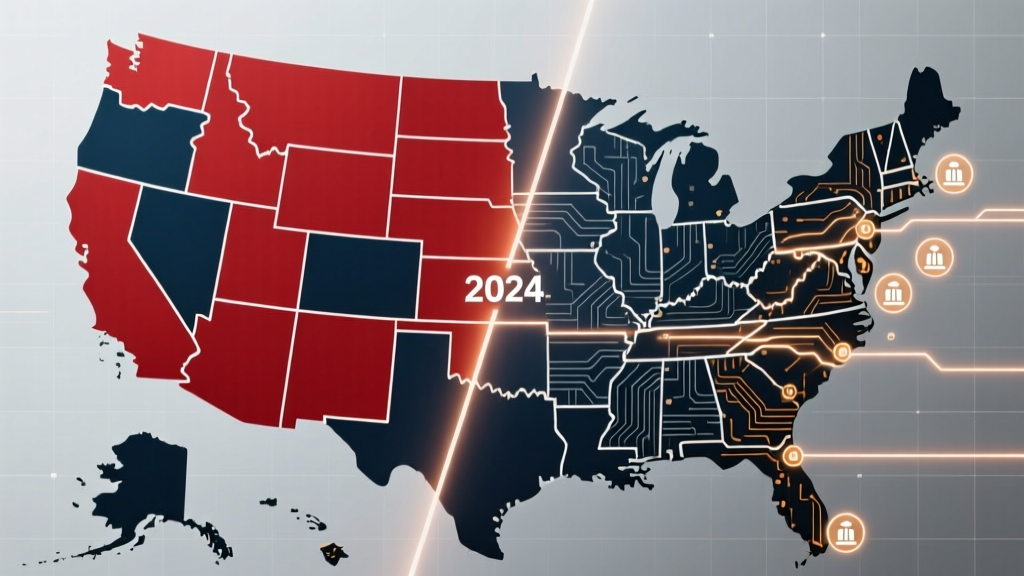 Which Party Gerrymanders More? The Truth Behind the Maps: New 2024 Data Shows Neither Side Has Clean Hands — Here’s Exactly Where & How Each Manipulates Districts (With Interactive Maps & Court Rulings)
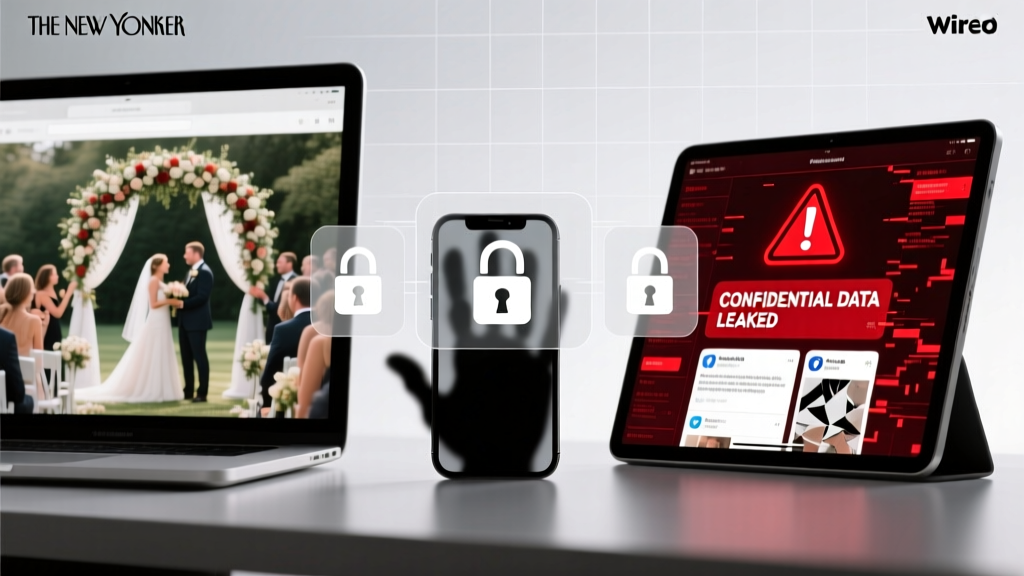 Is third party app risk real? 7 shocking data breaches that derailed weddings & conferences—and the 5-step vetting checklist every event planner must use before approving any external tool
What to Wear to Company Holiday Party: The 7-Second Dress Code Decoder (No More Awkward Outfit Guesswork or Last-Minute Panic)
Is third party app risk real? 7 shocking data breaches that derailed weddings & conferences—and the 5-step vetting checklist every event planner must use before approving any external tool
What to Wear to Company Holiday Party: The 7-Second Dress Code Decoder (No More Awkward Outfit Guesswork or Last-Minute Panic)