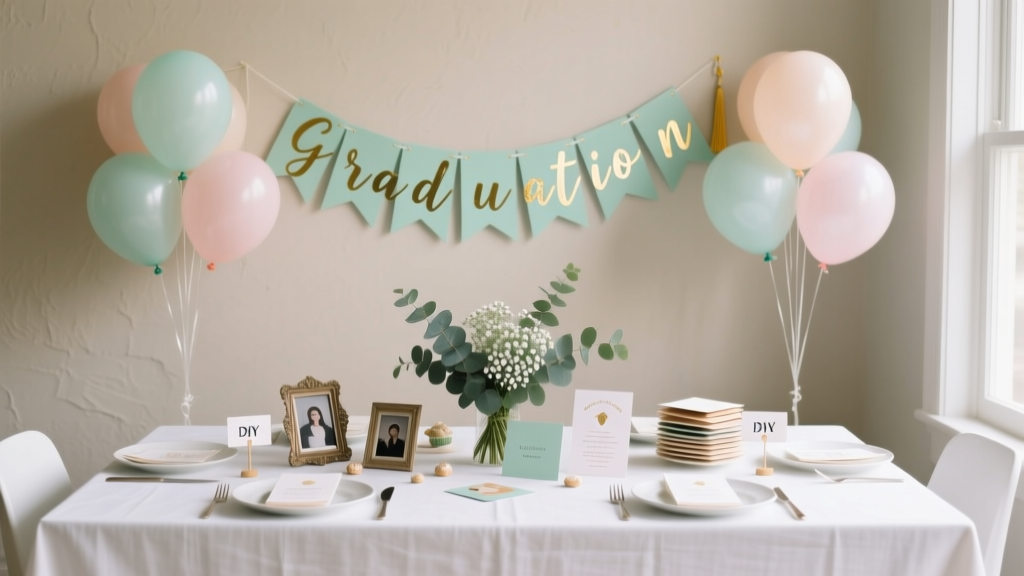
How to DIY a Graduation Party
A graduation party is more than a celebration—it’s a milestone event that blends family traditions, friend groups, photos, speeches, and a lot of logistics into a few short hours. When it’s planned well, the guest of honor feels seen, guests feel welcomed, and you get to enjoy the moment instead of troubleshooting food, seating, and timing.
DIY graduation party planning works best with a clear timeline, a realistic budget, and a simple system for tracking decisions. The goal isn’t perfection; it’s creating a smooth experience with a few memorable “wow” moments: a meaningful display, a signature dessert, a playlist that fits the grad’s personality, and a layout that keeps people moving comfortably.
This guide walks you through party organization step-by-step—theme, guest list, vendors, décor, food, setup, and day-of coordination—so you can host confidently while keeping costs under control.
Step 1: Define the Party Vision (Before You Spend a Dollar)
Choose your format
Start by selecting the type of graduation party you’re hosting. Your format affects everything: venue size, food service, timeline, and budget.
- Open house (most common): Guests drop in during a 3–5 hour window; easiest for mixed groups.
- Hosted meal: Everyone arrives at once for lunch/dinner; more structured and higher food costs.
- Backyard hangout: Casual vibe with yard games and self-serve food.
- Destination/activity party: Bowling, rooftop, park pavilion, or beach picnic; may require permits or deposits.
Pick a theme that simplifies decisions
A theme doesn’t need to be elaborate; it should help you choose colors, signage, and décor quickly. Current event planning trends favor personalized, photo-forward details over overstuffed décor.
- School colors + neutrals: Easy to source; looks polished.
- Modern minimal: White/black/gold with clean signage and a single balloon installation.
- “Next chapter” theme: College/career destination, travel-inspired table cards, map guestbook.
- Memory lane: Photo timeline + “advice for the grad” cards as the main visual.
Set success criteria (your non-negotiables)
Decide what matters most so you don’t overspend on low-impact extras.
- A comfortable seating area for family
- Great photos (lighting + backdrop)
- Food that stays fresh and easy to serve
- A meaningful moment (toast, slideshow, award-style “roast,” or prayer)
Step 2: Build Your Guest List and Choose the Best Date
Guest list strategy
Create a working list and sort guests by priority. This is one of the most effective organizational strategies for preventing budget creep.
- A-list: Must invite (close family, best friends)
- B-list: Strongly preferred (neighbors, teammates, extended family)
- C-list: Optional (parent friends, acquaintances)
Date and time tips
- Check the graduation ceremony time and nearby school schedules (many weekends overlap).
- For open houses, popular windows are 1–5 p.m. or 2–6 p.m. to avoid meal pressure.
- For outdoor events, pick a backup plan for weather (tent, garage setup, indoor layout).
Step 3: Budget Planning That Actually Works
A DIY graduation party can be elegant on a modest budget if you allocate money where guests notice it most: food, comfort, and a cohesive look. Use a percentage-based budget to stay on track.
Sample budget breakdown (adjust to your needs)
- Food & drinks: 35–45%
- Rentals (tables/chairs/tent): 15–25%
- Dessert/cake: 8–12%
- Décor (balloons, linens, signage): 10–15%
- Invites/printing: 2–5%
- Entertainment + photo moment: 5–10%
- Contingency: 5–10%
Real-world example budgets
- 40 guests, backyard open house (~$700–$1,200): DIY sandwich bar, sheet cake, basic balloon garland, borrowed tables, minimal rentals.
- 80 guests, open house with rentals (~$1,800–$3,000): catered trays, tent or extra chairs, upgraded dessert table, professional balloon install.
- 120 guests, mixed family/friends (~$3,000–$5,500): higher catering volume, more rentals, potential venue fee, added staff for cleanup.
Money-saving moves that don’t look cheap
- Choose two statement décor areas: entry + dessert/photo area (skip decorating everything).
- Use digital invitations and print only signage you need.
- Offer two signature drinks instead of a full bar (trend-forward and budget friendly).
- Serve batch-friendly food (taco bar, pasta bar, sliders) instead of individual plated meals.
Step 4: Select Your Venue and Layout (Flow = Comfort)
At-home setup: design for traffic
The best graduation party layouts guide guests naturally from arrival to food to seating to photos.
- Entry zone: Welcome sign + card box + guestbook
- Food zone: One-direction buffet line with plates at the start
- Drink station: Separate from food to prevent bottlenecks
- Seating clusters: Mix of tables, folding chairs, and casual lounge spots
- Photo moment: Good lighting, clean background, props optional
Rental checklist (if hosting at home)
- Tables: buffet + seating + gift table
- Chairs (plus 10% extra for peak times)
- Canopy/tent (weather backup)
- Linens (or disposable table covers for buffet only)
- Trash bins and extra bags
Step 5: Food, Drinks, and Service Plan
Choose a menu that matches your format
For open houses, aim for food guests can eat standing up and that stays safe over time.
- Best DIY-friendly options: taco bar, baked ziti/pasta bar, slider trays, BBQ pulled chicken, salad + sandwich platters
- Graduation party classics: fruit tray, veggie cups, chips + dips, pasta salad, cookies/brownies
How much food to plan (practical estimates)
- Open house grazing: 6–8 pieces/apps per person per hour (lower if short drop-ins)
- Meal-time party: full entrée portion per person + 20% buffer
- Non-alcoholic drinks: 1–2 drinks per person per hour (more if outdoors/hot)
Service tips that reduce stress
- Use labels for all food (especially allergens).
- Keep backup trays in the fridge and refresh the buffet in waves.
- Assign a “food captain” (friend/relative) to restock and monitor temperature.
- Use disposable chafing sets or slow cookers for hot food; coolers with ice for cold drinks.
Step 6: Décor, Signage, and Graduation Party “Moments”
Trend-forward details that feel personal
- Photo timeline wall: 10–20 photos from childhood to graduation
- Memory cards: “Advice for the grad” or “Favorite memory” station
- Signature balloon piece: One arch/garland framing the dessert table
- Custom touches: cocktail napkins, cake topper, or yard sign with the grad’s name
DIY décor checklist
- Welcome sign + directional signs (restroom, food, drinks)
- Table coverings (linens or coordinated disposables)
- Centerpieces (simple: bud vases, candles, or school-color ribbons)
- Photo backdrop (fabric panel, fringe curtain, or rented stand)
- Card box + gift table signage
Step-by-Step Graduation Party Planning Timeline (with Checklist)
6–8 weeks before
- Confirm date/time and party format (open house vs. meal)
- Draft guest list and estimate headcount
- Set budget and choose theme/colors
- Reserve venue or rentals (tables, chairs, tent)
- Book key vendors (caterer, baker, balloon artist, photographer if desired)
4–5 weeks before
- Send invitations (digital or print) and set RSVP deadline
- Plan menu and beverages; decide DIY vs. catering
- Order décor staples: plates, cups, napkins, table covers, banner
- Create a party layout sketch (food, drinks, seating, photo area)
2–3 weeks before
- Finalize headcount range (min/max)
- Order cake/desserts and confirm pickup/delivery
- Build photo display and print photos/signage
- Plan playlist and any announcements/toasts
- Purchase nonperishables (drinks, serving ware, trash bags)
1 week before
- Confirm vendor times, addresses, and payments
- Deep clean key areas (bathroom, kitchen, yard/patio)
- Create day-of bins: décor, signage, serving tools, emergency kit
- Plan refrigerator space and coolers
- Assign helpers: setup lead, food captain, gift table lead, cleanup lead
1–2 days before
- Grocery run for perishables
- Prep what you can: sauces, cut fruit (if it holds), assemble favors
- Set up tables/chairs, buffet layout, and signage stands
- Charge speaker, test playlist, set lighting
Day-of checklist
- Set out guestbook, cards, pens, and card box
- Stage food stations: plates first, then napkins/utensils at end
- Fill coolers and drink dispensers; label drink options
- Put trash/recycling in visible, convenient locations
- Do a 5-minute final walkthrough for flow and safety
Vendor Selection Tips (When DIY Needs Backup)
You can DIY the party and still hire help for high-impact categories. The best vendor decisions reduce stress on the day-of.
Catering or drop-off trays
- Ask if they provide serving utensils, warming instructions, and labeling.
- Choose menus that hold well for 2–3 hours.
- Confirm delivery window and setup expectations.
Baker/dessert provider
- Order sheet cakes or cupcakes for efficiency; add a small decorated cake for photos.
- Confirm portion counts and cutting guide.
Rentals
- Verify delivery/pickup times and whether setup is included.
- Measure your space so tables fit with walking room.
Common Graduation Party Planning Mistakes (and How to Avoid Them)
- Underestimating setup time: Build a 2–3 hour setup window (or do most of it the day before).
- Creating a buffet bottleneck: Separate drinks from food; use a single-direction line.
- Overdecorating: Focus on two photogenic zones; keep tables clean and functional.
- Skipping the weather plan: Have a tent, indoor backup, or clear reschedule policy.
- Not assigning roles: DIY doesn’t mean “do it all.” Give helpers specific jobs.
- Forgetting guest comfort: Provide shade, fans, bug control, and enough seating for older guests.
FAQ: DIY Graduation Party Planning
How long should a graduation open house be?
Most open houses run 3–5 hours. This gives guests flexibility while keeping food and energy manageable. If many guests are traveling, lean toward 4–5 hours.
How much should I budget per person for a DIY graduation party?
A practical range is $15–$35 per guest for a DIY open house (food, drinks, basic décor). Costs rise with rentals, premium desserts, or a venue fee.
Is catering worth it for a graduation party?
Drop-off catering is often worth it when you have 60+ guests or limited kitchen space. It reduces prep time and simplifies your event coordination on party day.
What are the best foods for an open house format?
Choose foods that hold well and don’t require last-minute cooking: taco bar, pasta trays, slider platters, fruit/veggie trays, and bite-size desserts.
How do I keep guests entertained without hiring entertainment?
Create simple “activity anchors”:
- Photo area with good lighting
- Advice cards or memory book
- Yard games (cornhole, ladder toss)
- Playlist that fits the grad’s style
What’s the easiest way to stay organized during planning?
Use a single planning hub (spreadsheet or notes app) with tabs/sections for budget, guest list/RSVPs, vendor contacts, shopping list, and day-of timeline. Share it with anyone helping.
Next Steps: Turn Your Plan into a Calm, Confident Party Day
Start by choosing your format, setting a budget, and locking in the date. Then build your timeline, book any rentals or vendors early, and design a simple layout that keeps guests moving comfortably. The most successful DIY graduation parties have clear stations (welcome, food, drinks, photos), a few personalized details, and a realistic plan for setup and restocking.
- Pick your top 3 priorities (food, photos, comfort—choose your focus).
- Use the timeline above to schedule weekly tasks.
- Assign 3–4 helpers specific roles so you can actually enjoy the celebration.
For more practical event planning, party organization, and coordination guides, explore the latest resources on smartpartyprep.com.
More Articles
 Don’t Stop the Party Black Eyed Peas: The 7-Second Playlist Fix That Keeps Guests Dancing (No DJ Experience Required)
What Are the Political Parties in the UK? A Clear, Up-to-Date Breakdown of All 12 Major & Regional Parties — Including Who Holds Power, Where They Stand on Key Issues, and How Their Policies Actually Impact Your Daily Life
How Did the Parliament Respond to the Boston Tea Party? The Shocking Truth Behind the Coercive Acts—and Why Most Textbooks Get the Timeline, Motives, and Consequences All Wrong
What Political Party Is the Right Wing? The Truth Behind Labels, Misleading Headlines, and Why 'Right Wing' Isn’t a Single Party — A Clear, Nonpartisan Breakdown for Voters, Students, and Journalists
How Do You Join the Black Panther Party? The Truth About Membership—Why It’s Not Possible Today (And What You *Can* Do Instead to Honor Their Legacy)
Don’t Stop the Party Black Eyed Peas: The 7-Second Playlist Fix That Keeps Guests Dancing (No DJ Experience Required)
What Are the Political Parties in the UK? A Clear, Up-to-Date Breakdown of All 12 Major & Regional Parties — Including Who Holds Power, Where They Stand on Key Issues, and How Their Policies Actually Impact Your Daily Life
How Did the Parliament Respond to the Boston Tea Party? The Shocking Truth Behind the Coercive Acts—and Why Most Textbooks Get the Timeline, Motives, and Consequences All Wrong
What Political Party Is the Right Wing? The Truth Behind Labels, Misleading Headlines, and Why 'Right Wing' Isn’t a Single Party — A Clear, Nonpartisan Breakdown for Voters, Students, and Journalists
How Do You Join the Black Panther Party? The Truth About Membership—Why It’s Not Possible Today (And What You *Can* Do Instead to Honor Their Legacy)
 A Awards Ceremony Menu Planning Guide
 When to Have Bachelorette Party: The 7-Week Rule Most Couples Break (And Why It Costs Them Stress, Money, and Last-Minute Chaos)