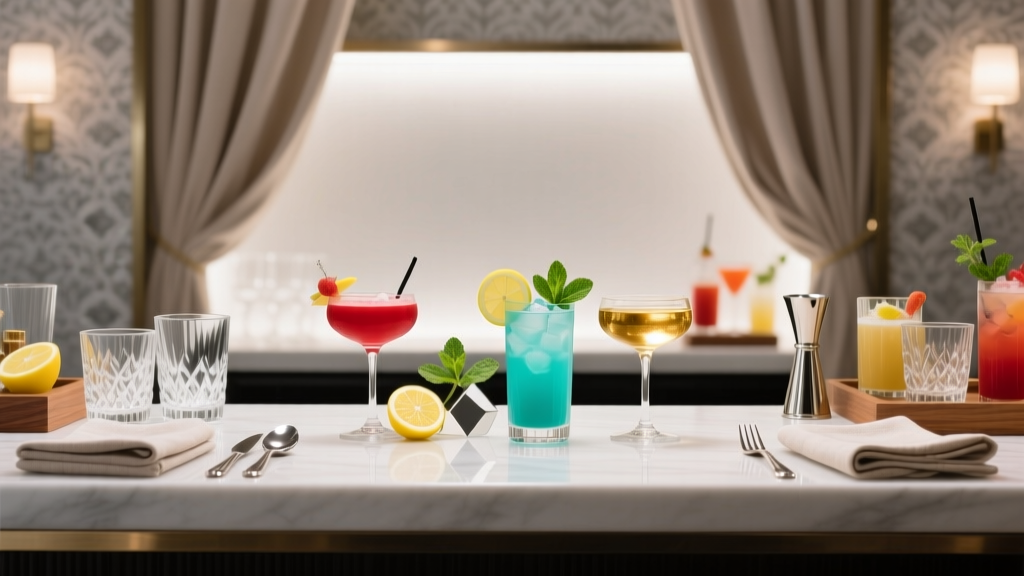
Budget Tips for a Cocktail Party
A cocktail party looks effortless when it’s done well: guests flow from conversation to conversation, drinks appear quickly, and the food feels plentiful without being heavy. That “easy” vibe is the result of smart event planning—especially when you’re working with a tight budget. Without a plan, costs creep in through overlooked items like ice, glassware rentals, last-minute décor, and excess alcohol.
The good news is that a polished cocktail party doesn’t require an unlimited spend. With a clear guest count strategy, a simple menu, and a streamlined bar plan, you can host a stylish event that feels intentional and generous. The key is choosing a few “high impact” elements and trimming everything else that doesn’t move the experience forward.
This guide breaks down practical ways to plan, organize, and coordinate a budget-friendly cocktail party—complete with a planning timeline, checklist items, sample budget breakdowns, vendor selection tips, common mistakes to avoid, and real-world examples you can copy.
Start with a Budget-First Party Plan (Not a Pinterest-First Plan)
Define the purpose and the “non-negotiables”
Before you pick a signature drink or a color palette, write down what success looks like for your event. Cocktail parties are usually about connection, networking, celebrating, or hosting a pre-dinner gathering. Your purpose guides every spending decision.
- Occasion: birthday, engagement, holiday, networking, fundraiser, open house
- Guest experience goal: lively mingling, upscale vibe, casual and cozy, photo-worthy
- Non-negotiables: a bartender, a specific spirit, live music, premium appetizers, a certain venue
Set the budget using a simple formula
Use a per-guest range to keep decisions grounded. For a budget cocktail party at home, many hosts land between $15–$35 per person depending on alcohol choices and whether they rent equipment. For a rented venue, plan for $35–$80 per person due to fees, staffing, and minimums.
Budget formula: Total Budget = (Guest Count x Per-Guest Target) + Fixed Costs
- Per-guest costs: alcohol, mixers, ice, food, disposables, small décor
- Fixed costs: venue fee, bartender, rentals, entertainment, permits (if needed)
Smart Guest List Strategies That Save Money
Lock the guest count early
Your guest list is the biggest budget lever. Every “maybe” costs you money in food, drinks, and supplies. If you’re planning a cocktail party on a budget, commit to a guest count target and only expand if you have confirmed RSVP capacity.
- Budget-friendly sweet spot: 15–35 guests for a home cocktail party
- RSVP method: digital invite with a clear deadline (7–10 days before)
- Expect drop-off: 10–20% for casual events; 0–10% for formal or ticketed events
Choose an efficient party length
Most cocktail parties run best at 2 to 3 hours. Longer events increase alcohol consumption and require more food. A defined start and end time is one of the simplest party organization tactics for controlling costs.
Budget-Friendly Bar Planning: Big Impact, Less Waste
Offer a “limited bar” that feels curated
A full bar is expensive and often unnecessary. A limited bar can still feel premium when it’s intentional:
- 1–2 signature cocktails (choose crowd-pleasers with overlapping ingredients)
- Beer + wine (one light beer, one craft/IPA, one red wine, one white)
- Non-alcoholic options that look elevated (sparkling water, citrus, herbs)
Trend watch: “No/low” drink options are increasingly expected. Add a simple zero-proof spritz or flavored sparkling water station to keep guests happy and reduce alcohol costs.
Build a cost-efficient drink menu
Select cocktails that share mixers and garnishes to minimize shopping and prep time. Examples:
- Vodka or gin spritz: spirit + citrus + soda + optional elderflower
- Batch margarita: tequila + lime + orange liqueur (or orange juice) + simple syrup
- Rum punch: rum + pineapple + lime + sparkling water
Use batching to reduce staffing needs
Batching cocktails in pitchers or dispensers speeds up service and reduces the need for a full bar team. Label each drink with:
- Ingredients list (and allergens)
- Alcohol content note (optional but helpful)
- Garnish instructions
Alcohol quantity guide (practical estimates)
These estimates help you avoid overbuying. Adjust for your crowd and event timing.
- Average consumption: 2 drinks per person in the first hour, then 1 drink per hour
- 2-hour party: plan 3 drinks per person
- 3-hour party: plan 4 drinks per person
Example: 25 guests x 4 drinks = 100 drinks total. If you offer 2 signature cocktails plus beer/wine, split roughly:
- 50% signature cocktails (50 drinks)
- 30% beer (30 drinks)
- 20% wine (20 drinks)
Don’t forget the hidden bar costs
- Ice (more than you think): plan 1–1.5 lbs per guest
- Garnishes (lemons/limes, herbs)
- Mixers (soda, tonic, juice)
- Cups/glassware, napkins, straws (paper or compostable)
- Bar tools (jigger, shaker, bottle opener) if not already owned
Food That Feels Plentiful Without a Full Dinner
Pick the right food level for the time of day
A common planning mistake is serving too little food at a dinner hour. Match your menu to your start time:
- 4–6 PM: lighter snacks + 2–3 hearty bites
- 6–9 PM: more substantial passed apps or stations (guests expect “dinner-ish”)
- After 8 PM: desserts and salty snacks work well
Use a “3-2-1” budget menu framework
This framework keeps variety high and costs controlled:
- 3 easy grab-and-go items (nuts, olives, chips & dip, popcorn)
- 2 hearty items (meatballs, sliders, flatbread, skewers)
- 1 standout item (a themed board, a baked brie, a seasonal platter)
Portion planning (simple guide)
- Light cocktail party (not dinner): 5–7 bites per person
- Heavier cocktail party (replacing dinner): 10–12 bites per person
Trend watch: grazing boards and snack stations
Grazing boards, antipasto platters, and “build-your-own” stations are popular because they’re visually impressive and easy to scale. They also reduce the need for staff and keep guests circulating, which is ideal for cocktail party coordination.
Décor and Ambience on a Budget: Spend Where It Shows
Focus on lighting and one focal point
Lighting is one of the cheapest ways to make a space feel intentional. Prioritize:
- Warm string lights or LED candles
- Dim overhead lighting
- A single focal area: bar setup, entry table, or photo corner
Use “repeatable” décor to stretch your budget
- Bud vases with grocery store flowers (repeat across surfaces)
- Greenery bundles (eucalyptus or seasonal stems)
- Coordinated napkins and signage for a cohesive look
Music is a budget-friendly upgrade
Skip live entertainment unless it’s essential. Curate a playlist that matches the vibe:
- Start: upbeat but not loud
- Mid-party: energetic to maintain momentum
- Last 20 minutes: slightly calmer to signal wrap-up
Vendor Selection Tips (When You Need Outside Help)
Bartender: when it’s worth it
Hiring a bartender can reduce waste, improve guest experience, and let you enjoy your own event. It’s especially helpful for groups over 25 or when you’re serving cocktails beyond beer and wine.
Questions to ask:
- What’s included (tools, garnishes, setup/cleanup)?
- Do you carry liability insurance?
- Will you help with a shopping list and quantities?
- Is there a minimum number of hours?
Food vendors: compare drop-off catering vs. full service
- Drop-off catering: lower cost, minimal staffing; ask for heating/serving instructions
- Full-service catering: higher cost but includes staffing, rentals coordination, and presentation
Rentals: only rent what impacts function
If you’re debating rentals, prioritize function first:
- Extra high-top tables (improves flow immediately)
- Glassware only if you can’t source enough
- Ice bins/coolers if fridge space is limited
Step-by-Step Planning Timeline (With Checklist Items)
4–6 weeks out: set the foundation
- Choose date, start/end time, and location
- Set total budget and per-guest target
- Draft guest list and decide RSVP method
- Pick a simple theme/vibe (modern, tropical, classic, seasonal)
- Decide bar format: limited bar + 1–2 signature cocktails
- Shortlist vendors (bartender, catering, rentals) if needed
2–3 weeks out: finalize the plan
- Send invitations and set RSVP deadline
- Confirm menu and drink list
- Create your shopping lists (alcohol, mixers, food, décor, disposables)
- Plan layout: bar zone, food zone, trash/recycling, coats/bags
- Confirm vendor quotes and book services
7–10 days out: lock numbers and place orders
- Check RSVPs and follow up with non-responders
- Finalize headcount and update quantities
- Order rentals or confirm pickup schedule
- Create prep plan: what can be made ahead?
- Build your event day schedule (setup, arrival, food timing)
2–3 days out: shop and prep
- Shop for shelf-stable items and alcohol first
- Prep batch cocktails (without bubbles; add soda last-minute)
- Wash and prep garnishes (store in sealed containers)
- Confirm ice plan and cooler space
- Print or write simple bar/menu signs
Event day: execute with a calm flow
- 4–6 hours before: set up furniture layout and bar station
- 2–3 hours before: set out non-perishables, fill coolers, stage glassware
- 60–90 minutes before: arrange food, label allergens, start music
- Guest arrival: keep the first drink easy (welcome cocktail or pre-poured spritz)
- Mid-party: refresh ice, restock napkins, tidy surfaces
- Last 20 minutes: shift to water/coffee, set out a sweet/salty closer
Quick checklist: the often-forgotten essentials
- Trash bags + recycling bin
- Bottle opener/corkscrew
- Extra ice scoop/tongs
- Paper towels and cleaning spray
- Toothpicks/cocktail picks
- Sharpie + tape for quick labels
Sample Budget Breakdowns (Real-World Examples)
Example 1: 20-person home cocktail party ($450 total)
- Alcohol + mixers + ice: $190
- Food (apps + snack board): $170
- Disposables/napkins/cups: $40
- Décor (candles + flowers): $35
- Contingency (10%): $15
Cost per person: $22.50
Why it works: limited bar, one standout grazing board, and lighting-focused décor.
Example 2: 40-person semi-hosted party with bartender ($1,400 total)
- Bartender (4 hours + tip): $300
- Alcohol + mixers + ice: $520
- Drop-off catering (apps): $420
- Rentals (high-tops + glassware): $120
- Décor/signage: $40
Cost per person: $35
Why it works: the bartender reduces waste and keeps the bar moving, while drop-off catering avoids full-service fees.
Common Cocktail Party Planning Mistakes to Avoid
- Overspending on alcohol variety: a full bar sounds generous, but curated options feel more premium and cost less.
- Serving too little food: guests drink faster without food, which increases alcohol costs and lowers comfort.
- Forgetting ice and chilling capacity: warm drinks make even high-end spirits feel cheap.
- No layout plan: bottlenecks at the bar or food table cause lines and reduce mingling.
- Not planning for cleanup: build in trash/recycling stations and a 30-minute reset plan for the end of the night.
- Skipping a contingency buffer: hold 5–10% for last-minute needs like extra mixers or a quick rental.
FAQ: Budget Cocktail Party Planning
How do I host a cocktail party cheaply but still make it feel upscale?
Keep the bar limited, upgrade presentation, and focus on lighting. A single signature cocktail with a garnish, a simple printed menu sign, and warm ambient lighting will read “elevated” without expensive décor.
Is it better to do beer and wine only or add a signature cocktail?
Beer and wine only is simplest, but one signature cocktail often feels more special and can actually reduce costs if you batch it and limit other spirits.
How much ice do I need for a cocktail party?
A reliable estimate is 1–1.5 pounds per guest for a 2–3 hour party. If you’re serving a lot of shaken drinks or it’s hot outside, plan closer to 2 pounds per guest.
What’s the easiest food plan for a beginner host?
Use the “3-2-1” framework: three snacky items, two hearty bites, and one standout platter. Choose items that hold well at room temperature and don’t require constant cooking.
Should I hire a bartender for a small cocktail party?
If you’re serving only beer/wine and one batched cocktail, you can usually skip it for under 20 guests. For 25+ guests or more complex cocktails, a bartender improves flow and lets you enjoy your own event.
How far in advance should I start planning?
For a home cocktail party, 3–4 weeks is typically enough. If you’re booking a venue, rentals, or catering, start 6–8 weeks out to secure better pricing and availability.
Actionable Next Steps for Your Cocktail Party Plan
- Set a per-guest budget target and lock your guest count range.
- Choose a limited bar: 1–2 signature cocktails plus beer/wine and a zero-proof option.
- Build a menu that matches the event time and holds well for 2–3 hours.
- Create your layout plan (bar, food, seating, trash) to prevent bottlenecks.
- Use the timeline above to schedule shopping, prep, and setup—then add a 10% cushion for surprises.
If you’re ready for more step-by-step event planning, party organization, and coordination guides, explore the latest resources on smartpartyprep.com to keep your next celebration smooth, stylish, and on budget.
More Articles
 Is South Carolina a one party consent state? Yes—but here’s exactly when that rule fails you (and how to avoid felony wiretapping charges at your next event)
 How to Plan a Bachelor Party That Actually Sticks the Landing (Not Just Survives): A Stress-Tested 7-Step Framework Backed by 127 Real Groom Surveys & Zero Regrets
How to Party in Rune Slayer: The 7-Step Event Planner’s Blueprint (No Glitching, No FOMO, Just Epic In-Game Celebrations)
How Do You Join the Black Panther Party? The Truth About Membership—Why It’s Not Possible Today (And What You *Can* Do Instead to Honor Their Legacy)
Did Trump Go to Diddy Parties? The Truth Behind the Rumors, Verified Guest Lists, Security Protocols, and What It Reveals About Modern Political-Celebrity Event Strategy
What to Wear to a Backyard Party: The 7-Second Dress Code Decoder (No More Awkward Outfit Regrets or Last-Minute Panic)
How to Plan a Bachelor Party That Actually Sticks the Landing (Not Just Survives): A Stress-Tested 7-Step Framework Backed by 127 Real Groom Surveys & Zero Regrets
How to Party in Rune Slayer: The 7-Step Event Planner’s Blueprint (No Glitching, No FOMO, Just Epic In-Game Celebrations)
How Do You Join the Black Panther Party? The Truth About Membership—Why It’s Not Possible Today (And What You *Can* Do Instead to Honor Their Legacy)
Did Trump Go to Diddy Parties? The Truth Behind the Rumors, Verified Guest Lists, Security Protocols, and What It Reveals About Modern Political-Celebrity Event Strategy
What to Wear to a Backyard Party: The 7-Second Dress Code Decoder (No More Awkward Outfit Regrets or Last-Minute Panic)
 How to Choose a Theme for a Dance Party
 Who Plays Firewater in Sausage Party? The Real Voice Behind the Iconic Liquor Bottle — And How to Bring That Energy to Your Next Themed Party