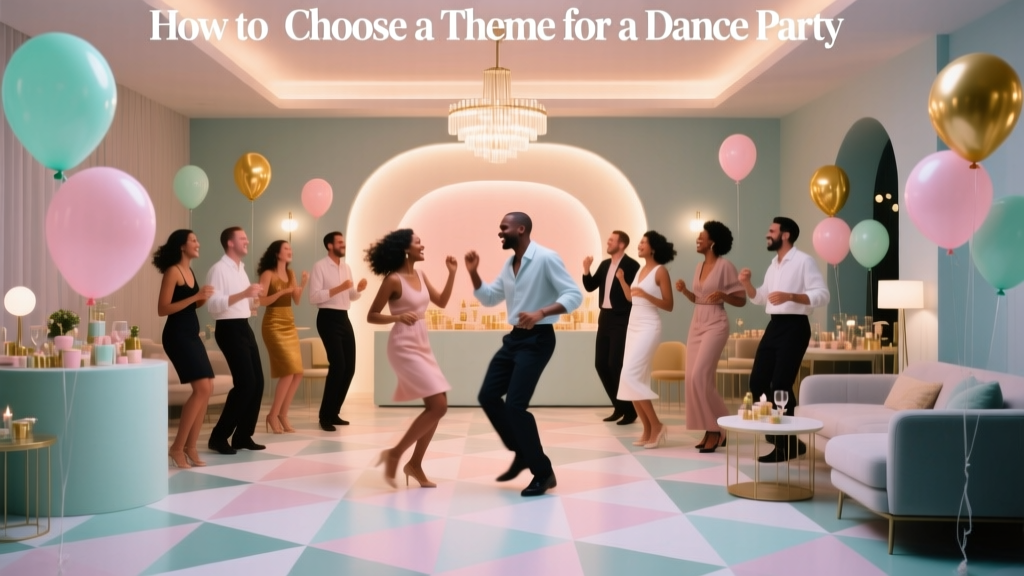
How to Choose a Theme for a Dance Party
A dance party can feel effortless when you’re on the floor—great music, great lighting, everyone moving. Behind the scenes, the difference between a party that “just happens” and one that feels immersive and unforgettable is the theme. A strong theme acts like a planning shortcut: it guides your décor choices, music direction, dress code, marketing, and even your vendor selection, so every detail works together.
Theme planning also solves two common event problems: decision fatigue and budget creep. Without a clear concept, hosts often buy random décor, change their mind on music, and add last-minute elements that don’t fit. A thoughtful theme keeps your party organized, keeps your spending intentional, and helps guests understand what to expect—so they show up excited and ready to participate.
This guide walks you through choosing a dance party theme step by step, with practical tips, planning timelines, budget considerations, and real-world examples you can adapt for birthdays, school dances, corporate events, club-style pop-ups, and community celebrations.
Start With the Basics: Define Your Dance Party Goals
Before scrolling theme ideas, clarify the foundation of your event. Professional event coordination starts with purpose and constraints—then creativity.
Ask these five questions first
- Who is the audience? Adults 21+, teens, mixed ages, coworkers, families.
- What’s the occasion? Birthday, fundraising event, prom, holiday party, brand activation, reunion.
- What’s the vibe? High-energy club, elegant lounge, playful throwback, festival-style, culturally specific.
- What’s the venue like? Ballroom, backyard, warehouse, rooftop, community center, school gym.
- What’s the success metric? Packed dance floor, photo-worthy moments, team bonding, ticket sales, fundraiser totals.
Translate goals into theme criteria
Create a quick “theme filter” so you can evaluate ideas objectively:
- Guest fit: Will most guests understand and enjoy it?
- Budget fit: Can you execute it with your décor and entertainment budget?
- Venue fit: Will lighting, sound, and layout support it?
- Time fit: Can you source décor and vendors on your timeline?
- Photo fit: Does it offer a clear visual identity for invitations and social posts?
Choose a Theme Type That’s Easy to Execute
Not all themes are created equal. The easiest themes to plan are the ones that naturally connect to décor, music, and dress code.
1) Era and throwback themes (always popular)
These work because music, fashion, and décor cues are instantly recognizable.
- Disco (’70s), Retro Roller, ’80s Neon, ’90s Pop, Y2K, 2000s club throwback
- Motown & Soul Night, Classic Hip-Hop, EDM festival-inspired
Trend tie-in: Nostalgia events remain strong because they encourage participation (outfits, sing-alongs) and perform well on social media.
2) Color and aesthetic themes (budget-friendly and cohesive)
- All-White Party, Black & Gold Gala, Neon Glow Night, Pastel Party
- Metallics (silver chrome), Barbiecore pink, “Clean Minimal” monochrome
Why it works: A tight color palette simplifies party organization: balloons, linens, lighting gels, and signage become plug-and-play.
3) Destination and cultural themes (immersive, detail-driven)
- Havana Nights, Ibiza Beach Club, Paris After Dark, Tokyo Neon
- Carnival-inspired, Bollywood dance night (handled respectfully and thoughtfully)
Coordination tip: If you’re using cultural references, keep it celebratory rather than costume-like. Use music, colors, and food as the focus, and avoid stereotypes.
4) Concept themes (high impact when you want “wow”)
- Masquerade Dance, Studio 54-inspired, Blacklight Rave, Silent Disco
- Red Carpet Premiere, Enchanted Garden After Dark
Vendor note: These themes often require specialty lighting, staging, or rentals—plan earlier and confirm venue restrictions.
Match the Theme to Your Venue, Time, and Guest Experience
Use your venue as a built-in theme enhancer
- Industrial warehouse: Great for techno/EDM, “Underground Club,” neon signage, fog effects (if allowed).
- Ballroom or hotel: Perfect for masquerade, black-tie disco, elegant “Midnight in Paris.”
- Backyard: Ideal for “Tropical Dance Night,” boho disco, or outdoor glow party with string lights.
- School gym/community center: Works well with era themes, color themes, glow night, and photo-backdrop-driven concepts.
Consider guest comfort and flow
A theme should improve the experience, not complicate it. Check these essentials:
- Dress code clarity: Simple guidance increases participation (e.g., “Wear neon” beats “cyberpunk formal”).
- Dance floor size: Ensure enough open space; don’t over-decorate floor edges.
- Lighting balance: Dark enough for a club vibe, bright enough for safe movement and photos.
- Sound limits: Ask about decibel limits and end times; match theme intensity accordingly.
Build Your Theme Like a Pro: Mood Board + Three Anchors
Professional event planning relies on visual alignment. Before you buy anything, create a simple mood board (Pinterest, Canva, or a shared album) and define three anchors that will make your theme instantly recognizable.
The three anchors method
- Signature visual: A backdrop, balloon install, neon sign, or entrance moment.
- Signature lighting: Uplights, disco ball + pin spots, blacklights, LED tubes, or warm string lights.
- Signature sound: A DJ direction (playlist style), live percussion add-on, or a timed “peak moment” song set.
Once those are locked, everything else becomes supporting detail—table décor, signage, party favors, and photo props.
Real-World Theme Examples (With Practical Execution Tips)
Example 1: “Neon Glow Night” for a teen dance
- Theme anchors: Blacklight + neon balloon garland, glow bracelets at check-in, DJ playing current hits + TikTok favorites.
- Dress code: “Wear neon or white.”
- Budget saver: Focus spend on lighting; keep table décor minimal (neon runners, simple signage).
- Coordination tip: Test which colors glow best under blacklight (neon green, orange, pink).
Example 2: “Disco Luxe” for an adult birthday
- Theme anchors: Disco balls, gold/silver palette, a sequined photo backdrop.
- Music direction: Disco + modern remixes + upbeat pop.
- Vendor add-on: Mirror dancer or LED performer for a 20-minute peak set.
- Budget saver: Rent disco balls and use inexpensive metallic fringe + DIY reflective centerpieces.
Example 3: “Ibiza Beach Club” for a corporate summer party
- Theme anchors: White lounge seating, palm accents, blue uplighting, chill-to-hype DJ progression.
- Food/drink tie-in: Citrus mocktails, tapas stations, late-night dessert bites.
- Coordination tip: Create a “day-to-night” schedule: networking early, dance floor opens later.
Step-by-Step Planning Timeline and Checklist
Use this timeline template to keep party organization on track. Adjust based on event size and whether you’re booking a venue or hosting at home.
6–8 weeks out: Set the foundation
- Define event goals, guest count, date, and venue
- Choose 2–3 theme finalists using your theme filter
- Confirm budget range and must-haves (DJ, lighting, bar, security)
- Start a mood board and pick your color palette
- Draft a vendor list and request quotes (DJ, lighting, rentals, photographer)
4–6 weeks out: Lock your theme and core vendors
- Select the theme and write a one-paragraph “theme brief” (vibe, colors, dress code, music direction)
- Book DJ or entertainment and confirm equipment needs
- Book lighting (or confirm venue lighting package)
- Reserve rentals: dance floor (if needed), lounge seating, linens, staging
- Design invitations or event page using theme visuals
2–4 weeks out: Décor, layout, and guest communication
- Create a floor plan: check-in, bar, dance floor, photo area, seating/rest area
- Order décor and signage; confirm delivery dates
- Finalize dress code wording (keep it friendly and specific)
- Build a “moment schedule” (grand entrance, group photo, peak dance set)
- Confirm staffing: host team, security, coat check, bartenders
7–14 days out: Final confirmations
- Confirm vendor arrival times, load-in instructions, and contact numbers
- Send guest reminder with dress code, parking, start time, and end time
- Finalize playlist guidance with DJ (must-plays, do-not-plays, key moments)
- Prepare emergency kit: tape, scissors, zip ties, extension cords, stain remover
Event week: Execution checklist
- Print a run-of-show and vendor timeline
- Prep check-in materials: guest list, wristbands, tickets, glow items
- Test lighting cues and photo area lighting
- Do a sound check; confirm microphone needs for announcements
- Assign roles: who manages vendors, who handles guest issues, who cues the DJ
Day-of quick timeline template
- T-4 hours: Rentals/décor setup begins; photo area built first
- T-2 hours: DJ setup + sound check; lighting focus and safety walk-through
- T-1 hour: Final styling; check-in station ready; background music starts
- Doors open: High-energy welcome track; photos encouraged early
- +60–90 min: First “peak set” to fill the dance floor
- Last 20 min: Final hits + clear last call/closing announcement
Budget Considerations: Where to Spend vs. Save
Your theme becomes believable when you invest in the elements guests feel most: sound, lighting, and one strong visual moment.
Sample budget breakdown (percentage guide)
- Entertainment (DJ/live): 20–35%
- Lighting & AV: 15–30%
- Venue & permits/security: 20–40% (varies widely)
- Décor (backdrop, balloons, props, linens): 10–20%
- Food & beverages: 10–30% (depending on hosted bar vs. cash bar)
- Photo/video: 5–15%
- Contingency: 5–10%
Smart ways to save without looking “cheap”
- Choose a color-based theme and let lighting create the mood
- Use one statement piece (backdrop or balloon install) rather than decorating everywhere
- Repurpose décor: entrance piece becomes photo backdrop later
- Prioritize a DJ with great mixing over expensive extras you don’t need
Vendor Selection Tips (DJ, Lighting, Décor, and More)
How to choose the right DJ for your theme
- Ask for a sample mix in your theme’s style (e.g., disco + modern edits)
- Confirm they can read the room and adjust energy
- Review their equipment list (speakers, controller, microphone, backup plans)
- Clarify whether they handle MC duties or you need a separate host
Lighting vendors: what to confirm
- Uplighting count and placement plan
- Dance floor effects (moving heads, wash lights, lasers where permitted)
- Haze/fog policy (many venues restrict it)
- Setup time, power requirements, and safety cable use
Décor providers and rentals
- Ask what’s in stock vs. special order (timelines matter)
- Request photos from real events, not just catalog images
- Confirm delivery windows, installation fees, and strike/removal responsibilities
Common Dance Party Theme Mistakes to Avoid
- Picking a theme without a music plan: The playlist and DJ style should match the theme, not fight it.
- Overcomplicating the dress code: If guests don’t understand it, they won’t participate.
- Spreading décor budget too thin: A few strong focal points beat lots of small, mismatched items.
- Ignoring lighting: Even great décor can look flat without the right lighting design.
- No floor plan for flow: Poor placement of seating, bar lines, or photo areas can block the dance floor.
- Not planning for the “energy arc”: Build from arrival (warm-up) to peak set (party high) to final songs (smooth close).
FAQ: Choosing a Dance Party Theme
What’s the easiest dance party theme to pull off?
A color-based theme (like All-White, Black & Gold, or Neon) is usually easiest because it gives instant cohesion across invitations, décor, and attire, while letting music and lighting do most of the heavy lifting.
How do I choose a theme that guests will actually follow?
Make the theme simple to understand and easy to participate in. Use clear dress code wording, show examples on the invite, and offer a “backup option” like accessories at check-in (glow bracelets, masks, bead necklaces, or metallic hats).
Should the theme dictate the playlist or should the playlist dictate the theme?
Start with what your crowd loves to dance to, then choose a theme that naturally supports that music. If your group is happiest with ’90s and 2000s hits, a Y2K or ’90s throwback theme will feel authentic and keep the dance floor full.
How far in advance should I lock the theme?
For most events, lock the theme 4–6 weeks out. That timing helps you book the right DJ/lighting, order décor, and communicate the dress code early enough for guests to participate.
How can I make a small space feel like a real dance party?
Use lighting and a strong focal point. Add uplighting or a simple moving light, create a compact photo area, and keep furniture around the perimeter to open up a clear dance zone. A great DJ setup (even in a corner) does more than extra décor.
Next Steps: Pick, Test, and Commit to Your Theme
Choose three theme options, run them through your theme filter (guest fit, budget fit, venue fit, time fit, photo fit), and select the one that feels easiest to execute with the biggest guest payoff. Then build your mood board, lock your three anchors (visual, lighting, sound), and start booking vendors with a clear theme brief.
If you want more step-by-step event planning, party organization checklists, and coordination strategies, explore the rest of our guides on smartpartyprep.com.
More Articles
 Is Party Animals Split Screen? The Truth About Local Multiplayer Setup (No More Confusion, Lag, or Missed Turns)
How to Watch Party on Disney Plus in 2024: The Only Step-by-Step Guide That Actually Works (No Glitches, No Confusion, Just Seamless Group Streaming)
When Is The Hunting Party Coming Back On? The Truth About Linkin Park’s 2024–2025 Comeback Timeline (No Speculation—Just Verified Tour Dates, Album Reissues & What Fans Are Actually Getting)
Is Party Animals Split Screen? The Truth About Local Multiplayer Setup (No More Confusion, Lag, or Missed Turns)
How to Watch Party on Disney Plus in 2024: The Only Step-by-Step Guide That Actually Works (No Glitches, No Confusion, Just Seamless Group Streaming)
When Is The Hunting Party Coming Back On? The Truth About Linkin Park’s 2024–2025 Comeback Timeline (No Speculation—Just Verified Tour Dates, Album Reissues & What Fans Are Actually Getting)
 Top 20 Tips for a Trade Show Booth
What Is House Party App? The Truth Behind the Viral Event Planning Tool That’s Saving Hosts 7+ Hours Per Gathering (and Why Most People Still Use It Wrong)
What Happens When the Party Ends? 7 Non-Negotiable Steps Every Host Overlooks (That Cause Last-Minute Chaos, Legal Risk, or Regret)
Top 20 Tips for a Trade Show Booth
What Is House Party App? The Truth Behind the Viral Event Planning Tool That’s Saving Hosts 7+ Hours Per Gathering (and Why Most People Still Use It Wrong)
What Happens When the Party Ends? 7 Non-Negotiable Steps Every Host Overlooks (That Cause Last-Minute Chaos, Legal Risk, or Regret)
 What Happened After the Boston Tea Party? The 12-Month Domino Effect That Forged a Nation — From Coercive Acts to Lexington’s First Shots (No Textbook Fluff)
Do Both Parties Have to Be Present for a Notary? The Truth About Remote, Dual, and Sequential Notarizations (and What Happens If Someone Can’t Show Up)
What Happened After the Boston Tea Party? The 12-Month Domino Effect That Forged a Nation — From Coercive Acts to Lexington’s First Shots (No Textbook Fluff)
Do Both Parties Have to Be Present for a Notary? The Truth About Remote, Dual, and Sequential Notarizations (and What Happens If Someone Can’t Show Up)