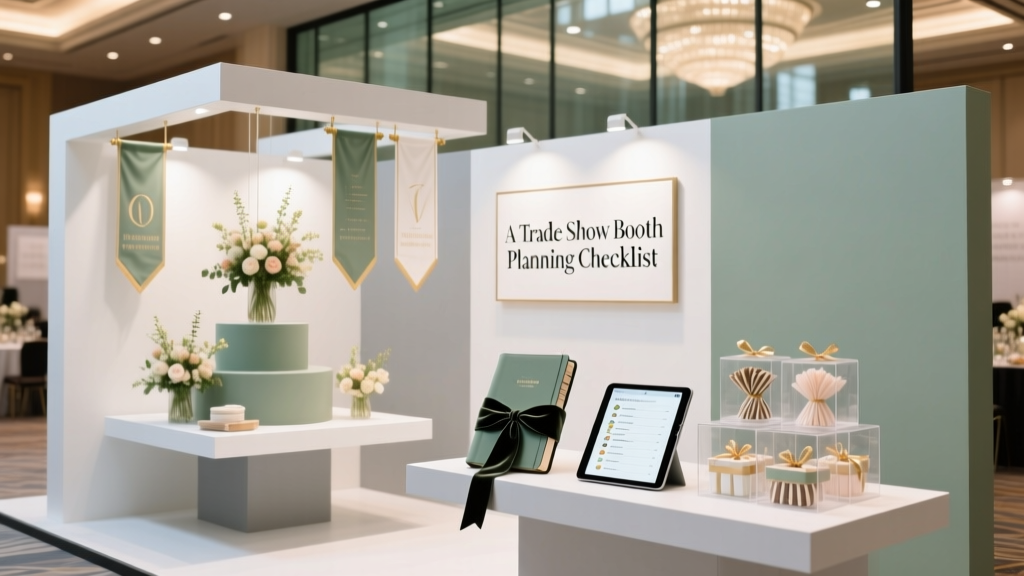
A Trade Show Booth Planning Checklist
Trade shows can be one of the fastest ways to generate qualified leads, validate a new product, and build credibility in a crowded market—if your booth is planned with intention. The reality is that attendees move fast, decision-makers are hard to stop, and a booth that’s “good enough” often blends into the background. Great booth performance is rarely an accident; it’s the result of a clear strategy, a coordinated planning timeline, and tight execution across design, logistics, staffing, and follow-up.
Whether you’re a first-time exhibitor or you’re leveling up from a table-and-banner setup, a smart trade show booth plan protects your budget, reduces last-minute stress, and increases the number of meaningful conversations you have on the show floor. This checklist brings together proven event planning strategies—timelines, vendor coordination, budgeting, and contingency planning—so you can manage your booth like a pro.
Use this as your step-by-step event coordination guide: align your goals, lock in your booth design, get your logistics right, train your team, and leave with leads your sales team will actually want.
Start With Strategy: Goals, Audience, and Booth KPIs
Before you choose a booth layout or order giveaways, define what success looks like. A clear strategy makes every planning decision easier—especially when trade show costs add up quickly.
Define your primary trade show objective
- Lead generation: Capture qualified contacts for sales outreach.
- Brand awareness: Increase impressions, press mentions, and booth traffic.
- Product launch: Demo a new solution and gather feedback.
- Partner development: Book meetings with resellers, distributors, or strategic partners.
- Customer retention: Host existing clients for training or appreciation.
Identify your ideal attendee
- Job roles you want to attract (buyers, operations, IT, founders, etc.)
- Industries and company size
- Pain points your product or service solves
- Common objections and how you’ll address them in 30 seconds
Set measurable KPIs
- Leads captured (total and qualified)
- Meetings booked
- Demo count and demo-to-lead conversion rate
- Cost per lead (total show cost ÷ qualified leads)
- Follow-up completion within 72 hours
Real-world example: A small SaaS company exhibits at a regional expo with a 10x10 booth. Their KPI isn’t “get traffic,” it’s “book 20 demos with operations managers.” That decision shapes everything: signage focuses on one problem solved, the booth includes a standing demo station, and staff are trained to qualify quickly.
Trade Show Booth Planning Timeline (With Checklist)
This planning timeline follows a practical event management flow. Adjust based on how large the show is and how custom your booth will be.
12–16 Weeks Out: Secure the Basics
- Confirm exhibitor contract, booth size, and location (near entrances, food courts, or major anchors if possible)
- Review the exhibitor manual for deadlines, labor rules, shipping instructions, insurance requirements, and electrical/internet options
- Build a shared planning folder (budget, timeline, vendor contacts, design files)
- Create your trade show project plan:
- Owner for each task (marketing, sales, operations)
- Key deadlines (shipping, printing, advanced order discounts)
- Daily stand-up cadence leading into the event
- Outline booth concept and key message (one headline + 2–3 supporting points)
8–12 Weeks Out: Design, Vendors, and Logistics
- Select booth type:
- Inline (10x10 or 10x20): best for simple displays and demos
- Island: maximum visibility; needs stronger design planning
- Pop-up modular system: reusable and budget-friendly
- Custom build: premium look; higher cost and longer lead times
- Finalize booth layout (traffic flow, demo zone, storage, meeting space)
- Book vendors:
- Booth fabricator or rental provider
- Graphic printing (banners, wall panels, counter wraps)
- Shipping/logistics or freight partner
- AV equipment (screens, tablets, speakers if allowed)
- Lead capture solution (app, badge scanner, or CRM form)
- Order show services early for discounts:
- Electrical drops
- Internet (often expensive; consider cellular backup)
- Carpet/flooring
- Furniture (stools, demo counters, small meeting table)
- Confirm staffing plan and travel needs (flights, hotels, per diem)
6–8 Weeks Out: Content, Collateral, and Lead Flow
- Write and approve booth copy (headline, value props, CTA)
- Create/refresh collateral:
- One-page handout (problem, solution, proof, next step)
- Case study sheets (industry-specific if possible)
- Product/service overview cards with a QR code
- Plan your demo or activation:
- Short demo script (2–4 minutes)
- FAQ and objection-handling prompts
- Interactive element (quiz, live mini-consult, sample station)
- Define lead qualification rules (A/B/C leads) and the follow-up promise
- Choose giveaways that match your brand and audience (and keep shipping weight in mind)
4–6 Weeks Out: Operations, Training, and Pre-Show Marketing
- Confirm shipping plan:
- Ship to advance warehouse vs direct to show site
- Labeling and paperwork (BOL, tracking, insurance)
- Buffer time for delays
- Create a booth staffing schedule:
- Coverage for peak hours
- Breaks and lunches
- One person always assigned to lead capture oversight
- Train the team:
- 30-second pitch and key questions
- How to greet attendees without blocking the aisle
- How to scan badges and add notes
- Dress code and booth etiquette
- Launch pre-show outreach:
- Email existing leads and customers to book meetings
- Social posts announcing booth number and demo times
- Calendar link for appointments
- Partner cross-promotion (if co-exhibiting)
2–3 Weeks Out: Final Confirmations and Packing Checklist
- Confirm all vendor orders and show services (electrical, internet, furniture, labor)
- Print and pack signage and collateral (bring 10–15% extra)
- Prepare a “booth toolkit” (details below)
- Test tech:
- Demo devices updated and charged
- Offline version of demo available
- Backup cables, adapters, and power strips
- Lead capture form tested end-to-end
- Finalize the post-show follow-up workflow in your CRM (tags, owners, sequences)
Show Week: On-Site Execution
- Move-in: photograph crates and shipments; confirm electrical and internet; walk the booth and check for visibility.
- Set-up: place key messaging at eye level; keep counters uncluttered; hide boxes and personal items.
- Team huddle: review daily goals, schedule, demo cues, and lead rules.
- During the show: rotate staff, refresh the booth, track lead count, and adjust if you’re attracting the wrong audience.
- Daily close: export/backup lead data; assign urgent follow-ups; note questions you heard repeatedly.
1–7 Days After: Follow-Up and Performance Review
- Send follow-up within 24–72 hours (fast follow-up is a major conversion driver)
- Route leads by qualification tier:
- A leads: personal outreach + meeting request
- B leads: tailored email + useful resource
- C leads: nurture campaign
- Hold a debrief:
- What messaging worked?
- Where did people get confused?
- Which giveaways/activations performed best?
- What would you change in layout, staffing, or lead capture?
- Calculate cost per qualified lead and compare to your KPI target
The Master Trade Show Booth Checklist (Quick Copy)
Booth & Branding
- Booth design approved (layout + renderings)
- Brand guidelines applied (colors, fonts, voice)
- High-impact headline signage + clear CTA
- Lighting plan (if allowed/needed)
- Flooring/carpet ordered
Logistics & Compliance
- Exhibitor manual reviewed
- Insurance certificate submitted
- Shipping arranged (warehouse/site) + tracking list
- Install/dismantle labor scheduled (if required)
- Electrical/internet ordered + backup plan
Lead Capture & Sales Enablement
- Lead capture app/scanners set up
- Qualification questions defined
- Demo script and talk track ready
- CRM workflow built (tags, owners, sequences)
Collateral & Giveaways
- One-pagers and case studies printed
- Business cards (or QR code contact cards)
- Giveaways ordered, packed, and counted
- Sign-up incentive aligned with audience value
Staffing & Travel
- Staffing schedule and breaks planned
- Dress code and booth behavior guidelines shared
- Hotel, flights, ground transport confirmed
- Meal plan/per diem arranged
Booth Toolkit (On-Site Essentials)
- Gaffer tape, scissors, box cutter, zip ties
- Command strips, Velcro, marker, notepad
- Extension cords, power strips, chargers, adapters
- Microfiber cloth, screen cleaner, hand sanitizer
- Mini first-aid kit, stain remover pen
Budget Planning: Sample Breakdown and Cost-Saving Moves
Trade show budgeting works best when you separate fixed costs (booth space) from variable costs (design, travel, shipping). Build a budget with a 10–15% contingency for show surprises.
Sample budget breakdown (typical ranges)
- Booth space fee: 25–40%
- Booth build/rental + graphics: 20–35%
- Shipping, drayage, labor: 10–20%
- Travel & lodging: 15–30%
- Furniture, electrical, internet: 5–15%
- Giveaways & collateral: 3–10%
- Contingency: 10–15%
Cost-saving strategies that don’t look “cheap”
- Invest in reusable modular displays: refresh graphics instead of rebuilding.
- Ship lighter: reduce collateral; use QR codes for downloadable resources.
- Order services before the deadline: advanced rates can be significantly lower.
- Limit custom furniture: rent basics and focus spend on strong signage and lighting.
- Right-size staffing: fewer, well-trained staff can outperform a crowded booth.
Vendor Selection Tips: Choosing Partners You Can Trust
Reliable vendors are a cornerstone of smooth event coordination. A great partner saves time, prevents mistakes, and helps you solve problems quickly.
How to evaluate booth and print vendors
- Ask for recent trade show examples (not just studio photos)
- Confirm lead times and revision limits for graphics
- Check what’s included: design files, packing cases, setup instructions
- Ask about on-site support options (especially for larger builds)
- Read reviews with attention to shipping and deadline performance
Questions to ask before you sign
- What happens if a shipment arrives damaged?
- How do you handle reprints or color mismatches?
- Can you provide a packing list and labeled cases?
- What are the cancellation and change fees?
Current Trade Show Trends to Use (Without Overcomplicating)
- Smarter lead capture: badge scans plus quick notes and qualification tags to improve follow-up quality.
- Minimalist, message-first booths: fewer words, stronger headline, clear CTA.
- Interactive micro-experiences: quick assessments, mini demos, or hands-on samples that take under 3 minutes.
- Sustainable booth planning: reusable structures, recyclable graphics, fewer printed pieces.
- Pre-booked meetings: scheduling links and targeted outreach to reduce reliance on random foot traffic.
Common Trade Show Booth Planning Mistakes (And How to Avoid Them)
- Trying to say everything on your signage: use one clear promise, then let staff do the explaining.
- No lead qualification process: scanning everyone creates a follow-up pile no one wants; define A/B/C.
- Underestimating drayage and labor: these costs can surprise new exhibitors—budget for them early.
- Skipping tech backups: always plan for poor Wi-Fi, dead batteries, and missing adapters.
- Staffing the booth with untrained team members: booth etiquette and a consistent pitch matter.
- Waiting too long to follow up: the best time to follow up is within 72 hours while interest is fresh.
FAQ: Trade Show Booth Planning
How early should I start planning a trade show booth?
Plan 12–16 weeks out for most shows. If you’re building a custom booth or exhibiting at a major industry expo, start 6 months ahead to secure vendors, shipping, and better booth placement.
What should I prioritize if my budget is limited?
Prioritize clear messaging, a clean booth layout, and strong lead capture. A simple, well-branded modular display with a focused demo often outperforms an expensive booth that feels confusing.
How many staff members do I need for a 10x10 booth?
Typically 2 staff on the floor at a time, with 1 additional person available for breaks or meetings. Too many people in a small booth can feel unwelcoming and block traffic.
What giveaways work best at trade shows?
Giveaways that are useful, lightweight, and aligned with your audience tend to perform well (not just novelty items). Consider tying the giveaway to a qualified action, like booking a demo or completing a short assessment.
How do I measure ROI from a trade show?
Track total show cost, qualified leads, meetings booked, conversion rate to opportunities, and closed revenue over a defined window (often 60–180 days). Cost per qualified lead is a helpful early indicator.
What’s the best way to follow up after the show?
Send a personalized message within 24–72 hours, reference what you discussed, and offer one clear next step (a call, demo, quote, or resource). Assign owners in your CRM so leads don’t stall.
Next Steps: Turn This Checklist Into Your Booth Action Plan
Pick your show date, then work backward using the timeline above. Assign an owner to each checklist section (booth design, logistics, staffing, lead capture, and follow-up), set internal deadlines one week ahead of exhibitor deadlines, and build a simple dashboard to track progress and budget in one place. With a clear plan, your booth becomes more than a display—it becomes a coordinated lead engine your team can repeat and improve at every event.
For more practical event planning, party organization, and coordination guides—plus checklists you can reuse—explore the latest resources on smartpartyprep.com.
More Articles
 What Is the Democratic Party Approval Rating Right Now? The Real-Time Pulse Check Every Campaign Strategist, Journalist, and Informed Voter Needs — Updated Daily with Gallup, Pew, FiveThirtyEight & More
What Is Tailgate Party? The Real-World Guide That Solves Confusion, Saves Hours of Planning, and Turns Your Parking Lot Into the Most-Requested Spot at Every Game Day
Is July Too Late for a Graduation Party? The Truth (Spoiler: It’s Not — Here’s Exactly How to Pull Off an Unforgettable Celebration in 3 Weeks or Less)
Is Party 4 U About Great Gatsby? Here’s Exactly What Their Gatsby Package Includes (Spoiler: It’s Not Just Black-Tie & Champagne Flutes)
When to Have the Bachelorette Party: The 7-Week Rule Most Couples Ignore (and Why Booking Too Early or Too Late Risks Drama, No-Shows, or Budget Blowouts)
What Is the Democratic Party Approval Rating Right Now? The Real-Time Pulse Check Every Campaign Strategist, Journalist, and Informed Voter Needs — Updated Daily with Gallup, Pew, FiveThirtyEight & More
What Is Tailgate Party? The Real-World Guide That Solves Confusion, Saves Hours of Planning, and Turns Your Parking Lot Into the Most-Requested Spot at Every Game Day
Is July Too Late for a Graduation Party? The Truth (Spoiler: It’s Not — Here’s Exactly How to Pull Off an Unforgettable Celebration in 3 Weeks or Less)
Is Party 4 U About Great Gatsby? Here’s Exactly What Their Gatsby Package Includes (Spoiler: It’s Not Just Black-Tie & Champagne Flutes)
When to Have the Bachelorette Party: The 7-Week Rule Most Couples Ignore (and Why Booking Too Early or Too Late Risks Drama, No-Shows, or Budget Blowouts)
 How Do You Plan a Bachelor Party That Actually Stays Fun (Not Chaotic)? A Stress-Free 7-Step Framework Backed by 127 Real Group Surveys & 3 Years of Planner Data
How Do I Change Political Parties in California? Here’s the Exact 4-Step Process (No Mail-In Forms, No Waiting—Just Verified Same-Day Updates at DMV or Online)
How Do You Plan a Bachelor Party That Actually Stays Fun (Not Chaotic)? A Stress-Free 7-Step Framework Backed by 127 Real Group Surveys & 3 Years of Planner Data
How Do I Change Political Parties in California? Here’s the Exact 4-Step Process (No Mail-In Forms, No Waiting—Just Verified Same-Day Updates at DMV or Online)
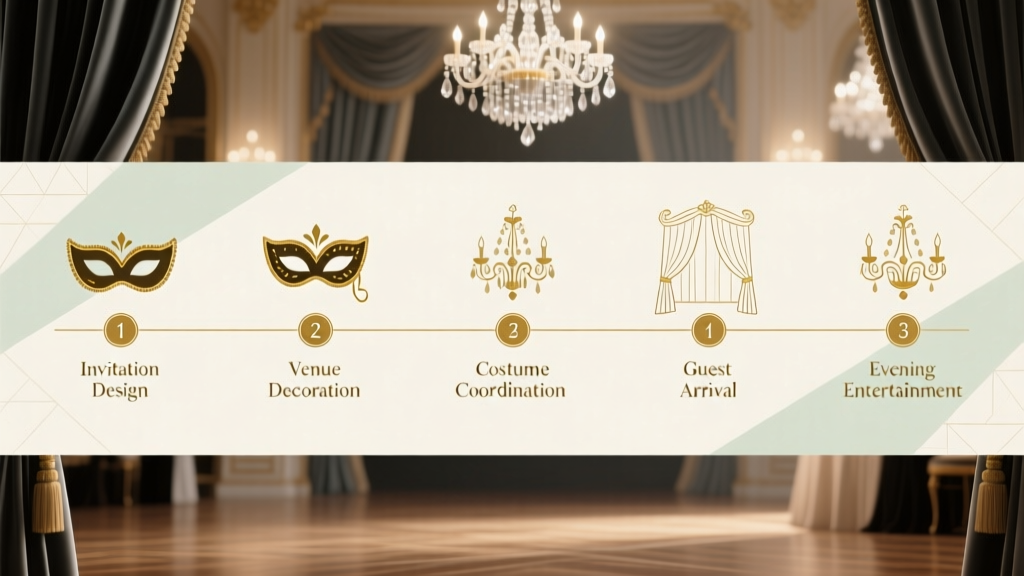 A Masquerade Ball Timeline Template