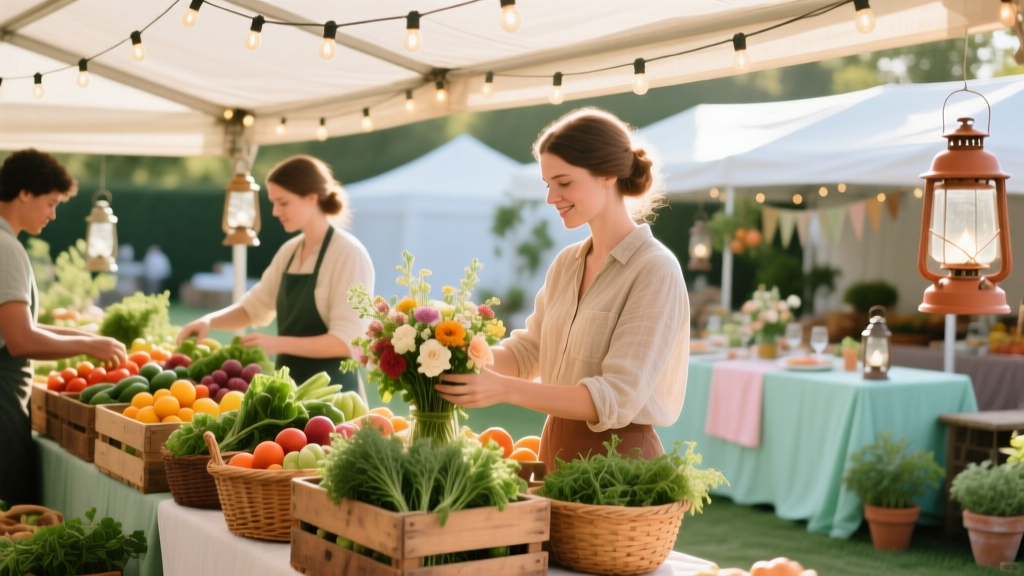
Farmers Market Photography Tips (for Event Planners, Pop-Ups, and Market-Style Parties)
A farmers market is already a visual story: fresh color, texture, handwritten signs, packed tables, and real human moments. When you’re planning a market-style event—whether it’s a community fundraiser, a vendor pop-up, a corporate wellness fair, a birthday “market brunch,” or a seasonal outdoor celebration—great photography is more than a nice extra. It becomes your promotional engine, your sponsor proof, your vendor recruitment tool, and your future marketing library.
The difference between “we took a few pictures” and “we documented an experience” comes down to planning. Just like coordinating load-in times or managing a vendor map, photography needs structure: a shot list, a timeline, lighting strategy, permissions, and a clear plan for who captures what and when. With the right approach, you’ll leave your market event with photos that sell the vibe, support your brand, and make the next event easier to promote.
This guide covers farmers market photography tips specifically for event planning and coordination, with step-by-step timelines, budget guidance, vendor selection tips, and common mistakes to avoid—so you can confidently organize both the event and the photos that keep it growing.
Define Your Photography Goals (Before You Book Vendors)
Event planning trends lean heavily toward “content-first” experiences—events designed to be shareable, sponsor-friendly, and visually consistent across social platforms. Farmers market-style events fit this perfectly, but only if your photos match your goals.
Choose 2–3 primary outcomes
- Promotion for the next event: wide crowd scenes, signage, programming, sponsor banners, happy vendor interactions.
- Vendor recruitment: clean booth photos, product close-ups, busy shopping moments, vendor portraits.
- Sponsor reporting: photos that clearly show sponsor placement, engagement, and foot traffic.
- Brand library: consistent style images you can reuse across website, email marketing, and flyers.
Translate goals into a simple photo “must-have” list
- 3–5 hero images (the “poster shots”)
- 10–15 vendor/product images
- 10–20 candid experience images (shopping, kids area, cooking demo, live music)
- 5–10 sponsor/signage proof images
Build a Shot List That Matches How Markets Actually Flow
Farmers markets are dynamic—vendors arrive, booths evolve, crowds surge, and the best moments happen quickly. A shot list keeps your photographer focused while you manage logistics.
Core shot categories for market events
- Establishing shots: entrance, wayfinding signs, vendor row, overhead/wide crowd views.
- Vendor and product details: stacked produce, baked goods, flowers, handmade items, price signs, branded packaging.
- Human moments: vendors handing samples, shoppers selecting items, kids tasting fruit, friends chatting.
- Programming: chef demo, live music, workshops, giveaways, kids zone.
- Branding and sponsors: banners, step-and-repeat, sponsor booths, logo placements.
- Operations (for internal use): check-in, crowd flow, queue management, sanitation stations.
Real-world example: “Saturday Spring Market Pop-Up” shot list
- 9:00–9:30 a.m.: empty venue + vendor setup details
- 9:30–10:00 a.m.: vendor portraits before crowds
- 10:00–11:30 a.m.: peak shopping candids + wide shots
- 11:30–12:00 p.m.: programming (music/demos) + sponsor photos
- 12:00–1:00 p.m.: “closing loop” photos—bags in hand, final purchases, happy group shots
Lighting and Timing Tips: Plan Your Event Like a Photographer
Lighting is often the biggest difference between average and standout market photos. Use your event planning timeline to schedule photo moments when conditions are best.
Best times for outdoor market photography
- Golden hour (early morning or late afternoon): warm light, flattering portraits, glowing product shots.
- Midday sun (most challenging): harsh shadows, squinting, blown highlights—plan shade options.
Event coordination strategies that improve lighting
- Position key photo areas (signage wall, sponsor backdrop, demo stage) under open shade or a canopy.
- Use white tents for vendors when possible; they act like softboxes for cleaner light.
- Avoid mixed lighting for indoor/outdoor transitions unless your photographer is comfortable balancing color temperatures.
- Schedule “vendor portraits” during setup or early opening—less chaos, better angles.
Styling Farmers Market Booths for Better Photos (Without Micromanaging Vendors)
Market events look best when booths feel abundant, tidy, and branded. A few simple styling guidelines (sent to vendors in advance) makes your photography more consistent.
Vendor booth photo guidelines to send ahead
- Bring a tablecloth (neutral or brand color), ideally wrinkle-free.
- Elevate products using crates, risers, or sturdy boxes—height adds dimension.
- Display clear pricing signage (readable from 3–6 feet away).
- Have packaging ready (branded stickers, bags, business cards) for detail shots.
- Keep a small “backstock zone” hidden under the table or behind a curtain.
On-site quick fixes (your day-of coordinator kit)
- Mini lint roller (tablecloths pick up debris fast)
- Clips or tape for securing signs
- Neutral fabric (to cover clutter or create a clean background)
- Wipes for sticky jars, bottles, or chalkboards
People, Permissions, and Privacy: Protect Your Event
Photography is a guest experience issue and a risk management issue. Make permissions easy and clear—especially when children are present.
Best practices for photo consent
- Add a photo/video notice to registration pages, tickets, or entry signage.
- Use a simple “opt-out” method (e.g., wristband color or a sticker at check-in).
- Get explicit parental permission for close-ups of children when possible.
- Brief your photographer on boundaries: avoid photographing anyone who opts out.
Step-by-Step Planning Timeline (with Checklist)
Use this as a practical event planning template for market-style events that require strong photo coverage.
6–8 Weeks Out: Strategy + Booking
- Define goals: promotion, sponsors, vendor recruitment, brand library.
- Create a preliminary shot list and brand mood (bright/airy, rustic, editorial, etc.).
- Book a photographer (or assign a trained content lead if DIY).
- Confirm venue layout and best light zones; plan signage placements accordingly.
- Build vendor guidelines (styling, arrival times, branding expectations).
3–4 Weeks Out: Logistics + Content Map
- Finalize vendor roster and highlight “feature vendors” for priority coverage.
- Draft a photo schedule aligned with the event timeline (setup, opening, peak, programming).
- Plan 1–2 “photo moments” (e.g., ribbon cutting, group toast, chef plating).
- Confirm any sponsor deliverables (how many photos, what placements must be visible).
- Prepare consent language for tickets and signage.
1 Week Out: Final Coordination
- Send photographer:
- Shot list + schedule
- Venue map
- Sponsor list/logos and required placements
- Key contacts and arrival instructions
- Confirm vendor setup times and “ready by” time for pre-open photos.
- Prepare an on-site “content capture station” (charging, water, printed shot list).
Event Day: Execution Checklist
- Photographer arrives 30–60 minutes before opening for setup and booth details.
- Capture “before” shots: clean signage, full tables, empty aisles (great for marketing).
- During peak:
- Rotate between wide shots, medium interactions, tight product details
- Prioritize smiles, transactions, and sampling moments
- Capture sponsor proof: clear logos + real engagement (not empty booths).
- End with 1–2 closing hero shots: full crowd, performers, sunset lighting, or group photo.
48 Hours After: Post-Event Workflow
- Request 10–20 “preview” images for quick social posts and sponsor thank-yous.
- Organize photos into folders: Vendors, Sponsors, Crowd, Programming, Details.
- Send vendors a small curated set (with credit guidelines) to boost sharing.
Budget Considerations (and Where Photography Pays Off)
Photography is often treated like a discretionary line item, but for recurring events it’s a growth tool. Consider allocating budget based on the event’s marketing needs and sponsor expectations.
Sample photography budget breakdown
- DIY content capture (lowest cost): $0–$300
- Tripod, phone gimbal, portable light, extra storage
- Best for small pop-ups or internal events
- Emerging photographer (2–4 hours): $400–$900
- Great for first-time markets needing a solid library
- Professional event photographer (4–6 hours): $1,000–$2,500+
- Best for sponsor-heavy events and brand-forward market experiences
- Add-ons:
- Second shooter: $300–$800+
- Short-form video/Reels package: $500–$2,000+
- Photo booth or branded backdrop: $250–$1,500+
Smart ways to stretch your budget
- Book fewer hours but align them with peak moments and programming.
- Offer sponsors a “content package” upgrade that helps fund professional coverage.
- Hire one photographer and assign one staff member to capture behind-the-scenes phone clips.
How to Choose the Right Photographer (Vendor Selection Tips)
Vendor selection is easier when you evaluate photographers like any other event vendor: reliability, process, and deliverables—not just a pretty portfolio.
Questions to ask before booking
- Have you photographed outdoor markets, festivals, or vendor fairs?
- How do you handle harsh midday sun or tent lighting?
- What’s your turnaround time for previews and full galleries?
- Do you carry insurance (if required by venue)?
- How do you prefer to work with a shot list and timeline?
- What usage rights are included (web, ads, sponsors)?
Deliverables to define in your agreement
- Total hours on site and coverage windows (setup, opening, peak)
- Minimum number of edited images (range is fine)
- Preview delivery deadline (great for next-day posts)
- Usage rights for your event marketing and sponsor reporting
Common Farmers Market Photography Planning Mistakes to Avoid
- No shot list: you’ll end up with random photos and missing sponsor signage, key vendors, or programming.
- Only photographing products: market events sell community—people and interaction shots matter most.
- Ignoring signage placement: if your main banner is in deep shade or behind a crowd bottleneck, it won’t photograph well.
- Waiting until the event is busy for vendor photos: shoot vendor tables before opening when they’re full and tidy.
- Not planning for harsh weather/light: have tenting, shade options, and a rain plan for photo moments.
- Forgetting post-event organization: photos that aren’t sorted and shared quickly don’t support event promotion.
Trend Watch: Content-Forward Market Events
Current event planning trends increasingly favor experiences designed for social sharing and sponsor value. For farmers markets and pop-ups, that typically looks like:
- Branded “moment” areas: a simple backdrop, balloon garland, floral install, or chalk wall where guests naturally take photos.
- Short-form video capture: quick clips of sampling, pouring, shopping, and live music for Reels/TikTok.
- Vendor spotlight content: scheduled mini-interviews or posed “behind the booth” portraits.
- QR-code signage: links to vendor directories or event pages—photogenic and functional.
FAQ: Farmers Market Photography Tips for Event Planners
1) What are the most important photos to capture at a farmers market event?
Prioritize wide “scene-setting” shots, genuine shopper-vendor interactions, clear sponsor/signage proof, and a handful of standout product details. These cover promotion, sponsor needs, and vendor marketing.
2) How do I get good photos in harsh midday sun?
Use shade strategically: place key activations under canopies, shoot under tent edges for softer light, and schedule portraits earlier. If possible, avoid positioning main backdrops in direct overhead sun.
3) Should I hire a photographer or rely on phone photos?
If you need sponsor reporting, website imagery, or consistent marketing assets, hire a professional. If it’s a small community pop-up, phone photos can work—assign a dedicated content lead and use a shot list.
4) How many hours of coverage do I need?
For most markets, 3–5 hours covers setup details, opening, peak crowd, and one programming block. If you have many vendors or multiple zones, consider a second shooter or extended time.
5) How do I make vendor booths look consistent in photos?
Send simple booth styling guidelines ahead of time (tablecloths, risers, clear signage, clutter control). On event day, do a quick walk-through and photograph booths before the crowd arrives.
6) What’s the fastest way to turn photos into next-event marketing?
Request a small preview set within 24–48 hours, then post a recap, vendor thank-yous, and a “save the date.” Organize images into folders so you can reuse them for flyers, email marketing, and sponsor decks.
Next Steps: Turn Your Market Photos into Event Momentum
Start by drafting a one-page photography plan: your goals, a shot list, and a schedule aligned with your event timeline. Then coordinate booth styling expectations with vendors and make sure your signage, sponsor placements, and key activations are positioned where they’ll photograph well. When you treat photography like a core piece of event coordination, you’ll build a content library that supports stronger promotion, easier vendor recruitment, and smoother planning for the next market.
For more step-by-step event planning, party organization, and coordination guides, explore the latest resources on smartpartyprep.com.
More Articles
 How to DIY a Retirement Celebration
How Many Drinks Per Person for a Party? The Exact Formula (Not Guesswork) That Prevents Running Out *and* Wasting $237 on Unused Liquor — Backed by 12 Real Host Surveys & Bartender Data
How to DIY a Retirement Celebration
How Many Drinks Per Person for a Party? The Exact Formula (Not Guesswork) That Prevents Running Out *and* Wasting $237 on Unused Liquor — Backed by 12 Real Host Surveys & Bartender Data
 Is Nevada a one-party consent state for recording? The truth about legal audio capture at your wedding, meeting, or podcast — and what happens if you get it wrong.
How to Decorate for a Party Without Stress, Over-Budgeting, or Last-Minute Panic: A Realistic 7-Step System That Works for Birthdays, Galas, and Everything In Between
How to Dress for a Garden Party: The 7-Second Rule (What Guests Notice First) + What You’re Wearing Wrong in 2024 (Spoiler: It’s Not the Shoes)
Is Nevada a one-party consent state for recording? The truth about legal audio capture at your wedding, meeting, or podcast — and what happens if you get it wrong.
How to Decorate for a Party Without Stress, Over-Budgeting, or Last-Minute Panic: A Realistic 7-Step System That Works for Birthdays, Galas, and Everything In Between
How to Dress for a Garden Party: The 7-Second Rule (What Guests Notice First) + What You’re Wearing Wrong in 2024 (Spoiler: It’s Not the Shoes)
 How to Watch Party Netflix in 2024: The Real-World Guide (No More Frozen Screens, Lag, or 'Wait—Whose Turn Is It?')
 How Much Ice Do I Need for a Party? The Exact Formula (No Guesswork, No Melting Panic)—We Tested 12 Events & Found the Real Answer
How to Make Grad Party Invitations That Actually Get RSVPs (7 Proven Steps You’re Skipping — and Why They Cost You 42% Response Rates)
How Much Ice Do I Need for a Party? The Exact Formula (No Guesswork, No Melting Panic)—We Tested 12 Events & Found the Real Answer
How to Make Grad Party Invitations That Actually Get RSVPs (7 Proven Steps You’re Skipping — and Why They Cost You 42% Response Rates)
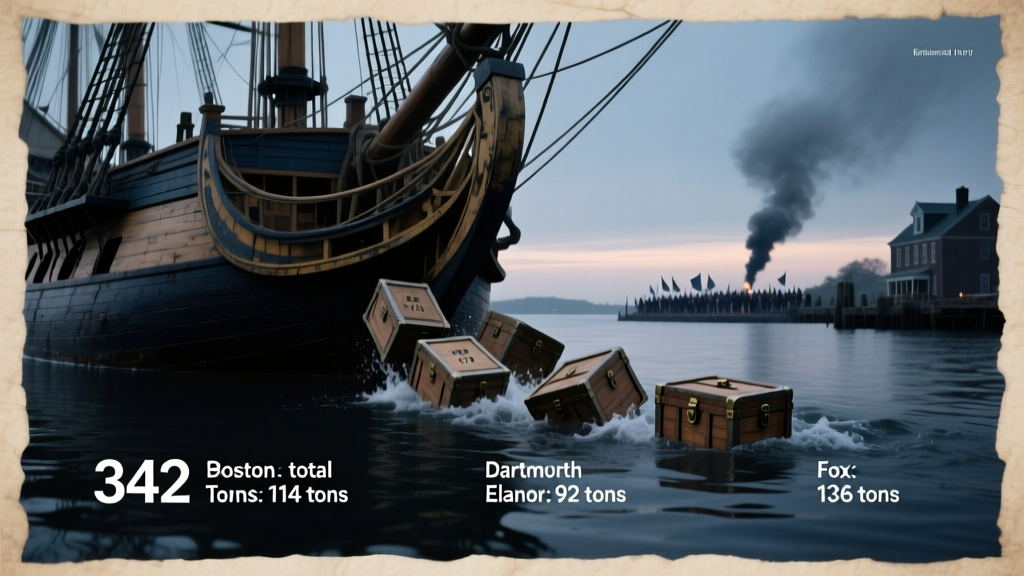 How Much Tea Was Dumped in the Boston Tea Party? The Exact Tonnage, Ship-by-Ship Breakdown, and Why This Number Still Shapes Modern Protest Strategy Today