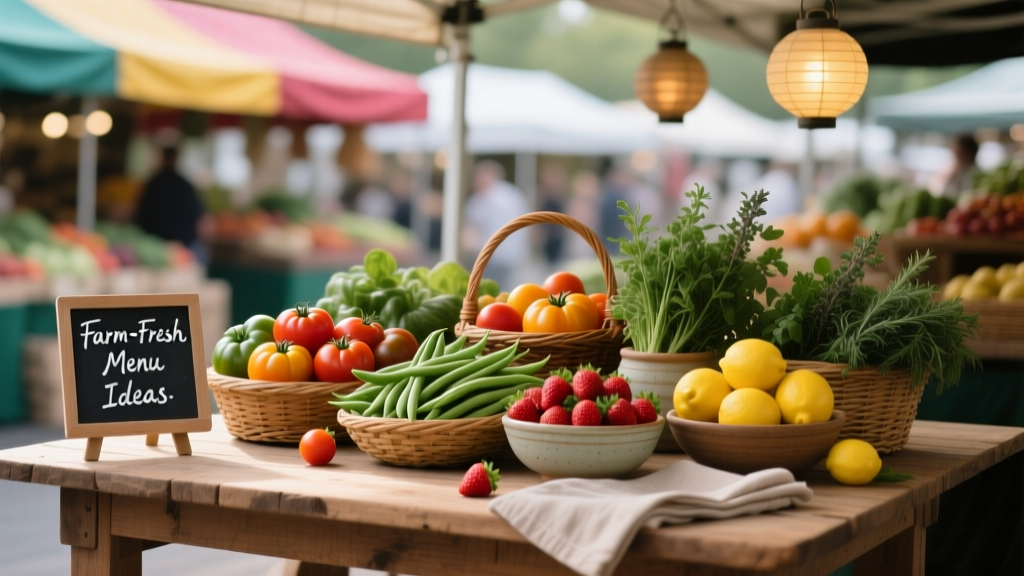
A Farmers Market Menu Planning Guide
Planning a farmers market–inspired menu is one of the easiest ways to create an event that feels fresh, local, and memorable—without forcing a theme. Seasonal produce, artisan foods, and simple preparations naturally encourage mingling, discovery, and conversation. That’s exactly what you want when you’re coordinating a bridal shower, birthday, corporate open house, community fundraiser, or backyard celebration.
But “farmers market style” can also turn chaotic fast: too many ingredients with no plan, food that wilts before guests arrive, mismatched portions, and a budget that drifts upward with every charming jar of jam. Proper event planning keeps the menu cohesive, the timing realistic, and the guest experience smooth—while still giving you that abundant, curated market feel.
This guide walks you through a step-by-step menu planning process, including timeline templates, budgeting, vendor selection tips, common mistakes to avoid, and real-world menu examples you can adapt for your own event.
What Makes a Farmers Market Menu Work?
A farmers market menu is built around seasonal ingredients, simple preparations, and a mix of “grazing-friendly” foods. The goal is variety without complication: foods that look beautiful, hold well, and allow guests to sample multiple items.
Core principles (use these as your planning filters)
- Seasonality first: Let what’s in season guide flavor, color, and cost.
- Build around stations: Grazing tables, salad bars, taco/flatbread bars, and “market basket” snack displays keep traffic moving.
- Minimal cooking on-site: Prioritize items that can be assembled, dressed, or warmed—not fully cooked—especially for outdoor events.
- Local story + signage: Guests love knowing “where it’s from.” Small tent cards or chalkboard labels elevate the experience.
- Texture and temperature variety: Crisp, creamy, crunchy, warm, cold—this makes a simple menu feel complete.
Step 1: Define Your Event Menu Strategy
Start with the event basics
- Guest count: Confirm adults vs. kids and whether plus-ones are expected.
- Event style: Cocktail-style grazing, brunch, picnic lunch, or plated dinner?
- Timing: A 2–4 pm event needs more substantial snacks than a 10–12 brunch.
- Location + equipment: Refrigeration, shade, power access, and serving surfaces matter more than recipes.
- Dietary needs: Allergens (nuts, gluten), vegetarian/vegan options, and alcohol considerations.
Choose a “menu anchor” to avoid overwhelm
Farmers markets offer endless inspiration. Keep your menu focused by selecting one anchor category and building around it:
- Seasonal salad + bread board (great for showers, open houses)
- Build-your-own flatbreads (great for casual parties)
- Heirloom tomato tasting + burrata (elevated summer gatherings)
- Soup + sandwich bar (fall/winter, corporate lunches)
- Brunch market spread (spring mornings, birthdays)
Step 2: Build the Menu (A Practical Framework)
Use this structure to plan a balanced menu without overbuying:
Farmers market menu formula
- 1–2 “feature” items: The headline (flatbread bar, carving board, seasonal salad station)
- 2–3 supporting sides: Crunchy veg + dip, grain salad, roasted seasonal veg
- 1 hearty option: Something filling (protein skewers, chicken salad croissants, lentil bowls)
- 1–2 sweet bites: Fruit-forward dessert + one baked item
- 2–3 beverages: Still water, sparkling option, seasonal non-alcoholic drink (plus alcohol if appropriate)
Portion planning guidelines (grazing-style)
- Light grazing (1.5–2 hours): 6–8 bites per person
- Standard grazing (2–3 hours): 10–12 bites per person
- Meal replacement (3+ hours or dinner time): 12–16 bites per person
Rule of thumb for market boards: Plan about 3–4 oz cheese per person and 2–3 oz cured meats per person (less if there are multiple proteins).
Seasonal Menu Ideas (Real-World Examples)
Spring farmers market menu (bridal shower brunch, 35 guests)
- Anchor: Yogurt parfait bar (local honey, granola, berries, citrus)
- Savory: Mini quiches (asparagus, goat cheese); cucumber tea sandwiches
- Produce boards: Radishes, snap peas, carrots + herbed butter and hummus
- Sweet: Lemon shortbread; strawberry hand pies
- Drinks: Iced matcha or cold brew; sparkling water; citrus-mint spritzers
Summer farmers market menu (backyard birthday, 50 guests)
- Anchor: Heirloom tomato + burrata board with basil oil and flaky salt
- Hearty: Grilled chicken skewers or marinated tofu skewers
- Sides: Corn and peach salad; watermelon-feta cups
- Dessert: Berry tiramisu cups; popsicles in a cooler with ice
- Drinks: Lemonade + fruit infusions; canned spritz or local beer
Fall farmers market menu (corporate open house, 80 guests)
- Anchor: Soup bar (butternut squash + tomato basil) with toppings
- Hearty: Mini grilled cheese triangles + gluten-free crackers
- Sides: Kale Caesar with roasted squash; apple slaw
- Dessert: Cider donuts; caramel apple bites
- Drinks: Hot cider; sparkling water; coffee service
Step-by-Step Planning Timeline (with Checklist)
4–6 weeks before: Design the menu and sourcing plan
- Confirm guest count range and event format (grazing vs. meal)
- Choose menu anchor + 6–10 supporting items
- Create an allergen-friendly plan (at least 1–2 options for common needs)
- Decide: DIY, catered, or hybrid (common trend: hybrid with pre-made items + a signature homemade piece)
- Draft a shopping list by category (produce, bakery, dairy, protein, beverages)
- Identify potential vendors (farmers market stands, local bakery, cheese shop)
2–3 weeks before: Lock vendors and rentals
- Confirm vendor availability and minimums (especially for bakery and charcuterie)
- Reserve rentals: extra tables, linens, coolers, beverage dispensers
- Plan servingware: tongs, mini plates, napkins, compostable cutlery
- Create your event-day prep list (what’s made ahead vs. assembled day-of)
- Plan signage: menu labels, allergen icons, vendor shout-outs
7–10 days before: Finalize quantities and schedule
- Finalize headcount and update quantities
- Write a “day-before” prep schedule (wash/chop, bake, mix dressings)
- Confirm delivery/pickup windows for vendors
- Assign tasks if you have helpers (set-up, beverage station, replenishing)
- Build a replenishment plan: what gets restocked first, and where backups are stored
48–24 hours before: Shop smart and prep for freshness
- Buy shelf-stable items, beverages, crackers, napkins, ice
- Prep dressings, dips, and spreads; store in labeled containers
- Wash greens and herbs; spin dry; wrap in paper towels to reduce moisture
- Pre-slice sturdy produce (carrots, cucumbers) but leave delicate fruit until event day
- Stage coolers and bins for transport and food safety
Event day: Assemble, label, and manage flow
- Set up stations first (tables, linens, signage, serving tools)
- Build cold displays last and keep backup items chilled
- Start with smaller trays and replenish often (current trend: “micro-restocking” to keep displays fresh)
- Assign one person to monitor trash, ice, and refills every 20–30 minutes
- Pack leftovers safely (cool within 2 hours; label containers)
Budget Considerations (Sample Breakdown + Cost Controls)
A farmers market menu can be budget-friendly or premium depending on proteins, specialty items, and how much is prepared by vendors.
Sample budget breakdown (50 guests, grazing-style)
- Food: 55–65% (produce, proteins, bakery, cheese)
- Beverages: 10–15% (water, NA drinks, alcohol)
- Rentals/servingware: 10–15% (tables, trays, compostables)
- Decor/signage: 5–10% (labels, chalkboards, flowers)
- Contingency: 5–10% (extra ice, last-minute add-ons)
Cost-saving strategies that still look elevated
- Use peak-season produce: It’s cheaper and tastes better—built-in value.
- Pick one premium “wow” item: Burrata, local honeycomb, artisan salami—then keep the rest simple.
- Swap expensive proteins: Roast chicken, eggs, beans, and lentils stretch beautifully.
- Buy bakery items in bulk: One cohesive bread option beats five random ones.
- Decor that doubles as food: Citrus, herbs in pots, and produce baskets can act as styling.
Vendor Selection Tips (Farmers Market + Local Partners)
Partnering with local vendors is a major event planning trend—guests appreciate authenticity, and you gain reliability when you build relationships.
How to choose vendors for event coordination success
- Ask about volume: Some small farms can’t fulfill large orders without notice.
- Confirm packaging: Do items come labeled? In trays? Ready to serve?
- Request substitutions: If peaches are unavailable, what’s the backup plan?
- Prioritize food safety: Especially for dairy, seafood, and cut fruit—confirm cold chain handling.
- Get clear pickup/delivery times: Tight timelines are where events fail; lock this early.
Vendor outreach script (quick and effective)
“Hi! I’m coordinating a [event type] for [guest count] on [date]. I’m looking for [items] with pickup/delivery on [time window]. Can you accommodate this quantity, and do you offer pre-portioning or tray packaging? Also, what seasonal substitutions do you recommend if availability changes?”
Display and Flow: Make It Feel Like a Market
Station layout tips
- Create a loop: Place plates/napkins first, then savory, then drinks, then sweets.
- Prevent bottlenecks: Duplicate plates and napkins at both ends of a long table.
- Use height: Crates, cake stands, and risers add a “stall” feel and improve access.
- Label everything: Especially for allergies and vegetarian/vegan items.
Trending approach: curated abundance (not overcrowding)
Current party organization trends favor intentional, smaller displays replenished often over one massive spread that sits too long. Your menu looks fresher, and food safety is easier to manage.
Common Farmers Market Menu Planning Mistakes to Avoid
- Overbuying delicate produce: Berries and herbs are fragile—plan realistic quantities and store properly.
- Too many “one-bite” recipes: Labor adds up fast. Mix simple assemble-and-serve items with a few showpieces.
- Ignoring temperature control: Outdoor events need coolers, ice pans, shade, and a plan for dairy and cut fruit.
- Forgetting serving tools: No tongs = messy station and slow flow. Build a servingware checklist.
- Not planning for replenishment: Put backups in labeled bins so helpers can restock without asking questions.
- Menu lacks a filling option: Guests will snack more than expected—include at least one hearty item.
Farmers Market Menu Planning Checklist (Copy/Paste Template)
- Guest count confirmed: ________
- Dietary needs collected: ________
- Menu anchor selected: ________
- Supporting items (6–10) finalized: ________
- Vendor list + contacts: ________
- Pickup/delivery schedule: ________
- Shopping list by category created
- Prep plan (make-ahead vs day-of) written
- Servingware counted (tongs, knives, boards, bowls)
- Compostables or dishware confirmed (plates, napkins, cups)
- Coolers/ice plan ready
- Station layout sketch completed
- Labels/signage printed
- Replenishment bins packed and labeled
- Leftover containers + bags ready
FAQ: Farmers Market Menu Planning
How far ahead should I buy produce for a farmers market menu?
Buy sturdy produce (carrots, apples, citrus) 2–3 days ahead. Buy delicate berries, herbs, salad greens, and stone fruit 24–48 hours ahead when possible. If you must buy earlier, prioritize proper storage (dry greens, paper towels for herbs, breathable containers).
What’s the easiest farmers market menu for a first-time host?
A grazing menu built around one anchor station: a seasonal salad bowl + bread board, plus a veggie-and-dip tray, a simple protein (rotisserie chicken or chickpea salad), and fruit-forward dessert. Minimal cooking, high impact.
How do I plan a farmers market menu for mixed dietary needs?
Use a “build-your-own” format: grain bowls, flatbreads, salad bars, taco bars. Offer at least one vegan protein, one gluten-free base (rice/quinoa or GF crackers), and clear labeling for nuts and dairy.
Should I use a caterer, farmers market vendors, or DIY?
For most events, a hybrid approach works best: vendor-sourced bakery, cheese, and prepared dips paired with DIY assembly and one signature homemade item. It balances budget, freshness, and event coordination workload.
How do I keep the food safe at an outdoor event?
Plan for shade, keep backups chilled, and set out smaller trays you replenish often. Use coolers and ice packs for dairy and cut fruit, and don’t leave perishable foods out longer than 2 hours (less in hot weather).
Next Steps: Turn Your Plan into a Smooth Event Day
Start by choosing your menu anchor and locking your timeline: vendor outreach at 4–6 weeks, quantities at 7–10 days, and a prep schedule that protects freshness. Then build your stations around guest flow and replenishment—two proven organizational strategies that consistently separate “pretty food” from a well-coordinated event.
If you’d like more practical party organization and event planning guides—timelines, checklists, vendor tips, and menu strategies—explore the resources at smartpartyprep.com and keep building your hosting toolkit.
More Articles
 What Is a 3 Party Check? The Silent Hero of Stress-Free Event Payments (And Why Your Venue Contract Depends on It)
How to Be a Third Party Seller on Amazon in 2024: The Exact 7-Step Launch Sequence That Avoids Account Suspension, Cuts Fees by 32%, and Gets Your First Sale in Under 72 Hours
What Is SNP Party? The Truth Behind the Trend: Why 73% of First-Time Hosts Get It Wrong (and How to Nail Yours in 4 Simple Steps)
What Is a 3 Party Check? The Silent Hero of Stress-Free Event Payments (And Why Your Venue Contract Depends on It)
How to Be a Third Party Seller on Amazon in 2024: The Exact 7-Step Launch Sequence That Avoids Account Suspension, Cuts Fees by 32%, and Gets Your First Sale in Under 72 Hours
What Is SNP Party? The Truth Behind the Trend: Why 73% of First-Time Hosts Get It Wrong (and How to Nail Yours in 4 Simple Steps)
 What Are Two Major Political Parties in the US? The Truth Behind the Binary—and Why Understanding Their Real-World Impact Matters More Than Ever in 2024’s High-Stakes Elections
What Time Do Mickey's Christmas Party Tickets Go On Sale? (Exact Times + 2024 Calendar, Early Access Tips & Real-Time Alerts That Actually Work)
Does Navy Federal Accept Third Party Checks? The Truth About Deposits, Holds, and What You *Really* Need to Know Before Your Next Big Event
Is a party rental business profitable? Here’s the unfiltered truth: 72% of first-year operators break even by Month 18—but only if they avoid these 5 fatal pricing, inventory, and marketing mistakes.
What Are Two Major Political Parties in the US? The Truth Behind the Binary—and Why Understanding Their Real-World Impact Matters More Than Ever in 2024’s High-Stakes Elections
What Time Do Mickey's Christmas Party Tickets Go On Sale? (Exact Times + 2024 Calendar, Early Access Tips & Real-Time Alerts That Actually Work)
Does Navy Federal Accept Third Party Checks? The Truth About Deposits, Holds, and What You *Really* Need to Know Before Your Next Big Event
Is a party rental business profitable? Here’s the unfiltered truth: 72% of first-year operators break even by Month 18—but only if they avoid these 5 fatal pricing, inventory, and marketing mistakes.
 What Is Two Party Check? The Hidden Risk You’re Overlooking When Splitting Event Payments (and How to Fix It in 3 Steps)
 How Many Episodes in Hunting Party? The Exact Number You Need (Plus Timing, Flow & Pro Tips to Avoid Chaos)
 How to DIY a Craft Fair