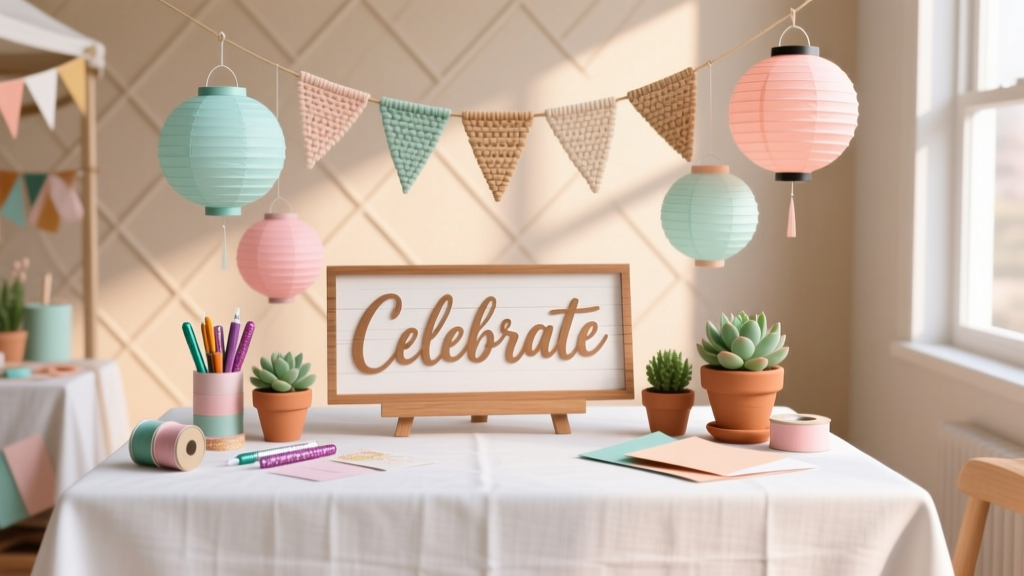
How to DIY a Craft Fair
A great craft fair feels effortless to attendees: beautiful booths, easy flow, clear signage, friendly vendors, and a steady buzz of activity. Behind the scenes, it’s a tightly coordinated event plan with dozens of moving parts—venue logistics, vendor communications, marketing, payments, permits, layout, and day-of operations.
DIYing a craft fair is completely doable, even for first-time organizers, as long as you treat it like a professional event planning project. The difference between “a cute pop-up” and a profitable, well-reviewed community event usually comes down to organization: a realistic timeline, a workable budget, and strong vendor management.
This guide walks you through craft fair planning step by step, with practical templates, checklists, budget breakdowns, and real-world examples—so you can plan with confidence and coordinate like a pro.
1) Define Your Craft Fair Concept (and Make Decisions Faster)
Pick a clear theme and audience
A focused concept makes vendor selection, marketing, and décor much easier. Choose:
- Theme: Holiday market, spring artisan pop-up, vintage & handmade, makers + food trucks, local school fundraiser, etc.
- Audience: Families, gift shoppers, young professionals, tourists, niche hobbyists (ceramics, fiber arts, etc.).
- Size: 15–25 vendors (small), 30–60 (medium), 75+ (large).
- Format: Indoor, outdoor, or hybrid; one-day or weekend.
Set success metrics
Use measurable goals to guide decisions and evaluate results:
- Number of attendees (target range)
- Vendor sell-through satisfaction (post-event survey)
- Profit goal (or fundraising goal)
- Community impact (local vendor percentage, donations collected)
Real-world example
Community Holiday Market: 35 vendors in a school gym, $65 per booth, 900 attendees, one-day event. Add-on revenue from raffle tickets and a hot cocoa station funded by sponsors.
2) Choose the Right Date and Venue (Your Biggest Risk Reducer)
Date selection checklist
- Check local event calendars to avoid competing festivals, parades, and major sports days.
- Consider seasonal shopping patterns: early November to mid-December performs well for holiday gift markets.
- Plan around weather if outdoors; have a rain plan and clear vendor policies.
- Confirm load-in/out windows and noise/curfew rules.
Venue options that work well
- Community centers and recreation halls
- School gyms (great for fundraisers)
- Church halls
- Breweries and event barns (often strong built-in audiences)
- Downtown streets (higher permit complexity, higher visibility)
- Indoor-outdoor courtyards with covered walkways
Venue walkthrough: what to confirm
- Capacity and layout constraints: square footage, fire code occupancy, fixed obstacles.
- Power: number/location of outlets, amperage, extension cord policies, generator rules.
- Restrooms: quantity, accessibility, proximity to vendor area.
- Parking and loading: vendor load-in zone, attendee parking, ADA spaces.
- Tables/chairs: what’s included vs. rented.
- Insurance requirements: COI, additional insured language.
3) Build a Budget That Protects Your Profit (or Fundraising Goal)
Typical craft fair cost categories
Use this as a starting budget breakdown (percentages vary by region and venue):
- Venue rental: 25–45%
- Marketing & signage: 10–20%
- Tables/chairs/tents & equipment rentals: 10–25%
- Insurance, permits, and security: 5–15%
- Staffing/volunteers, hospitality, supplies: 5–10%
- Contingency buffer: 8–12%
Example budget (mid-size indoor craft fair: 40 vendors)
- Venue rental: $1,800
- Insurance & permits: $350
- Tables/chairs rental (if needed): $900
- Marketing (flyers, ads, banner): $650
- Signage & supplies (wristbands, tape, clipboards): $250
- Security/door staff: $400
- Contingency (10%): $435
- Total estimated costs: $4,785
Revenue plan example:
- 40 booths x $150 = $6,000
- Sponsor (local bank) = $500
- Raffle table = $400
- Total estimated revenue: $6,900
- Estimated net: $2,115
Pricing vendor booths fairly
Set booth fees using a simple formula:
- (Total costs + buffer - expected sponsor/other revenue) ÷ number of booths = minimum booth fee
Then adjust based on demand, venue prestige, and what’s included (tables, power, marketing reach, attendance history).
4) Vendor Selection Tips (Curate, Don’t Just Fill Spaces)
Create a vendor application that saves you time
Use a form (Google Forms or similar) and request:
- Business name, contact info, website/Instagram
- Product category and price range
- Photos of booth/product
- Power needs, table/tent needs
- Proof of insurance (if required) and tax ID info (where applicable)
- Agreement to rules (setup time, no early teardown, refund policy)
How to curate a balanced vendor mix
Shoppers respond to variety and “discoverability.” Aim for a mix like:
- 20–30% home décor + art
- 15–25% jewelry/accessories
- 10–20% bath/body + candles
- 10–15% apparel/textiles
- 10–15% specialty foods (packaged goods)
- Optional: 5–10% experiences (custom embroidery, live painting)
Vendor red flags (and how to handle them)
- Resellers pretending to be handmade: require making process details and product photos.
- Unclear product category: follow up before accepting.
- Late payments: use firm deadlines and waitlists.
Trend watch: what’s working now
- Instagrammable moments: simple photo backdrops and branded signage encourage organic marketing.
- Cashless-first events: vendors accept tap-to-pay; organizers use QR codes for schedules and maps.
- Micro-sponsorships: local businesses sponsor the entry area, kids’ craft table, or raffle station.
- Comfort features: seating pockets, hydration station, and clear wayfinding improve dwell time.
5) Step-by-Step Planning Timeline (with Checklists)
12–16 weeks before: Foundations
- Choose date, venue, and event format (indoor/outdoor/hybrid)
- Draft event budget and revenue plan
- Create brand basics: event name, logo/graphic template, color palette
- Write vendor rules and policies (refunds, no-shows, setup/tear down, prohibited items)
- Open vendor applications and create a waitlist process
- Confirm permits/insurance requirements with venue/city
8–10 weeks before: Vendors + Marketing Launch
- Accept vendors and collect deposits or full payments
- Publish a simple event page (details, parking, accessibility, vendor highlights)
- Plan layout draft and booth sizes (standard 8x8 or 10x10)
- Book rentals: tables, chairs, pipe-and-drape, tents, heaters/fans
- Start marketing:
- Social media event listings
- Posters/flyers in libraries, cafés, gyms, schools
- Community calendar submissions
- Local Facebook groups (follow posting rules)
4–6 weeks before: Operations Plan
- Finalize vendor list and categories; fill gaps from waitlist
- Confirm power plan and assign power spots
- Finalize floor plan and booth assignments (keep “like” vendors separated)
- Plan entry/exit, ticketing (if any), and crowd flow
- Recruit volunteers/staff:
- Setup crew
- Vendor check-in
- Door/greeter
- Floater for breaks + issues
- Raffle/activities lead
- Order signage: directional signs, vendor numbers, rules, schedule
2–3 weeks before: Communication + Final Details
- Send vendor packet (email PDF):
- Arrival time windows
- Load-in instructions + map
- Booth number and location
- What’s included (table/chairs/power)
- Parking rules and emergency contacts
- Confirm insurance certificates and permits
- Build a day-of run sheet (hour-by-hour schedule)
- Prep supplies:
- Zip ties, duct tape, gaffer tape
- Extension cords, power strips (if allowed)
- First aid kit, sanitizer, paper towels
- Clipboards, pens, vendor check-in list
Week of event: Final confirmations
- Send attendee reminder posts and a “parking + entry” graphic
- Print maps, vendor list, and signs (or prepare QR code signage)
- Confirm staff arrival times and roles
- Walk the venue if possible; mark key zones (check-in, restrooms, exits)
- Check weather and activate rain/wind plan if outdoors
Day-of timeline template (example)
- 6:30–7:30 AM: Organizer + setup crew arrival, tape floor, place tables/signage
- 7:30–9:30 AM: Vendor load-in and booth setup
- 9:30–9:55 AM: Final walkthrough, safety check, music/announcements test
- 10:00 AM: Doors open (greeter + door count begins)
- 12:00–2:00 PM: Peak hours (floaters active; restock restrooms, manage lines)
- 3:00 PM: Last call announcements + raffle drawing
- 4:00 PM: Event ends (no early teardown policy begins to lift)
- 4:00–5:30 PM: Vendor load-out + cleanup + venue walkthrough
6) Layout, Logistics, and Guest Experience
Floor plan rules that prevent bottlenecks
- Keep aisles at least 8–10 feet for medium/large events (wider if strollers are common).
- Place anchor attractions (raffle, food, photo spot) to pull traffic through the whole space.
- Separate similar categories to avoid “candle row” or “jewelry row” fatigue.
- Build rest zones: a few chairs away from vendor tables improves shopper stamina.
Signage that reduces questions (and stress)
- Large welcome sign with hours + entry rules
- Directional signs: restrooms, exits, ATM (if applicable), first aid
- Vendor booth numbers that are readable from the aisle
- QR code for digital map/vendor list (backup printed copies)
Accessibility and safety basics
- Confirm ADA routes, accessible restrooms, and reserved parking
- Keep exits clear and comply with fire code
- Use cable covers or tape for cords; avoid trip hazards
- Have a simple incident plan: who handles medical issues, lost child, or vendor disputes
7) Marketing Plan for a DIY Craft Fair (Low-Cost, High-Impact)
Promotion channels that consistently perform
- Vendor cross-promotion: provide vendors with a branded graphic + caption template.
- Local Facebook groups: neighborhood groups, moms groups, community boards.
- Google Business Profile (if recurring): helps with “craft fair near me” searches.
- Community calendars: city sites, local news, libraries, schools.
- Flyers with QR codes: place where your target audience already goes.
Simple 2-week content plan (example)
- Day -14: Save-the-date + vendor teaser collage
- Day -10: Parking map + hours + “what you’ll find” list
- Day -7: 5 vendor spotlights (tag vendors)
- Day -3: Giveaway or raffle preview
- Day -1: Final reminder + weather plan + entry details
- Day 0: Stories/reels of setup + crowd + bestsellers
8) Common Craft Fair Planning Mistakes to Avoid
- Overbooking similar vendors: it hurts sales and vendor satisfaction. Curate intentionally.
- No contingency budget: last-minute rentals, signage reprints, or weather fixes add up fast.
- Unclear vendor rules: put setup times, refunds, and early teardown policies in writing.
- Ignoring power planning: too many extension cords and not enough outlets creates safety issues.
- Poor traffic flow: narrow aisles and dead ends reduce browsing time and purchases.
- Underestimating staffing: one coordinator cannot run check-in, fix problems, and manage the floor alone.
- Marketing too late: start promoting as soon as you have a date and a handful of confirmed vendors.
9) Post-Event Wrap-Up (Where Pros Level Up)
Within 48 hours, capture feedback while it’s fresh:
- Send a vendor survey (3–8 questions): sales satisfaction, foot traffic, layout, load-in experience
- Thank sponsors and vendors; share photo links
- Record metrics: attendance estimate, revenue totals, top marketing sources
- Update your planning documents with lessons learned
Pro tip: If you want a repeatable event planning system, save your vendor packet, run sheet, budget spreadsheet, and floor plan as templates for the next craft fair.
FAQ: DIY Craft Fair Planning
How far in advance should I plan a craft fair?
For a small event (15–25 vendors), plan 8–12 weeks out. For 30–60 vendors, aim for 12–16 weeks to secure the venue, fill vendor spots, and run a steady marketing campaign.
Do I need permits or insurance to host a craft fair?
Often, yes—especially for public venues, outdoor events, or if you’re selling food. Ask your venue and city/county office what’s required. Many venues request general liability insurance and may require vendors to carry their own policies.
How do I decide booth fees?
Start with your total cost estimate plus a 10% buffer, subtract any sponsor/other revenue, then divide by the number of booths. Compare that fee with similar local markets and adjust based on what’s included (tables, power, marketing reach).
What’s the best layout for a craft fair?
A grid layout with wide aisles is easiest for browsing and crowd flow. Place anchors (raffle, food, photo spot) toward the back or corners to pull traffic through, and avoid clustering too many similar vendors together.
How do I attract more attendees without spending a lot?
Lean on vendor cross-promotion, community calendars, local Facebook groups, and flyers with QR codes in high-traffic neighborhood spots. Consistent posting for the final two weeks usually outperforms a single big ad spend.
What should be in a vendor packet?
Include setup/load-in instructions, booth assignment, what’s included (table/chairs/power), parking rules, event hours, contact numbers, and policies (no early teardown, prohibited items, refund terms). Clear communication reduces day-of issues dramatically.
Next Steps: Your DIY Craft Fair Action Plan
- Lock your date and venue (then confirm insurance/permit needs).
- Build a budget with a 10% contingency and set booth pricing.
- Open vendor applications and curate a balanced mix using photos and categories.
- Create your floor plan and run sheet so setup and day-of coordination stay smooth.
- Launch marketing early and use vendor cross-promotion to expand your reach.
Want more event planning, party organization, and coordination templates you can reuse? Explore additional planning guides, checklists, and timelines at smartpartyprep.com.
More Articles
 What’s an engagement party—and why skipping one could cost you time, stress, and even your guest list? (Here’s the 2024 blueprint most couples miss)
Are Gifts Given at Engagement Parties? The Truth (Plus What to Do If You're Hosting, Attending, or Gifting — Without Awkwardness or Overspending)
When to Have a Housewarming Party: The 7-Day Rule Most People Ignore (and Why Waiting Too Long Costs You Connection, Not Just Convenience)
How to Throw a House Party Without Stress, Overwhelm, or Last-Minute Panic: A Realistic 7-Step Framework That Cuts Prep Time by 40% (Backed by 127 Hosts’ Data)
When Is Trump's Birthday Party? The Real Answer (Plus How to Plan Your Own Presidential-Style Celebration Without the Press Corps)
How to Party in Rune Slayer: The 7-Step Event Planner’s Blueprint (No Glitching, No FOMO, Just Epic In-Game Celebrations)
What’s an engagement party—and why skipping one could cost you time, stress, and even your guest list? (Here’s the 2024 blueprint most couples miss)
Are Gifts Given at Engagement Parties? The Truth (Plus What to Do If You're Hosting, Attending, or Gifting — Without Awkwardness or Overspending)
When to Have a Housewarming Party: The 7-Day Rule Most People Ignore (and Why Waiting Too Long Costs You Connection, Not Just Convenience)
How to Throw a House Party Without Stress, Overwhelm, or Last-Minute Panic: A Realistic 7-Step Framework That Cuts Prep Time by 40% (Backed by 127 Hosts’ Data)
When Is Trump's Birthday Party? The Real Answer (Plus How to Plan Your Own Presidential-Style Celebration Without the Press Corps)
How to Party in Rune Slayer: The 7-Step Event Planner’s Blueprint (No Glitching, No FOMO, Just Epic In-Game Celebrations)
 What Is a Rose Party? (And Why This Elegant, Low-Stress Celebration Is Taking Over 2024 Weddings, Galas & Milestone Gatherings)