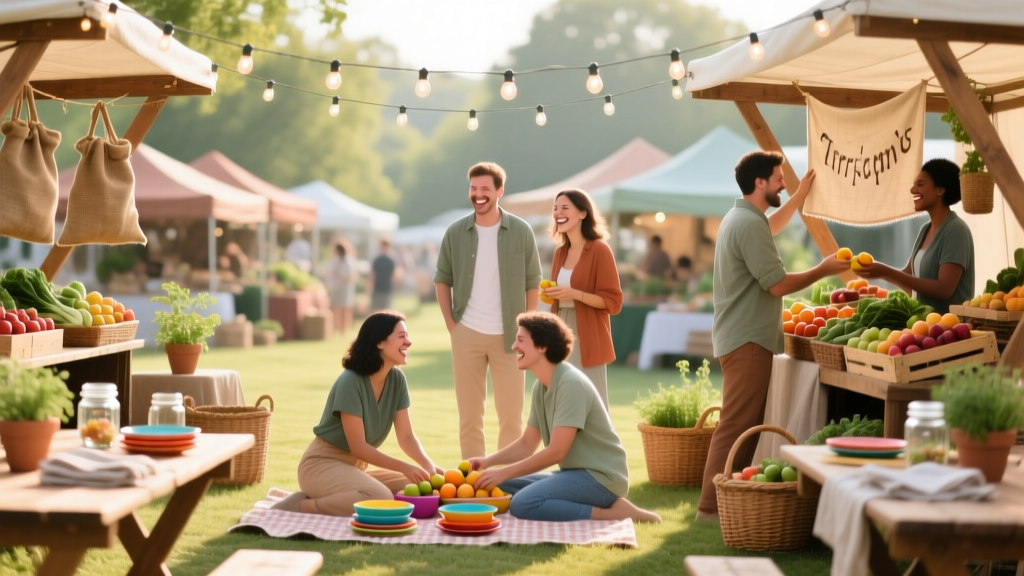
Farmers Market Entertainment Ideas
A farmers market already has the ingredients for a great experience: fresh food, local makers, friendly vendors, and a community vibe. Entertainment is what turns a quick shopping stop into a stay-awhile event—one that increases dwell time, boosts vendor sales, and gives visitors a reason to come back week after week.
The difference between “nice market” and “can’t-miss market” is planning. Thoughtful entertainment programming helps manage crowd flow, supports safety and accessibility, and creates a consistent brand that sponsors and vendors want to align with. When entertainment is planned strategically (not added last-minute), it becomes a tool for event coordination: it anchors schedules, strengthens marketing, and improves the guest experience from arrival to departure.
This guide shares practical farmers market entertainment ideas, step-by-step planning timelines, budget breakdowns, vendor coordination tips, and common mistakes to avoid—so you can build a market event plan that’s organized, inspiring, and easy to execute.
Start With the Market’s Purpose and Audience
Before booking performers or printing a schedule, clarify what success looks like. Your entertainment should support the market’s mission and the audience you serve.
Quick planning questions
- Who is your primary audience? Families with kids, young professionals, retirees, tourists, foodies?
- What outcome matters most? Increased foot traffic, longer visits, higher vendor sales, community engagement, fundraising, brand awareness?
- What’s your market format? Weekly market, seasonal festival, holiday market, evening “night market”?
- How much space and power do you have? Stage area, electrical access, noise limitations, street closure permits?
Real-world example: matching programming to the crowd
A Saturday morning neighborhood farmers market may prioritize acoustic music, kids’ crafts, and chef demos. A Friday night market entertainment plan can lean into high-energy bands, string lights, food trucks, and local beverages—more like a mini street festival. Same location, different vibe, different programming.
High-Impact Farmers Market Entertainment Ideas
Use a mix of “anchor” entertainment (main attraction) and “roving” entertainment (surprise moments). This keeps the market lively without overwhelming shopping.
1) Live music that fits your sound and space
- Solo acoustic or duo sets: Great for smaller markets, lower cost, lower volume.
- Jazz trio or bluegrass band: Adds energy while staying family-friendly.
- Local school ensembles: Community-building and often budget-friendly. Offer a donation to the program.
- DJ with “market-friendly” playlist: Ideal for night markets or themed events.
Pro coordination tip: Schedule music in 45–60 minute sets with a 10–15 minute break. Use breaks for announcements, sponsor mentions, and vendor highlights.
2) Chef demos and tastings (a proven foot-traffic driver)
- Partner with local chefs, culinary schools, or popular food bloggers.
- Do seasonal themes: “Tomato Week,” “Berry Brunch,” “Fall Soup Saturday.”
- Use a small PA system and a camera-to-screen setup if space allows.
Trend: Interactive “shop the demo” experiences—attendees get a recipe card and a highlighted shopping list of vendors carrying the ingredients.
3) Kids’ zone programming that keeps families shopping longer
- Craft table: seed mosaics, mini herb pots, paper plate sunflowers
- Storytime with the library or local authors
- Farm-themed scavenger hunt (with small prize pickup at the info booth)
- Petting zoo or pony visits (only if permits, insurance, and sanitation plans are in place)
Operational tip: Place kids’ activities near bathrooms and handwashing stations, away from glass products and tight vendor aisles.
4) Roving performers and “surprise” moments
- Stilt walkers or jugglers for festival-style markets
- Balloon artist or caricature artist
- Historical interpreters (great for heritage towns)
- Pop-up mini “flash lessons” (dance, yoga, gardening)
5) Community contests and interactive activations
- Pie bake-off or salsa showdown: Work with local health rules; use pre-approved kitchens if required.
- Fastest “market basket” challenge: Timed shopping list with participating vendors.
- Best bouquet contest: Partner with flower vendors; attendees vote with tokens.
- Photo spot: Seasonal backdrop with sponsor signage; encourage social shares.
Trend: Low-friction “participation stations” (QR code voting, simple token-based entries) outperform complicated entry forms.
6) Educational entertainment (adds value and supports vendors)
- Composting demos and recycling challenges
- Beekeeping talks or pollinator garden workshops
- Gardening clinics with master gardeners
- Small business spotlights: “Meet the Maker” interview series on the mic
7) Seasonal and holiday programming
- Spring: seed swap, planting station, Earth Day eco-games
- Summer: watermelon sampling, live mural painting, outdoor movie night (night market)
- Fall: pumpkin painting, harvest parade, cider pressing demo
- Winter: warming stations, carolers, holiday craft market tie-in
Layout and Logistics: Make Entertainment Work With the Market Flow
Entertainment should enhance shopping—not block it. A strong event coordination plan accounts for sound, safety, accessibility, and vendor operations.
Placement guidelines
- Stage/music area: Put it where sound can carry without overpowering vendors (often at the end of the market to pull traffic through).
- Demo area: Near produce vendors you’ll feature; allow a small crowd zone without blocking aisles.
- Kids’ zone: A defined corner with clear boundaries, shade, seating, and easy access to restrooms.
- Info booth: Central location for schedules, lost-and-found, first aid, vendor questions, and announcements.
Sound and neighbor considerations
- Check local noise ordinances and any permit requirements.
- Use decibel limits in performer contracts and do a sound check before opening.
- Choose acoustic acts for early mornings and higher-energy acts later.
Step-by-Step Planning Timeline (with Checklist)
Use this event planning timeline for a weekly market series or a special farmers market event day. Adjust based on your lead time.
6–8 weeks out: Strategy and booking
- Define your entertainment goals (traffic, dwell time, families, sponsor value).
- Set total entertainment budget and confirm approval process.
- Confirm site constraints: power, stage area, indoor/outdoor backup options.
- Book key talent (musicians, chef, headliner activity).
- Request insurance certificates (COI) from performers/vendors as required.
- Draft a simple run-of-show (arrival times, sets, announcements).
4–5 weeks out: Vendor coordination and sponsorship
- Invite vendors to participate in demos, tastings, and contests.
- Confirm any permits needed (street closure, food handling, amplified sound).
- Secure sponsor(s) for music stage, kids’ zone, or cooking demo.
- Create a vendor communication sheet: load-in times, parking, rules, contact list.
2–3 weeks out: Marketing and materials
- Publish the entertainment schedule on your website and social channels.
- Create a “what’s happening” graphic for Instagram/Facebook and a printable poster.
- Prepare signage: stage schedule, demo times, kids’ zone rules, sponsor recognition.
- Confirm equipment rentals: tent, tables, chairs, PA system, generator if needed.
- Coordinate volunteer staffing and brief role descriptions.
1 week out: Final confirmations
- Send confirmation emails to all performers and activity leads.
- Collect final set lists or demo outlines and timing needs.
- Finalize site map and load-in plan.
- Prepare cash/float or QR donation options for fundraising activities.
- Print your day-of run sheet (with phone numbers).
Day-of: Execution checklist
- Arrive early for site walk, safety check, and stage/demos setup.
- Do sound check before vendors open (or during a low-traffic window).
- Place sandwich boards and schedule signage at entrances.
- Brief volunteers: schedule, emergency plan, where to send questions.
- Keep announcements short and helpful: restrooms, featured vendors, upcoming demo.
- Track attendance estimates and note what worked (and what didn’t).
Post-event: Wrap-up (within 48 hours)
- Pay vendors/performers per contract terms.
- Send thank-you notes to sponsors, performers, volunteers, and featured vendors.
- Post recap photos and tag partners.
- Capture metrics: attendance, vendor feedback, social engagement.
- Update your template timeline for next time.
Budget Considerations (with Sample Breakdown)
Entertainment budgets vary widely, but most markets can create a strong program by mixing paid talent with community partners.
Sample entertainment budget tiers
Tier 1: Small market (approx. $300–$900)
- Solo musician (2 hours): $200–$500
- Kids craft supplies: $50–$150
- Signage/printing: $50–$100
- Contingency: $50–$150
Tier 2: Mid-size market event day (approx. $1,000–$3,500)
- Band or multiple acts: $600–$2,000
- PA system rental/tech: $200–$700
- Chef demo stipend + supplies: $150–$500
- Kids’ entertainer (balloons/magic): $200–$600
- Marketing + signage: $150–$400
- Permits/insurance add-ons: $100���$300
- Contingency (10%): $100–$350
Tier 3: Festival-style market (approx. $4,000–$12,000+)
- Headliner entertainment + supporting acts: $2,000–$8,000
- Stage, lighting, pro sound: $1,000–$3,000
- Interactive zones (kids, workshops, art): $500–$2,000
- Security/medical support: $300–$1,500
- Enhanced marketing: $500–$2,000
- Contingency: 10–15%
Smart ways to stretch your entertainment budget
- Sponsor a zone: “Community Bank Kids’ Corner” or “Local Hospital Wellness Stage.”
- Partner with schools: Music departments and dance studios often welcome performance opportunities.
- Book a series: Seasonal packages can reduce per-date performer rates.
- Use timed activations: A 30-minute peak-time demo may deliver more impact than a full-day program.
Vendor Selection and Booking Tips (Performers, Demos, Rentals)
Entertainment vendors are part of your event team. Clear agreements reduce day-of problems and elevate guest experience.
What to ask before you book
- Do you have experience with outdoor public events and farmers markets?
- What are your power needs and setup time?
- Can you provide proof of insurance (COI) if required?
- Do you have weather contingency plans (wind, rain, heat)?
- What’s included in your fee (equipment, travel, breaks, assistant)?
Contract basics to include
- Date, performance times, arrival and sound check
- Fee, deposit, payment timeline
- Cancellation and weather policy
- Noise/volume expectations and any curfews
- Space provided (tent, stage, table, chairs) and power availability
Common Farmers Market Entertainment Planning Mistakes to Avoid
- Booking entertainment without a site map: Leads to blocked aisles, unhappy vendors, and safety risks.
- Skipping sound management: Music that’s too loud drives shoppers away and can create neighbor complaints.
- Over-programming: Back-to-back activities compete with vendors. Build in breathing room for shopping.
- Ignoring weather realities: No shade, no wind plan, and no rain backup can derail your day.
- Unclear roles for staff/volunteers: If no one “owns” the stage schedule, it will slip.
- Forgetting accessibility: Ensure viewing areas and activity zones are navigable for strollers and mobility devices.
FAQ: Farmers Market Entertainment Planning
How do I choose the best entertainment for a weekly farmers market?
Start with your audience and space. For most weekly markets, light live music, a rotating demo, and a simple kids’ activity offer the best return on effort. Keep it consistent (same time blocks) so visitors learn the rhythm of your market.
Do I need permits for live music or a DJ at a farmers market?
Often, yes—especially for amplified sound, street closures, or large gatherings. Check with your city or parks department and confirm any noise ordinance limits. Build permit lead time into your event planning timeline.
What’s an affordable entertainment idea that still feels special?
A “Meet the Farmer” interview series plus a short acoustic set can feel highly curated without a large budget. Add a seasonal photo spot and a simple scavenger hunt to keep visitors engaged.
How can entertainment increase vendor sales?
Use programming that drives intentional shopping: chef demos with ingredient lists, timed “vendor spotlights,” and interactive contests that require visiting participating booths. Place your main attraction to pull guests through the full market layout.
How far in advance should I book performers?
For peak seasons and popular local acts, book 6–8 weeks out (or earlier for a series). For smaller acoustic performers, 3–4 weeks can work, but earlier booking gives you better options and smoother coordination.
What if the weather turns bad?
Have a written weather plan: alternate locations (if possible), wind-safe tent weights, covered demo space, and clear communication steps for vendors and guests. Include weather terms in performer agreements so expectations are clear.
Next Steps: Build Your Entertainment Plan With Confidence
Choose two to three entertainment pillars (music, a demo, and a family-friendly activity), place them intentionally on your site map, and run them on a predictable schedule. Use the planning timeline above to lock vendors early, coordinate logistics, and market your programming with clear, consistent messaging.
If you’re ready to streamline your event planning and coordination process, explore more practical checklists, party organization tips, and vendor management guides on smartpartyprep.com.
More Articles
 What to Wear at Masquerade Party: The 7-Step Dress Code Decoder (No More Awkward Costume Guesswork or Last-Minute Panic)
How Much Money to Give at an Engagement Party: The Real-World Etiquette Guide (No Awkward Guessing, No Overspending, Just Clear, Culture-Aware Answers)
How to Change Party Affiliation in NC Without Missing the Deadline: A Step-by-Step Guide That Takes Less Than 10 Minutes (Plus What Happens If You Wait Until After Primary Registration Closes)
What to Wear at Masquerade Party: The 7-Step Dress Code Decoder (No More Awkward Costume Guesswork or Last-Minute Panic)
How Much Money to Give at an Engagement Party: The Real-World Etiquette Guide (No Awkward Guessing, No Overspending, Just Clear, Culture-Aware Answers)
How to Change Party Affiliation in NC Without Missing the Deadline: A Step-by-Step Guide That Takes Less Than 10 Minutes (Plus What Happens If You Wait Until After Primary Registration Closes)
 What Are Some Fun Birthday Party Ideas That Actually Work? (Spoiler: Skip the Pinterest Overload—Here Are 7 Tested, Low-Stress, High-Joy Themes That Kids *and* Adults Rave About)
What Is a Splinter Party? The Secret Weapon Top Planners Use to Boost Guest Joy, Reduce Stress, and Maximize Memorable Moments (Without Doubling Your Budget)
What Are Some Fun Birthday Party Ideas That Actually Work? (Spoiler: Skip the Pinterest Overload—Here Are 7 Tested, Low-Stress, High-Joy Themes That Kids *and* Adults Rave About)
What Is a Splinter Party? The Secret Weapon Top Planners Use to Boost Guest Joy, Reduce Stress, and Maximize Memorable Moments (Without Doubling Your Budget)
 How Many Political Parties Are in the UK? The Real Number Will Surprise You—Because It’s Not 2, Not 5, and Definitely Not Fixed (Here’s How to Track Active Parties in Real Time)
How Much for a Birthday Party at Chuck E Cheese in 2024? We Called 37 Locations, Compared 5 Packages, and Found Hidden Fees That Could Add $85—Here’s Exactly What You’ll Pay (and How to Save)
How Many Political Parties Are in the UK? The Real Number Will Surprise You—Because It’s Not 2, Not 5, and Definitely Not Fixed (Here’s How to Track Active Parties in Real Time)
How Much for a Birthday Party at Chuck E Cheese in 2024? We Called 37 Locations, Compared 5 Packages, and Found Hidden Fees That Could Add $85—Here’s Exactly What You’ll Pay (and How to Save)
 What to Wear to a Casual Grad Party: 7 Stress-Free Outfit Formulas That Look Intentional (Not 'I Threw This On') — No Overthinking, No Awkward Fits, Just Confidence in 5 Minutes
 Game Tournament Entertainment Ideas: How to Plan an Unforgettable Event from Brackets to Buzz