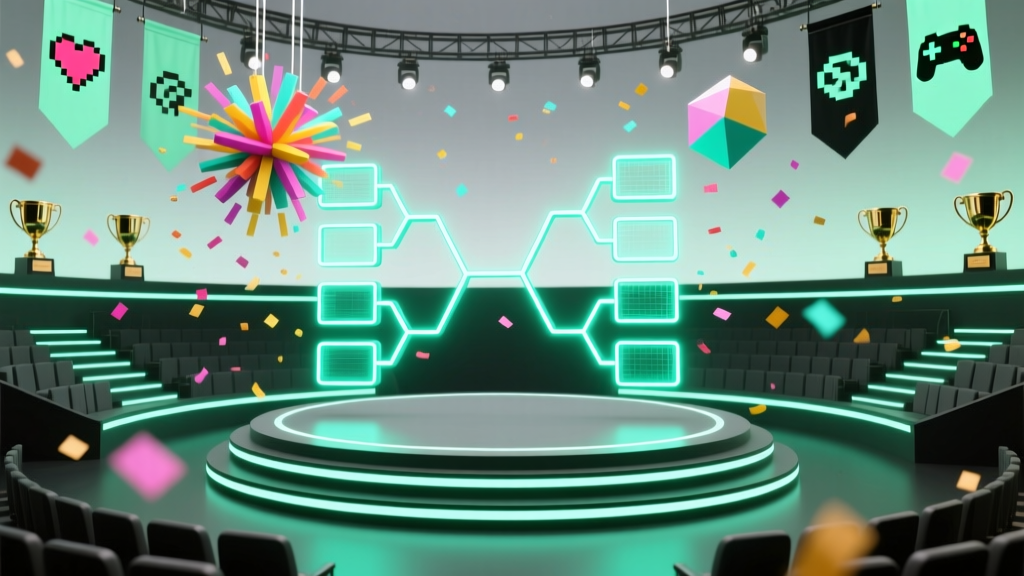
Game Tournament Entertainment Ideas: How to Plan an Unforgettable Event from Brackets to Buzz
A game tournament can be one of the most electric event formats you can host—fast-paced, social, and built for memorable moments. But the difference between “chaotic game night” and a polished tournament experience comes down to planning: structure, timing, fairness, and guest flow. When the logistics are tight, people relax, compete confidently, and talk about your event long after the final match.
Tournament-style entertainment also has a unique challenge: you’re not just organizing one activity—you’re managing multiple rounds, varied skill levels, equipment needs, scorekeeping, and crowd engagement. Proper event coordination prevents bottlenecks, keeps players moving, and ensures spectators stay entertained too. The result is a party that feels intentional, professional, and fun for everyone, whether they’re playing, cheering, or mingling.
This guide covers game tournament entertainment ideas, event planning timelines, budget breakdowns, vendor selection tips, and real-world examples you can adapt for birthdays, corporate events, school fundraisers, community gatherings, and private parties.
Choose the Right Tournament Style (and Make It Guest-Friendly)
Start with your audience, not the games. Great party organization begins with matching the format to your guest count, venue size, time window, and energy level.
Popular tournament formats
- Single elimination: Fast, simple, high stakes. Best for limited time and larger groups.
- Double elimination: More forgiving; guests get at least two chances. Great for mixed skill levels.
- Round-robin: Everyone plays multiple matches. Best for smaller groups and longer events.
- Swiss-style: Players match with others at similar performance levels. Ideal for skill variance and “fair-feeling” competition.
- Timed rotations (festival format): Players rotate stations every X minutes. Perfect for casual parties and family events.
Pro tip: Plan for both players and spectators
- Add a “spectator challenge” mini-game (prediction cards, trivia, raffle tickets for cheering sections).
- Create a lounge zone with snacks, photo ops, and casual games that don’t interfere with tournament play.
- Use a big bracket display or live scoreboard so non-players can follow the action.
Game Tournament Entertainment Ideas (By Event Type)
Classic crowd-pleasers
- Mario Kart / racing bracket: Quick matches and high audience energy. Use equalized settings (same kart class) for fairness.
- Super Smash Bros. mini-bracket: Run best-of-1 early rounds, best-of-3 finals to manage time.
- FIFA / NBA 2K / sports titles: Great for corporate and adult events. Keep matches short with timed halves.
- Chess or speed chess: Ideal for libraries, schools, community centers. Use clocks for schedule control.
- Board game “duel” stations: Ticket to Ride 1v1 variants, Splendor, Azul, Connect 4 Speed, Jenga challenges.
Low-tech, high-fun tournament ideas (minimal equipment)
- Cornhole ladder tournament: Easy to spectate, flexible for outdoor spaces.
- Paper airplane distance/accuracy contest: Great icebreaker and inclusive for all ages.
- Minute-to-win-it bracket: Stack cups, cookie face challenge, ping pong bounce. Fast rounds keep momentum.
- Trivia playoff: Teams advance based on scores. Use themed categories tied to the occasion.
Trending event planning twists
- Hybrid tournaments (digital + analog): Example: Mario Kart + cornhole + trivia, with points combined for an overall champion.
- Experience-first styling: Themed signage, custom badges, “walk-up music,” and photo backdrops—small touches that create shareable moments.
- Micro-prizes and instant wins: Encourage engagement beyond the final winner (best sportsmanship, best comeback, crowd favorite).
- QR-code scoring: Players submit results via a simple form; the host updates a visible scoreboard.
Step-by-Step Planning Timeline (With Checklist Templates)
Use this event coordination timeline as your base, then adjust for your venue and guest count.
4–6 weeks before: Define the plan
- Choose the tournament theme (retro arcade, sports night, anime, casino-style, school spirit).
- Confirm guest count and age range.
- Select games + format (single elimination, round-robin, stations).
- Set match length rules (example: “5 minutes per round” or “first to 2 wins”).
- Book venue or confirm space layout (power outlets, Wi-Fi, lighting, noise limits).
- Assign roles: event host/MC, scorekeeper, tech manager, floaters.
2–3 weeks before: Build the structure
- Create brackets and a schedule draft.
- Choose scorekeeping method:
- Printed bracket poster + marker
- Tablet/laptop + spreadsheet
- Online bracket tool (with a backup offline copy)
- Plan your zones:
- Check-in + rules board
- Tournament play area
- Spectator seating
- Food + beverage station
- Quiet/cool-down corner
- Order or prepare supplies (cables, extension cords, tape, signage, wristbands).
- Confirm prizes and sponsor contributions (if any).
1 week before: Confirm and communicate
- Send guest message with:
- Start time + check-in window
- Parking/location notes
- Rules summary (match length, behavior expectations)
- What to bring (controller, team name, water bottle)
- Finalize bracket and print copies.
- Run a test session for all tech (consoles, controllers, monitors, audio, Wi-Fi).
- Build a playlist and set volume guidelines.
- Create a “day-of binder” (or digital folder) with schedule, contacts, and checklists.
Day-of timeline template (sample for a 4-hour event)
- 0:00–0:45 Setup (stations, signage, sound check, food setup)
- 0:45–1:15 Check-in + warm-up (practice rounds, rules review)
- 1:15–2:45 Tournament rounds (keep matches moving; announce next matchups)
- 2:45–3:00 Break (snacks, mini-game, photo moment)
- 3:00–3:40 Semi-finals + finals (increase hype; add commentary)
- 3:40–4:00 Awards + photos + closing (thank guests, announce next event)
Day-of checklist (quick scan)
- Brackets printed + backup digital copy
- Rule signage posted (time limits, ties, sportsmanship)
- Scorekeeping supplies (markers, clipboard, charger)
- Extra controllers/batteries
- Extension cords, power strips, gaffer tape
- Wi-Fi plan + hotspot backup (if needed)
- First-aid kit + cleaning wipes
- Prize table set with labels
- Music playlist + microphone (optional)
Design the Experience: Layout, Flow, and Atmosphere
Space planning that prevents congestion
- Place check-in at the entrance with a clear line path.
- Keep tournament stations against walls to avoid cord hazards.
- Create a “next up” waiting area near the bracket so players are ready.
- Separate food from electronics to reduce spills and traffic.
Add entertainment between rounds
- “Redemption station” for eliminated players (quick challenges for small prizes).
- Audience vote awards (best team name, funniest moment, best celebration).
- Photo booth corner with props tied to the game theme.
Budget Considerations (with Realistic Ranges)
Budgeting for a tournament event depends on how tech-heavy it is and whether you’re providing equipment. Here’s a practical breakdown you can scale.
Sample budget breakdown for 30–50 guests (home or community venue)
- Equipment (0–40%)
- Extra controllers, cables, adapters: $40–$150
- Monitor/TV rental (if needed): $50–$200 each
- Power strips/gaffer tape: $20–$60
- Venue (0–35%)
- Community room rental: $0–$300
- Event space hourly: $200–$800+
- Food and beverage (20–40%)
- Self-serve snacks + drinks: $6–$12 per person
- Pizza/simple catering: $12–$20 per person
- Decor + printing (5–15%)
- Bracket poster, signs, table tents: $15–$60
- Theme decor (balloons, banners): $25–$150
- Prizes (5–15%)
- Trophy/medals: $20–$80
- Gift cards: $10–$50 each
Money-saving strategies that still feel premium
- Offer tiered prizes: one main trophy + smaller fun awards.
- Ask guests to bring controllers (label them at check-in).
- Choose games with short rounds so you need fewer stations.
- Use digital invites and QR-code rules instead of printing everything.
Vendor Selection Tips (When You Need Outside Help)
For corporate events, school tournaments, or larger parties, vendors can make the difference between stress and smooth execution.
Equipment rental or “gaming party” vendors
- Ask what’s included: screens, consoles, seating, tech staff, setup/teardown.
- Confirm game licensing and user profiles (avoid day-of login delays).
- Request a site visit or layout plan if your venue is tight.
- Verify backup equipment policy (extra console/controllers on-site).
Catering and beverage support
- Choose low-mess foods (sliders, wraps, pizza, fruit cups) to protect equipment.
- Ask for staggered delivery so food doesn’t arrive during peak match time.
- Plan for dietary needs with clear labels (gluten-free, nut-free, vegetarian).
Entertainment add-ons
- Consider a DJ or MC for larger events—keeping energy high and transitions smooth.
- Photo booth vendors work well for tournaments because guests naturally cycle between play and spectating.
Real-World Examples You Can Copy
Example 1: Corporate “Team vs. Team” hybrid tournament (60 guests)
- Format: Teams of 4 rotate through 3 stations (Mario Kart, trivia buzzer, cornhole)
- Scoring: Points per station + bonus for sportsmanship
- Why it works: Mixed skill sets keep participation high; no one activity dominates
- Pro coordination move: Pre-assigned teams and a posted rotation schedule prevent crowding
Example 2: Teen birthday “Bracket + redemption” party (20 guests)
- Format: Double elimination Smash bracket
- Redemption: Eliminated players do quick challenges (speed Jenga, trivia) for snack tickets
- Why it works: Nobody feels “done” after losing; energy stays up
Example 3: Community fundraiser tournament (100+ attendees)
- Format: Timed rounds in a Swiss-style scoring system
- Revenue: Entry fee + raffle + sponsor prizes
- Why it works: Predictable match windows; continuous action; easy for late arrivals
Common Game Tournament Planning Mistakes (and How to Avoid Them)
- Overpacking the schedule: Matches always run long. Build in 10–15% buffer time and shorten early rounds.
- Unclear rules: Post rules at check-in and do a 2-minute live briefing. Decide tie-breakers before guests arrive.
- Not planning for skill differences: Use Swiss or double elimination, or add handicaps (time limits, randomized characters, etc.).
- Too few stations: Long waits kill momentum. If you can’t add stations, reduce match length or switch to rotations.
- Tech surprises: Test everything a week before and again day-of. Bring spare HDMI cables, batteries, and chargers.
- Ignoring guest comfort: Seating, water, temperature control, and clear signage matter as much as the games.
FAQ: Game Tournament Event Planning
How many games or stations should I run?
For 20–30 guests, 2–3 stations usually keeps wait times reasonable. For 50+ guests, consider 4–6 stations or a timed rotation format so the crowd keeps moving.
What’s the best tournament format for mixed skill levels?
Swiss-style or double elimination tends to feel the fairest. You can also run beginner and advanced brackets, or create team-based play to balance skills.
How long should each match be?
Aim for 5–10 minutes per match for video games and quick challenges, 10–20 minutes for board games, and 3–5 minutes for mini-games. Shorter rounds keep your event timeline on track.
Do I need prizes for a successful tournament?
Prizes help, but recognition matters just as much. A simple trophy plus fun awards (best sportsmanship, best comeback) often creates more excitement than a big prize alone.
How do I keep eliminated players engaged?
Offer a redemption station, side challenges, a spectator prediction game, or open play zones. Keeping options available is a key event coordination strategy for positive guest experience.
What’s the simplest way to manage brackets?
For small events, a printed bracket on a poster board works great. For larger groups, use a spreadsheet on a laptop plus a visible display so players always know what’s next.
Next Steps: Plan Your Tournament Like a Pro
Start by choosing a guest-friendly format, then build a schedule that protects your flow: check-in, warm-up, structured rounds, breaks, and a clear final moment. Map your layout to avoid congestion, assign roles for scorekeeping and tech support, and add spectator-friendly entertainment so the whole room stays engaged. With a realistic timeline, a buffer-friendly bracket, and a smart budget, your tournament becomes the highlight of the season—not a stressful scramble.
If you’re ready to keep planning, explore more step-by-step event planning, party organization, and coordination guides on smartpartyprep.com.
More Articles
 How Many Episodes of The Hunting Party Are There? (Spoiler-Free Breakdown + Where to Stream Each Season — Updated for 2024)
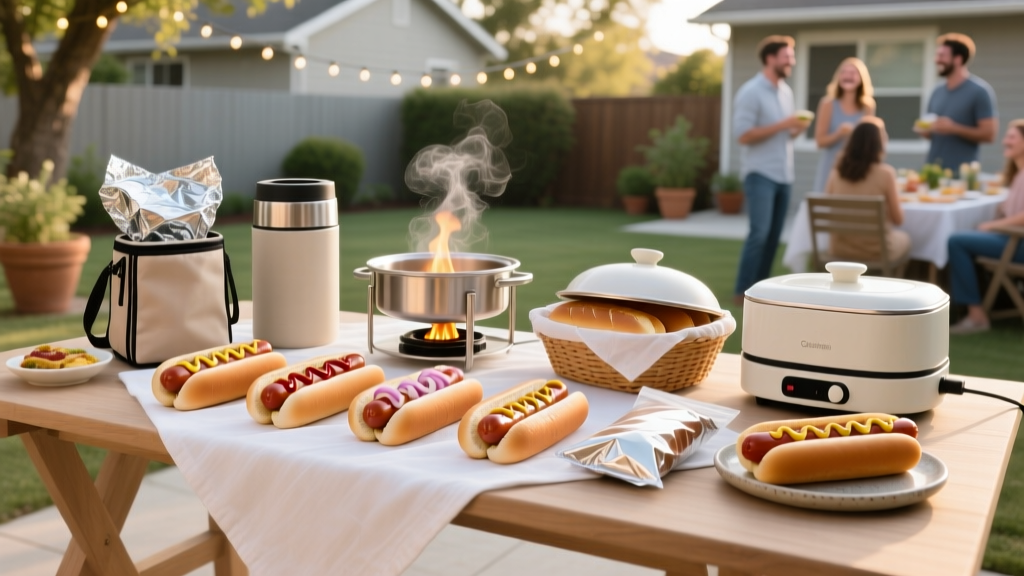 How to Keep Hot Dogs Warm for a Party Without Drying Them Out, Burning Them, or Wasting Energy: 7 Field-Tested Methods (Backed by Catering Pros & 327 Real-World BBQ Hosts)
Where Can I Stream Search Party in 2024? The Only Up-to-Date, Region-Accurate Guide (No More Broken Links or Outdated Platforms)
How to Keep Hot Dogs Warm for a Party Without Drying Them Out, Burning Them, or Wasting Energy: 7 Field-Tested Methods (Backed by Catering Pros & 327 Real-World BBQ Hosts)
Where Can I Stream Search Party in 2024? The Only Up-to-Date, Region-Accurate Guide (No More Broken Links or Outdated Platforms)
 Should We Throw a Party Invite Bella Hadid? 7 Real-World Factors No Planner Tells You (But Should) — From PR Risk to Guest List Psychology & Budget Realities
Is 'Party Up' a Diss Track? Why This Phrase Is Actually a Red Flag for Event Planners (and What to Say Instead)
What Does the Australian Labor Party Believe In? A Clear, Nonpartisan Breakdown of Core Policies, Values, and Real-World Impact — No Jargon, No Spin, Just What Voters Actually Need to Know Before the Next Federal Election
Should We Throw a Party Invite Bella Hadid? 7 Real-World Factors No Planner Tells You (But Should) — From PR Risk to Guest List Psychology & Budget Realities
Is 'Party Up' a Diss Track? Why This Phrase Is Actually a Red Flag for Event Planners (and What to Say Instead)
What Does the Australian Labor Party Believe In? A Clear, Nonpartisan Breakdown of Core Policies, Values, and Real-World Impact — No Jargon, No Spin, Just What Voters Actually Need to Know Before the Next Federal Election
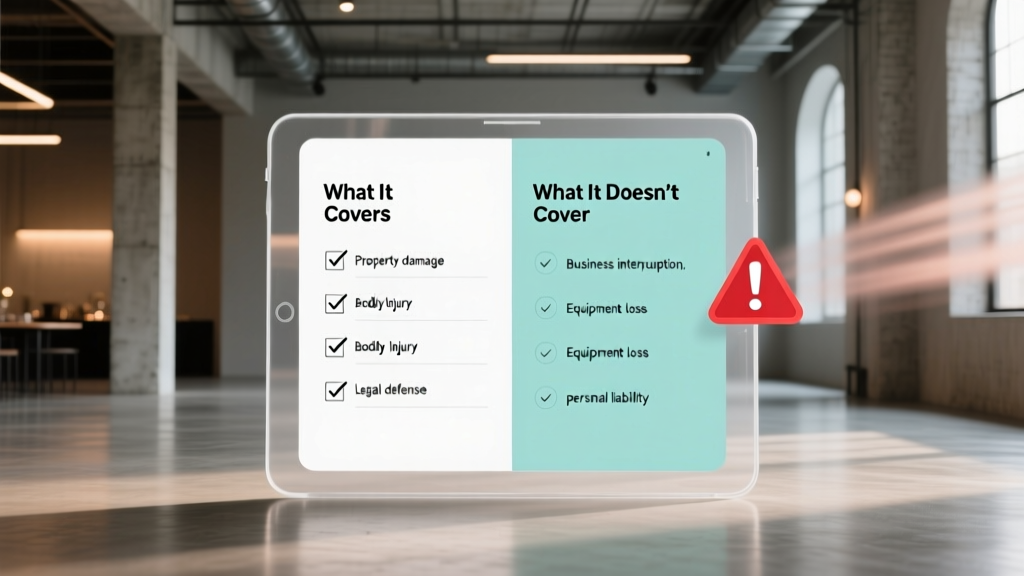 What Is Third Party Insurance Coverage? The Critical Protection You’re Overlooking (Especially If You’re Hosting or Vending at an Event — Here’s Exactly What It Covers, What It Doesn’t, and How to Avoid $50k+ Liability Gaps)
 What Is the Ghost Character in Mario Party? The Real Reason It’s Not Just a Gag — And How to Use Its Mechanics to Dominate Every Game Night (Without Cheating)
 A Awards Ceremony Menu Planning Guide