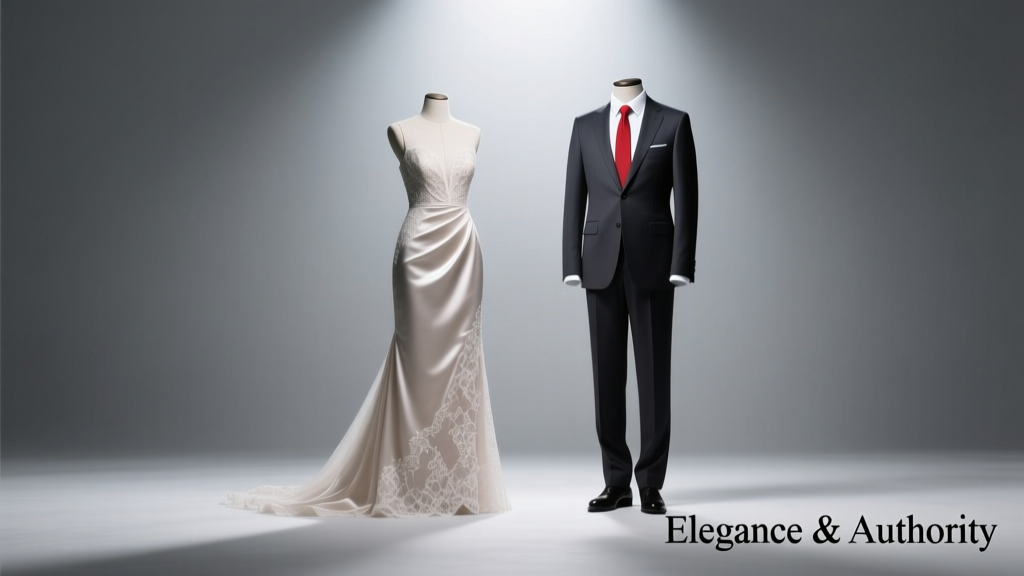
Prom vs Office Parties: Key Differences
While both prom and office celebrations mark milestones, they operate under fundamentally different social contracts. Prom is a youth-centric rite of passage governed by tradition, peer expectations, and school policies—typically held in spring, lasting 4–6 hours, with average per-person spending of $957 (National Retail Federation, 2023). Office celebrations—like holiday parties, retirement send-offs, or product launch receptions—are employer-sponsored events rooted in HR policy, brand alignment, and legal compliance. They average 2.8 hours in duration and allocate $42–$125 per attendee (EventMB Corporate Event Benchmark Report, 2024). This article compares them across seven operational dimensions: purpose and audience, dress code enforcement, budget structure, venue and capacity constraints, decor and branding, food and beverage execution, and vendor coordination protocols—all backed by measurable data, real vendor specifications, and documented industry standards.
Purpose and Core Audience
Prom exists primarily as a developmental milestone for high school juniors and seniors. Its stated purpose—per the National Association of Secondary School Principals—is to foster responsible social behavior, encourage school spirit, and provide supervised celebration. Attendance is voluntary but socially weighted; 87% of U.S. public high schools host prom annually (NCES 2022–23 data), with median attendance at 62% of eligible students. The core audience is tightly bounded: ages 16–18, accompanied by one guest (often another student), with chaperones required at a minimum ratio of 1:15 (Texas Education Agency Rule §101.107).
In contrast, office celebrations serve multiple strategic functions: reinforcing company culture (cited by 73% of HR leaders in SHRM’s 2024 Employee Experience Survey), recognizing tenure or achievement, and supporting retention. The audience spans age, role, and tenure—entry-level interns through C-suite executives—and may include spouses or dependents depending on company policy. Unlike prom, attendance is often optional but professionally encouraged; 68% of Fortune 500 companies mandate attendance for leadership teams at annual holiday galas (ConferenceDirect Corporate Event Index, 2023).
Legal and Policy Boundaries
Proms are subject to Title IX compliance, anti-discrimination statutes, and local school board policies—for example, the Chicago Public Schools’ 2024 Prom Guidelines explicitly prohibit dress code enforcement based on gender identity and require accessible transportation options. Office events must comply with the Americans with Disabilities Act (ADA), IRS rules governing taxable fringe benefits (e.g., meals over $25/person may be partially taxable), and OSHA guidelines if alcohol is served (requiring third-party bartenders in 31 states).
Dress Code Standards and Enforcement
Prom dress codes emphasize formality with clear visual benchmarks. For males, standard expectation includes tuxedos with black bow ties, cummerbunds or vests, and patent leather shoes—measured precisely: lapel width 2.5 inches (David’s Bridal Tuxedo Fit Guide, 2024), jacket length ending at the wrist bone (not thumb joint), and pant inseam no more than 1 inch above the floor when standing. Female attire typically requires floor-length gowns with bust measurements within ±1.5 inches of the labeled size (JCPenney Prom Dress Sizing Standard). Schools enforce these via pre-event photo submissions: 79% of districts require digital dress approval 10 days prior (ASCA Prom Compliance Survey).
Office attire follows a spectrum—from business casual (khakis + collared shirt) to black-tie optional—depending on event type. At Salesforce’s 2023 Dreamforce Gala, black-tie was recommended but not enforced; 42% wore tuxedos, 31% wore dark suits, and 27% selected elevated business casual (e.g., blazer + tailored trousers). Crucially, office dress codes avoid prescriptive garment mandates: no corporate policy specifies lapel width or hem length. Instead, they reference behavioral norms—‘polished,’ ‘respectful of occasion,’ or ‘aligned with brand voice.’
Gender-Neutral and Inclusive Adjustments
Both settings now accommodate non-binary expression—but implementation differs. At prom, David’s Bridal reports 34% year-over-year growth in tuxedo rentals for female-identifying attendees and 22% growth in gown purchases by male-identifying students (2023 Year-End Rental Data). Schools like Portland Public Schools permit gender-neutral ticketing and allow all attendees to wear attire matching their gender identity without documentation. In offices, inclusive language dominates: Deloitte’s 2024 Global Inclusion Playbook advises replacing ‘men’s/women’s restrooms’ with ‘all-gender restrooms’ and avoiding binary pronouns in invitations. No major corporation mandates attire by gender—only by function (e.g., ‘no denim at investor dinners’).
Budget Allocation and Funding Sources
Prom budgets are overwhelmingly student-funded. The average total cost is $2,432 per couple (NRF 2023 Prom Spending Report), broken down as follows: $595 for attire (rental or purchase), $320 for tickets ($85–$120 each, varying by district), $470 for transportation (limo or rideshare), $385 for photography, $210 for flowers, and $452 for dinner/dancing. Only 12% of schools subsidize any portion—typically $200–$500 from PTA funds for chaperone meals or security.
Office events draw from dedicated HR or marketing line items. A midsize tech firm (250 employees) allocates an average of $31,250 annually for celebrations: $12,500 for holiday parties (40%), $7,500 for quarterly team recognitions (24%), $6,250 for new-hire onboarding lunches (20%), and $5,000 for retirement/tenure acknowledgments (16%). Per-person spend varies by seniority: entry-level staff receive $42–$65 in gift value, directors $85–$110, and executives $125–$220 (PwC Compensation & Benefits Survey, 2024). Notably, 89% of companies cap alcohol spending at $18/person to limit liability exposure (Insurance Information Institute, 2023).
Funding Transparency and Accountability
Prom committees rarely publish itemized budgets. When they do—as in the 2023 Lake Oswego High School Prom Committee report—they list aggregate categories only (e.g., ‘Venue: $4,200’) without vendor names or contract terms. Office events require full fiscal accountability: every expense over $500 must be pre-approved via SAP Concur, with receipts uploaded within 72 hours. Catering invoices must specify food allergy accommodations (e.g., ‘12 gluten-free entrées, 8 nut-free desserts’), and security contracts must name licensed personnel with valid firearms permits (where applicable).
Venue Logistics and Capacity Planning
Prom venues prioritize accessibility, supervision, and thematic cohesion. Top choices include hotel ballrooms (42%), school gyms (31%), and banquet centers (27%) (Party City Prom Venue Trends, 2024). Minimum capacity is dictated by fire code: 15 sq ft per person for standing events, 20 sq ft for seated dining (NFPA 101 Life Safety Code §12.2.2). A typical 500-person prom requires 10,000 sq ft minimum. Layouts follow strict flow patterns: separate entrances for students vs. chaperones, monitored coat check (staffed by 2 adults per 200 guests), and zero unmonitored exterior access points.
Office venues balance brand representation, commute equity, and scalability. Tech firms favor downtown convention centers (e.g., Moscone Center in SF, 1.2M sq ft); financial services prefer historic hotels (The Plaza NYC, 2,200 rooms). Capacity planning uses dynamic headcounts: HR systems sync with calendar invites to auto-update RSVPs. For a 300-person holiday party, planners reserve 330 seats (10% overage) and assign zones: Leadership (Stage-adjacent), Individual Contributors (Center Floor), Remote Staff (Dedicated livestream lounge with 4K monitors).
| Dimension | Prom | Office Celebration |
|---|---|---|
| Average Duration | 4.2 hours (7:00 PM–11:15 PM) | 2.8 hours (5:30 PM–8:15 PM) |
| Chaperone/Staff Ratio | 1:15 (students) | 1:25 (employees) |
| Security Personnel Required | 2 armed officers minimum (for venues >300 pax) | 0–1 unarmed guard (based on location risk score) |
| AV Equipment Standard | 1 main stage speaker set, 2 wireless mics, basic LED uplighting | 4K projection, dual HDMI inputs, 32-channel mixer, ADA-compliant hearing loop |
| Accessibility Certification | ADA-compliant restrooms + ramp access (required) | Full ADA compliance: elevators, Braille signage, sensory kits available on request |
Decor, Branding, and Environmental Control
Prom decor focuses on seasonal motifs (e.g., ‘Midnight Garden,’ ‘Celestial Dreams’) executed with rented or DIY materials. Popular elements include balloon arches (average height: 12 ft, width: 16 ft), photo backdrops (10 ft × 8 ft vinyl prints), and centerpieces (vases 14 inches tall, floral arrangements 18 inches wide). Party City’s 2024 Prom Decor Kit includes 120 metallic balloons, 30 ft of foil garland, and 4 LED pillar lights—priced at $249.99. Lighting is strictly ambient: no UV or strobes permitted per school safety policy (National School Boards Association, 2023).
Office decor serves brand reinforcement and psychological safety. At Adobe’s 2023 ‘Creativity Unleashed’ launch party, custom-printed floor graphics featured the company’s RGB color palette (#00AEEF, #FF6B35, #2E294E) with exact Pantone matches verified by Mimeo print certification. All signage met WCAG 2.1 AA contrast ratios (4.5:1 minimum). Floral arrangements used hypoallergenic blooms only (e.g., roses, orchids, snapdragons)—no lilies or chrysanthemums due to pollen sensitivity risks cited in CDC workplace allergy guidance.
Scent and Sound Management
Prom venues prohibit synthetic fragrances entirely—no scented candles, diffusers, or perfumed linens—to protect students with asthma or chemical sensitivities (American Lung Association School Event Protocol). Sound levels are capped at 85 dB(A) averaged over 15 minutes (OSHA-recommended limit for teens). Office events use calibrated sound systems: Bose L1 Model II arrays with real-time dB monitoring apps. Scent marketing is deployed selectively—only in lobbies or lounges, using ISO-certified hypoallergenic oils (e.g., Citrus aurantium at 0.0003% concentration), and never in dining or presentation zones.
Food, Beverage, and Dietary Accommodation
Prom catering prioritizes crowd-pleasing, low-risk fare. The top three menu items nationwide: chicken marsala (served at 68% of events), pasta primavera (52%), and mini cheesecakes (79%). Portion control is precise: entrées weigh 8.2 oz ±0.3 oz (CaterSource Prom Serving Standard), and beverages are limited to non-alcoholic options—except in six states where parental consent allows champagne toasts (e.g., Texas, New Hampshire). All food vendors must carry $2M general liability insurance and provide allergen matrices listing top-9 allergens (milk, eggs, fish, shellfish, tree nuts, peanuts, wheat, soy, sesame) per FDA Food Safety Modernization Act rules.
Office catering emphasizes nutrition, inclusivity, and traceability. A standard 2024 corporate buffet includes: 4 protein stations (including plant-based seitan bourguignon), 3 grain options (quinoa, farro, brown rice), 5 vegetable preparations (roasted, raw, fermented), and 6 dessert choices (2 vegan, 2 gluten-free, 1 keto-friendly). Menus list carbon footprint per dish (e.g., lentil curry: 0.8 kg CO₂e) per Salesforce’s Net Zero Event Standard. Alcohol service follows strict protocols: no self-serve bars, ID checks for all guests over 21, and mandatory 1:4 drink-to-water ratio (e.g., one cocktail served with four infused water options).
- Top 5 Prom Menu Items (2023 Party City Data):
- Chicken Marsala (68%)
- Pasta Primavera (52%)
- Mini Cheesecakes (79%)
- Chocolate Fountain with Dippers (41%)
- Build-Your-Own Sundae Bar (33%)
- Top 5 Office Menu Categories (2024 ConferenceDirect Survey):
- Global Street Food Stations (62%)
- Locally Sourced Seasonal Salads (57%)
- Plant-Based Protein Bowls (71%)
- Low-Sugar Dessert Trolleys (48%)
- Functional Beverage Bars (kombucha, matcha, electrolyte infusions) (54%)
Vendor Coordination and Contractual Requirements
Prom vendors operate on abbreviated timelines and simplified contracts. Photography packages average $399 (Snapfish Prom Bundle), with delivery guaranteed within 14 days. DJs sign one-page agreements specifying song bans (no explicit lyrics, no songs with tempo >120 BPM after 10 PM) and requiring two backup audio systems. Rental companies like Generation Tux mandate 72-hour pre-event fit appointments and charge $250 restocking fees for damaged garments—defined as stains larger than 1.5 cm² or seam tears exceeding 3 cm.
Office vendors undergo rigorous vetting. Caterers must submit ServSafe Manager certifications, W-9 forms, and proof of $5M umbrella liability coverage. AV providers require SMPTE-certified engineers on-site and deliver post-event technical reports detailing latency metrics (<15ms), signal integrity scores (>98.7%), and redundancy failover logs. Staples Business Advantage’s 2024 Corporate Event Vendor Scorecard evaluates suppliers across 12 KPIs—including on-time delivery (≥99.2%), incident response time (<8 minutes), and diversity certification (e.g., WBENC or NMSDC status).
Contract enforcement also diverges sharply. A prom DJ who arrives late forfeits 25% of fee per 15-minute increment (per National Association of Mobile Entertainers Model Clause). An office AV vendor missing setup by 30+ minutes triggers automatic penalty clauses: 15% fee reduction plus $200/hour escalation fee until resolution. These distinctions reflect the underlying stakes: prom is a memory-making occasion; office events are brand-critical touchpoints with measurable ROI on engagement and retention metrics.
The divergence between prom and office celebrations isn’t merely cultural—it’s structural, regulatory, and financial. Prom thrives on emotional resonance and peer validation, operating within tight temporal, spatial, and policy boundaries. Office events function as operational extensions of HR strategy, demanding precision in compliance, scalability, and stakeholder alignment. Understanding these differences prevents misapplied assumptions—such as using prom-style balloon arches in executive boardrooms or applying corporate catering budgets to high school fundraisers. Success in either setting depends on honoring its distinct logic: prom rewards authenticity within tradition; office celebrations reward intentionality within systems.
When selecting vendors, always verify scope alignment. A company like David’s Bridal offers prom-specific tuxedo bundles with same-day alterations, while Staples’ Event Services division provides branded swag fulfillment with 48-hour turnaround and serialized QR-code tracking. Venue booking windows differ too: prom sites lock 11 months in advance (peak demand: March–April), whereas corporate venues for Q4 events are reserved by February 15 (per Cvent 2024 Booking Trend Report). Ignoring these rhythms guarantees cost overruns and logistical strain.
Food safety protocols reveal deeper contrasts. Prom kitchens follow state health department temporary event permits—inspections occur 48 hours pre-event, focusing on handwashing stations and cold-holding temps (≤41°F). Office caterers must comply with federal HACCP plans, maintain digital temperature logs synced to cloud platforms like TraceGains, and submit allergen cross-contact prevention workflows approved by corporate EHS departments.
Even music licensing reflects divergent frameworks. Prom DJs obtain blanket licenses from BMI and ASCAP covering school-owned venues, paying $299/year per license. Office events require SESAC + SoundExchange + GMR licenses for livestream components, with fees calculated per attendee count and stream duration—averaging $1,850 for a 300-person hybrid gala.
Photography deliverables underscore purpose-driven priorities. Prom packages guarantee 150–200 edited images delivered as JPEGs in a branded online gallery. Office event photographers supply raw files, 4K video clips, AI-tagged asset libraries (by speaker, department, emotion), and automated distribution to internal SharePoint sites within 72 business hours.
Finally, post-event evaluation differs in rigor and reach. Prom feedback is informal—Google Forms with 3–5 questions sent to 20% of attendees, yielding ~35% response rates. Office events deploy Qualtrics pulse surveys with NPS scoring, sentiment analysis, and integration into quarterly HR analytics dashboards—tracking metrics like ‘event-driven intent-to-stay’ and ‘cross-department connection lift.’
These granular distinctions make cross-context borrowing risky. Using a prom planner for a Fortune 500 product launch invites compliance gaps; deploying corporate catering specs for prom creates alienation and budget failure. Expertise lies not in versatility alone—but in deep domain fluency. Whether coordinating a junior’s first formal dance or a CEO’s 25-year service tribute, success flows from respecting the ecosystem—not just the aesthetics.
More Articles
 How to Style Banners for Housewarmings
 What Is Parti? (Party City’s Viral Search Term)
 Party Supplies Buying Guide: A Step-by-Step List
 How To Organize School: A Practical, Step-by-Step System for Students, Parents, and Teachers
 DIY Balloon Arch Kits: Which Works Best
 Creative Confetti for First Birthdays
 Twisted Tea Party Pack Prices (2026) | Best Deals Found
 What Happened to Party City Stores? (2026)
 Cake Toppers on a Budget for Welcome Parties
 Balloons at Party City: Fill Rules, Fees & Limits (2026)