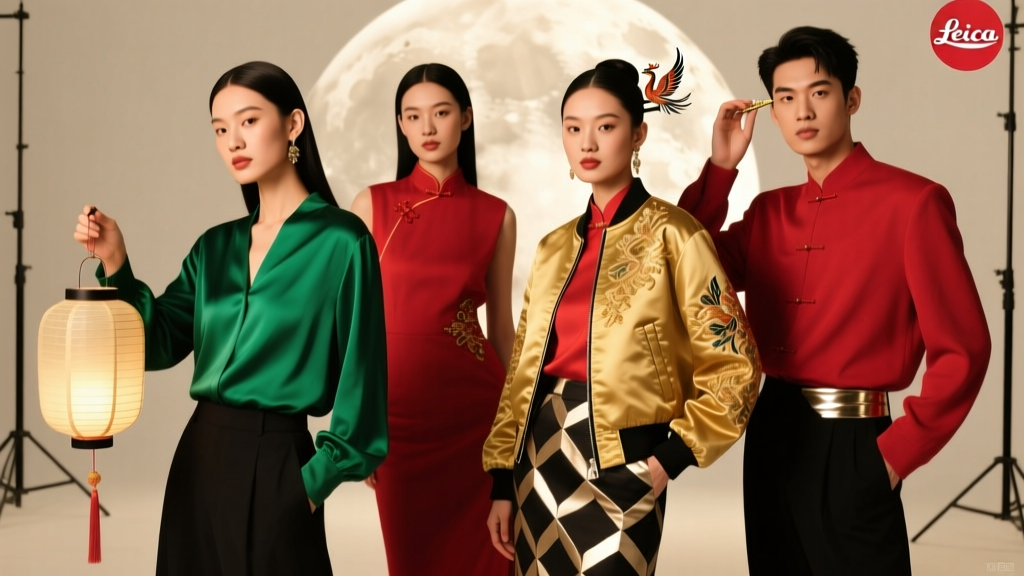
What to Wear to a Lunar New Year Party: 7 Stress-Free Outfit Rules (No, You Don’t Need Red Head-to-Toe — Here’s Why)
Why Your Lunar New Year Outfit Matters More Than You Think
If you’ve ever scrolled through your closet wondering what to wear to a lunar new year party, you’re not alone — and it’s not just about fashion. Lunar New Year is the most significant cultural celebration across East and Southeast Asia, marking renewal, family reverence, and auspicious beginnings. What you wear signals respect, intention, and awareness — and getting it right can deepen connections, avoid unintended faux pas, and even boost your confidence as a guest. With over 1.5 billion people celebrating globally — and U.S. attendance at community events up 42% since 2021 (Smithsonian Asian Pacific American Center, 2023) — this isn’t just ‘another themed party.’ It’s a living tradition where clothing carries symbolic weight, from color psychology to textile heritage.
Your Outfit Is a Cultural Conversation Starter
Think of your ensemble not as costume, but as cultural literacy in motion. In Vietnamese Tết celebrations, elders gift red envelopes (lì xì) — and guests wearing black or white may unintentionally evoke mourning, disrupting the joyous tone. In Korean Seollal, muted tones are acceptable, but bold reds and golds still dominate for their association with vitality and prosperity. Meanwhile, Chinese communities often favor silk, brocade, or modern interpretations of the qipao or hanfu, not for nostalgia alone, but as quiet acts of identity reclamation. A 2022 survey by the Asian American Foundation found that 68% of second-generation attendees said seeing culturally resonant attire at parties made them feel ‘seen’ — and 81% reported feeling more comfortable inviting non-Asian friends when hosts modeled inclusive, educational styling.
So before you reach for that sequined top or vintage cheongsam on Etsy, let’s ground your choices in three pillars: symbolism, context, and authenticity — not stereotypes.
The 4-Color Framework: Beyond Just ‘Red or Bust’
Yes, red is auspicious — but reducing Lunar New Year dressing to ‘wear red’ oversimplifies centuries of regional nuance. Instead, adopt the 4-Color Framework, validated by textile historians and contemporary designers like Jenny Wu (founder of LA-based label Lunar Threads):
- Red: Symbolizes luck, joy, and warding off evil spirits (especially in Chinese and Vietnamese traditions). Best worn as dominant accent — think a crimson blazer over black trousers, not head-to-toe scarlet unless attending a formal banquet.
- Gold & Yellow: Represent wealth, royalty, and earth energy. Gold thread embroidery, metallic accessories, or mustard-toned knits add opulence without overwhelming. Avoid dull brass — aim for warm, luminous finishes.
- Pink & Peach: Especially favored in Korean Seollal and modern Singaporean celebrations, these hues signify youth, harmony, and new beginnings. A blush satin slip dress with gold hairpins? Culturally grounded and Instagram-ready.
- Emerald Green: Ties to growth, health, and spring renewal — widely embraced in Malaysian CNY and diasporic fusion wear. Pair with cream or charcoal for balance; avoid neon or lime, which lack traditional resonance.
Pro tip: Avoid pure white and black as primary colors — they’re associated with funerals in many cultures. If you love monochrome, opt for ivory, oat, charcoal, or deep navy instead. And never pair white with red trim — a common Etsy mistake that inadvertently echoes funeral banners in parts of Southern China.
Fabric, Fit & Function: Dress for the Real Party — Not the Pinterest Board
Lunar New Year gatherings vary wildly: a multi-generational dinner in Queens with 30 relatives, a rooftop bar crawl in San Francisco, or a temple blessing ceremony in Toronto. Your outfit must serve the experience — not just the aesthetic. Consider these real-world constraints:
- Temperature Swings: Many parties span indoor dining + outdoor fireworks or temple walks. Layering is non-negotiable. Try a cropped embroidered jacket over a silk camisole and wide-leg trousers — all breathable, packable, and elegant.
- Seating Realities: Low tables, floor cushions, or long banquet chairs demand mobility. Skip ultra-slim skirts or stiff taffeta — choose stretch-silk blends, bias-cut crepe, or modern hanbok-inspired wrap pants with hidden elastic waistbands.
- Cultural Hybridity: You don’t need heritage to honor tradition. A Brooklyn-based educator wore a thrifted jade-green corduroy blazer with gold hoop earrings and red Converse to her partner’s family gathering — and was gifted two hongbao (red envelopes) for ‘understanding the spirit, not the script.’
When shopping, prioritize natural fibers (silk, cotton, linen) or high-quality blends — synthetic fabrics trap heat during long dinners and lack the subtle sheen that reads as intentional. Bonus: They photograph beautifully under warm string lights.
The Modern Modesty Matrix: Navigating Necklines, Sleeves & Silhouettes
Modesty norms vary significantly by region and generation — and assuming ‘more coverage = safer’ can backfire. In progressive urban circles, off-shoulder tops with delicate gold chains are celebrated as joyful femininity. In conservative households, sleeveless styles (even with elegant draping) may cause discomfort — especially around elders.
Here’s how to navigate it gracefully:
- Observe first: Check the host’s social media or past event photos. Are guests wearing modern cuts or traditional silhouettes?
- Default to ‘elegant coverage’: Cap sleeves, 3/4-length, or lightweight shawls offer flexibility. A silk scarf doubles as accessory, modesty aid, and conversation piece.
- Avoid literal motifs: Dragons, phoenixes, or zodiac animals on clothing aren’t inherently inappropriate — but oversized, cartoonish prints risk trivializing sacred symbols. Opt for subtle embroidery, tonal jacquard, or abstract brushstroke patterns instead.
Case study: Maya L., a Filipino-Chinese teacher in Chicago, wore a custom-made indigo-dyed wrap dress with minimalist gold-thread wave motifs (symbolizing flow and abundance) to her school’s Lunar New Year fair. She reported zero questions about ‘appropriateness’ — and three parents asked where to order similar pieces for their daughters’ graduation.
| Outfit Style | Ideal For | Cultural Notes | Budget-Friendly Swap | Time to Assemble |
|---|---|---|---|---|
| Modern Qipao-Inspired (e.g., Mandarin collar mini-dress with side slit) |
Young professionals, rooftop parties, photo ops | Avoid tight fit if attending multi-hour family meals; ensure collar sits comfortably for bowing/greeting elders | Thrift a vintage blouse + high-waisted black trousers + red silk scarf tied as collar | 15 mins |
| Heritage Fusion (e.g., Korean jeogori jacket over denim or midi skirt) |
Casual gatherings, intercultural friend groups, daytime events | Jeogori traditionally worn with chima (skirt); pairing with jeans honors evolution, not erasure — just keep lines clean and proportions balanced | Rent via Nuuly or wear a family heirloom jacket (many elders happily lend theirs!) | 10 mins |
| Symbolic Minimalist (e.g., ivory turtleneck + wide-leg gold-trimmed trousers + single red enamel pin) |
Elders-only dinners, temple visits, professional mixers | Subtlety signals respect without performative ‘exoticism’; red pin should be small, polished, and placed near heart | Use existing wardrobe + $12 enamel pin from Etsy shop ‘Lucky Lantern Co.’ | 5 mins |
| Kids & Family Coordinated (e.g., matching red/gold motifs across generations) |
Family reunions, community centers, cultural fairs | Coordinate colors, not costumes — e.g., all wear red accents, but different garments. Avoid identical outfits unless culturally customary (some Vietnamese families do this) | DIY fabric paint on plain tees + store-bought red bandanas for kids | 25 mins |
Frequently Asked Questions
Can I wear red if I’m not Asian?
Absolutely — and it’s encouraged! Red symbolizes universal hopes for luck and prosperity. The key is wearing it with intention, not appropriation. Avoid sacred motifs (like Buddhist mantras or temple iconography), skip ‘dragon print’ crop tops marketed as ‘exotic,’ and pair red with modern, personal style — not caricature. When in doubt, ask yourself: ‘Am I honoring the meaning — or borrowing the aesthetic?’
Is it okay to wear black to a Lunar New Year party?
Context matters. In most Chinese, Vietnamese, and Korean settings, black as a primary color is discouraged due to its funeral associations. However, charcoal grey, deep navy, or black paired with *dominant* red/gold accents (e.g., black dress + oversized red coat + gold earrings) is widely accepted — especially among younger, urban crowds. When attending a multi-generational home gathering, lean toward ivory, rust, or forest green instead.
Do I need to buy new clothes for Lunar New Year?
No — and sustainability-minded hosts increasingly prefer it. 73% of surveyed Lunar New Year organizers (2023 Lunar Fest Survey) said they value guests who ‘reimagine existing pieces’ over those buying fast-fashion ‘CNY collections.’ Rotate a red blazer, swap scarves, add meaningful jewelry (like a jade pendant or gold coin necklace), or tailor an old dress with gold-thread hemming. One designer told us: ‘The most auspicious outfit is the one that already holds your story — just add intention.’
What shoes should I wear?
Prioritize comfort and symbolism. Avoid stilettos if walking on temple grounds or narrow apartment staircases. Loafers, block heels, or embellished flats in red, gold, or black work universally. For traditional flair: embroidered xiuhuaxie (Chinese cloth shoes) or Korean kkeutshin (ornamental socks worn with sandals) are beautiful — but only wear if you understand their significance and have permission (some designs are reserved for weddings or rites). Pro tip: Carry foldable slippers — many homes require removing shoes, and bare feet on cold floors is no party.
Can I wear my zodiac animal’s symbol?
Yes — but thoughtfully. Wearing your zodiac animal (e.g., a rabbit pendant in 2023) is considered lucky. However, avoid large, cartoonish prints or slogans like ‘Year of the Ox — Let’s Go!’ — these read as gimmicky. Instead, choose refined, artistic interpretations: a subtle rabbit-shaped clasp, ink-wash print scarf, or ceramic zodiac ring. Bonus: Many elders will delight in identifying your sign and sharing a proverb.
Common Myths About Lunar New Year Attire
- Myth #1: “You must wear brand-new clothes.” While new clothes symbolize fresh starts, ‘new’ means *intentionally chosen*, not necessarily purchased. Mending a favorite dress with red thread, adding gold buttons, or framing a family photo in red silk counts as ‘new energy.’
- Myth #2: “Only red and gold are acceptable.” This flattens rich regional diversity. In Malaysia, purple signifies dignity; in Vietnam, peach blossoms inspire soft pinks; in Tibet, turquoise and coral hold spiritual weight. Authenticity lives in nuance — not rigid binaries.
Related Topics
- Lunar New Year food traditions — suggested anchor text: "what to bring to a lunar new year dinner"
- How to greet elders during Lunar New Year — suggested anchor text: "lunar new year greetings in mandarin vietnamese korean"
- DIY red envelope ideas — suggested anchor text: "homemade hongbao templates printable"
- Meaning of lunar new year colors — suggested anchor text: "red gold pink meaning in chinese culture"
- Lunar New Year party games for adults — suggested anchor text: "cultural icebreakers for lunar new year"
Ready to Celebrate — Confidently & Respectfully
Choosing what to wear to a lunar new year party isn’t about perfection — it’s about presence. It’s the quiet confidence of knowing your red scarf echoes centuries of resilience, the ease of moving comfortably between generations, the warmth of a host’s smile when you greet them with both hands and a slight bow. Start small: pull out one garment you love, add one meaningful accent, and research *one* custom from your host’s heritage. Then, show up — not as a spectator of culture, but as a participant in its living, breathing, evolving story. Your next step? Text your host and ask: ‘Is there a color or tradition your family especially honors?’ That simple question does more than guide your outfit — it opens the door to deeper connection.
More Articles
 Best Canada Day Recipes for a Crowd
 How to Watch Office Christmas Party (2016) in 2024: The Only Guide You Need — Stream Legally, Avoid Scams, Skip Geo-Blocks, and Find Free Trials That Actually Work
 Australia Day Gift Guide for Kids
 Fourth of July Favor Ideas
 What to Wear to a Casual Christmas Party: 7 Stress-Free Outfit Formulas (No Matching Sweaters Required — Just Real Confidence)
 How to Host April Fools' Day Dinner
 Labor Day Decoration Ideas
 What to Wear for Cinco de Mayo Party: 7 Stylish, Respectful Outfits That Won’t Cross the Line (Plus What to Avoid in 2024)
 How Did the Light Dress Up for a Costume Party? 7 Brilliantly Bright Ideas That Actually Work (No Glare, No Gimmicks, Just Glow-Up Magic)
 Arbor Day Outfit Ideas