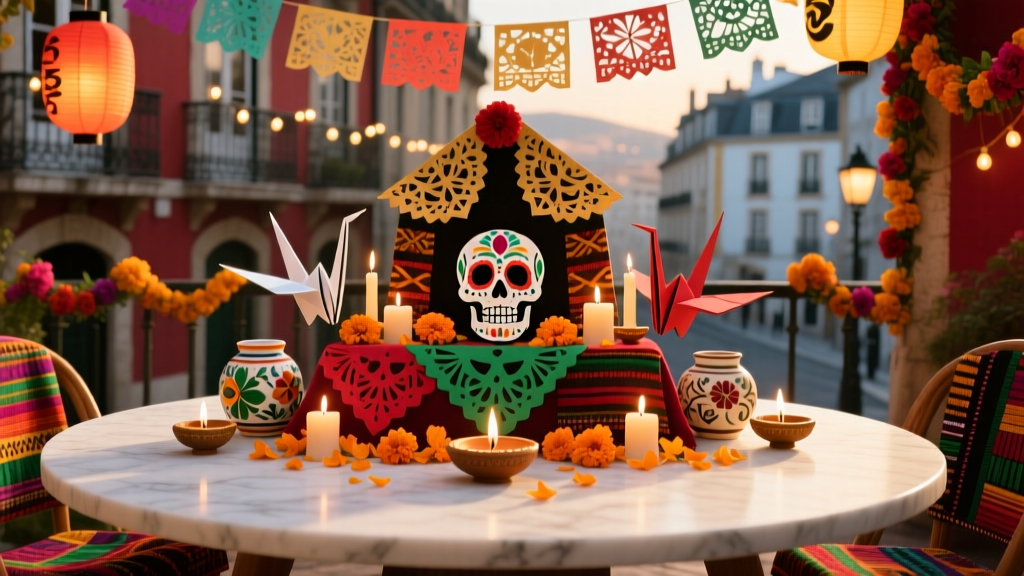
Dia de los Muertos Traditions Around the World
Every year as late October turns into early November, homes, plazas, and party tables bloom with marigolds, candlelight, music, and the sweetest kind of remembrance. Dia de los Muertos (Day of the Dead) is a holiday celebration rooted in love—an annual time to honor those who’ve passed by welcoming their memory into our lives with stories, favorite foods, and beautiful offerings.
While Mexico is the heart of many well-known Day of the Dead traditions, the spirit of the holiday has traveled widely. Today you’ll find family altars in U.S. neighborhoods, community parades in big cities, and cultural events across Latin America and beyond—each place blending traditional customs with modern celebration ideas. This guide shares how Dia de los Muertos is celebrated around the world, plus practical activities, recipes, decorations, and budget-friendly tips to help you plan a meaningful, festive gathering.
Expect a mix of tradition explanations and party planning ideas: how to build an ofrenda (altar), family-friendly crafts, easy seasonal recipes, what to buy (and what to skip), and common holiday planning mistakes that can make your celebration feel stressful or accidentally disrespectful.
What Dia de los Muertos Celebrates (and How It Differs From Halloween)
Dia de los Muertos is not “Mexican Halloween.” While the dates overlap and both can include costumes and sugar, Day of the Dead is centered on honoring ancestors and celebrating the continuity of family. Many families believe the spirit of loved ones returns to visit—so the celebration becomes a joyful welcome: food, music, photos, and special objects that say, “You’re remembered here.”
Key symbols you’ll see (and what they mean)
- Ofrenda (altar): A home altar with photos, candles, flowers, water, food, and meaningful items.
- Cempasúchil (marigolds): Bright orange flowers believed to guide spirits with their color and fragrance.
- Calaveras (skulls): Sugar skulls or decorative skulls that represent the cycle of life, not fear.
- Papel picado: Cut-paper banners symbolizing wind and the fragile beauty of life.
- Pan de muerto: Sweet bread placed on altars and shared at the table.
Dia de los Muertos Traditions in Mexico (The Roots and Regional Magic)
In Mexico, Day of the Dead celebrations vary by region—some are quiet and intimate, others fill streets with music and community gatherings. Many families begin preparations days in advance: cleaning gravesites, cooking favorite dishes, and arranging the ofrenda at home.
Traditional customs you may recognize
- Home altars: Photos of loved ones, candles, marigolds, water, salt, and their favorite foods or drinks.
- Cemetery visits: Families decorate graves, bring music, share food, and spend time together.
- Face paint and La Catrina: Elegant skull makeup inspired by the iconic satirical figure, now a popular modern tradition.
Practical celebration ideas inspired by Mexico
- Memory table: Create a small “story corner” where guests can write a memory on a card and pin it near a photo collage.
- Marigold pathway: Use marigolds (fresh or faux) to line a doorway or mantel as a warm welcome.
- Candlelight moment: Set aside 2 minutes for quiet reflection, then transition into music and food.
Dia de los Muertos Around the World: How Communities Celebrate Today
As families migrate and cultures mix, Day of the Dead traditions have expanded—often through community festivals, school events, museum programming, and neighborhood gatherings. Here are some of the most common global expressions you’ll see.
United States: Community altars, parades, and creative family gatherings
In many U.S. cities, Dia de los Muertos celebrations include public ofrendas, art installations, face painting, and processions. Families may blend traditional elements with modern party planning—like buffet-style dinners, kid-friendly crafts, and themed dessert tables.
- Modern twist: “Ofrenda potluck” where each guest brings a dish or an item representing a loved one.
- Seasonal activity: Host a pumpkin-and-marigold centerpiece workshop (great for fall entertaining).
Guatemala: Kite festivals that lift memories to the sky
In parts of Guatemala, giant colorful kites appear around early November. Families and communities gather to fly them—an expressive way to connect with those who’ve passed and celebrate cultural identity.
- At-home adaptation: Make mini “memory kites” from paper and dowels; write names or messages and hang them indoors as decor.
Bolivia: Ñatitas and offerings for protection
In Bolivia, some communities honor “ñatitas” (skulls) with offerings, flowers, and care. The practice can feel unfamiliar elsewhere, but it reflects a shared theme: remembrance and a relationship with ancestors.
- Respectful home approach: Focus on photos and symbolic skull decor rather than replicas meant to imitate specific rituals.
Spain and Europe: Cultural events, exhibits, and cross-cultural celebrations
Across Europe, you’ll often see Day of the Dead celebrated through cultural festivals, workshops, and museum events—especially in communities with Mexican or Latin American roots. Many celebrations highlight traditional crafts like papel picado and pan de muerto baking classes.
- Planning idea: Host a “craft and cocoa” night with papel picado templates and warm spiced hot chocolate.
Online and modern diaspora: Digital altars and virtual remembrance
Modern celebrations now include digital ofrendas—shared photo albums, video montages, and virtual gatherings for families who can’t be together.
- Practical tip: Set up a shared folder where guests can upload photos and a short memory. Display it on a tablet near your altar.
How to Build a Simple Ofrenda at Home (Meaningful, Not Complicated)
An ofrenda doesn’t need to be expensive or elaborate. The most meaningful altars are personal—built with intention, stories, and favorite flavors.
Easy ofrenda checklist
- Photo(s): Printed pictures of loved ones or ancestors.
- Candles or LED candles: For warm light and atmosphere (LED is best around kids/pets).
- Water: A small glass of water as a welcoming gesture.
- Salt: A pinch in a dish, often used symbolically for purification.
- Flowers: Marigolds, mums, or any seasonal blooms.
- Food offerings: Favorite treats, fruit, or a special family recipe.
- Personal items: A book, sewing notions, a small tool, a musical item—anything that reflects the person.
Quick setup steps (30–45 minutes)
- Choose a stable surface (side table, console, shelf) away from heavy traffic.
- Cover with a cloth or runner (bright colors look especially festive).
- Arrange photos toward the back; add candles/LED lights around them.
- Place water and salt in front, then add flowers and offerings.
- Finish with papel picado or ribbon garlands above the display.
Festive Recipes and Menu Ideas (Traditional + Practical)
Food is one of the most joyful parts of holiday celebrations. Keep your menu approachable: choose one signature bake, one warm drink, and a couple of easy snacks.
Day of the Dead recipe ideas to try
- Pan de muerto: Orange-scented sweet bread, often topped with sugar.
- Hot chocolate (champurrado-style inspiration): Warm cocoa with cinnamon; thicken with masa harina if you’d like a more traditional texture.
- Tamales or tamale casserole: Tamales are traditional but time-intensive; a casserole version is a great budget-friendly shortcut.
- Calabaza en tacha-inspired dessert: Roasted or simmered pumpkin/squash with cinnamon and brown sugar for an easy seasonal sweet.
- Fresh fruit and nuts: Oranges, guava (if available), apples, and toasted pepitas for a simple, colorful snack board.
Simple “pan de muerto” shortcut (baking-friendly, beginner level)
If you’re short on time, use a high-quality sweet dough base (brioche dough from the store or your favorite enriched dough recipe). Add:
- 1–2 teaspoons orange zest
- 1 teaspoon cinnamon
- Butter + sugar topping after baking
Shape a round loaf and add decorative dough strips on top to mimic the classic look.
Kid-friendly party snacks
- Mini cinnamon sugar toast “skulls” using cookie cutters
- Fruit cups with a marigold-colored mango topping
- DIY trail mix bar: pepitas, chocolate chips, dried fruit, cereal
Decoration Ideas: Bright, Warm, and Easy to Set Up
Day of the Dead decor is festive and layered—think color, light, and texture. You don’t need specialty items to create a beautiful look.
Decor essentials for a Dia de los Muertos party table
- Papel picado banners: Hang across a doorway, above a buffet, or as a photo backdrop.
- Marigold accents: Fresh bouquets, faux garlands, or petals in small bowls.
- Skull motifs: Use sparingly—napkins, a centerpiece figure, or a dessert topper.
- Candles/LED candles: Create a warm glow for evening gatherings.
- Color palette: Orange, fuchsia, turquoise, purple, and gold for a classic festive feel.
Budget-friendly decoration swaps
- Use crepe paper flowers instead of fresh florals.
- Print papel picado templates on cardstock and cut them as a family craft.
- Repurpose fall décor: add bright ribbon to neutral pumpkins and use them as table anchors.
- Make a “candle” display with LED tea lights inside colored glass jars.
Family-Friendly Activities (Meaningful, Creative, and Not Too Messy)
The best seasonal activities help kids understand the heart of the holiday: remembering, storytelling, and celebrating life.
Activities for kids and groups
- Memory marigolds: Cut paper marigolds; write one favorite memory on each petal.
- Ofrenda scavenger hunt: Ask kids to find a small item that represents a loved one (a book, a music note, a color) and explain why.
- Calavera art station: Provide skull coloring pages, markers, and metallic pens.
- Story circle: Each person shares a funny or loving story about someone they miss.
Low-prep party plan (2 hours)
- 0:00–0:20 Welcome + hot chocolate bar
- 0:20–0:50 Craft station (papel picado or calavera art)
- 0:50–1:10 Story circle + candle/LED moment
- 1:10–2:00 Meal or dessert buffet + music playlist
Planning on a Budget: Celebrate Beautifully Without Overspending
Smart holiday planning comes down to picking a few high-impact details and keeping the rest simple.
Where to spend vs. where to save
- Spend: A small bundle of fresh flowers, quality candles (or reliable LED), and ingredients for one signature recipe.
- Save: DIY banners, thrifted vases, printed photos, and a potluck-style menu.
Potluck-friendly menu formula
- Host provides: hot drink + dessert centerpiece (pan de muerto or cookies)
- Guests bring: one savory dish, one fruit/snack, or flowers for the altar
Common Dia de los Muertos Planning Mistakes to Avoid
- Mixing it up with a spooky theme: Keep decorations celebratory, not horror-based. Think warm remembrance rather than haunted house.
- Overcomplicating the ofrenda: A simple altar with photos, light, and a favorite food is enough.
- Leaving planning too late: Print photos and gather meaningful items a few days ahead so it feels calm, not rushed.
- Forgetting guest comfort: If you’re using candles, ensure ventilation and safe placement—especially around kids and pets.
- Unintentional cultural appropriation: Celebrate with respect. Learn what symbols mean, avoid stereotypes, and focus on honoring loved ones rather than treating traditions like costumes.
FAQ: Dia de los Muertos Traditions and Celebration Ideas
When is Dia de los Muertos celebrated?
Many people celebrate on November 1 and November 2. Some families begin building altars and decorating in late October, especially if hosting a gathering.
Do I need an ofrenda to celebrate?
No. An ofrenda is a beautiful tradition, but you can celebrate with a memory table, a shared meal, storytelling, or a simple candle/LED light moment of remembrance.
What foods are commonly served?
Popular traditional foods include pan de muerto, tamales, hot chocolate, seasonal fruits, and family recipes that a loved one enjoyed. Many modern celebrations also include potluck dishes and dessert tables.
Can kids participate in Dia de los Muertos activities?
Yes—kids often love crafts like papel picado, calavera art, and flower-making. Keep the focus on memories and love, and use LED candles for safer family-friendly celebrations.
How can I celebrate respectfully if I’m not Mexican?
Start by learning the meaning behind symbols, avoid turning it into a spooky Halloween theme, and center the celebration on remembrance. Attend local cultural events, support artists and small businesses, and share accurate tradition explanations with guests.
What are easy decorations for a last-minute Day of the Dead party?
Hang papel picado (store-bought or DIY), add marigold-colored flowers, set out LED candles, and create a small photo display. A bright tablecloth and a simple dessert centerpiece instantly make it feel festive.
Your Next Steps: Plan a Celebration That Feels Personal
Choose one tradition to anchor your Day of the Dead holiday celebration—an ofrenda, a special recipe, or a story circle—then build around it with bright decorations, seasonal activities, and a warm welcome for guests. Keep it practical: print photos, pick up flowers, plan a simple menu, and let the heart of the holiday do the rest.
For more festive ideas, seasonal recipes, family-friendly activities, and smart celebration planning tips, visit smartpartyprep.com and keep your calendar full of joy all year long.
More Articles
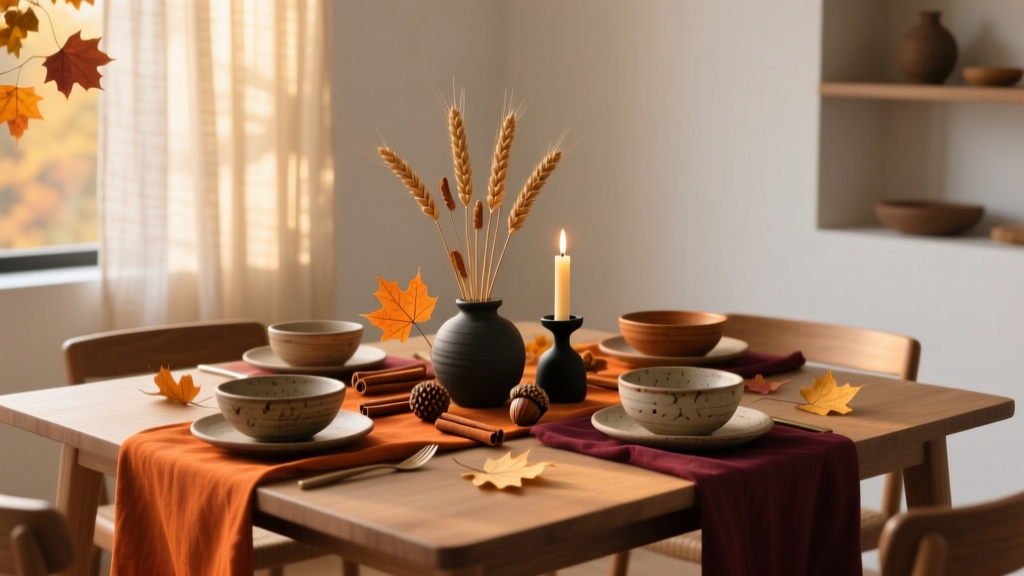 Fall Equinox Table Setting Ideas
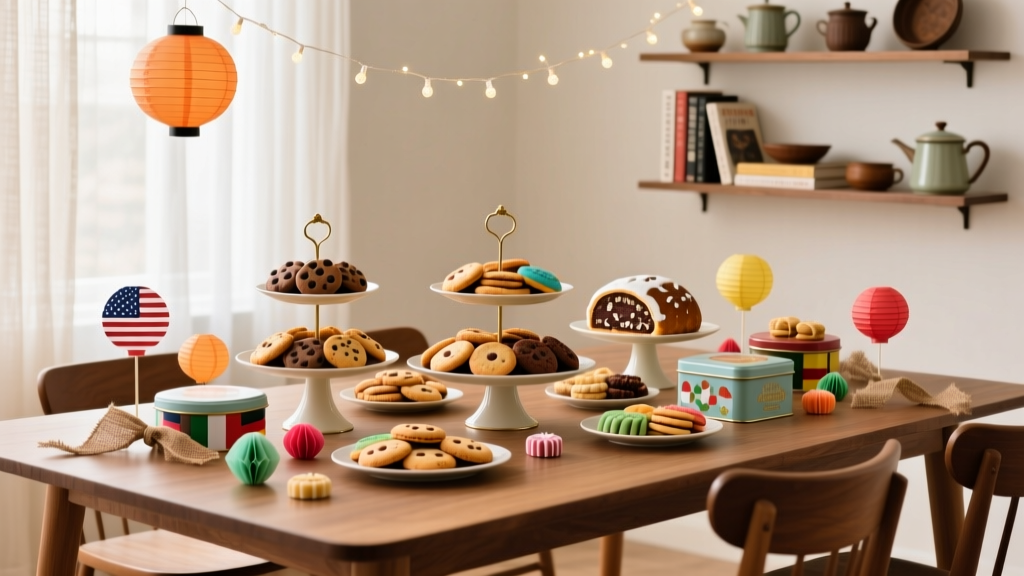 Best National Cookie Day Recipes for a Crowd
 What to Wear to New Year’s Eve Party: The 7-Minute Outfit Formula That Works for Every Venue—No More Last-Minute Panic or Overpacking
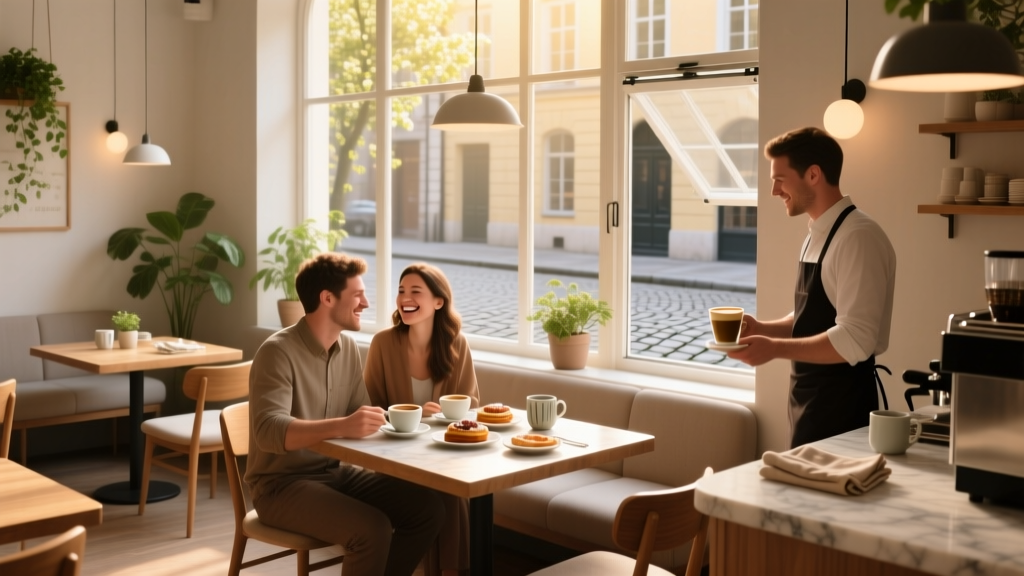 Where to Find the Best Brunch on Ascension Day Morning
 DIY Chinese New Year Crafts
 Budget Travel Tips for Ascension Day Weekend in Western Europe
 Memorial Day Outfit Ideas
 Father's Day Gift Guide for Teens
 Best Summer Solstice Recipes for a Crowd
 How to Make Mother’s Day Memorable