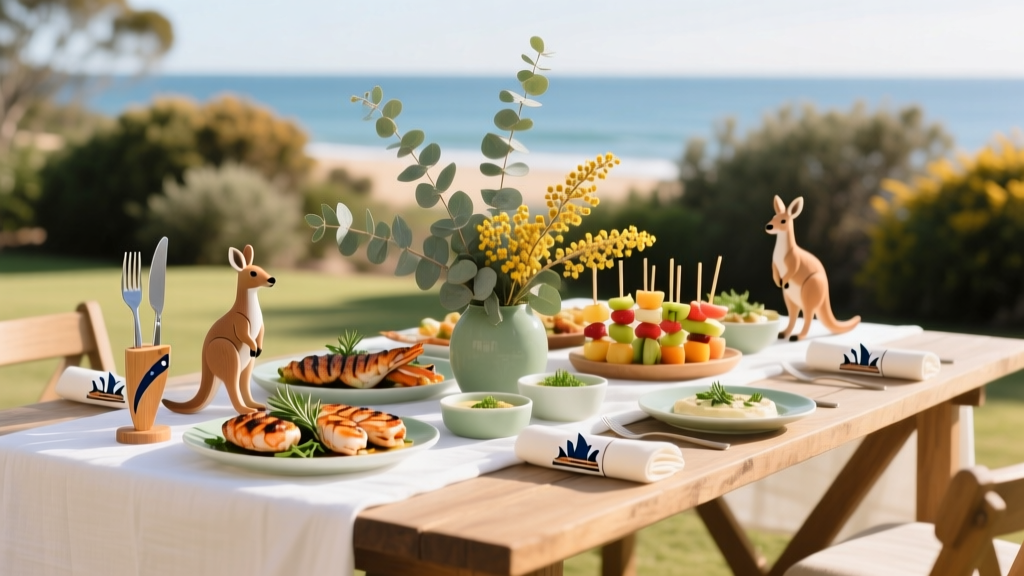
Australia Day Menu Planning Tips
Australia Day is one of those summer celebrations that feels made for sharing food—sunny weather, long afternoons, and the easygoing spirit of getting everyone together. Whether you mark the day with a backyard barbecue, a beach picnic, or a casual gathering at home, the menu is often the heart of it all: it’s where stories get told, traditions get passed on, and new memories are made.
At the same time, Australia Day can mean different things to different people. Many families celebrate with classic Aussie favourites, while others choose a more reflective approach that includes learning, listening, and gathering respectfully. Whatever your plans, a thoughtful menu can help create a welcoming table—one that’s inclusive, practical, and perfect for the height of summer.
This guide shares Australia Day menu planning tips that make hosting feel simple: crowd-pleasing recipe ideas, seasonal shortcuts, budget-friendly swaps, kid-friendly options, decorating touches, and common planning mistakes to avoid. You’ll also find quick traditions to weave into your day—without turning your prep into a full-time job.
Start with the Basics: What Kind of Australia Day Celebration Are You Hosting?
Before choosing recipes, decide how people will eat. Your serving style shapes everything from shopping lists to food safety.
Pick a simple format
- Backyard BBQ party: Best for bigger groups and easy cooking. Think sausages, skewers, salads, and a DIY toppings station.
- Beach or park picnic: Focus on portable foods that taste great cold (wraps, slices, cold chicken, fruit).
- Open-house afternoon: Set out snack boards, dips, and mini desserts people can graze on.
- Family lunch at home: A smaller menu with one main and a few sides keeps it relaxed.
Plan for the weather (because it’s summer)
- Choose dishes that won’t wilt fast (crunchy slaws, pasta salads, roasted veggie salads).
- Keep creamy items chilled and served in smaller batches.
- Have a drinks plan: water jugs, ice, and shade over the beverage table.
Build a Balanced Australia Day Menu (A Simple Formula)
A reliable party menu doesn’t need dozens of dishes. Use this easy structure and scale it up or down depending on your guest list.
- One hero main: BBQ meat, seafood, or a vegetarian centerpiece.
- Two to three sides: One fresh and crunchy, one hearty, one “fun” side (like corn or potato salad).
- Two snack options: Something dip-based and something grab-and-go.
- One to two desserts: A classic favourite plus a lighter fruit option.
- Signature drink: A themed punch, mocktail, or chilled iced tea.
This approach keeps costs steady, prep manageable, and the table looking abundant.
Australia Day Recipe Ideas: Modern Favourites and Classic Comforts
Australia Day food is often casual and outdoorsy, with a strong BBQ vibe. Here are menu ideas that nod to tradition while keeping things fresh and crowd-friendly.
BBQ mains that please a crowd
- Classic sausage sizzle: Sausages in soft bread rolls with caramelised onions, tomato sauce, and mustard. Add grilled capsicum for colour.
- Chicken skewers: Marinate in lemon, garlic, and herbs. Serve with yoghurt sauce and chopped cucumber.
- Prawn platter: A summer favourite—serve with lemon wedges and cocktail sauce. Great for an “easy elegance” upgrade.
- Veggie burgers or grilled halloumi: Offer a vegetarian main that feels festive, not like an afterthought.
Go-to sides for hot weather
- Crunchy slaw: Cabbage, carrot, apple, and a light vinaigrette. Holds up better than leafy salads.
- Aussie-style potato salad: Keep it simple with potatoes, eggs, spring onion, and a tangy dressing.
- Corn on the cob: Grill and serve with butter, lime, and a sprinkle of seasoning.
- Watermelon, feta & mint salad: Bright, quick, and perfect alongside BBQ mains.
Snacks and starters for grazing
- Chips + trio of dips: Hummus, tzatziki, and a roasted capsicum dip.
- Cheese and fruit board: Add grapes, berries, crackers, and a small jar of chutney.
- Mini meat pies or sausage rolls: Serve warm if you can, but they’re still popular at room temperature.
- Veg sticks for kids: Carrot, cucumber, and capsicum with a mild dip.
Desserts with an Aussie feel
- Pavlova bar: Make one big pav or mini nests and set out toppings: whipped cream, passionfruit, berries, kiwi, and toasted coconut.
- Lamington bites: Make or buy and serve as finger food. Great for picnics.
- Ice cream sandwiches: Practical for summer—keep them in an esky/cooler and hand out as needed.
- Fruit platter: Add mango, pineapple, and watermelon for a fresh, budget-friendly finish.
A Simple Sample Australia Day Menu (Mix-and-Match)
If you want a ready-to-go plan, here’s a balanced menu that works for most gatherings.
- Main: Sausage sizzle + chicken skewers
- Vegetarian option: Grilled halloumi and veggie skewers
- Sides: Crunchy slaw, potato salad, watermelon-feta salad
- Snacks: Chips with dips, cheese and fruit board
- Dessert: Pavlova bar + fruit platter
- Drinks: Sparkling water with citrus, homemade iced tea, a simple punch (with optional alcohol added separately)
Decorations and Table Styling: Easy Australia Day Party Ideas
Australia Day decorations don’t need to be complicated. Focus on colour, comfort, and a summery atmosphere.
Simple styling that looks festive fast
- Colour palette: Blue, white, and red accents, mixed with natural textures (timber boards, woven trays, greenery).
- Table setup: Use a big tablecloth or picnic rug as your “base,” then add serving boards and bowls in varied heights.
- Outdoor comfort: Set out sunscreen, bug spray, and a basket of hand wipes—guests will thank you.
- Lighting: If you’re hosting into the evening, string lights or lanterns make everything feel warm and celebratory.
DIY decoration ideas on a budget
- Make a paper bunting using coloured cardstock and twine.
- Create mini flag food picks for sliders, fruit, or lamingtons.
- Use native greenery (ethically sourced) or simple eucalyptus stems as a table centerpiece.
Traditions to Include (Modern Celebrations and Classic Customs)
Australia Day is often marked with community events, outdoor gatherings, and a strong “summer holiday” feel. If you’d like to add meaning beyond the menu, try a few simple traditions that fit your group.
- Watch local events: Fireworks (where available), a community concert, or a local parade.
- Backyard games: Cricket, lawn bowls, water balloon toss, or a scavenger hunt for kids.
- Share a story moment: Invite guests to share a favourite summer memory, family recipe, or what “home” means to them.
- Learn and reflect: Take time to read about the history of the day, listen to First Nations voices, and choose a respectful approach that suits your family and community.
Family-Friendly Adaptations (So Everyone Eats Well)
When kids are part of the celebration, the best menu is one that’s flexible, familiar, and not too messy.
Make the menu kid-proof
- Offer deconstructed options: plain sausages, bread rolls, sliced veggies, and simple sauces.
- Keep at least one mild protein (plain chicken skewers or mini patties).
- Choose finger foods over complicated plates—mini pies, fruit skewers, and cheese cubes are easy wins.
Add a kids’ activity corner
- Sidewalk chalk and bubbles
- A simple craft: paper crowns, painted flags, or “design your own picnic cup” with stickers
- A cooler of water toys for backyard play
Budget-Friendly Australia Day Menu Planning Tips
A festive Australia Day spread can be affordable with a few smart choices. The trick is to focus on filling sides and seasonal produce.
Save money without looking like you did
- Choose one premium item (like prawns) and balance it with budget mains (sausages, chicken).
- Use seasonal fruit to make dessert feel abundant: watermelon, pineapple, and berries go a long way.
- Go big on salads: slaws, pasta salads, and potato salads stretch your menu and satisfy hungry guests.
- Do a toppings bar: sauces and add-ons make simple foods feel special.
Ask guests to bring one item (without chaos)
If you want help, assign categories instead of leaving it open-ended:
- “Can you bring a salad that doesn’t need reheating?”
- “Could you bring a dessert that��s easy to serve?”
- “Would you mind bringing ice or sparkling water?”
Food Safety for Summer Celebrations (Quick Checklist)
Hot weather is wonderful for a holiday celebration—less wonderful for mayonnaise and seafood. Keep it safe with a few easy habits.
- Use an esky/cooler and rotate chilled foods in small batches.
- Keep raw and cooked items separate (different trays and utensils).
- Put sauces and creamy salads on ice trays if they’ll sit out.
- Serve desserts like pavlova and cream closer to eating time.
- Label anything with common allergens (nuts, dairy, gluten) if you’re hosting a mixed group.
Common Australia Day Planning Mistakes to Avoid
A little planning prevents the most common party headaches. Here’s what tends to trip hosts up—and how to sidestep it.
- Trying to cook everything at the same time: Prep salads and desserts earlier; keep BBQ items simple and stagger the grilling.
- Not enough shade or seating: Even a few picnic rugs and fold-out chairs make the day more comfortable.
- Forgetting the “boring essentials”: Ice, napkins, rubbish bags, serving tongs, and hand wipes disappear fast.
- Serving only one style of food: Add a vegetarian option and a kid-friendly option so everyone feels included.
- Overcomplicating dessert: A pavlova bar or fruit platter looks impressive with minimal effort.
- No plan for leftovers: Set out containers or have zip bags ready so food doesn’t go to waste.
FAQ: Australia Day Menu Planning
What are popular Australia Day foods?
Classic Australia Day foods often include BBQ sausages, burgers, meat pies, seafood like prawns, fresh salads, and iconic desserts such as pavlova and lamingtons. Many hosts also add modern twists like grazing boards, fresh slaws, and tropical fruit platters.
How do I plan an Australia Day menu for a large group?
Stick to one or two mains (like sausages and chicken skewers), several make-ahead sides (slaw, potato salad), and one easy dessert (pavlova bar). Choose foods that scale well, and set up a self-serve toppings station to keep the line moving.
What are good vegetarian options for an Australia Day BBQ?
Grilled halloumi, veggie skewers, veggie burgers, corn on the cob, hearty salads, and dips with pita or crackers are all strong choices. Aim for at least one vegetarian “main” so guests don’t have to build a meal from side dishes alone.
How can I keep food cold at an outdoor Australia Day party?
Use an esky/cooler, serve chilled dishes in smaller bowls, and replenish from the fridge as needed. Place creamy salads and sauces on trays of ice, and keep desserts with cream refrigerated until close to serving time.
What’s a simple Australia Day dessert that looks impressive?
A pavlova bar is a crowd-pleaser with big visual impact: set out pavlova, whipped cream, passionfruit, berries, and sliced kiwi so guests can build their own. A colourful fruit platter alongside it adds a fresh summer feel.
Your Next Steps: A Stress-Free Australia Day Plan
To make your Australia Day celebration feel easy and festive, start with your serving style (BBQ, picnic, or open house), choose one hero main, and build around it with make-ahead sides and a simple summer dessert. Add a few thoughtful touches—cold drinks, shade, and a quick game or tradition—and you’ll have a holiday gathering that feels warm, welcoming, and full of that classic summer spirit.
Ready to map out your shopping list and party setup? Explore more holiday celebration ideas, seasonal activities, and festive menu inspiration on smartpartyprep.com.
More Articles
 New Year’s Eve Self-Care Tips
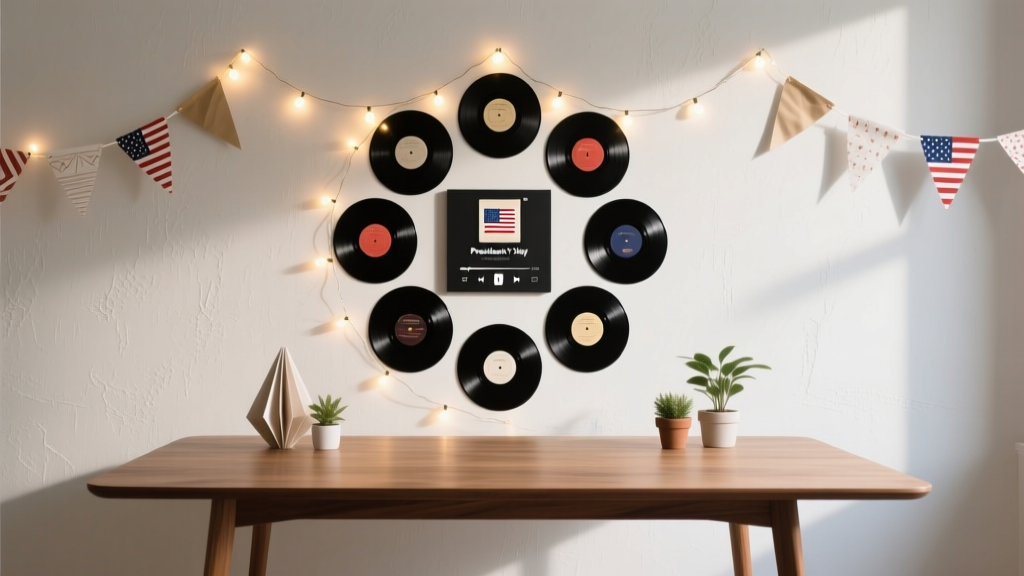 Presidents' Day Playlist Ideas
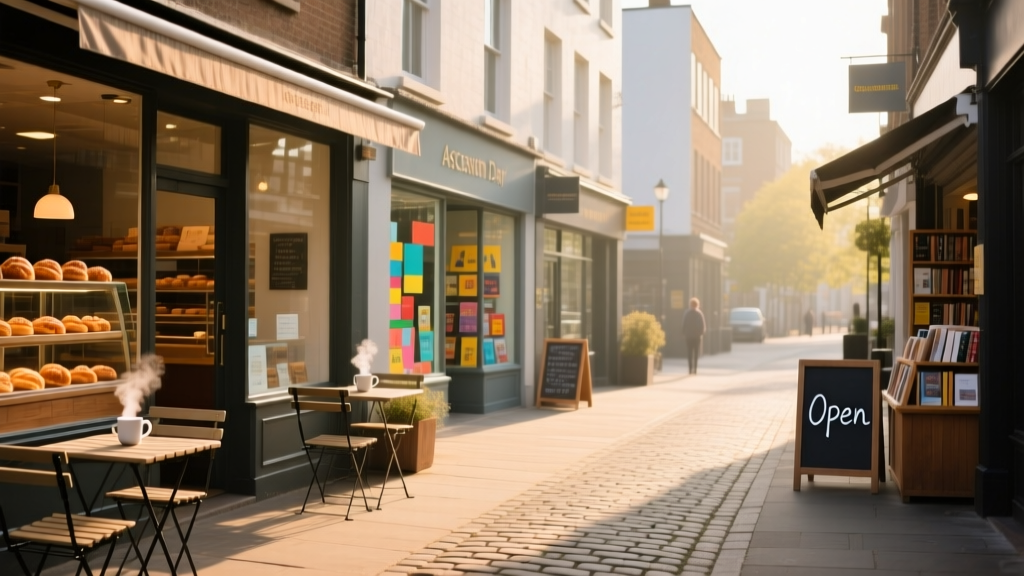 What Shops Are Open on Ascension Day? A Traveler's Practical Guide
 What Should I Wear for Christmas Party? 7 Stress-Free Outfit Rules (Backed by Stylists & 2024 Trend Data) That Actually Work — No More Last-Minute Panic or Overthinking
 What Should I Wear for a Christmas Party? 7 Stress-Free Outfit Rules (Backed by Stylists + Real Guest Data) That Prevent Last-Minute Panic & Awkward Over- or Under-Dressing
 Where to Stream Mad Monster Party in 2024: The Only Up-to-Date, Legally Verified Guide (No More Dead Links or Paywalls)
 How to Make New Year’s Eve Memorable
 DIY Presidents' Day Crafts
 How to Celebrate Valentine’s Day on a Budget
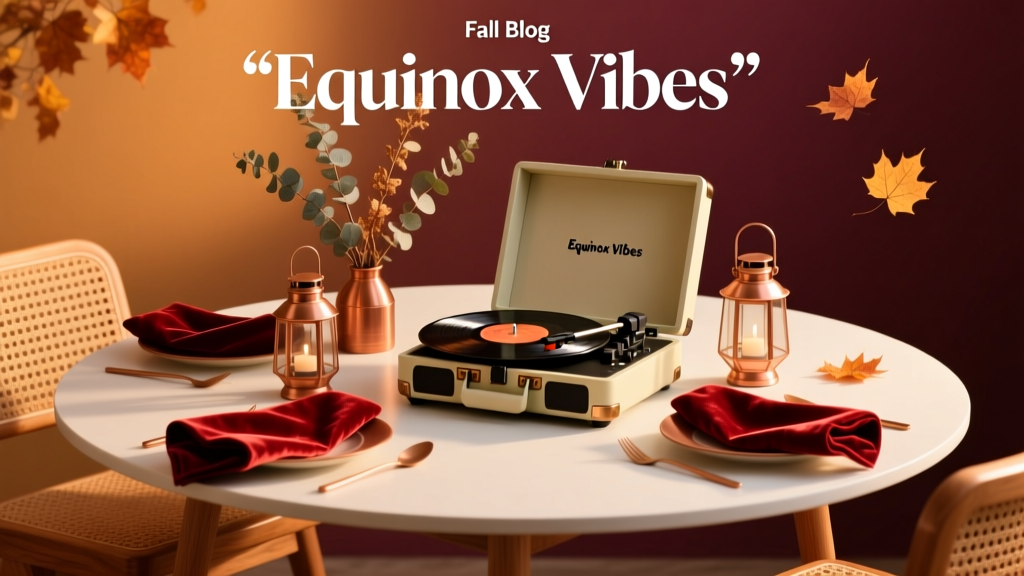 Fall Equinox Playlist Ideas