Who Was President When the Two-Party System Emerged? The Surprising Truth Behind America’s First Political Divide—and Why It Didn’t Happen Under Washington or Jefferson
Why This Moment Still Shapes Every Election You Vote In
Who was president when the two-party system emerged? That question cuts deeper than trivia—it’s the key to understanding why American politics feels so polarized today, why third parties struggle, and why campaign strategies haven’t changed much since the 1820s. Most assume George Washington presided over the birth of parties—or that Thomas Jefferson founded the Democratic-Republicans as a formal opposition. But the truth is far more dramatic: the two-party system didn’t crystallize under a single leader’s vision. It erupted in chaos during John Quincy Adams’ presidency (1825–1829), fueled by betrayal, newspaper wars, and a contested election so divisive it shattered the ‘Era of Good Feelings’ overnight.
This wasn’t a tidy policy rollout. It was a political earthquake—one that gave us the Democratic Party (founded in 1828) and its rival, the National Republican Party (later Whigs), setting the template for every presidential contest since. And yet, most textbooks still misattribute this shift to earlier administrations. Let’s correct that—and show you exactly how, why, and with what consequences this system took root.
The Myth of Washington’s Nonpartisan Utopia
George Washington famously warned against ‘the baneful effects of the spirit of party’ in his 1796 Farewell Address. But here’s what’s rarely taught: he governed amid fully formed factions—the Federalists (led by Alexander Hamilton) and the Democratic-Republicans (led by Jefferson and Madison). By 1792, both groups were coordinating congressional votes, funding newspapers (The Gazette of the United States vs. The National Gazette), and campaigning for state legislatures to influence Electoral College outcomes. Washington wasn’t above parties—he was caught between them.
His administration saw the first partisan cabinet split: Jefferson resigned as Secretary of State in 1793 after clashing with Hamilton over foreign policy (pro-British vs. pro-French) and banking. The 1796 election—America’s first contested presidential race—featured Federalist John Adams vs. Democratic-Republican Thomas Jefferson. They ran *against* each other, not just *for* office. Yet this wasn’t yet a ‘system.’ Parties lacked national organizations, consistent platforms, or standardized nominating processes. They were loose coalitions—more like parliamentary blocs than modern parties.
Jefferson to Monroe: The Illusion of Unity
Thomas Jefferson’s 1800 victory—often called the ‘Revolution of 1800’—did cement Democratic-Republican dominance. But it also masked deep fractures. His two terms (1801–1809) and James Madison’s (1809–1817) saw intra-party splits over the War of 1812, tariffs, and the Second Bank of the United States. The Hartford Convention (1814–1815), where New England Federalists threatened secession, exposed how fragile unity really was.
James Monroe’s presidency (1817–1825) ushered in the self-proclaimed ‘Era of Good Feelings’—but historians now recognize this as a myth sustained by Federalist collapse, not harmony. With no serious opposition, Monroe ran unopposed in 1820… yet 1 of 232 electors cast a vote for John Quincy Adams anyway. More tellingly, Democratic-Republicans splintered into at least four regional factions by 1824: Crawford loyalists (South), Clay supporters (West), Adams backers (Northeast), and Jackson’s military populists (frontier & South). When no candidate secured a majority in the Electoral College, the House of Representatives chose Adams—a decision Jackson’s camp branded a ‘corrupt bargain’ with Henry Clay. That moment didn’t just anger voters—it ignited institutional response.
The Real Birth: 1825–1828 and the Jacksonian Revolution
Who was president when the two-party system emerged? The definitive answer is John Quincy Adams—not as its architect, but as its catalyst. His presidency (1825–1829) was the pressure cooker in which modern parties were forged. While Adams pursued visionary infrastructure and education policies, his administration became synonymous with elite detachment. Meanwhile, Andrew Jackson’s team—led by Martin Van Buren, Amos Kendall, and William Berkeley Lewis—built something unprecedented: a national party apparatus.
They launched The United States Telegraph (1826), a pro-Jackson daily in D.C., coordinated state-level ‘Jackson Clubs,’ standardized campaign slogans (“Jack-son and Reform!”), held the first national party convention precursor (the 1831 Anti-Masonic Convention, soon adopted by Democrats), and pioneered voter mobilization through barbecues, parades, and mass rallies. Crucially, they rebranded ‘Democratic-Republican’ as simply ‘Democrat’—a name formally adopted at the 1828 Baltimore convention. Their opponents coalesced as ‘National Republicans,’ led by Adams and Clay, advocating federal investment and moral reform. By 1828, voters weren’t choosing individuals—they were selecting teams with distinct philosophies, symbols (coonskin caps vs. silk top hats), and grassroots networks.
This wasn’t theoretical. In Pennsylvania, Jacksonians used county conventions to replace local officeholders; in Tennessee, they built a patronage system that rewarded loyalty with postmaster appointments. The 1828 election saw turnout surge from 26% to 57% of eligible voters—the first true mass-participation election. That’s when the two-party system became operational, structural, and self-sustaining.
How the System Took Root: A Data Snapshot
The table below compares key institutional markers before and after the 1824–1828 realignment. Note the sharp inflection point in party infrastructure—not ideology, which evolved gradually, but organization, branding, and voter engagement.
| Metric | Pre-1824 (Washington–Monroe) | 1825–1828 (Adams–Jackson Transition) | Post-1828 (System Established) |
|---|---|---|---|
| National Party Newspaper Network | Fewer than 5 coordinated papers; mostly local or elite-focused | 12+ Jackson-aligned dailies; 8 National Republican organs; first use of syndicated editorials | 30+ Democratic papers; 20+ Whig/anti-Jackson papers; standardized ‘platform planks’ published nationwide |
| Formal Nominating Mechanism | Congressional caucuses (discredited after 1824) | State conventions emerge (e.g., NY, PA, TN); first ‘presidential ticket’ branding | National conventions begin (1831 Anti-Masonic; 1832 Democratic); party platforms codified |
| Voter Mobilization Tools | Letters, pamphlets, tavern speeches | Mass rallies (10,000+ attendees), campaign songs, branded merchandise (‘Old Hickory’ canes) | Permanent local committees; voter registration drives; early ‘get-out-the-vote’ field staff |
| Party Discipline in Congress | Loose voting blocs; frequent cross-faction alliances | Emergence of whip systems; 72% of Jackson supporters voted together on key bills (1826–1827) | 91% party-line voting on major legislation by 1834; formal committee assignments tied to loyalty |
Frequently Asked Questions
Was George Washington president when the two-party system emerged?
No. While factions existed during Washington’s presidency (Federalists vs. Democratic-Republicans), they lacked national organization, consistent branding, or institutional permanence. The two-party system as a functional, durable structure—with competing parties running candidates across states, maintaining voter bases, and controlling legislative agendas—did not exist until the 1824–1828 period.
Did Thomas Jefferson create the first political party?
Jefferson and Madison organized the Democratic-Republican coalition in the 1790s, making it the first sustained opposition group. But it operated without formal membership, dues, or centralized leadership—and dissolved into competing factions after 1816. Jefferson helped plant the seed, but the two-party system required the organizational innovations of Van Buren and the Jacksonians to take root.
Why is John Quincy Adams credited if he opposed partisanship?
Adams didn’t intend to create parties—he embodied the old ideal of nonpartisan governance. But his contested 1825 election, perceived as illegitimate by Jackson’s supporters, triggered an unprecedented backlash. His administration became the foil against which the Democratic Party defined itself: ‘the people vs. the elite.’ His presidency was the necessary antagonist in the system’s origin story.
What role did the media play in the emergence of the two-party system?
Newspapers were the central nervous system. Before 1824, most papers were local and ideologically inconsistent. Between 1825–1828, Jacksonians funded over a dozen partisan dailies that reprinted coordinated editorials, attacked opponents with personal vitriol, and reported election results as team victories—not individual wins. This created shared narratives, reinforced group identity, and turned local contests into national dramas.
How did slavery factor into the two-party system’s emergence?
Slavery wasn’t the initial driver—but it quickly became a fault line. The Democratic Party unified Southern planters and Northern workers around states’ rights and expansion; National Republicans attracted anti-slavery evangelicals and industrialists favoring federal authority. By the 1840s, the Missouri Compromise debates exposed how the new party structure amplified sectional tensions—setting the stage for the Whig collapse and Republican rise in the 1850s.
Common Myths
- Myth #1: The two-party system emerged because the Founders designed it. Reality: The Constitution makes no mention of parties—and most Framers feared them. Parties arose organically from governing conflicts, not constitutional blueprint.
- Myth #2: It began with the Federalist and Democratic-Republican split in the 1790s. Reality: Those were factions, not parties. They lacked permanent structures, mass appeal, or electoral discipline. The system only became self-replicating after 1828.
Related Topics (Internal Link Suggestions)
- How the Electoral College Shaped Early Party Development — suggested anchor text: "how the Electoral College shaped early party development"
- Van Buren’s Role in Building the First Modern Political Machine — suggested anchor text: "Martin Van Buren's political machine"
- Why Third Parties Fail in the U.S. Electoral System — suggested anchor text: "why third parties fail in the U.S."
- The Hartford Convention and the Collapse of the Federalist Party — suggested anchor text: "Hartford Convention impact"
- Presidential Campaign Innovations of the 1828 Election — suggested anchor text: "1828 campaign innovations"
Your Next Step: Go Beyond the Textbook
Now that you know who was president when the two-party system emerged—and why John Quincy Adams’ fraught term was the unlikely crucible—you’re equipped to see today’s polarization not as a breakdown, but as an evolution of a 200-year-old system. Don’t stop at names and dates. Dig into primary sources: read Jackson’s 1828 campaign circulars, compare Adams’ annual messages to Congress with Van Buren’s letters to state chairs, or map where pro-Jackson newspapers launched between 1826–1828. Understanding the origins helps us reimagine what’s possible. So download our free Early Party Formation Source Kit—a curated archive of speeches, editorials, and convention minutes—and host a classroom debate: ‘Was the two-party system inevitable—or a choice?’ Your students (or your own curiosity) will thank you.
More Articles
 What party was Franklin D Roosevelt? The Surprising Truth Behind His Political Evolution — And Why Modern Voters Keep Misreading His Legacy
 Can one lawyer represent both parties in a divorce? The truth about 'joint representation'—why it’s almost always prohibited, when (rarely) it might work, and what safer, smarter alternatives actually save you time, money, and emotional fallout.
What political party does Ace Hardware support? The truth about corporate neutrality, PAC donations, and why your local hardware store stays strictly nonpartisan — plus how to verify any retailer’s political stance yourself in under 90 seconds.
Can one lawyer represent both parties in a divorce? The truth about 'joint representation'—why it’s almost always prohibited, when (rarely) it might work, and what safer, smarter alternatives actually save you time, money, and emotional fallout.
What political party does Ace Hardware support? The truth about corporate neutrality, PAC donations, and why your local hardware store stays strictly nonpartisan — plus how to verify any retailer’s political stance yourself in under 90 seconds.
 What to Wear on a Bachelorette Party: The Stress-Free 5-Minute Outfit Formula (No More Last-Minute Panic, Matching Mishaps, or ‘Is This Too Much?’ Doubts)
What to Wear to a Bonfire Party: The 7-Second Outfit Formula (No Overheating, No Chills, No Awkward Moments—Guaranteed)
How to Start a Listen Party on Spotify in 2024: The Only Step-by-Step Guide That Actually Works (No Premium Required for Guests & Zero App Confusion)
What to Wear on a Bachelorette Party: The Stress-Free 5-Minute Outfit Formula (No More Last-Minute Panic, Matching Mishaps, or ‘Is This Too Much?’ Doubts)
What to Wear to a Bonfire Party: The 7-Second Outfit Formula (No Overheating, No Chills, No Awkward Moments—Guaranteed)
How to Start a Listen Party on Spotify in 2024: The Only Step-by-Step Guide That Actually Works (No Premium Required for Guests & Zero App Confusion)
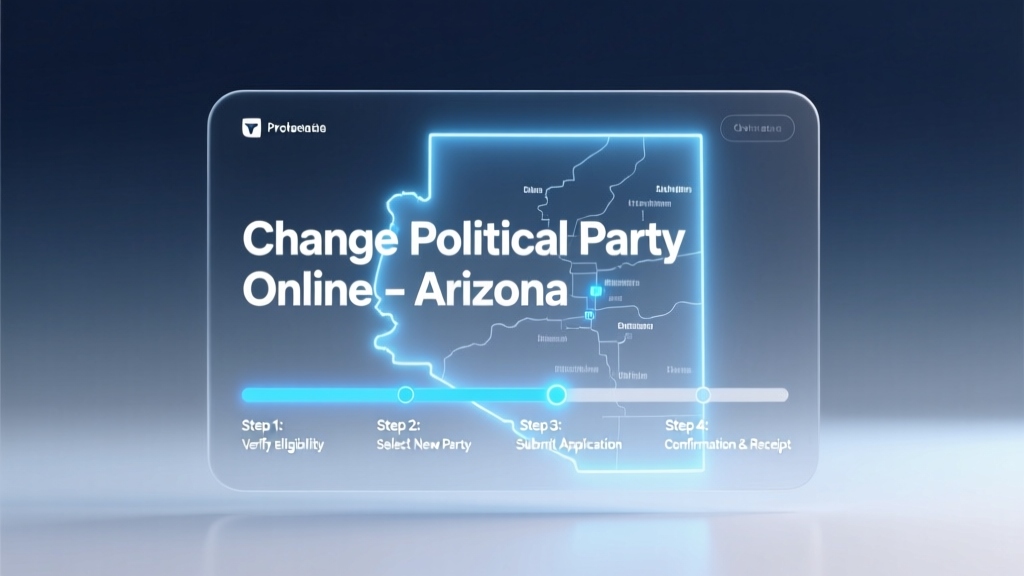 How to Change Political Party Online Arizona: The 4-Step Digital Process (No Mail, No Wait, No Mistakes — Updated for 2024 Primary Deadlines)
What Are Christmas Parties Like? A Realistic, Stress-Free Blueprint for First-Time Hosts (No Over-Decorating, No Awkward Small Talk, Just Joy)
What to Wear to a Pool Party Male: 7 Stylish, Sweat-Proof, and Sun-Safe Outfits (No More Last-Minute Panic or Looking Like You Forgot the 'Party' Part)
How to Change Political Party Online Arizona: The 4-Step Digital Process (No Mail, No Wait, No Mistakes — Updated for 2024 Primary Deadlines)
What Are Christmas Parties Like? A Realistic, Stress-Free Blueprint for First-Time Hosts (No Over-Decorating, No Awkward Small Talk, Just Joy)
What to Wear to a Pool Party Male: 7 Stylish, Sweat-Proof, and Sun-Safe Outfits (No More Last-Minute Panic or Looking Like You Forgot the 'Party' Part)