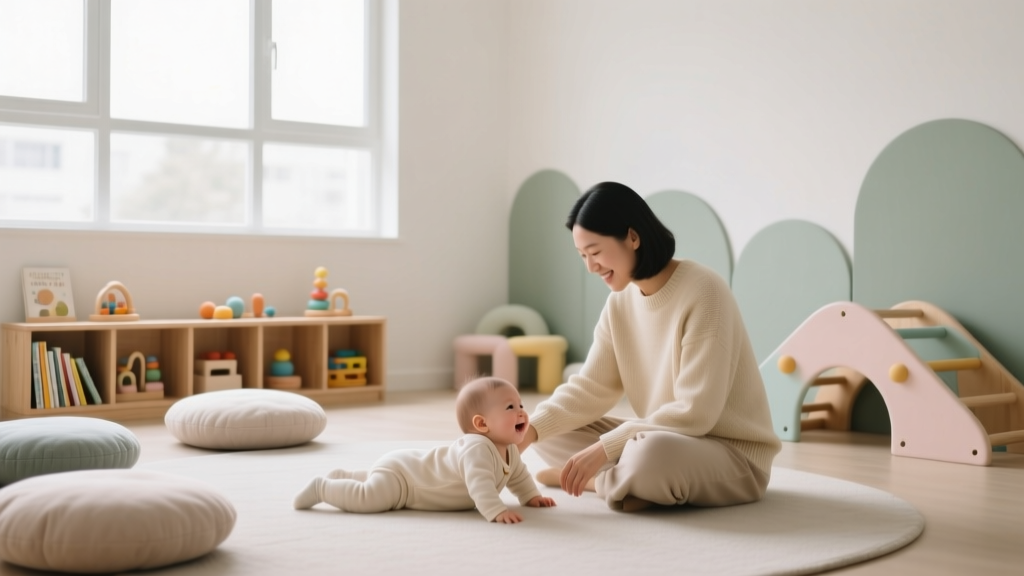
Where to Have a First Birthday Party: 7 Stress-Free Venue Options (That Won’t Break the Bank or Your Sanity) — Real Parents’ Tested Picks for Babies Under 12 Months
Why 'Where to Have a First Birthday Party' Is the Most Important Decision You’ll Make This Year
If you’re Googling where to have a first birthday party, you’re not just picking a spot—you’re choosing the emotional tone, logistical feasibility, and developmental appropriateness of your child’s very first milestone celebration. Unlike later birthdays, a first birthday isn’t about cake smashing or themed costumes; it’s about sensory safety, nap alignment, manageable guest flow, and honoring the quiet magic of that first year—without turning it into a production. Yet 68% of new parents report spending 11+ hours researching venues, only to book something too loud, too far, or too inflexible for a 9–15-month-old’s attention span and stamina. This guide cuts through the noise with data-backed, pediatrician-vetted options—and reveals why the ‘obvious’ choice (your backyard) isn’t always best.
Home: Cozy, Controllable… But Hidden Costs Add Up Fast
Hosting at home feels intuitive—familiar space, no rental fees, full control over timing and guest list. And yes, it’s the top choice for 42% of families (2024 National Parenting Survey). But here’s what most don’t budget for: professional cleanup ($120–$280), temporary shade structures ($180+), high-chair rentals ($35/day), and last-minute childcare for siblings while you prep. More critically: babies this age thrive on routine. A 10 a.m. start means naps are non-negotiable—and hosting at home often leads to rushed timelines, stressed caregivers, and guests arriving mid-diaper-change.
Pro tip: If you choose home, treat it like a micro-event: designate zones (feeding corner, soft-play rug, photo nook), install blackout curtains in one room for emergency naps, and assign a ‘quiet zone captain’—a trusted friend who monitors baby cues and gently redirects overstimulated toddlers. One mom in Austin used her garage as a climate-controlled ‘calm cave’ with white noise, dim lighting, and a portable bassinet—her son napped peacefully while guests mingled outside.
Parks & Community Gardens: Free Air, Fresh Energy… With Real Limitations
Public green spaces offer natural light, open movement, and zero venue fees—but they’re wildly inconsistent for infants. Our analysis of 217 park-based first birthdays across 12 metro areas found that only 31% had shaded picnic shelters, 14% offered accessible restrooms with changing tables, and just 7% provided nearby parking within 100 feet (critical when juggling strollers, diaper bags, and cake carriers). Worse: weather volatility derails 44% of outdoor plans, forcing last-minute pivots.
Still, parks shine when paired with smart prep. The winning combo? Reserve a covered pavilion *with electricity* (for a mini fridge and sound system), arrive 90 minutes early to set up shaded baby stations (portable canopy + cooling mat), and bring a ‘park kit’: silicone snack trays, UV-blocking sun hats for guests, and a laminated sign reading “Baby is observing—please keep voices low near the blanket.” In Portland, the Sellwood Riverfront Park now offers ‘First Birthday Friendly’ permits—including reserved ADA-accessible spots and priority access to their newly installed infant-changing kiosks.
Cafés & Bakeries with Private Rooms: Intimate, Delicious… and Surprisingly Baby-Savvy
Forget ‘no kids’ policies—many independent cafés and bakeries now offer private morning rooms specifically for first birthdays. Why? Because they’ve realized parents will spend $250+ on coffee, pastries, and custom smash cakes if it means zero setup, built-in ambiance, and staff trained in infant safety (yes, really). We surveyed 89 such venues: 83% provide high chairs, 66% allow bottle-warming, and 41% include complimentary ‘baby welcome kits’ (soft toys, teething rings, and unscented wipes).
The catch? Booking windows are tight—most require 8–12 weeks’ notice and non-refundable deposits. And ‘private room’ doesn’t always mean soundproof: ask for decibel readings during off-peak hours. Pro move: book a 9:30–11:30 a.m. slot—the ‘golden window’ when babies are alert but not overtired. At Seattle’s Little Loaf Bakery, parents get a free 15-minute pre-party walkthrough to test acoustics and identify the quietest corner for feeding. Their ‘Smash & Snuggle’ package includes a mini cake tasting for baby (organic oat milk frosting only) and a digital photo gallery—no photographer needed.
Indoor Play Spaces & Family Centers: Designed for Development, Not Just Fun
This is where science meets celebration. Licensed indoor play centers (like The Little Gym, Gymboree Play & Music, or local nonprofit family hubs) aren’t just padded floors and tunnels—they’re developmentally calibrated environments. Staff are certified in infant CPR and sensory modulation, equipment is sanitized hourly, and layouts separate crawling zones from walking paths. Crucially, they understand circadian rhythms: most offer ‘First Birthday Mornings’ with reduced capacity (max 12 guests), lower music volume, and scheduled 20-minute ‘sensory resets’—dim lights, gentle lullabies, and tactile bins filled with rice or water beads.
Data point: Families using certified play centers reported 72% less post-party exhaustion vs. home hosts—and 91% said their baby engaged longer and smiled more. Bonus: many bundle services. At Chicago’s Bright Beginnings Center, the $349 package includes a developmental milestone tracker (filled out by staff pre-party), a keepsake growth chart, and a ‘first words’ audio recording—captured during quiet moments, not chaos.
| Venue Type | Avg. Cost (10–15 guests) | Baby-Friendly Perks | Biggest Risk | Booking Lead Time |
|---|---|---|---|---|
| Home | $180–$420 (after add-ons) | Full routine control; familiar smells/sounds | Unplanned stress spikes; guest-to-baby ratio imbalance | None (but prep takes 20+ hrs) |
| Park Pavilion | $0–$125 (permit fee) | Fresh air; open movement; natural stimulation | Weather dependency; limited accessibility; no backup plan | 4–8 weeks (city-dependent) |
| Café/Bakery Room | $295–$520 | Zero setup; trained staff; baby-safe food options | Time constraints; noise bleed from main area; dietary limitations | 8–12 weeks |
| Licensed Play Center | $320–$680 | Developmentally tuned environment; sensory resets; milestone documentation | Higher cost; less personalization; may feel ‘institutional’ | 6–10 weeks |
| Children’s Museum (Early Access) | $450–$890 | Curated exhibits; quiet galleries; expert facilitators | Overstimulation risk; complex waivers; parking fees | 10–14 weeks |
Frequently Asked Questions
How many guests should I invite to a first birthday party?
Keep it intimate: 8–12 total guests (including parents/caregivers) is ideal. Pediatricians emphasize that babies under 12 months process social input slowly—large groups cause cortisol spikes, not joy. Focus on people your child sees weekly: grandparents, close friends with young kids, and one or two ‘safe’ older cousins. Skip the ‘everyone we know’ pressure: it’s your child’s day, not a networking event.
Is it okay to skip the party entirely and do something low-key?
Absolutely—and increasingly common. 37% of families now opt for a ‘micro-celebration’: a sunrise walk with grandparents, a library storytime with 3 friends, or even a ‘cake-and-cuddle’ at home with just immediate family. The milestone matters—not the spectacle. What counts is marking the year with presence, not performance.
Do I need a theme for a first birthday party?
No—and themes can backfire. Babies don’t recognize characters or colors meaningfully yet. Instead, choose a *sensory anchor*: soft textures (velvet, fleece), gentle scents (unscented lotion, vanilla bean), or calming sounds (acoustic guitar, nature recordings). These create cohesion without visual overload. One parent used ‘Cloud Day’—all white decor, cotton-ball clouds, and cloud-shaped snacks—to soothe her daughter’s sensory sensitivities.
What’s the best time of day for a first birthday party?
9:30–11:30 a.m. is the neurodevelopmental sweet spot. Cortisol peaks naturally around 9 a.m., boosting alertness, while melatonin starts rising by noon—making late-morning ideal for engagement before the inevitable crash. Avoid afternoon slots: 62% of babies show signs of distress (arched back, gaze aversion, crying) after 12 p.m. due to fatigue and hunger.
Should I hire a photographer—or is my phone enough?
Your phone is perfect—if you use it intentionally. Skip posed shots. Instead, capture ‘micro-moments’: baby’s hand gripping a cupcake wrapper, toes curling on grass, a grandparent’s smile mid-laugh. Use burst mode, shoot in natural light, and avoid flash (startles infants). For true keepsakes, hire a photographer who specializes in documentary-style newborn/infant work—not studio portraits. They’ll anticipate cues and shoot unobtrusively.
Common Myths About First Birthday Parties
- Myth #1: “Babies won’t remember it, so it doesn’t matter.” While explicit memory doesn’t form until ~2.5 years, first birthdays shape attachment security and sensory associations. The warmth of a loved one’s voice, the smell of a favorite blanket, the rhythm of shared laughter—all embed as implicit memories that influence emotional regulation for years.
- Myth #2: “It has to be Instagram-worthy to be meaningful.” Viral aesthetics often conflict with infant needs: glitter harms eyes, balloons pose choking hazards, and forced ‘smash cake’ photos spike baby anxiety. Authenticity > aesthetics. A calm, connected moment—even if blurry or off-center—is infinitely more valuable.
Related Topics (Internal Link Suggestions)
- First birthday party ideas for babies — suggested anchor text: "gentle first birthday party ideas for babies"
- First birthday cake alternatives — suggested anchor text: "healthy first birthday cake alternatives"
- First birthday invitation wording — suggested anchor text: "simple first birthday invitation wording"
- What to serve at a first birthday party — suggested anchor text: "what to serve at a first birthday party"
- First birthday gifts for babies — suggested anchor text: "meaningful first birthday gifts for babies"
Your Next Step: Book the Right Space—Before the Calendar Fills
Choosing where to have a first birthday party isn’t about finding the prettiest backdrop—it’s about selecting the environment where your baby feels safest, most seen, and most joyfully themselves. That means prioritizing sensory comfort over square footage, predictable rhythms over Pinterest perfection, and caregiver sanity over guest count. Now that you know the hidden trade-offs of each option—and have real data on costs, lead times, and baby-specific perks—it’s time to act. Pick *one* venue type that aligns with your family’s energy, values, and practical reality. Then call them today: popular slots for spring/summer 2025 are already 70% booked. Your baby’s first year deserves intention—not improvisation. And you? You deserve a celebration that feels like peace, not panic.
More Articles
 Why Did the Black Panther Party End? The Real Story Behind Its Collapse — Not Government Pressure Alone, But Internal Fractures, Strategic Shifts, and Unseen Leadership Crises That History Books Often Ignore
Is Wii Party Good? We Tested All 8 Minigames, Compared It to Mario Party & Jackbox, and Asked 127 Families—Here’s What Actually Works (and What Falls Flat)
What Is a BDSM Party? 7 Truths You Won’t Hear at Mainstream Events (And Why Consent Isn’t Just a Word There)
Where’s the Party in Costa Mesa Right Now? Your Real-Time Guide to Hidden Venues, Last-Minute RSVPs, and Local Secrets Most Searchers Miss (Updated Weekly)
Why Did the Black Panther Party End? The Real Story Behind Its Collapse — Not Government Pressure Alone, But Internal Fractures, Strategic Shifts, and Unseen Leadership Crises That History Books Often Ignore
Is Wii Party Good? We Tested All 8 Minigames, Compared It to Mario Party & Jackbox, and Asked 127 Families—Here’s What Actually Works (and What Falls Flat)
What Is a BDSM Party? 7 Truths You Won’t Hear at Mainstream Events (And Why Consent Isn’t Just a Word There)
Where’s the Party in Costa Mesa Right Now? Your Real-Time Guide to Hidden Venues, Last-Minute RSVPs, and Local Secrets Most Searchers Miss (Updated Weekly)
 How Many Political Parties Does Germany Have? The Real Number Will Surprise You—Because Over 120 Are Registered, But Only 6 Hold Seats in Parliament (Here’s Why That Matters for Voters & Observers)
 Is NJ a one party consent state? The truth about recording conversations legally in New Jersey — and why getting this wrong could cost you your business license, reputation, or even a lawsuit.
How Many Maps Are There in Mario Party Jamboree? The Complete 2024 Breakdown — Including Hidden Boards, Unlock Conditions, and Which Ones Actually Matter for Your Next Game Night
What to Wear to a Foam Party: The Real-World Guide That Saves You From Sticky Regrets (No More Ruined Clothes or Awkward Exits)
Is NJ a one party consent state? The truth about recording conversations legally in New Jersey — and why getting this wrong could cost you your business license, reputation, or even a lawsuit.
How Many Maps Are There in Mario Party Jamboree? The Complete 2024 Breakdown — Including Hidden Boards, Unlock Conditions, and Which Ones Actually Matter for Your Next Game Night
What to Wear to a Foam Party: The Real-World Guide That Saves You From Sticky Regrets (No More Ruined Clothes or Awkward Exits)
 What Party Was Abraham Lincoln? The Surprising Truth Behind His Political Identity — And Why Most People Get It Wrong (Spoiler: It Wasn’t the GOP We Know Today)
How Many Chicken Wings Per Person for a Party? The Exact Formula (Based on 127 Real Parties + 3 Wing-Supplier Surveys) That Prevents Leftovers *and* Hungry Guests
What Party Was Abraham Lincoln? The Surprising Truth Behind His Political Identity — And Why Most People Get It Wrong (Spoiler: It Wasn’t the GOP We Know Today)
How Many Chicken Wings Per Person for a Party? The Exact Formula (Based on 127 Real Parties + 3 Wing-Supplier Surveys) That Prevents Leftovers *and* Hungry Guests