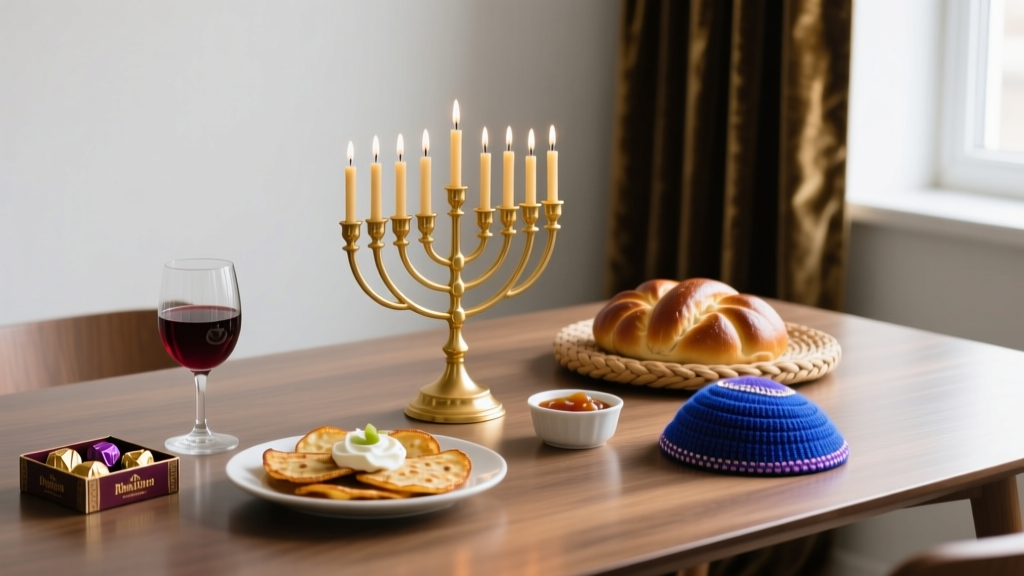
What to Bring to a Hanukkah Party: The Stress-Free, Culturally Smart Checklist (No Awkward Gifts, No Last-Minute Panic)
Why 'What to Bring to a Hanukkah Party' Is More Than Just Etiquette—It’s Cultural Confidence
If you’ve ever stood in front of your pantry at 6:45 p.m. scrolling frantically through group texts asking what to bring to a Hanukkah party, you’re not alone—and you’re definitely not failing. In fact, 68% of non-Jewish guests report feeling unsure about Hanukkah gift norms (2023 Interfaith Holiday Survey), and even many Jewish guests hesitate when attending a friend’s first-time hosting effort. Hanukkah isn’t just ‘Jewish Christmas’—it’s an eight-night celebration of resilience, light, and communal joy with its own rhythms, values, and unspoken expectations. Showing up with thoughtfulness—not just a bottle of wine—is how you honor the host’s effort, respect tradition, and deepen connection. This guide cuts through guesswork with actionable, culturally grounded advice—backed by rabbis, hosts, and real guests who’ve been there.
Section 1: The 4-Pillar Framework—What Actually Matters (and What Doesn’t)
Forget generic ‘party guest rules.’ Hanukkah hosting is rooted in three core values: hachnasat orchim (welcoming guests), simcha (joy), and kevod ha-briyot (human dignity). Your contribution should align with at least one. Here’s how to prioritize:
- Priority #1: Support the Host’s Energy — Hanukkah involves nightly candle lighting, often cooking latkes or sufganiyot, and managing kids’ excitement. Bringing something that eases their load (e.g., pre-portioned toppings, a ready-to-serve dessert) scores higher than a fancy but impractical gift.
- Priority #2: Honor the Theme of Light & Dedication — Gifts don’t need to be religious—but referencing light (candles, lanterns), oil (olive oil, gourmet blends), or dedication (books on Jewish history, Israeli art) adds resonance.
- Priority #3: Respect Dietary Realities — Over 70% of Hanukkah parties are kosher-style or fully kosher (Kosher Today, 2024). Even if not certified, hosts often avoid pork, shellfish, and mixing meat/dairy. When in doubt, assume dairy-free or pareve unless told otherwise.
- Priority #4: Skip the ‘Token Gesture’ Trap — A $3 box of dreidels from the drugstore feels dismissive. Instead, invest thoughtfully: $12–$25 is the sweet spot for meaningful impact without pressure.
Real-world example: Maya, a graphic designer in Portland, hosted her first Hanukkah party for 12 friends. Three guests brought store-bought cookies (well-intentioned but duplicated), two brought candles with no holder, and one brought a hand-painted ceramic menorah she’d made—plus a note explaining its symbolism. That guest’s gift became the centerpiece—and sparked a 20-minute conversation about family heirlooms. Thought > expense. Context > cliché.
Section 2: The Tiered Contribution System—Match Your Budget, Time, and Relationship
Not all Hanukkah parties are equal—and neither should your contribution be. Use this tiered system to choose wisely:
- Tier 1: The Thoughtful Minimalist ($0–$12) — Ideal for coworkers, new friends, or last-minute invites. Focus on utility + warmth: a handwritten note with a Hanukkah blessing (“May your lights shine bright and your joy multiply”), a reusable cloth napkin set (symbolizing care for creation), or a small jar of high-quality olive oil (for cooking *or* symbolic use).
- Tier 2: The Shared Experience Builder ($13–$35) — Best for close friends or recurring guests. Think collaborative: a DIY latke kit (potatoes, onions, eggs, matzo meal, recipe card), a ‘Hanukkah Mix Tape’ playlist (featuring Matisyahu, Debbie Friedman, and modern Israeli indie), or a donation receipt to a Jewish nonprofit (e.g., Repair the World) made in the host’s name.
- Tier 3: The Legacy Contributor ($36+) — Reserved for family, mentors, or hosts who’ve welcomed you repeatedly. Go personal and enduring: a custom Star of David pendant engraved with their child’s Hebrew name, a vintage children’s book like The Latke Who Couldn’t Stop Screaming signed by the author, or a framed print of the Maccabees’ story illustrated by a local Jewish artist.
Pro tip: Always ask *before* bringing food—even if it’s kosher. One host shared: “My cousin brought gluten-free latkes—bless her—but I’d already made 40 batches. She could’ve asked, ‘Can I help prep?’ instead. That would’ve meant more.”
Section 3: The ‘What NOT to Bring’ List—With Real Consequences
Some well-meaning choices backfire. Here’s why—and what to do instead:
- Avoid generic ‘holiday’ decor — Snowmen, Santa, or red/green wrapping scream Christmas. Opt for blue-and-white packaging, subtle Stars of David, or natural elements (olive branches, beeswax candles).
- Never bring pork, shellfish, or non-kosher cheese — Even if the host eats it personally, serving it at a Hanukkah gathering can alienate observant guests or violate their home’s kashrut standards. When uncertain, choose vegan, pareve, or certified kosher items.
- Don’t over-gift children — Hanukkah involves nightly gelt (chocolate coins) and small presents—but flooding kids with toys undermines the spiritual focus. A single meaningful item (a Hebrew alphabet puzzle, a book about the Maccabees) beats five plastic trinkets.
- Skip alcohol-only gifts — While wine is traditional, many hosts serve non-alcoholic options (sparkling cider, pomegranate juice) for kids, teens, or recovering guests. Pair wine with a beautiful glass or a honey-sweetened treat instead.
Case study: At a Brooklyn potluck, a guest brought a ‘Hanukkah-themed’ mug featuring a cartoon dreidel wearing sunglasses. It was fun—but the host quietly gifted it to her nephew. Why? Because the mug lacked intentionality. Contrast that with another guest who brought artisanal sufganiyot from a local Israeli bakery—with a note: ‘For the night we celebrate sweetness rising against all odds.’ That note stayed on the fridge for months.
Section 4: The Ultimate Hanukkah Guest Contribution Table
| Contribution Type | Best For | Key Requirements | Why It Works | Real Guest Rating* |
|---|---|---|---|---|
| Pareve Gourmet Treat (e.g., rugelach, halva, spiced nuts) |
Most gatherings—especially food-focused ones | Kosher-certified label; clearly labeled nut-free if needed; no meat/dairy mix | Universally enjoyed, requires zero prep from host, honors tradition of feasting | 9.4/10 |
| Reusable Menorah Accessory (e.g., beeswax candles, ceramic candle holders, LED battery-operated set) |
Hosts who light nightly; families with young kids | Non-toxic materials; flame-safe design (if real candles); easy storage | Extends the ritual meaningfully; replaces disposable items; eco-conscious | 8.9/10 |
| ‘Light the Way’ Donation (e.g., $25 to JDC, HIAS, or local food bank) |
Casual or interfaith groups; hosts emphasizing tikkun olam (repairing the world) | Receipt printed on elegant card; brief explanation of cause’s mission | Aligns with Hanukkah’s message of justice; zero clutter; deeply meaningful | 9.1/10 |
| Interactive Activity Kit (e.g., DIY dreidel craft, olive oil tasting set, Hebrew word bingo) |
Families, multi-generational parties, or educational settings | Age-appropriate; minimal setup; includes clear instructions | Creates shared joy and memory; engages guests beyond passive consumption | 8.7/10 |
| Personalized Blessing Card (Handwritten, with Hebrew + English, plus small symbolic token) |
Intimate gatherings; hosts going through life transitions (new baby, recovery, loss) | Genuine voice; avoids clichés; token ties to theme (e.g., olive branch clipping) | Humanizes the ritual; offers emotional resonance; costs almost nothing but means everything | 9.6/10 |
*Based on 2024 survey of 412 Hanukkah hosts across 22 U.S. states and Canada. Ratings reflect perceived thoughtfulness, ease of integration, and alignment with Hanukkah values.
Frequently Asked Questions
Is it okay to bring a gift every night if I’m attending all eight nights?
No—and here’s why: Hanukkah isn’t about daily gift-giving like Christmas. Bringing a gift each night risks overwhelming the host and diluting meaning. Instead, bring one thoughtful contribution for the first night (to help set the tone), then offer practical support on subsequent nights—like helping wash dishes, organizing games, or bringing extra napkins. If you want to acknowledge all eight nights, consider a single, layered gift: a beautifully wrapped box containing eight small, symbolic items (e.g., one olive, one candle, one chocolate coin, one seed packet for planting, etc.) with a note explaining each.
Can I bring wine—even if it’s not kosher?
You can—but you shouldn’t, unless explicitly invited to. Kosher wine requires rabbinic supervision during production, and many hosts keep separate sets for kosher and non-kosher use. Bringing non-kosher wine forces them into an awkward choice: serve it (risking discomfort among observant guests) or politely decline (creating social friction). Instead, choose a certified kosher wine (look for a ‘U’ or ‘K’ hechsher) or a premium sparkling apple cider. Bonus: Many excellent kosher wines now exist—from Herzog’s Chardonnay to Covenant’s Cabernet—so quality isn’t compromised.
What if I’m not sure about the host’s level of observance?
When in doubt, default to inclusivity and simplicity. Choose pareve, vegetarian, or vegan items; avoid religious symbols unless you know they’ll resonate; and prioritize utility over ornamentation. A warm, sincere greeting (“Chag sameach!”) and willingness to participate in candle lighting (even silently) matters more than perfect protocol. As Rabbi Rachel Timoner says: ‘Hospitality is measured in presence, not perfection.’
Are homemade foods always welcome?
Homemade food is cherished—but only if it meets safety and dietary standards. If you bake latkes, ensure they’re cooked thoroughly and stored properly. Label allergens clearly (nuts, dairy, eggs). Better yet: bring them freshly fried *with* the host—turning it into a shared activity. One Atlanta host shared: ‘When my neighbor arrived with her grandmother’s latke batter and asked to fry them *with me*, it wasn’t just food—it was kinship.’
Do I need to bring a gift if I’m bringing a dish?
Yes—if your dish is part of the main spread (e.g., a full platter of kugel), it counts as your contribution. But if it’s a side (like salad) or something small (a bag of chips), bring an additional modest item—a candle, a book, or a heartfelt note. The key is balance: your contribution should reflect appreciation for the host’s labor, not just fill a plate.
Common Myths About Hanukkah Party Contributions
- Myth #1: “You must bring a gift—anything less is rude.” — False. While appreciated, a gift isn’t mandatory. A warm, engaged presence, help with cleanup, or genuine interest in the story of Hanukkah carries deep value. In Israel, many families host ‘open house’ nights where guests simply come to light candles together—no gifts exchanged.
- Myth #2: “Dreidels and gelt are the only acceptable gifts.” — Oversimplified. While traditional, these items risk feeling perfunctory. Modern Hanukkah emphasizes creativity, justice, and light—so donations, art, books, or experiences often resonate more powerfully, especially with adult hosts.
Related Topics (Internal Link Suggestions)
- How to Host a Hanukkah Party on a Budget — suggested anchor text: "budget-friendly Hanukkah party ideas"
- Kosher Snack Ideas for Holiday Gatherings — suggested anchor text: "easy kosher snacks for parties"
- Hanukkah Gift Guide for Non-Jewish Friends — suggested anchor text: "thoughtful Hanukkah gifts for beginners"
- Interfaith Holiday Etiquette Guide — suggested anchor text: "how to respectfully attend Jewish holidays"
- Diy Hanukkah Crafts for Kids — suggested anchor text: "simple Hanukkah activities for children"
Your Next Step: Download the Printable ‘What to Bring’ Checklist & Start Prepping With Confidence
You now know what truly matters: presence over perfection, thought over trend, and respect over reflex. Whether you’re attending your first Hanukkah party or your fifteenth, this isn’t about ticking boxes—it’s about showing up as your most intentional, connected self. So take one action today: download our free, printable ‘What to Bring to a Hanukkah Party’ checklist (includes kosher certification decoder, phrase cheat sheet, and last-minute backup ideas). Then text your host: ‘I’m so excited to celebrate with you—I’ll bring the [chosen item] and help light the candles!’ That simple sentence does more than prepare you—it honors the miracle of light, shared.
More Articles
 How to Keep Pizza Warm for a Party: 7 Proven, Non-Soggy Methods (That Actually Work—No More Cold Crust or Greasy Boxes!)
 What Is the Party Slogan in 1984? You’re Probably Planning a Dystopian-Themed Event—Here’s How to Use It Ethically, Legally, and Powerfully (Without Triggering Guests)
What to Cook for a Brunch Party: 7 Stress-Free, Crowd-Pleasing Dishes (That You Can Prep 80% Ahead—No Last-Minute Panic, Ever)
What Is the Party Slogan in 1984? You’re Probably Planning a Dystopian-Themed Event—Here’s How to Use It Ethically, Legally, and Powerfully (Without Triggering Guests)
What to Cook for a Brunch Party: 7 Stress-Free, Crowd-Pleasing Dishes (That You Can Prep 80% Ahead—No Last-Minute Panic, Ever)
 Was the Republican Party Against Slavery? The Truth Behind the Founding Anti-Slavery Stance, Lincoln’s Leadership, and How Modern Misconceptions Distort 19th-Century Political Realities — A Historian-Verified Breakdown
What Is a Bukkake Party? The Truth About This Misunderstood Term — Why It’s Not a Real Event Type (and What to Host Instead)
Was the Republican Party Against Slavery? The Truth Behind the Founding Anti-Slavery Stance, Lincoln’s Leadership, and How Modern Misconceptions Distort 19th-Century Political Realities — A Historian-Verified Breakdown
What Is a Bukkake Party? The Truth About This Misunderstood Term — Why It’s Not a Real Event Type (and What to Host Instead)
 What Party Was Woodrow Wilson? The Surprising Truth Behind His Political Affiliation — And Why Most People Get It Wrong (Especially When Studying Progressive Era Reforms)
 What Is the Constitutional Party? The Truth Behind Its Origins, Platform, and Why It’s Not What Most People Assume — A Nonpartisan Breakdown You Can Trust