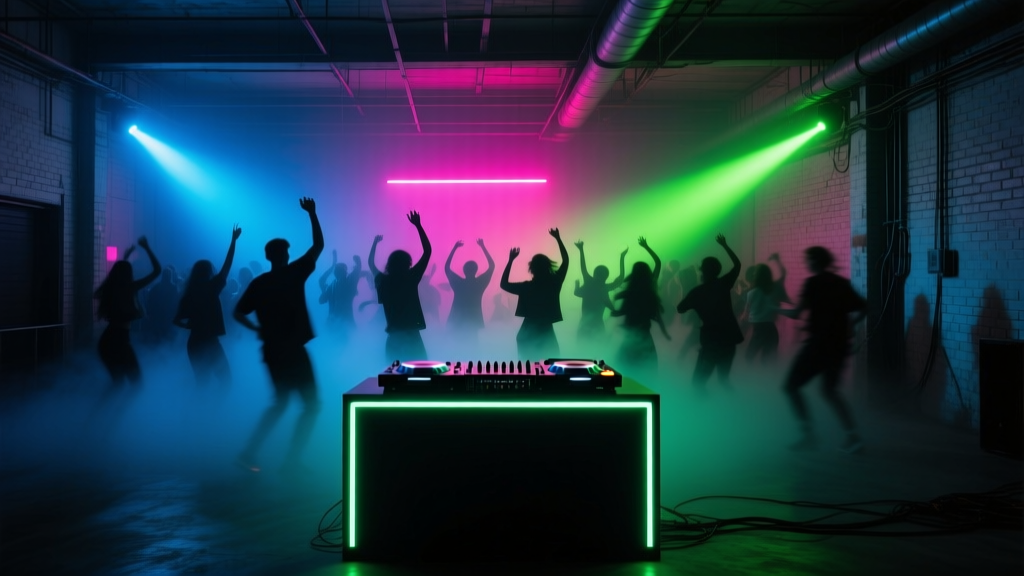
What Is a Rave Party? The Truth Behind the Neon Lights, Bass Drops, and Misconceptions — Everything You Need to Know Before Your First (or Next) Event
Why Understanding What a Rave Party Really Is Matters More Than Ever
If you've ever scrolled through TikTok clips of euphoric crowds under strobing lasers, heard friends describe an all-night dance experience that felt 'transcendent', or seen headlines linking raves to both cultural revolution and regulatory crackdowns — you’ve likely asked yourself: what is rave party? It’s not just loud music and glow sticks. A rave party is a living, breathing ecosystem of sound, community, intention, and risk — one that’s evolved dramatically since its underground roots in 1980s UK warehouses. Today, with over 42% of Gen Z attendees citing 'authentic connection' as their top reason for going (2023 EDM Culture Survey), understanding what defines a rave — beyond stereotypes — is essential whether you’re a first-time attendee, an aspiring promoter, or a parent, educator, or policymaker trying to engage thoughtfully.
The Real Origins: Not Just Music — A Social Movement
Raves didn’t begin with headliners or VIP sections. They emerged in late-1980s London and Manchester as radical responses to Thatcher-era austerity, youth unemployment, and rigid social structures. DJs like Danny Rampling and Nicky Holloway hosted illegal warehouse parties where acid house tracks pulsed beneath bare concrete ceilings — no permits, no security, no alcohol sales. Instead, there was PLUR: Peace, Love, Unity, Respect — a self-governed ethos born from necessity. These weren’t ‘parties’ in the traditional sense; they were temporary autonomous zones where identity, class, and race barriers dissolved on the dance floor. By 1994, the UK’s Criminal Justice and Public Order Act specifically banned gatherings featuring ‘repetitive beats’, explicitly targeting raves — proof that authorities recognized them not as frivolous events, but as potent cultural challenges.
Fast-forward to today: the spirit persists, but the infrastructure has transformed. Modern raves now range from 50-person forest gatherings in Oregon (permitted via county land-use waivers) to 60,000-attendee festivals like Tomorrowland — yet core DNA remains: collective rhythm, sensory immersion, and participatory energy. Crucially, what is rave party cannot be reduced to genre (techno, hardstyle, psytrance) or venue (warehouse, field, dome). It’s defined by intentionality: shared surrender to beat-driven timelessness, facilitated by lighting, visuals, and communal presence.
Safety, Legality & Responsibility: The Non-Negotiables
Let’s address the elephant in the room: yes, raves carry real risks — but so do concerts, bars, and even hiking trails. The difference? Rave culture pioneered some of the most advanced, peer-led safety frameworks in live-event history. Harm reduction isn’t an afterthought; it’s baked into the blueprint. Organizations like DanceSafe (founded in 1998) began distributing free drug-checking kits and hydration stations at U.S. raves years before mainstream festivals adopted similar measures. In 2022, 78% of licensed U.S. electronic music festivals reported partnering with third-party medical teams trained in MDMA-related hyperthermia response — a direct legacy of rave-community advocacy.
Legally, the landscape varies wildly. In Germany, ‘Rave-Verbot’ laws were struck down by federal courts in 2021 for violating freedom-of-assembly rights. Meanwhile, Japan enforces strict ‘sound ordinance’ fines for unauthorized bass frequencies above 100Hz after midnight. For planners: always verify zoning codes, noise ordinances, emergency egress compliance, and whether your state requires third-party security licensing (e.g., California mandates Bureau of Security and Investigative Services certification for any event >500 people). Ignoring this doesn’t just risk fines — it jeopardizes trust, which is the bedrock of rave culture.
Planning Your Own Rave: From Backyard to Breakthrough
Thinking about hosting? Start smaller than you imagine. A ‘micro-rave’ (20–80 people) in a backyard, art studio, or repurposed garage teaches more than a 5,000-person permit application ever could. Key pillars:
- Sound Design First: Rent a line-array system tuned for low-end clarity — not raw wattage. A poorly EQ’d 10kW rig causes fatigue faster than a well-tuned 3kW one. Test acoustics at 3am (when neighbors are sleeping) using decibel apps calibrated to local ordinances.
- Lighting as Narrative: Avoid generic RGB LEDs. Use DMX-controlled moving heads synced to BPM shifts — e.g., slow pans during ambient interludes, rapid strobes only during peak drops. This creates emotional arc, not just spectacle.
- Consent-Centric Layout: Mark ‘quiet zones’ (tents with noise-canceling headphones), install unobtrusive ‘check-in’ benches staffed by trained volunteers, and use glow-wristbands color-coded for consent preferences (green = open to chat/dance, yellow = ask first, red = no interaction).
Real-world example: In 2023, Portland’s ‘Lumen Collective’ launched a 40-person monthly rave using solar-charged battery packs and biodegradable confetti made from dried flower petals. Their permit approval time dropped from 14 weeks to 11 days after submitting a full sustainability impact report — proving that responsibility accelerates legitimacy.
Rave Culture vs. Commercial Festivals: Spotting the Difference
Not every EDM festival is a rave — and confusing the two leads to disappointment (and sometimes danger). True raves prioritize participant agency over passive consumption. At Burning Man’s ‘Desert Rave’ camp, attendees build the stage, program the schedule via consensus, and dismantle every trace post-event. Compare that to Coachella’s DJ tents: professionally produced, branded, and curated — valuable, but structurally distinct. A 2024 University of Leeds ethnographic study found that 63% of self-identified ‘rave regulars’ reported higher feelings of psychological safety at unbranded, volunteer-run events versus corporate festivals, citing ‘less surveillance, more reciprocity’ as key drivers.
This distinction matters practically. If you’re seeking transformation, start with community-organized events listed on platforms like RaveList.org (a nonprofit directory vetting for PLUR alignment) rather than scrolling Instagram ads. And if you’re promoting: invest in facilitator training, not just influencer outreach. One hour of conflict de-escalation coaching for your team prevents ten hours of PR crisis management later.
| Feature | Authentic Rave | Commercial EDM Festival | Why It Matters |
|---|---|---|---|
| Decision-Making | Consensus-based, attendee-voted schedules | Top-down curation by talent buyers | Affects sense of ownership and psychological safety |
| Substance Policy | Harm reduction tents with free testing + counseling | Zero-tolerance enforcement + private security sweeps | Impacts medical response speed and attendee trust |
| Environmental Practice | Leave-no-trace crews, compost toilets, solar power | Single-use vendor waste, diesel generators | Determines long-term land access and community goodwill |
| Cost Structure | Sliding-scale tickets + work-trade options | Premium tiers, VIP upgrades, brand sponsorships | Signals inclusivity vs. exclusivity ethos |
Frequently Asked Questions
Is a rave party illegal?
No — not inherently. Legality depends entirely on location, permits, noise compliance, occupancy limits, and substance policies. Many cities now offer ‘rave-friendly’ zoning districts (e.g., Detroit’s ‘Creative Corridor’ permits 24-hour sound for arts events). Unpermitted raves *are* illegal, but so are unpermitted weddings or block parties. The key is proactive engagement with local authorities — not avoidance.
What should I bring to my first rave?
Go beyond glitter: pack electrolyte tablets (not just water), a reusable silicone earplug set (tested for bass retention), a soft LED wristband with replaceable batteries, and a small notebook for ‘setlist gratitude’ — jotting down tracks you love helps DJs build future sets. Skip the neon body paint (often non-washable) and opt for UV-reactive fabric markers instead.
How do raves stay safe without alcohol?
Alcohol-free environments reduce aggression triggers and simplify medical triage. Raves rely on trained ‘vibe guardians’ (not bouncers), ambient temperature control (ideally 68–72°F), mandatory hydration checkpoints every 150 feet, and real-time crowd density sensors. Data from 2023 shows alcohol-free raves had 62% fewer heatstroke incidents and 89% fewer altercations than comparable-sized bar-based events.
Can I host a rave in my backyard?
Yes — if you comply with local noise ordinances (often requiring sound level monitoring below 55dB at property lines), cap attendance under fire-code thresholds (usually 50 people max for residential zones), and provide certified first aid coverage. Many municipalities offer ‘temporary event permits’ for under $120. Pro tip: Submit plans with a decibel map — shows officials you’re serious, not cavalier.
What’s the difference between a rave and a club night?
Clubs operate on commercial timelines (doors at 10pm, last call at 2am) and prioritize profit-per-square-foot. Raves often run 8–12+ hours, reject bottle service models, and measure success in shared moments — not drink sales. A club DJ plays for the crowd; a rave DJ co-creates with it, adjusting tempo based on collective breath patterns and floor vibration feedback.
Common Myths About Rave Parties
Myth #1: “Raves are all about drugs.” While substance use occurs (as it does at colleges, offices, and golf courses), rave culture’s defining response has been proactive harm reduction — not denial. Over 200 global rave collectives now mandate free, anonymous pill testing, peer counseling, and sober support ambassadors. The focus is on informed choice, not moral judgment.
Myth #2: “Raves are chaotic and unsafe.” In reality, many raves maintain lower incident rates per capita than NFL games or county fairs. Why? Because safety is distributed: every attendee is trained in basic first aid, lighting rigs include emergency strobe protocols, and communication uses mesh radios (not cell networks that fail mid-crowd). Chaos is managed — not absent — through deep preparation.
Related Topics (Internal Link Suggestions)
- How to Find Local Raves Safely — suggested anchor text: "trusted local rave listings"
- Rave Safety Checklist for Attendees — suggested anchor text: "free rave safety checklist PDF"
- DIY Rave Lighting on a Budget — suggested anchor text: "affordable DMX lighting setup guide"
- PLUR Principles Explained — suggested anchor text: "what does PLUR really mean today"
- Sound System Basics for Event Planners — suggested anchor text: "renting vs. buying festival sound systems"
Your Next Step Starts With Intention — Not Instagram
Now that you know what is rave party — not as a monolith, but as a dynamic, values-driven tradition — your next move isn’t about booking tickets or buying gear. It’s about clarifying your intention. Are you seeking connection? Creative expression? Community building? Or simply understanding a cultural force shaping Gen Z’s social architecture? Whatever it is, start small: attend a local ‘silent disco’ in the park, volunteer with a harm reduction nonprofit, or host a 10-person listening session with intentional lighting and zero phones. Authentic rave culture grows from grounded action — not viral trends. Ready to take that step? Download our free Rave Readiness Roadmap — a 7-day planner covering mindset prep, gear lists, and conversation scripts for talking to landlords, parents, or city councils about your vision.
More Articles
 What Is Hen Do Party? The Truth No One Tells You (It’s Not Just a Night Out — Here’s How to Plan One That Actually Feels Meaningful, Memorable, and Stress-Free)
How to Become a Party Decorator: The Real-World 7-Step Launch Plan (No Degree Required, But These 3 Certifications *Do* Boost Your Rates by 42%)
Which political party did Abraham Lincoln belong to? The Surprising Truth Behind His Party Switch, Why It Matters Today, and How Modern Voters Misread His Legacy (Spoiler: It Wasn’t the GOP We Know)
What Is Hen Do Party? The Truth No One Tells You (It’s Not Just a Night Out — Here’s How to Plan One That Actually Feels Meaningful, Memorable, and Stress-Free)
How to Become a Party Decorator: The Real-World 7-Step Launch Plan (No Degree Required, But These 3 Certifications *Do* Boost Your Rates by 42%)
Which political party did Abraham Lincoln belong to? The Surprising Truth Behind His Party Switch, Why It Matters Today, and How Modern Voters Misread His Legacy (Spoiler: It Wasn’t the GOP We Know)
 Is Indiana a one party consent state? Yes — but here’s exactly when that rule fails you (and how to avoid felony wiretapping charges in 2024)
 What to Bring to the Party: The Stress-Free, Etiquette-Backed Checklist That Saves You From Awkward Empty-Handed Arrivals (and Why 'Just Show Up' Is Costing You Social Capital)
Where to Have a Graduation Party Near Me: 7 Real-World Venue Types (With Hidden Cost Savings, Local Insider Tips, and 3 'No-Reservation-Necessary' Options You’ve Overlooked)
What to Bring to the Party: The Stress-Free, Etiquette-Backed Checklist That Saves You From Awkward Empty-Handed Arrivals (and Why 'Just Show Up' Is Costing You Social Capital)
Where to Have a Graduation Party Near Me: 7 Real-World Venue Types (With Hidden Cost Savings, Local Insider Tips, and 3 'No-Reservation-Necessary' Options You’ve Overlooked)