
What Is Cocktail Party Attire? The 7-Second Dress Code Decoder (No More Guesswork, No Awkward Outfit Regrets)
Why Getting "What Is Cocktail Party Attire" Right Changes Everything
If you've ever stood in front of your closet at 6:45 p.m., clutching a blazer and a sequined skirt while Googling what is cocktail party attire, you're not alone — and you're already risking more than fashion faux pas. Misreading this dress code can quietly undermine your confidence, dilute your professional impression (especially at industry mixers), or even make hosts feel like you didn’t respect their effort. Cocktail attire sits in a precise, often misunderstood sweet spot between business formal and casual — and it’s one of the most frequently misinterpreted dress codes in modern social life. Yet it’s also the most common requirement for milestone moments: engagement parties, gallery openings, holiday galas, wedding after-parties, and corporate year-end celebrations.
Your Cocktail Attire Blueprint: Beyond 'Dressy Casual'
Let’s start with the core truth: cocktail attire is not a style — it’s a calibrated social signal. It communicates polish, intentionality, and cultural fluency. Unlike black-tie (which has rigid conventions) or business casual (which tolerates wide interpretation), cocktail attire demands contextual awareness: time of day, geographic region, host’s personality, and even the decade. A 2023 survey by The Event Stylist found that 68% of guests who misjudged cocktail attire reported feeling socially anxious upon arrival — and 41% admitted they avoided future invitations because of it.
Here’s how to decode it in real time:
- Time is your first clue: Evening events (after 6 p.m.) lean dressier — think knee-length sheaths, tailored jumpsuits, or slim-fit blazers over silk camisoles. Daytime cocktail (e.g., a 4 p.m. garden party) allows lighter fabrics, brighter palettes, and slightly shorter hemlines — but still requires structure and finish.
- Venue is your second filter: A rooftop bar in Brooklyn? Lean modern — architectural silhouettes, metallic accents, minimalist footwear. A historic ballroom in Charleston? Embrace vintage-inspired details: lace trims, pearl buttons, brocade textures.
- Invite tone is your third cue: Phrases like "Cocktail Attire Encouraged" or "Dress to Impress" signal flexibility. But "Cocktail Attire Required" or an RSVP note saying "Black tie optional" means you’re expected to elevate — no denim, no sneakers, no visible logos.
The Gender-Neutral Framework: What Works for Everyone
Gone are the days of rigid binary prescriptions. Today’s cocktail attire embraces identity, body type, and personal expression — as long as the underlying principles hold: intentional refinement, thoughtful proportion, and contextual appropriateness. Consider these universal pillars:
- Fit > Fabric: A perfectly tailored cotton twill blazer reads more cocktail-appropriate than a wrinkled silk gown with poor shoulders. Tailoring transforms accessible pieces into elevated ones.
- Detail Discipline: One intentional detail — a sculptural cufflink, an artfully knotted silk scarf, a single statement earring — signals effort without clutter. Avoid head-to-toe embellishment; let one element shine.
- Footwear as Anchor: Shoes set the tone. For men and nonbinary wearers: polished oxfords, loafers, or sleek Chelsea boots (no scuffs, no socks-with-sandals). For all genders: closed-toe heels, block-heel mules, or elegant flats — never flip-flops, athletic sneakers, or worn-out ballet slippers.
- Color Intelligence: While black remains timeless, modern cocktail culture rewards nuance. Deep emerald, burnt sienna, navy with bronze undertones, or even rich charcoal work powerfully — especially when paired with tonal layering (e.g., charcoal trousers + slate turtleneck + gunmetal watch).
Real-world example: Maya, a freelance UX designer, wore a tailored olive-green jumpsuit with gold-tone hardware to a tech startup’s launch party. She paired it with cognac leather loafers and a structured crossbody. Hosts later told her it was “exactly the vibe we wanted — smart, warm, and effortlessly cool.” Contrast that with Liam, who wore a crisp white shirt and chinos to the same event — technically neat, but visually under-energized for the celebratory context.
Seasonal Strategy: Adapting Cocktail Attire Year-Round
Cocktail attire isn’t static — it breathes with the seasons. Ignoring climate cues is the #1 reason people overheat, shiver, or look out of sync. Here’s how top stylists adjust:
- Spring: Lighter wools, linen-cotton blends, floral microprints (not loud bouquets), pastel palettes grounded with navy or taupe. Layer with unstructured blazers or cropped vests.
- Summer: Breathable silks, Tencel™ blends, seersucker, and airy knits. Opt for sleeveless sheaths *with refined straps* (not spaghetti), or short-sleeve tunics over wide-leg trousers. Avoid sheer fabrics unless fully lined.
- Fall: Rich textures dominate — corduroy blazers, velvet collars, brushed cotton, wool crepe. Earth tones, burgundy, forest green, and charcoal rule. Add depth with leather belts, suede ankle boots, or a cashmere wrap.
- Winter: Think warmth *without bulk*: thermal-lined wool skirts, heated insoles in dress shoes, fine-gauge merino turtlenecks under blazers. Metallic accents (silver, pewter) catch low-light ambiance beautifully.
A critical pro tip: Always check the venue’s indoor temperature policy. Historic buildings often lack modern HVAC — so a lightweight wool blazer beats a heavy coat you’ll shed mid-event.
Cocktail Attire Decision Matrix: What to Wear (and Skip)
| Category | ✅ Strongly Recommended | ⚠️ Context-Dependent | ❌ Avoid |
|---|---|---|---|
| Top Half | Structured blazer, silk blouse, turtleneck in luxe knit, tailored vest | Well-fitted henley (only for ultra-modern venues), high-neck lace top (if fully lined) | T-shirts (even premium cotton), tank tops, graphic tees, unstructured cardigans |
| Bottom Half | Knee-length pencil skirt, tailored wide-leg trousers, midi-wrap skirt, dressy culottes | Dark, non-distressed skinny jeans (only if invite says "smart casual" or host is known for relaxed vibe) | Yoga pants, cargo shorts, ripped denim, leggings-as-pants, overly baggy joggers |
| Dresses & Jumpsuits | Midi or knee-length sheath, fit-and-flare, wrap dress in quality fabric, tailored jumpsuit | Maxi dresses (only if lightweight, structured, and venue-appropriate — e.g., beachfront soirée) | Mini dresses (unless explicitly themed), jersey-knit bodycon, sundresses with thin straps |
| Footwear | Block-heel pumps, pointed-toe flats, polished loafers, ankle boots (clean lines), strappy sandals (with secure straps) | Minimalist sneakers (white leather only, no logos — rare, only for avant-garde events) | Flip-flops, UGGs, running shoes, worn sandals, platform sneakers |
| Accessories | Structured clutch, silk scarf, medium-hoop earrings, leather belt with refined buckle, analog watch | Statement necklace (if neckline is simple), small crossbody (if hands-free needed) | Overstuffed tote bags, fanny packs, baseball caps, noisy bangles, sunglasses worn indoors |
Frequently Asked Questions
Is cocktail attire the same as business casual?
No — and confusing them is the most common mistake. Business casual prioritizes function and comfort for daily work (think chinos + button-down), while cocktail attire emphasizes occasion-specific elegance and visual cohesion. A business-casual outfit may be acceptable for a *daytime* cocktail event in a creative office setting, but it will almost always fall short for evening events. When in doubt, add one elevated element: swap khakis for wool trousers, a cotton shirt for a silk shell, or loafers for patent-leather oxfords.
Can I wear black to a cocktail party?
Absolutely — and it’s often the safest, most sophisticated choice. But avoid looking funereal: pair black trousers with a jewel-toned blouse, or a black dress with warm-gold accessories and red lipstick. In summer, opt for black in breathable fabrics like crinkled linen or stretch crepe. Pro tip: Black works best when contrasted — e.g., black dress + ivory jacket + cognac heels.
What if the invitation says "Cocktail Attire Optional"?
This is a polite nudge toward dressing up — not a free pass to underdress. It means the host welcomes variety but still expects intentionality. If you choose to dress down, do so thoughtfully: a dark-wash, perfectly fitted jean with a luxe cashmere sweater and heeled ankle boots reads as considered, not careless. Never treat "optional" as "casual." Observe RSVP notes — if others list plus-ones or attire preferences, that’s your real-time data point.
Do I need different cocktail attire for weddings vs. corporate events?
Yes — subtly but significantly. Wedding cocktail attire leans romantic and personal: softer silhouettes, subtle sparkle, floral motifs, or vintage details. Corporate cocktail attire favors sharp tailoring, neutral palettes, and understated luxury — think a navy blazer with grey flannel trousers and a pocket square. At a wedding, your outfit should honor the couple’s aesthetic; at a corporate event, it should align with brand values (e.g., innovative tech firms embrace bold color; law firms favor classic refinement).
How much should I spend on cocktail attire?
There’s no fixed number — but smart investment focuses on versatility. Allocate 70% of your budget to foundational pieces you’ll wear 5+ times per year: a well-cut blazer, a knee-length sheath dress, or tailored trousers. Spend the remaining 30% on seasonal accents (a silk scarf, statement earrings, seasonal shoes). A $295 blazer from a reputable contemporary brand lasts longer and photographs better than three $99 fast-fashion alternatives. Remember: cost-per-wear drops dramatically with thoughtful curation.
Debunking Common Cocktail Attire Myths
- Myth #1: "Cocktail attire means 'dressy but not too fancy.'" — This vague phrasing causes chaos. In reality, cocktail attire is *precisely calibrated*. It’s not “not too fancy” — it’s *strategically fancy*: enough polish to honor the occasion, but not so formal it feels stiff or disconnected.
- Myth #2: "You can’t wear pants to a cocktail party." — False. Tailored trousers are not just acceptable — they’re increasingly preferred for comfort, inclusivity, and modernity. The key is cut and fabric: high-waisted, wide-leg wool trousers with a silk camisole read more elevated than many ill-fitting dresses.
Related Topics (Internal Link Suggestions)
- How to Read Dress Codes on Wedding Invitations — suggested anchor text: "decoding wedding dress codes"
- Seasonal Capsule Wardrobe for Professionals — suggested anchor text: "build a versatile seasonal wardrobe"
- Etiquette for Guest Attire at Corporate Events — suggested anchor text: "corporate event dress etiquette"
- Where to Rent Designer Cocktail Attire Sustainably — suggested anchor text: "rent cocktail attire responsibly"
- How to Style Accessories for Formal Events — suggested anchor text: "elevate outfits with intentional accessories"
Final Thought: Confidence Is Your Best Accessory
Understanding what is cocktail party attire isn’t about memorizing rules — it’s about developing situational intuition. You now have a framework: decode time, venue, and tone; prioritize fit and finish over trends; adapt seasonally; and trust your curated pieces. The goal isn’t perfection — it’s presence. So next time you see that invitation, skip the panic scroll. Pull out your go-to blazer, slip on those polished loafers, and walk in knowing exactly who you are — and why you belong there. Your next step? Download our free 1-page Cocktail Attire Decision Cheat Sheet (with seasonal fabric guide and 5 real-life outfit formulas).
More Articles
 Do I Take a Gift to a Gender Reveal Party? The Uncomfortable Truth No One Tells You (Spoiler: It’s Not About the Baby — It’s About the Host’s Stress Level)
What Is the Second Party System? The Surprising Truth Behind America’s Forgotten Political Revolution — Why Your Textbook Got It Wrong (and What Really Ended It)
Do I Take a Gift to a Gender Reveal Party? The Uncomfortable Truth No One Tells You (Spoiler: It’s Not About the Baby — It’s About the Host’s Stress Level)
What Is the Second Party System? The Surprising Truth Behind America’s Forgotten Political Revolution — Why Your Textbook Got It Wrong (and What Really Ended It)
 Why Did Washington Believe Political Parties Were Dangerous? The Shocking Truth Behind His Farewell Address That Still Resonates in Today’s Divided America
What Is High Tea Party? (Spoiler: It’s Not What You Think — And Hosting One Takes Less Effort Than You Imagine)
How to Partner with a Third-Party Delivery Service: The 7-Step Playbook That Cut Our Event Catering Delivery Failures by 82% (No Tech Team Required)
Why Did Washington Believe Political Parties Were Dangerous? The Shocking Truth Behind His Farewell Address That Still Resonates in Today’s Divided America
What Is High Tea Party? (Spoiler: It’s Not What You Think — And Hosting One Takes Less Effort Than You Imagine)
How to Partner with a Third-Party Delivery Service: The 7-Step Playbook That Cut Our Event Catering Delivery Failures by 82% (No Tech Team Required)
 What Third Party Means in Real Life: The #1 Mistake Event Planners Make When Outsourcing (And How to Avoid Costly Legal & Logistical Pitfalls)
What’s a Sprinkle Party? The Truth About This Rising Trend (It’s NOT Just a Mini Baby Shower—and Here’s Why Smart Parents Are Choosing It Over Traditional Celebrations)
What to Put in Birthday Party Goodie Bags: 27 Smart, Budget-Friendly, & Kid-Approved Ideas (No More Last-Minute Panic or Guilt Over Plastic Junk!)
What Third Party Means in Real Life: The #1 Mistake Event Planners Make When Outsourcing (And How to Avoid Costly Legal & Logistical Pitfalls)
What’s a Sprinkle Party? The Truth About This Rising Trend (It’s NOT Just a Mini Baby Shower—and Here’s Why Smart Parents Are Choosing It Over Traditional Celebrations)
What to Put in Birthday Party Goodie Bags: 27 Smart, Budget-Friendly, & Kid-Approved Ideas (No More Last-Minute Panic or Guilt Over Plastic Junk!)
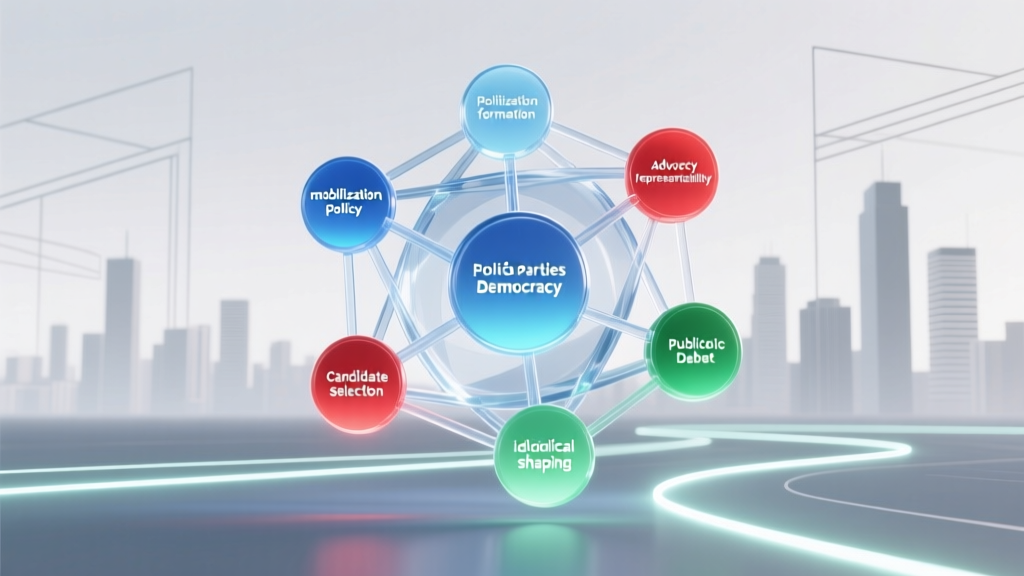 What Is a Function of Political Parties? 7 Essential Roles They Play — And Why Most People Misunderstand Their Real Power in Democracy (Not Just Elections!)
Stop Scrolling & Start Planning: Your Exact 'Minecraft Movie Block Party Edition Showtimes' — Real-Time Theater Listings, Group Ticket Hacks, and Pre-Show Party Prep (All Updated for 2024)
What Is a Function of Political Parties? 7 Essential Roles They Play — And Why Most People Misunderstand Their Real Power in Democracy (Not Just Elections!)
Stop Scrolling & Start Planning: Your Exact 'Minecraft Movie Block Party Edition Showtimes' — Real-Time Theater Listings, Group Ticket Hacks, and Pre-Show Party Prep (All Updated for 2024)