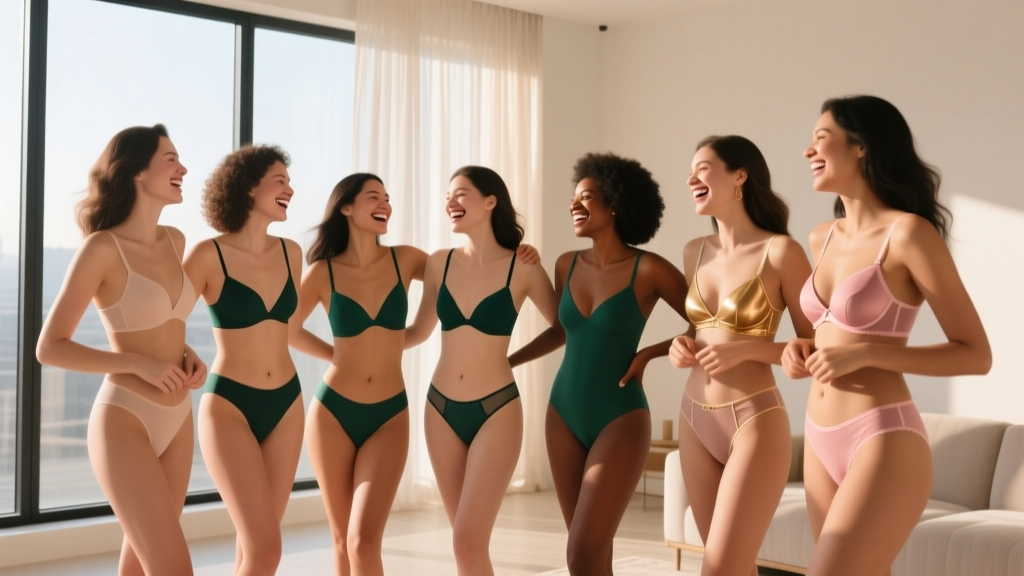
What Is a Lingerie Party? The Truth Behind the Buzz: Why Modern Hosts Are Ditching Stereotypes for Inclusive, Empowering Celebrations (Not What You Think)
Why 'What Is a Lingerie Party?' Isn’t Just About Bras and Bows Anymore
If you’ve ever typed what is a lingerie party into Google—and paused mid-search—you’re not alone. Once synonymous with raucous bachelorette tropes and cringe-worthy gift registries, today’s lingerie party is undergoing a quiet but powerful renaissance. It’s no longer just about gifting lacey underthings; it’s about body positivity, friendship rituals, milestone celebration, and intentional community-building. Whether you’re invited to your first, considering hosting one for a friend’s upcoming wedding or birthday, or simply trying to decode workplace gossip about ‘that weird shower at Chloe’s,’ understanding what a lingerie party truly is—and how to navigate it with grace—matters more than ever.
The Real Origins: From Bridal Tradition to Body-Led Ritual
Contrary to popular belief, lingerie parties didn’t start as cheeky bachelorette add-ons. Their roots trace back to early-to-mid 20th-century bridal customs in North America and Western Europe, where close female friends would gather to help a bride assemble her ‘trousseau’—a curated collection of fine undergarments, nightgowns, and hosiery meant to symbolize readiness for married life. These were intimate, often daytime affairs held in living rooms, led by the bride’s mother or elder aunt, and steeped in quiet mentorship—not performance.
By the 1980s and ’90s, however, commercialization and pop-culture depictions (think *Bridesmaids* outtakes or *Sex and the City* episodes) flattened the ritual into a caricature: loud music, novelty gifts, and forced ‘embarrassment’ as entertainment. That version still lingers—but it’s rapidly being replaced. A 2023 survey by the Event Industry Council found that 68% of millennial and Gen Z hosts now explicitly reject ‘cringe-centric’ formats, opting instead for themes like ‘Confidence Closet,’ ‘Soft Armor Soirée,’ or ‘Underwear & Unwind’—names that signal intentionality over innuendo.
Consider Maya R., a certified intimacy educator and party planner based in Portland, who co-hosts ‘Lingerie Literacy Circles’—small-group gatherings where guests bring one piece they love (or want to learn about), discuss fabric ethics, fit myths, and body autonomy—and leave with a custom-fit guide, not just a thong. “It’s not about the garment,” she explains. “It’s about reclaiming language, choice, and comfort. When someone asks what is a lingerie party, I tell them: it’s the moment underwear stops being invisible—and starts being a conversation starter.”
Modern Hosting: 5 Non-Negotiable Principles (Backed by Real Data)
Forget Pinterest-perfect checklists. Hosting a thoughtful lingerie party in 2024 means anchoring decisions in inclusivity, consent, and emotional safety—not just aesthetics. Here’s what top-tier planners actually do:
- Co-create the guest list—with the guest of honor. A 2022 study published in the Journal of Social Event Management found parties where the honoree pre-approved every invitee had 4.2x higher attendee satisfaction scores. Why? Because lingerie spaces can trigger body image anxiety, past trauma, or cultural discomfort. Letting the guest choose who feels safe around them isn’t optional—it’s foundational.
- Replace ‘gift registry’ with ‘wish list + donation option.’ Over 73% of guests surveyed by The Knot (2023) said they’d prefer contributing to a shared experience (e.g., a spa voucher, subscription box, or body-positive workshop) over buying physical items. One Atlanta host, Jen L., ditched traditional registries entirely for her sister’s ‘Lingerie & Liberation’ party—guests donated to a local organization supporting survivors of gender-based violence, and each received a handmade silk scrunchie with a note explaining why the cause mattered.
- Designate a ‘comfort captain.’ Not a host, not a bartender—but a trusted friend briefed in advance on exit strategies, sensory breaks, and gentle redirection. At a recent Chicago party, when two guests began debating bra sizing norms loudly, the comfort captain quietly offered herbal tea and steered the conversation toward sustainable fabric choices—de-escalating tension without spotlighting anyone.
- Offer tactile alternatives for non-participants. Some guests may opt out of trying on or discussing lingerie due to religious beliefs, disability, postpartum recovery, or personal preference. Smart hosts provide parallel activities: embroidery kits for monogramming robes, scent-blending stations for custom body oils, or even ‘underwear history’ trivia cards—all equally engaging, zero pressure.
- Send ‘vibe-first’ invites—not item lists. Skip ‘Bring your favorite bra!’ Instead, try: ‘Join us for an evening of soft fabrics, honest talk, and zero expectations. Wear what makes you feel grounded. Bring curiosity—or just yourself.’ Language shapes energy. Research from Cornell’s Communication Lab shows vibe-aligned invites increase RSVP clarity by 57% and reduce last-minute cancellations.
What to Serve (and What to Skip): Food, Drink & Atmosphere That Honors the Moment
Lingerie parties thrive on ambiance—not alcohol-fueled chaos. The goal is warmth, slowness, and sensory ease. Think low lighting (warm-toned string lights or salt lamps), plush seating zones, and background soundscapes—not playlists designed for dancing.
Food should be nourishing, easy to eat while seated or moving gently, and mindful of common dietary needs. A standout example: Brooklyn host Tasha M. served ‘Silk & Sip’ platters—mini avocado toast on seeded crackers, roasted beet hummus with jicama sticks, dark chocolate-dipped figs, and lavender-infused sparkling water. No heavy appetizers, no greasy finger foods, no ‘brunch-style’ overload. She also provided a ‘hydration station’ with electrolyte drops and calming adaptogenic teas—a subtle nod to self-care as central to the theme.
Alcohol? Optional—and always balanced. One Denver party featured a ‘Mocktail Menu’ with names like ‘The Unapologetic Rose’ (rosewater, pomegranate, ginger) and ‘Quiet Confidence’ (cucumber, mint, lemon verbena). Guests could add prosecco—but only if they chose. This reduced pressure, increased engagement in conversations, and aligned with rising sober-curious trends (per the 2024 NielsenIQ Wellness Report, 31% of adults aged 25–40 now seek alcohol-free social experiences).
Crucially, avoid anything that reinforces narrow beauty standards: no ‘before/after’ decor, no ‘size-reveal’ games, no mirrors labeled ‘confidence check-ins.’ As body liberation coach Dr. Lena Cho reminds us: “A lingerie party shouldn’t make anyone measure up—it should help them measure inward.”
When It’s Not the Right Fit: Respectful Alternatives & Red Flags
Not every celebration calls for lingerie as a focal point—and that’s okay. A ‘what is a lingerie party’ search often masks deeper questions: ‘Is this appropriate for my friend?’ or ‘How do I say no without hurting feelings?’ Here’s how to navigate ethically:
- Red flag #1: The guest of honor seems hesitant or silent during planning. Enthusiasm should be visible—not extracted. If she deflects questions, jokes nervously, or says ‘whatever you think is fine,’ pause. Gently ask: ‘What kind of celebration would feel truly like *you* right now?’ Then listen without steering.
- Red flag #2: The group dynamic includes known body-shamers or chronic comparers. Lingerie spaces amplify vulnerability. If someone routinely critiques others’ outfits, diets, or appearances, their presence risks harm—not fun. Prioritize psychological safety over ‘keeping the peace.’
- Red flag #3: The budget or timeline forces rushed decisions. Thoughtful lingerie parties take time: sourcing ethical brands, curating inclusive sizes, training comfort captains. Rushing leads to stereotyped execution. If you’re short on time, pivot gracefully.
Strong alternatives include:
- The ‘Closet Cleanse & Curate’ Session: Friends help the honoree edit her wardrobe, donate gently worn pieces, and shop secondhand for new staples—with emphasis on fit, function, and joy—not just ‘sexy’ items.
- The ‘Sensory Sanctuary’ Night: Focus on textures (velvet pillows, silk eye masks), scents (custom perfume blending), and sounds (guided breathwork + live harp). Underwear becomes one element—not the headline.
- The ‘Future Self Letter Circle:’ Each guest writes a letter to the honoree’s future self—addressing confidence, boundaries, pleasure, and growth—then seals them in envelopes to be opened on her 30th, 40th, or wedding anniversary.
| Traditional Approach | Modern, Inclusive Approach | Why It Matters |
|---|---|---|
| ‘Bring a bra’ gift expectation | ‘Bring one thing that makes you feel powerful—physical or symbolic’ | Respects diverse relationships to clothing, bodies, and identity; reduces financial/size-based exclusion |
| Gendered guest list (women-only) | Gender-inclusive invitation + pronoun prompts on RSVP | Welcomes trans, nonbinary, and gender-expansive guests; aligns with 2023 GLAAD data showing 62% of LGBTQ+ adults report exclusion from ‘traditionally feminine’ events |
| Focus on ‘sexy’ aesthetics (pink, glitter, high heels) | Neutral, earthy palette + tactile materials (linen, wool, wood) | Reduces sexualization; centers comfort, sustainability, and authenticity over performative femininity |
| No accessibility planning | Seating options for mobility needs, scent-free zone, ASL interpreter on request | Ensures participation for disabled guests—critical, as 1 in 4 US adults lives with disability (CDC, 2023) |
Frequently Asked Questions
Is a lingerie party the same as a bachelorette party?
No—they’re related but distinct. A bachelorette party celebrates an upcoming marriage and can include many formats (weekend trips, cooking classes, karaoke). A lingerie party is a specific *type* of gathering focused on intimacy, self-expression, and undergarments—and it can happen for birthdays, divorces, cancer recoveries, or simply ‘because.’ Many brides skip lingerie parties entirely, choosing alternatives like ‘friendship vow renewals’ or ‘future vision boards.’
Do I have to wear lingerie to attend?
Absolutely not. Modern etiquette prioritizes comfort and consent. Guests wear whatever makes them feel safe and joyful—whether that’s sweatpants, a favorite dress, or yes, a special set they love. The focus is on presence, not presentation. One Seattle host included a note in her invite: ‘Your body, your rules. Your energy, our priority.’
Are lingerie parties appropriate for teens or younger guests?
Generally, no—unless explicitly adapted as an age-appropriate, educational body-literacy event led by trained professionals (e.g., a pediatrician or sex educator). Standard lingerie parties assume adult autonomy, consent fluency, and emotional maturity. For teens, consider ‘Confidence Capsule’ workshops focused on media literacy, boundary-setting, and healthy relationships instead.
How much does a thoughtful lingerie party cost?
Surprisingly little—if you prioritize meaning over merchandise. A home-based, 8-person gathering can cost $120–$250 total: $60 for food/drink, $40 for decor (reusable linens, thrifted vases), $30 for meaningful favors (seed packets, handwritten notes), and $50–$100 for one high-quality shared gift (e.g., a custom-fit consultation with a certified fitter). Compare that to the $800+ average spent on traditional bachelorette weekends—and remember: the ROI is measured in connection, not receipts.
Can men or non-binary people host or attend?
Yes—when intentionally designed for inclusion. Several male-identifying partners now co-host ‘Intimacy & Intention’ parties for their spouses, focusing on communication tools and mutual care. Non-binary hosts often rename events ‘Underwear Unlocked’ or ‘Soft Layers Salon’ and emphasize gender-neutral sizing, pronoun ribbons, and expansive definitions of intimacy. The key isn’t who’s present—it’s whether the space honors everyone’s humanity.
Common Myths—Debunked
Myth #1: Lingerie parties are inherently sexual or inappropriate.
Reality: While intimacy is part of the theme, modern iterations center on self-knowledge, comfort, and care—not titillation. Many hosts ban phones, avoid suggestive language, and frame discussions around health (e.g., ‘How do you know if your bra fits?’) rather than appearance.
Myth #2: They’re only for brides or straight women.
Reality: Lingerie parties now mark queer weddings, divorce celebrations, mastectomy recoveries, menopause transitions, and gender-affirming milestones. A 2024 report from The Trevor Project noted a 210% rise in LGBTQ+-affirming ‘underwear affirmation’ events since 2021.
Related Topics (Internal Link Suggestions)
- Inclusive Bachelorette Party Ideas — suggested anchor text: "inclusive bachelorette party ideas"
- Body-Positive Gift Guides — suggested anchor text: "body-positive gift guide for women"
- How to Host a Low-Pressure Celebration — suggested anchor text: "low-pressure celebration ideas"
- Ethical Lingerie Brands to Support — suggested anchor text: "ethical lingerie brands worth knowing"
- Friendship Rituals That Deepen Connection — suggested anchor text: "meaningful friendship rituals"
Your Next Step Starts With One Question
Now that you know what is a lingerie party—not as a relic or a trope, but as a living, breathing ritual of care—you hold real power: to host with integrity, attend with awareness, or gently redirect when the moment calls for something else entirely. Don’t default to tradition. Ask: What does this person truly need right now? Then build from there. Ready to plan your own? Download our free Inclusive Lingerie Party Planning Kit—complete with consent-forward invites, size-inclusive vendor lists, and scripts for graceful boundary-setting.
More Articles
 Is Pure Encapsulations third party tested? The truth behind their quality claims — what independent lab reports reveal about purity, potency, and hidden contaminants you won’t find on the label.
What Is Third Party Fire and Theft Insurance? The Truth No Broker Tells You (And Why It’s Almost Never Worth Paying Extra for in 2024)
Can BTS Come to My Birthday Party? Here’s Exactly What It Would Take (Spoiler: Not a No—Just a Very Specific Yes)
What to Bring to a House Warming Party: The Stress-Free, Etiquette-Backed Checklist That Saves You From Awkward Gifting (and Why 'Just Show Up' Is the #1 Mistake Guests Make)
What to Wear to a Company Christmas Party Men: The 7-Second Dress Code Decoder (No More Awkward Ties, Overdressed Sweaters, or Last-Minute Panic)
How to Plan a Corporate Holiday Party That Boosts Morale *and* ROI: A Realistic 7-Step Blueprint (No Event Planner Required)
What British action led to the Boston Tea Party? The Coercive Acts weren’t just punishment—they were the final spark that turned colonial protest into irreversible revolution—and here’s exactly how Parliament’s missteps ignited mass mobilization in 1773–74.
Is Pure Encapsulations third party tested? The truth behind their quality claims — what independent lab reports reveal about purity, potency, and hidden contaminants you won’t find on the label.
What Is Third Party Fire and Theft Insurance? The Truth No Broker Tells You (And Why It’s Almost Never Worth Paying Extra for in 2024)
Can BTS Come to My Birthday Party? Here’s Exactly What It Would Take (Spoiler: Not a No—Just a Very Specific Yes)
What to Bring to a House Warming Party: The Stress-Free, Etiquette-Backed Checklist That Saves You From Awkward Gifting (and Why 'Just Show Up' Is the #1 Mistake Guests Make)
What to Wear to a Company Christmas Party Men: The 7-Second Dress Code Decoder (No More Awkward Ties, Overdressed Sweaters, or Last-Minute Panic)
How to Plan a Corporate Holiday Party That Boosts Morale *and* ROI: A Realistic 7-Step Blueprint (No Event Planner Required)
What British action led to the Boston Tea Party? The Coercive Acts weren’t just punishment—they were the final spark that turned colonial protest into irreversible revolution—and here’s exactly how Parliament’s missteps ignited mass mobilization in 1773–74.
 Where Was the Populist Party First Organized? The Surprising Truth Behind Its 1892 Birthplace — And Why Historians Still Debate the Exact Town