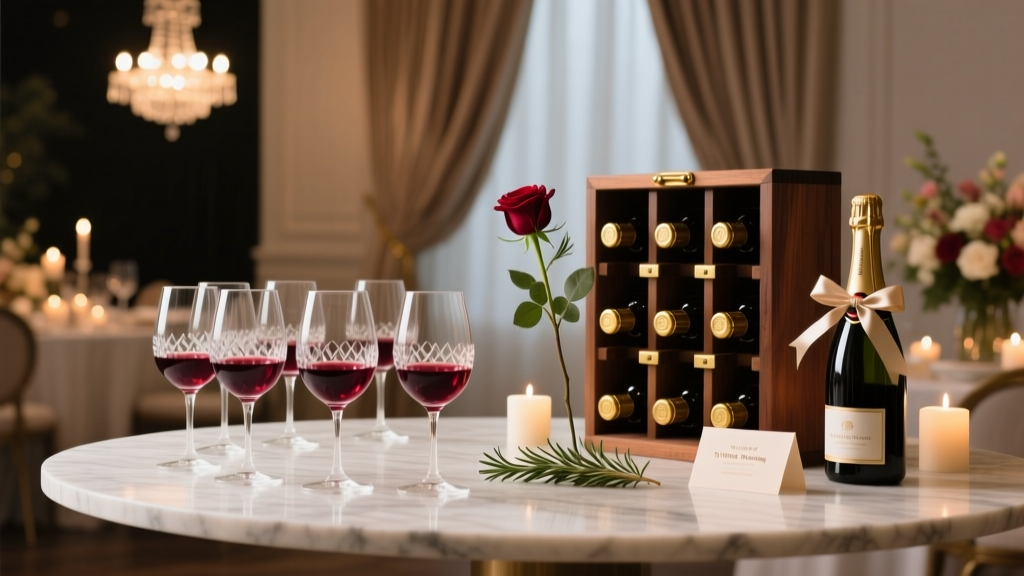
Top 20 Tips for a Wine Tasting
A well-planned wine tasting feels effortless: guests move smoothly from pour to pour, conversation flows, and the host stays present instead of stuck in the kitchen. That “easy” experience is almost always the result of smart event planning—clear timing, intentional wine selection, and a setup that prevents bottlenecks.
Whether you’re hosting a casual tasting at home, a milestone celebration, or a client-facing corporate event, the details matter. The right glassware, pacing, food pairings, and signage can elevate the experience from “drinks on a table” to a memorable, organized event. This guide delivers step-by-step party organization and coordination strategies, budget guidance, vendor tips, and a planning timeline you can reuse for future tastings.
Use these 20 expert tips as your roadmap, then customize the templates to match your guest list, venue, and theme.
Before You Plan: Set the Style and Purpose of Your Wine Tasting
Choose a tasting format that fits your group
Start with the event goal and guest preferences. Popular formats include:
- Varietal flight: Compare the same grape (e.g., Pinot Noir) across regions or price tiers.
- Regional tour: Wines from a single region (Napa, Rioja, Tuscany) for a cohesive story.
- Theme-based: “Old World vs. New World,” “Sparkling around the world,” “Women winemakers,” or “Sustainable/organic wines.”
- Blind tasting: Guests guess grape/region—interactive and great for team building.
- Progressive style: Stations in different rooms or areas to reduce crowding.
Right-size the guest list
Wine tastings are best when guests can hear brief notes and ask questions. A practical target:
- Home tasting: 8–16 guests (easier to manage pours and pacing)
- Larger event: 20–40 guests with additional staff or a clear self-serve flow
The Top 20 Tips for a Wine Tasting (Event-Planning Edition)
Tip 1: Build your wine list around a clear story
A cohesive “why these wines” makes the event feel curated. Limit to one big theme and reinforce it with a printed tasting card.
Tip 2: Plan 4–6 wines for most groups
Four wines feels approachable; six feels special. More than six can overwhelm palates and timelines. For a 2–3 hour event, 5 wines is a sweet spot.
Tip 3: Order the lineup in a logical tasting sequence
- Sparkling → white → rosé → light red → bold red → dessert/fortified
- Dry before sweet; lower alcohol before higher alcohol
Tip 4: Use the right pour size (and stick to it)
For a tasting, aim for 2 oz (60 ml) per wine. This keeps guests engaged without over-serving.
- Rule of thumb: One 750 ml bottle = about 12 tasting pours (2 oz)
Tip 5: Buy one “buffer bottle” for your most popular style
In real-world hosting, one wine becomes the crowd favorite. Add a backup bottle for that category (often sparkling or a fruit-forward red).
Tip 6: Offer at least one non-alcoholic option that feels intentional
Current event planning trends emphasize inclusive hosting. Provide:
- Sparkling water with citrus and herbs
- Non-alcoholic wine or a crafted grape-based spritz
- A clearly labeled water station
Tip 7: Design the layout to prevent crowding
Reduce bottlenecks with zoning:
- Welcome zone: coat area, name tags, first glass
- Tasting zone: bottles, dump bucket, water, note cards
- Food zone: pairings separate from the pour line
- Conversation zone: seating or stand-up tables away from the main flow
Tip 8: Provide one glass per guest (plus a few extras)
One glass is workable if you include a rinse station (water + dump bucket). If budget allows, two glasses per guest (white + red) improves the experience.
Tip 9: Chill and stage wines like a pro
- Whites/rosé: 45–55°F
- Sparkling: 40–50°F
- Reds: 55–65°F (often slightly cooler than room temperature)
Use labeled ice buckets or wine fridges; stage backup bottles nearby so you’re not disappearing mid-event.
Tip 10: Use simple signage and tasting cards
A small sign for each wine keeps the host from repeating details nonstop. Include:
- Wine name, region, vintage
- 1–2 flavor notes (e.g., “black cherry, cedar”)
- Suggested pairing bite
Tip 11: Build food pairings that are bite-size and low-mess
Skip anything too spicy or overly garlicky—it can distort flavors. Crowd-friendly options:
- Cheese trio (soft, aged, blue) + crackers
- Charcuterie + olives + Marcona almonds
- Dark chocolate squares for bold reds
- Fruit (pear, grapes) for whites and sparkling
Tip 12: Offer palate cleansers
- Plain baguette or neutral crackers
- Still water and sparkling water
Tip 13: Add a “spit or dump” option without making it awkward
Provide a dump bucket at each station. For more formal tastings, include individual spit cups discreetly on the table.
Tip 14: Use music and lighting to set a tasting-friendly mood
Trend-forward hosts are choosing warm, photo-friendly lighting and lower-volume playlists so guests can hear each other. Keep music below conversation level.
Tip 15: Create a short run-of-show so pacing feels guided
A wine tasting is both social and structured. Even for casual home events, a loose schedule helps you stay on track.
Tip 16: Use a simple scoring system for engagement
Provide note cards with a 1–5 rating scale and “favorite wine” checkbox. Consider a small prize (wine stopper or chocolate) for participating.
Tip 17: Capture key logistics with a host station
Keep a bin or tray with:
- Corkscrew(s) and backup
- Wine key and foil cutter
- Paper towels, stain remover pen
- Extra napkins, trash bags
- Sharpie and labeling tape
Tip 18: Plan transportation and responsible service
If guests are driving, have a plan:
- Share rideshare codes or local taxi info
- Offer coffee/tea at the end
- Serve substantial snacks (not just crackers)
Tip 19: Decide whether to hire a sommelier or keep it host-led
For client events or larger groups, a wine pro adds credibility and reduces pressure on the host. For smaller gatherings, a confident host with tasting cards works well.
Tip 20: End with a memorable takeaway
Send guests home with a “favorites list” (wine names + where to buy) or a small favor like a cork coaster. It’s a simple event coordination move that increases post-event satisfaction.
Step-by-Step Wine Tasting Planning Timeline (with Checklist)
4–6 Weeks Before: Define the plan
- Choose the format/theme (regional, varietal, blind tasting)
- Set the guest count and draft your invite list
- Confirm venue details (home layout, rental space rules, parking)
- Outline your budget and decide: host-led vs. hired sommelier
- If using vendors: request quotes for rentals, catering, or wine delivery
2–3 Weeks Before: Source wine and supplies
- Select 4–6 wines and calculate bottle quantities (see budget section)
- Order or reserve glassware, dump buckets, table linens, cocktail tables
- Plan the food menu and dietary accommodations
- Create tasting cards/signage (digital template + print)
- Confirm staffing if needed (1 helper per 15–20 guests is a useful guideline)
1 Week Before: Finalize the run-of-show
- Confirm RSVPs and update quantities
- Write a simple host script (welcome + 1-minute intro per wine)
- Do a floor plan sketch: wine station, food station, seating, trash/recycling
- Buy non-perishables: napkins, water, crackers, ice bags (if storing)
48 Hours Before: Prep and stage
- Pre-print tasting sheets, labels, and place cards
- Pre-portion certain snacks (nuts, chocolates) into small bowls
- Clean glassware; set aside extra
- Chill whites and sparkling (don’t freeze)
Event Day: Setup checklist (90 minutes)
- Set tables/linens; place signage stands
- Set wine station: bottles in order, corkscrews, dump bucket, water, cups
- Set food station away from the pour line; place serving utensils
- Place trash/recycling bins where guests naturally finish snacks
- Light and music check; temperature check
- Open reds 20–30 minutes early (or decant if needed)
- Welcome table: name tags, tasting cards, pens
Post-Event: 20-minute closeout plan
- Cap and label leftover bottles; store properly
- Pack rentals neatly and photograph condition if required
- Collect tasting cards for favorites list follow-up
- Send a thank-you message with “top picks” and purchase links
Budget Considerations (with Sample Breakdown)
Use this practical budget framework for wine tasting event planning. Adjust based on guest count, venue, and whether you’re hiring help.
How to calculate wine quantity
- 2 oz pours x 5 wines = 10 oz per guest (a little over half a standard bottle)
- 1 bottle yields ~12 pours at 2 oz
Example: 15 guests, 5 wines, 2 oz pours each
- Total pours needed: 15 guests x 5 = 75 pours
- Bottles needed per wine: 75 pours ÷ 5 wines = 15 pours per wine → 2 bottles per wine (since 1 bottle ≈ 12 pours)
- Total bottles: 10 bottles + 1 buffer bottle = 11 bottles
Sample budget for 15 guests (mid-range)
- Wine: 11 bottles x $18 average = $198
- Food pairings: $8 per person = $120
- Supplies: tasting cards, pens, napkins, dump bucket liners = $35
- Ice + water + NA option: $25
- Rentals (optional): extra glassware, cocktail tables = $60–$150
Estimated total: $378–$528 (about $25–$35 per guest)
Where to spend vs. save
- Spend: enough glassware, quality snacks, one “wow” bottle (sparkling or flagship red)
- Save: décor (keep it minimal), printed materials (simple black-and-white), fewer rentals by using what you own
Vendor Selection Tips (Wine, Catering, Rentals)
- Wine shop partner: Choose a shop that can recommend a coherent flight and accept returns on unopened bottles (ask policy upfront).
- Caterer or charcuterie vendor: Ask for “tasting-friendly” portions and low-mess presentation. Confirm dietary coverage (vegetarian, gluten-free).
- Rental company: Confirm delivery/pickup windows and count glassware with a buffer (10–15% extra).
- Sommelier: Ask for a sample run-of-show, microphone needs (for larger groups), and whether they provide tasting sheets.
Real-World Examples You Can Copy
Example 1: “Old World vs. New World” home tasting (12 guests)
- Wines: 2 whites + 3 reds (paired side-by-side by grape)
- Setup: Two stations: Old World table and New World table to reduce line congestion
- Interactive element: Guests vote “Team Old” or “Team New” on tasting cards
Example 2: Corporate client appreciation tasting (30 guests)
- Wines: 5 wines, 2 oz pours, staffed pour station
- Flow: Welcome bubbles + branded tasting booklet + timed mini-talk every 20 minutes
- Trend-forward touch: Inclusive NA station and clear transportation suggestions in the invite
Common Wine Tasting Planning Mistakes to Avoid
- Over-serving: full pours derail pacing and responsible hosting.
- Too many wines: more options can reduce enjoyment and increase costs.
- No water plan: dehydration and palate fatigue happen fast.
- Food too heavy or too spicy: it competes with the wine and slows the event.
- Single crowded station: lines create dead time; split wine and food zones.
- Skipping labels/signage: guests lose track and keep asking basic questions.
- Not enough trash/recycling: mess spreads quickly at a tasting.
- No run-of-show: you end up rushing at the end or dragging in the middle.
FAQ: Wine Tasting Event Planning
How long should a wine tasting party last?
Plan for 2 to 3 hours. This gives time for arrivals, a guided sequence, food breaks, and socializing without dragging.
How many bottles do I need for a wine tasting?
For 2 oz tasting pours, one 750 ml bottle yields about 12 pours. Multiply guests x wines to get total pours, then divide by 12 to estimate bottles (round up and add one buffer bottle).
Do I need special wine glasses?
You don’t need specialty glasses, but you do need enough. Standard stemmed glasses work well. If possible, provide two per guest (one for white, one for red) to reduce rinsing and improve the flow.
What food works best for wine tastings?
Choose small bites that won’t overpower flavors: cheeses, cured meats, nuts, olives, bread, chocolate, and simple fruit. Keep it tidy and easy to eat while standing.
Should I host a blind tasting?
Blind tastings are excellent for engagement and team-building. Keep it simple: cover bottles, label them A–E, and provide a one-page guessing sheet so guests feel confident participating.
What’s the easiest way to make a wine tasting feel “planned”?
Use three items: a clear wine sequence (4–6 bottles), tasting cards with minimal notes, and a layout that separates wine, food, and seating. Those small coordination moves deliver a polished experience.
Actionable Next Steps for Your Wine Tasting
- Pick your theme and choose 5 wines that tell one story.
- Confirm guest count and calculate bottles using 2 oz pours.
- Sketch your layout to prevent lines: separate wine and food stations.
- Create tasting cards and a simple run-of-show so pacing stays effortless.
- Build a realistic budget that covers wine, food, and enough glassware.
For more party organization, event planning checklists, and coordination guides, explore the latest resources on smartpartyprep.com.
More Articles
 How Many Players Can Play Mario Party Jamboree? The Real Answer (Plus How to Maximize Fun for 1–4 Players—and Why Solo Mode Isn’t What You Think)
What Party Is Tom Steyer Affiliated With? The Truth Behind His Political Identity, Funding History, and Why Mislabeling Him as 'Independent' Costs Voters Critical Context — Here’s What You’re Not Being Told
What Is Third Party Sexual Harassment? The Hidden Liability Every Event Planner Overlooks (And How to Shield Your Team in 4 Proven Steps)
How Many Players Can Play Mario Party Jamboree? The Real Answer (Plus How to Maximize Fun for 1–4 Players—and Why Solo Mode Isn’t What You Think)
What Party Is Tom Steyer Affiliated With? The Truth Behind His Political Identity, Funding History, and Why Mislabeling Him as 'Independent' Costs Voters Critical Context — Here’s What You’re Not Being Told
What Is Third Party Sexual Harassment? The Hidden Liability Every Event Planner Overlooks (And How to Shield Your Team in 4 Proven Steps)
 What Political Party Are Conservatives? The Truth Behind U.S. Party Labels, Historical Shifts, and Why 'Conservative' Doesn’t Always Mean 'Republican' — A Clear, Nonpartisan Breakdown for Voters, Students, and Journalists
 What Is Conservative Party USA? The Truth Behind the Name — No, It’s Not a Real Political Party (And Why That Confuses Voters Every Election Cycle)
What Do Guys Wear to a Masquerade Party? 7 Effortless Outfit Formulas (From Velvet Tuxedos to Unexpected Steampunk Swagger) That Actually Get Compliments — No Costume Stress Required
How to Decorate a Table for a Dinner Party Without Stress, Overbuying, or Looking Like You Tried Too Hard — A Realistic 7-Step System That Works for Weeknight Gatherings *and* Milestone Celebrations
Is SC a one party consent state? Yes — but here’s exactly when that protection vanishes (and how to avoid felony wiretapping charges at your next event)
What Party Is Alan Simpson? The Viral Meme Explained + How to Use This Character for Unforgettable Themed Parties (Step-by-Step Guide)
Why Is It Called the Boston Tea Party? The Surprising Truth Behind the Name (It’s Not Just About Tea—or Even a Party!)
What Is Conservative Party USA? The Truth Behind the Name — No, It’s Not a Real Political Party (And Why That Confuses Voters Every Election Cycle)
What Do Guys Wear to a Masquerade Party? 7 Effortless Outfit Formulas (From Velvet Tuxedos to Unexpected Steampunk Swagger) That Actually Get Compliments — No Costume Stress Required
How to Decorate a Table for a Dinner Party Without Stress, Overbuying, or Looking Like You Tried Too Hard — A Realistic 7-Step System That Works for Weeknight Gatherings *and* Milestone Celebrations
Is SC a one party consent state? Yes — but here’s exactly when that protection vanishes (and how to avoid felony wiretapping charges at your next event)
What Party Is Alan Simpson? The Viral Meme Explained + How to Use This Character for Unforgettable Themed Parties (Step-by-Step Guide)
Why Is It Called the Boston Tea Party? The Surprising Truth Behind the Name (It’s Not Just About Tea—or Even a Party!)