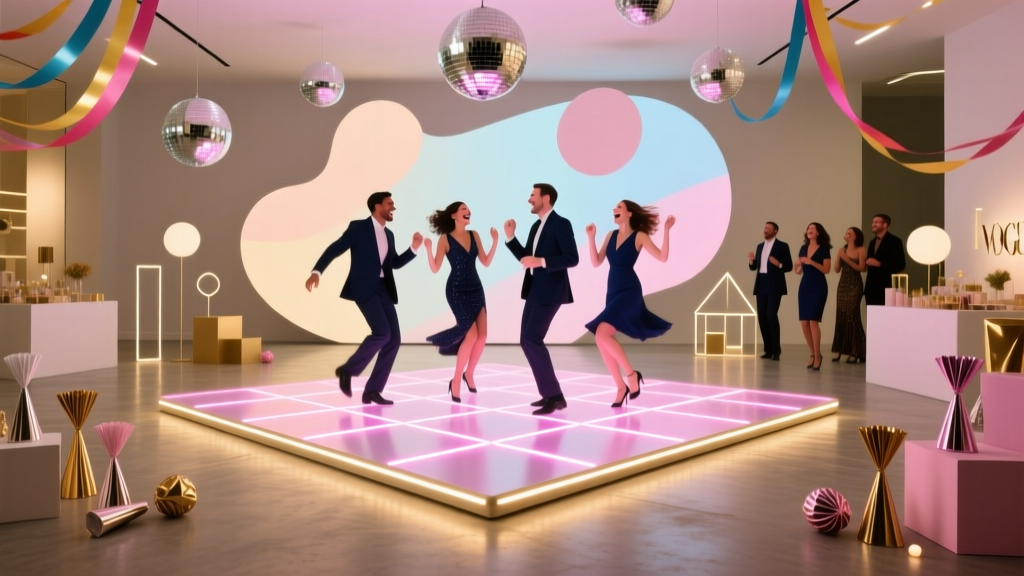
Top 10 Tips for a Dance Party
A great dance party looks effortless when it’s running well: the music hits at the right moments, the room feels energized, the lighting flatters every corner, and guests intuitively know where to go next. Behind that “easy” vibe is thoughtful event planning, smart party organization, and a few key coordination decisions made early.
Dance parties are different from dinner parties or casual gatherings because the experience is driven by flow—sound, lighting, crowd movement, and timing. If one element is off (a weak speaker setup, a cramped dance floor, a long bar line, or a playlist that doesn’t match the crowd), the whole event can lose momentum.
This guide breaks down the top dance party planning tips with step-by-step timelines, budget considerations, vendor selection strategies, and real-world examples you can adapt. Whether you’re coordinating a birthday dance party, a corporate social, a fundraiser, or a teen event, these principles help you create a packed dance floor and a stress-free planning process.
Tip #1: Define the Party “Blueprint” (Purpose, Audience, and Vibe)
Before you book a venue or build a playlist, clarify what success looks like. A dance party for coworkers after a conference needs different timing, music, and lighting than a 30th birthday or a community fundraiser.
Quick blueprint questions
- Occasion: Birthday, corporate event, school event, holiday party, engagement, fundraiser?
- Guest profile: Age range, music preferences, mobility needs, cultural considerations?
- Format: DJ-led, playlist-based, live band, silent disco, themed dance night?
- Energy goal: High-energy club vibe, retro party, family-friendly, “cocktail-to-dance” transition?
- Must-haves: Photo booth, specialty cocktails, late-night bites, dance lessons, branded moments?
Real-world example: A nonprofit fundraiser aimed at young professionals might prioritize a strong DJ, a clean sponsor wall/photo moment, and quick donation prompts between sets. A 40th birthday might prioritize a curated “eras” playlist and comfortable lounge seating for guests who take dance breaks.
Tip #2: Pick the Right Date, Duration, and Event Flow
Timing is one of the most overlooked event coordination decisions. The best dance parties build energy in phases rather than starting at full volume.
Suggested flow for a 4-hour dance party
- Arrival (0:00–0:45): Check-in, welcome drink, light background music, mingling.
- Warm-up (0:45–1:30): Tempo increases, first “anchor” songs, short announcements.
- Peak (1:30–3:00): Biggest tracks, lighting at full, interactive moments (shout-outs, group songs).
- Finale (3:00–3:45): Sing-alongs, throwbacks, high-impact closers.
- Close (last 15 min): Clear ending song, lights up slightly, exit cues, transportation reminders.
Trend watch
- Earlier start times: “Day parties” and early-evening dance events are popular for mixed-age groups.
- Micro-moments: Short planned highlights (sparkler moment, confetti pop, group photo) keep energy high without over-programming.
Tip #3: Budget for What Guests Feel Most (Sound, Lighting, Space)
When budgets get tight, protect the elements guests experience directly: audio quality, lighting, and layout. Décor matters, but a beautiful room with weak sound won’t dance well.
Sample budget breakdown (for a 75–120 guest dance party)
- Venue: 30–45%
- DJ or entertainment: 10–20%
- Sound + lighting: 10–18% (may be bundled with DJ)
- Food + beverage: 20–35%
- Photo/Video: 5–12%
- Décor + rentals: 5–10%
- Staffing/security/permits: 3–8%
- Contingency: 5–10%
Practical tip: If you need to cut costs, reduce décor complexity, shorten the open bar, or choose buffet-style bites—keep sound and lighting solid.
Tip #4: Choose a Venue That Supports Dancing (Not Just Standing)
Dance-friendly venues have the right proportions: room to move, places to rest, and minimal bottlenecks at entrances, bars, and restrooms.
Venue checklist for dance parties
- Floor plan: Can you create a dedicated dance floor plus lounge seating?
- Ceiling height: Higher ceilings improve sound dispersion and lighting impact.
- Power availability: Dedicated circuits for DJ/lighting to avoid tripped breakers.
- Noise rules: Curfews, decibel limits, and neighbor policies.
- Load-in access: Elevator, ramps, parking, and timing for vendors.
- Climate control: Dancing heats a room quickly—ensure HVAC is strong.
Real-world example: A loft with concrete floors might look incredible but can create harsh acoustics. Plan for acoustic considerations (speaker placement, rugs in lounge areas) and a sound check.
Tip #5: Build Your Vendor Team Early (DJ, AV, Catering, Security)
Dance parties rely on real-time execution. Your vendor selection should focus on reliability, communication, and event experience—not just price.
DJ vs. playlist: what works best?
- Hire a DJ if you want crowd reading, smooth transitions, MC capabilities, and controlled pacing.
- Use a curated playlist for smaller, casual parties where you can assign one person to manage volume and transitions.
- Consider a silent disco for noise-restricted venues or multi-generational crowds with varied music tastes.
Vendor selection tips (ask these questions)
- How do you handle requests while keeping the dance floor moving?
- What’s included: speakers, subwoofer, microphones, lighting, setup/breakdown time?
- Do you carry insurance and provide a contract?
- What’s your backup plan for equipment failure or illness?
- Can you share sample mixes or references from similar events?
Trend watch: Many hosts now request “clean versions” or “custom edits” for mixed groups. Share your explicit-content preferences and “do-not-play” list in advance.
Tip #6: Design the Layout for Flow (Dance Floor, Bar, Lounge, Photo Area)
A well-organized party layout reduces lines and keeps people circulating—key for maintaining energy.
Recommended zones
- Dance floor: Centrally located, unobstructed, with lighting focus.
- DJ/Stage area: Visible but not blocking movement; secure cables.
- Bar/service: Easy access with enough space to avoid crowding.
- Lounge seating: Along edges—gives guests a break without leaving the action.
- Photo moment: Near entry or lounge, not cutting through the dance floor.
- Water station: Highly visible—hydration improves guest comfort and safety.
Practical tip: Avoid placing the buffet directly next to the dance floor. Food lines can block movement and create congestion right where you need space.
Tip #7: Curate Music Like a Setlist (Not a Random Playlist)
Music programming is event planning strategy in action. Great dance parties are paced—warming up, building peaks, and landing the ending.
Music planning steps
- Collect preferences: Ask hosts/VIPs for 10 “must-play” songs and 10 “never-play” songs.
- Choose 2–3 core genres: Too many genres can fragment the floor.
- Plan anchor moments: A few universal crowd-pleasers spaced out.
- Mix eras intentionally: Group similar tempos; avoid jarring switches.
- Plan for transitions: Cocktail-to-dance shift is where many parties stall—schedule your first “everybody knows this” track.
Real-world setlist approach (example)
- First hour: upbeat pop/R&B at conversational volume
- Peak block: high-energy hits + remixes + throwback run
- Finale: sing-alongs + one “signature” closer tied to the theme
Tip #8: Nail Lighting and Ambience (High Impact, Low Clutter)
Lighting is the fastest way to transform a space into a dance environment. You don’t need a complicated setup—just intentional choices.
High-impact lighting options
- Uplighting: Colors that match your theme; makes photos look polished.
- Dance floor lighting: Moving lights or wash lights aimed away from guests’ eyes.
- Spotlight moments: For entrances, announcements, or a short performance.
- Neon sign or LED backdrop: Works as a photo moment and visual focal point.
Practical tip: Dim lights gradually as dancing begins. Sudden darkness can disrupt guests and increase safety risks.
Tip #9: Plan Food, Drinks, and Breaks Around the Dance Floor
Dance parties run better when guests can refuel quickly. Long waits for food or drinks can empty your dance floor.
What works best for dance events
- Passed appetizers: Keeps guests moving; minimizes lines.
- Late-night snack: A timed drop (pizza, sliders, tacos) re-energizes the room.
- Simple bar menu: 2 signature cocktails + beer/wine is faster than a full cocktail list.
- Non-alcoholic options: Trend-forward mocktails, sparkling waters, and fun garnishes.
- Hydration station: Water and cups in multiple locations for larger venues.
Budget-smart move: Limit premium liquor and invest in one excellent signature cocktail. Guests remember speed and taste more than endless options.
Tip #10: Prioritize Safety, Staffing, and Clear Communication
Professional event coordination includes risk management. Safety planning protects guests and keeps your event running smoothly.
Safety and staffing essentials
- Door/check-in coverage: Control capacity and handle guest questions.
- Security: Recommended for venues with alcohol service or larger guest counts.
- Cable management: Tape down cords and protect high-traffic paths.
- First-aid basics: Know where supplies are; identify who’s responsible.
- Transportation plan: Rideshare info, parking guidance, and end-time reminders.
Trend watch: More hosts are adding a “guest comfort” approach: visible water, quieter lounge areas, and clear signage—small choices that help everyone enjoy longer.
Step-by-Step Dance Party Planning Timeline (with Checklist)
6–8 weeks out: Foundations
- Define event goals, guest count, and vibe
- Set your total budget + 5–10% contingency
- Select date/time and secure venue
- Book DJ/entertainment and confirm AV needs
- Choose theme or style direction (optional but helpful)
4–6 weeks out: Core decisions
- Finalize vendor team: catering/bar, rentals, photographer, security (as needed)
- Create floor plan: dance floor size, lounge seating, bar placement
- Plan lighting approach and confirm power requirements
- Send invitations and collect RSVPs
- Draft music preferences: must-play, do-not-play, special songs
2–3 weeks out: Details and confirmations
- Confirm headcount estimates with vendors
- Review contracts, insurance requirements, and payment schedule
- Plan signage: check-in, bar menu, schedule highlights
- Create event run-of-show (timed schedule)
- Confirm staffing roles: who handles check-in, vendor arrivals, issues
1 week out: Final readiness
- Finalize RSVP list and share counts with venue/caterer
- Confirm load-in times, parking instructions, and contact list for vendors
- Do a final music briefing with DJ (or finalize playlist)
- Prepare an emergency kit: tape, scissors, chargers, stain remover, basic first-aid
- Print or share digital run-of-show with key helpers
Day-of: Execution checklist
- Venue walkthrough: exits clear, restrooms stocked, signage placed
- Sound check + microphone test (including announcements)
- Lighting test: dimming plan and dance floor focus
- Set check-in: guest list, wristbands (if needed), welcome signage
- Confirm food timing and late-night snack drop
- Align on end-of-night plan: final song, lights up, cleanup
Common Dance Party Planning Mistakes to Avoid
- Underestimating sound needs: A single small speaker rarely covers a room well; prioritize balanced audio with a subwoofer for dance music.
- No pacing: Starting with high-energy tracks too early can burn out the room; plan a build.
- Overcrowding the dance floor: Too many tables/chairs in the center kills movement; push seating to the perimeter.
- Ignoring lighting: Bright overhead lighting can make guests self-conscious; use dimmable options and uplighting.
- Slow bar service: Complex cocktails and one bartender for a large crowd creates lines and empties the floor.
- No contingency: Without a 5–10% buffer, last-minute costs (extra ice, security, overtime) create stress.
FAQ: Dance Party Planning and Coordination
How big should a dance floor be for my guest count?
Plan for roughly 30–60% of guests to dance at once, depending on the crowd and music. If you expect a high-energy group, allocate more open space and reduce table count. When in doubt, prioritize a larger dance area and add lounge seating along the edges.
Do I need a DJ, or can I use a playlist?
A playlist can work for smaller, informal events with someone assigned to manage volume and transitions. For most medium-to-large events, a professional DJ improves flow, reads the crowd, handles announcements, and reduces day-of coordination pressure.
What’s the best way to keep guests dancing all night?
Use pacing: warm-up music during arrivals, then increase energy in waves. Add a few “anchor” songs everyone knows, keep bar lines short, and schedule a late-night snack to bring people back to the floor.
How do I manage noise restrictions at a venue?
Ask about curfews and decibel limits before booking. Consider speaker placement, doors/windows management, and sound checks. If restrictions are tight, a silent disco is a proven workaround that still delivers a high-energy experience.
What should I ask vendors before signing contracts?
Confirm what’s included (setup time, equipment, staffing), insurance, cancellation/reschedule terms, overtime rates, and backup plans. For DJs and AV, ask how they handle equipment failures and whether they bring spare essentials.
Your Next Steps: A Simple Action Plan
- Pick your blueprint: audience, vibe, and “must-have” moments.
- Lock the venue and entertainment: these determine layout, sound, and timing.
- Build your run-of-show: plan the energy arc from arrival to finale.
- Confirm logistics: vendor load-in, power, staffing, and safety.
- Protect your budget: keep a contingency and spend on sound, lighting, and flow.
If you’re ready to keep planning with confidence, explore more party planning checklists, timelines, and event coordination guides at smartpartyprep.com.
More Articles
 How Many Political Parties Are in the UK? The Real Number Will Surprise You—Because It’s Not 2, Not 5, and Definitely Not Fixed (Here’s How to Track Active Parties in Real Time)
What Does Third Party Insurance Cover? The Truth No Event Planner Tells You (Spoiler: It’s Not Just ‘Someone Else’s Car’ — Here’s Exactly What’s Protected, What’s Excluded, and When You’re Still Liable)
What Is Third Party Payer? The Truth No One Tells You About Who Really Controls Your Medical Bills — And How to Regain Power Over Your Care and Costs
How to Host Murder Mystery Party Without Stress: The 7-Step Blueprint That Saves 12+ Hours (and Prevents Awkward Silences, Costly Kits, or Last-Minute Panic)
What Does the Reform Party Stand For? The Truth Behind Its Platform, Evolution, and Why Its 2024 Resurgence Is Turning Heads — Not What You’ve Heard on Cable News
Why Was It Called the Whig Party? The Surprising Scottish Insult That Sparked America’s First Modern Opposition Movement — And What It Reveals About Political Branding Today
How Many Political Parties Are in the UK? The Real Number Will Surprise You—Because It’s Not 2, Not 5, and Definitely Not Fixed (Here’s How to Track Active Parties in Real Time)
What Does Third Party Insurance Cover? The Truth No Event Planner Tells You (Spoiler: It’s Not Just ‘Someone Else’s Car’ — Here’s Exactly What’s Protected, What’s Excluded, and When You’re Still Liable)
What Is Third Party Payer? The Truth No One Tells You About Who Really Controls Your Medical Bills — And How to Regain Power Over Your Care and Costs
How to Host Murder Mystery Party Without Stress: The 7-Step Blueprint That Saves 12+ Hours (and Prevents Awkward Silences, Costly Kits, or Last-Minute Panic)
What Does the Reform Party Stand For? The Truth Behind Its Platform, Evolution, and Why Its 2024 Resurgence Is Turning Heads — Not What You’ve Heard on Cable News
Why Was It Called the Whig Party? The Surprising Scottish Insult That Sparked America’s First Modern Opposition Movement — And What It Reveals About Political Branding Today
 Awards Ceremony Vendor Selection Tips