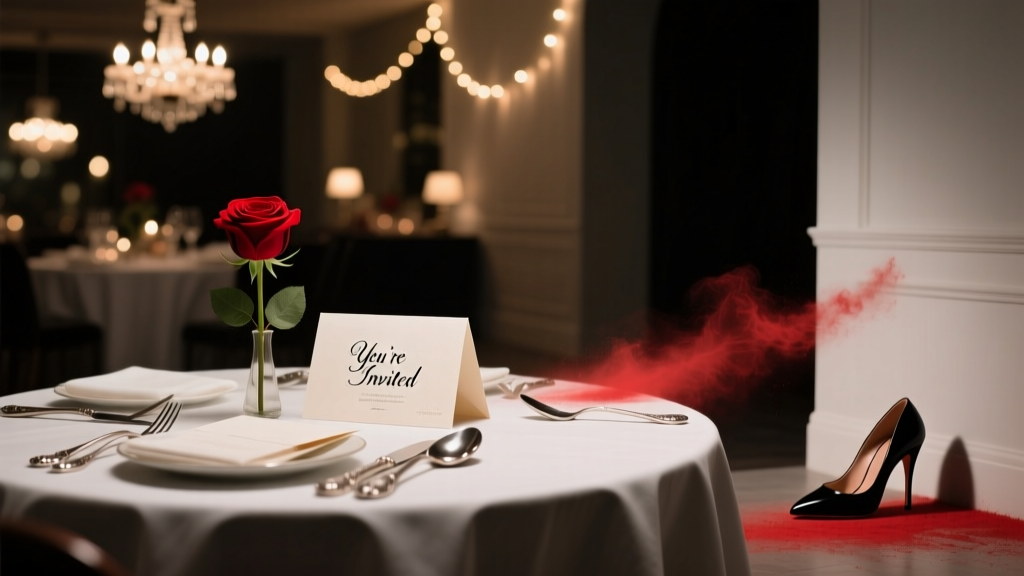
Step-by-Step Guide to a Murder Mystery
A murder mystery party is one of the most memorable event formats you can host—part interactive theater, part social mixer, and part puzzle. It also has more moving pieces than a typical dinner party: character assignments, scripted clues, timed reveals, and guests who need direction without feeling “managed.” That’s why proper event planning and coordination matters. When the flow is smooth, your guests feel confident playing along, conversations spark naturally, and the finale lands with applause.
The best murder mystery events feel effortless because the host planned the details in advance: the timeline, the guest experience, the set dressing, and contingency plans. This guide breaks down exactly how to organize a murder mystery party step by step, with practical templates, a planning timeline, budget considerations, vendor tips, and common mistakes to avoid—so you can host like a pro (without spending all night troubleshooting).
Step 1: Choose Your Murder Mystery Format (and Match It to Your Guests)
Before you pick a theme or order a kit, decide what type of murder mystery experience you’re aiming for. Your format affects everything: run time, space needs, food service, and how much “performance” you’re asking of guests.
Popular formats
- Boxed/Downloadable Murder Mystery Kit: Easiest for most hosts. Comes with character packets, clues, and instructions.
- Host-Written Mystery: Most customizable, but highest workload. Best for experienced planners or repeat hosts.
- Professional Actor-Led Mystery: Premium experience where performers run the story. Great for corporate events, milestone birthdays, or fundraisers.
- Open-Ended “Improvised” Mystery: Looser structure. Fun for confident groups, but needs strong facilitation.
How to pick the right complexity level
- For mixed groups (first-timers): Choose a structured kit with clear rounds and guided prompts.
- For theater-loving friends: Choose a character-heavy script and encourage costumes and accents.
- For networking/corporate: Choose shorter rounds, simpler rules, and include teamwork elements.
- For teen parties: Avoid graphic themes; pick school-safe mysteries and shorter run times.
Real-world example: A 12-person birthday dinner works best with a kit designed for 10–14 guests and three “rounds” of clues. A 30-person corporate holiday party is smoother with actors or a simplified, team-based mystery where guests can opt in and out.
Step 2: Lock In the Basics: Date, Guest Count, and Venue
Murder mystery party organization starts with three anchors: when, how many, and where. These determine your budget, catering style, and the overall run-of-show.
Guest count strategy
- Best range for first-time hosts: 8–16 guests (manageable character assignments and pacing).
- Over 20 guests: Consider teams, multiple suspects, or hiring facilitation help.
- Odd number of guests: Choose a flexible kit that includes “optional characters.”
Venue needs checklist
- Space for a central “reveal” area (living room, dining table, or a small stage zone)
- Good lighting for reading clue cards and character sheets
- Low background noise (music is great—keep volume controlled)
- A spot for a “Clue Table” (props, evidence, spare pens, timeline board)
- Restrooms and coat/ bag drop that won’t interrupt the game flow
Step 3: Select a Theme, Story, and Guest Experience
Theme drives excitement, decor, and costume participation. Choose a theme that’s easy to understand quickly so guests can play confidently.
Trending murder mystery themes (current event planning favorites)
- 1920s Speakeasy: Strong visuals, easy costumes, great for cocktails.
- Hollywood Red Carpet: Works well for photo ops and glam attire.
- Rustic “Whodunit at the Lodge”: Cozy, approachable, great for fall/winter.
- Modern True-Crime Podcast Night: Contemporary vibe; include “evidence boards” and audio cues.
- Masquerade Mystery: Built-in intrigue; easy prop (masks) elevates the look.
Guest experience goals to define
- Immersion level: Casual (light roleplay) vs. theatrical (full character acting).
- Food style: Seated dinner vs. cocktail party with stations.
- Game length: 90 minutes (compact) vs. 2.5–3 hours (full experience).
- Accessibility: Provide large-print clue sheets if needed, and ensure mobility-friendly layout.
Step 4: Build Your Planning Timeline (with Checklist)
Use this timeline template as your event coordination roadmap. Adjust based on whether you’re using a kit, hiring vendors, or hosting at a venue.
4–6 Weeks Before: Planning & Procurement
- Choose the mystery kit or book actors/entertainment
- Set guest list and confirm final headcount range
- Select venue (home, rented space, restaurant private room)
- Decide dress code and theme; outline decor plan
- Draft your run-of-show (arrival, briefing, rounds, reveal, awards)
- Order or source key items:
- Invitations (digital or printed)
- Basic props (evidence envelopes, name tags, notepads)
- Tableware/linens if needed
3 Weeks Before: Guest Communication & Character Assignments
- Send invitations with clear RSVP deadline
- Assign characters once you have a stable RSVP list
- Email each guest:
- Character description
- Costume suggestions (3 levels: simple, standard, extra)
- Arrival time and event length
- House rules (respectful play, no overly graphic improv)
- Plan menu and beverage approach (catered, potluck, DIY)
2 Weeks Before: Logistics & Setup Planning
- Finalize menu, shopping list, and any vendor orders
- Create your Clue Management System:
- Label envelopes by round and character
- Print a master checklist for distribution
- Prepare 2–3 spare pens per table/area
- Confirm rentals (tables, chairs, linens) if applicable
- Plan music playlist to match theme (keep it instrumental during clue reading)
1 Week Before: Final Confirmations
- Confirm RSVPs; adjust characters if needed
- Print all materials (extra copies of rules and timeline)
- Do a walkthrough of the space:
- Where guests enter
- Where they store coats/bags
- Where food and drinks will be served
- Where the big reveal will happen
- Prepare awards (small trophies, ribbons, gift cards) for:
- Best Detective
- Best Costume
- Best Performance (optional)
48–24 Hours Before: Staging & Prep
- Pre-cook items that hold well; confirm delivery times for catering
- Set up decor zones (entry, dining, photo spot, clue table)
- Assemble character packets and organize by arrival distribution
- Test lighting, sound, and any “special effects” (battery candles, spotlight, etc.)
Day-Of: Event Run-of-Show Template
- Arrival (20–30 min): Welcome drink, name tags, casual mingling
- Briefing (5–10 min): Explain rules, tone, and schedule
- Round 1 (20–30 min): Distribute first clues; prompt conversations
- Food Service (30–45 min): Dinner or stations while guests investigate
- Round 2 (20–30 min): New clues, accusations, alliances
- Round 3/Final Evidence (15–20 min): Final clue drop and theory time
- Solution Reveal (10–15 min): Announce the truth; celebrate
- Awards & Photos (10–15 min): Best detective/costume + group photo
Step 5: Food, Drinks, and Flow (Without Breaking the Mystery)
The biggest hosting challenge is balancing hospitality with game pacing. The smoother the food service, the easier it is for guests to stay engaged.
Best catering formats for murder mystery parties
- Buffet: Efficient, flexible timing. Set it up away from clue areas to reduce congestion.
- Passed appetizers: Great for actor-led or cocktail-style mysteries.
- Plated dinner: Most elegant, but hardest pacing unless you have help or a venue staff.
- Stations: Trend-forward and social—guests move around and mingle naturally.
Practical hosting tips
- Schedule clue drops before and after food service, not during peak serving
- Use signature drinks that match the theme (plus a zero-proof option)
- Label allergens clearly; keep at least one hearty vegetarian option
- Assign a trusted friend as “kitchen captain” so you can facilitate the mystery
Step 6: Decor, Props, and a Photo-Worthy Setup
Event planning trends lean into “experience-first” design: one or two high-impact moments beat a room full of expensive decor. Focus on immersive zones guests will interact with.
High-impact decor zones
- Entry moment: A sign with the party title + a “case file” welcome note
- Clue Table: Evidence board, envelopes, prop magnifying glass, string-and-pin backdrop
- Photo spot: Simple backdrop + themed props (hats, boas, masks)
- Tabletop storytelling: Menus labeled “Case Notes,” place cards with character names
Props that improve gameplay
- Name tags (character name larger than real name)
- Notepads titled “Detective Notes”
- A visible timer (phone on a stand or a small kitchen timer)
- A printed “Suspect Board” sheet guests can fill out
Budget Considerations (With Sample Breakdown)
Your murder mystery party budget depends on guest count, venue choice, and whether you’re hiring entertainment. Below are realistic ranges to guide event budgeting and vendor decisions.
Sample budget: 12 guests (home venue, kit-based)
- Murder mystery kit: $25–$90
- Food (buffet/dinner + snacks): $180–$420
- Beverages (alcohol + zero-proof): $60–$180
- Decor + props: $50–$200
- Printing/materials: $10–$40
- Awards/prizes: $20–$60
- Contingency (10%): $35–$100
Estimated total: $380–$1,090
Sample budget: 30 guests (rented space, light facilitation)
- Venue rental: $300–$1,500
- Catering: $900–$2,700
- Beverage service: $250–$900
- Entertainment/facilitator: $300–$2,000
- Decor/AV/printing: $150–$600
- Contingency (10%): $190–$770
Estimated total: $2,090–$9,970
Vendor Selection Tips (Entertainment, Catering, Venues)
If you’re hiring help, use a simple vendor evaluation method: reliability, clarity, and experience with interactive events.
Questions to ask entertainment providers
- How do you handle shy guests or low participation?
- What’s your run-of-show and typical event length?
- Do you provide props/costumes, or should guests supply their own?
- What do you need from the host on event day?
- Can you adapt to last-minute guest count changes?
Catering/venue coordination checklist
- Confirm serving times that align with clue rounds
- Ask about staffing levels (who clears plates, refills water, resets stations)
- Verify noise restrictions and music/AV rules
- Ensure there’s a staging area for your clue packets and awards
Common Planning Mistakes to Avoid
- Choosing a mystery with the wrong guest count: Too few roles creates awkward gaps; too many creates confusion. Pick a flexible kit or have optional characters ready.
- Overcomplicating the rules: If guests need 15 minutes to understand gameplay, energy drops. Keep instructions short and repeat key points.
- Not assigning a facilitator: The host can’t also be the only person managing food, music, timing, and clue drops. Assign at least one helper.
- Late character info: Guests need time to plan a costume and mindset. Send character packets at least 2–3 weeks out.
- Letting the room get too loud: People must read clues and discuss. Keep music low during rounds and avoid placing speakers near the clue table.
- No contingency plan for cancellations: Have 1–2 “swing roles” you can remove, or be ready to reassign quickly.
FAQ: Murder Mystery Party Planning
How long should a murder mystery party last?
Most home-based murder mystery parties run 2 to 3 hours, including arrival time, clue rounds, food, and the final reveal. For corporate events or mixed-age groups, a 90-minute version often works better.
Do guests have to dress up and act?
No. Offer three costume levels (simple/standard/extra) and describe acting expectations clearly. Many groups enjoy “light roleplay” where guests only use their character name and share clues.
What’s the easiest way to host for the first time?
Use a well-reviewed murder mystery kit designed for your exact guest range, keep the menu simple (buffet or stations), and assign a friend to help with timing and clue distribution.
Can I host a murder mystery party at a restaurant?
Yes—book a private room, confirm noise expectations, and choose a format that doesn’t require guests to constantly stand up and move around. Tell the venue in advance it’s an interactive event so staffing aligns with your pacing.
How do I handle guests who solve it too quickly?
Build in “misdirection” by pacing clue drops and keeping one or two key reveals until the final round. You can also add bonus awards (Best Theory, Best Interrogation) so the night isn’t only about being first.
What if someone cancels last minute and they’re the killer?
Choose a kit with flexible endings if possible, or keep one trusted helper “on standby” who can take over a role. If needed, reassign the role to a confident guest and provide a quick, private briefing.
Your Next Steps: A Simple Action Plan
- Pick your guest count and the format (kit, actor-led, or custom).
- Choose a theme that supports easy costumes and a clear vibe.
- Draft a run-of-show using the day-of template above.
- Create your clue distribution checklist and assign one helper to manage timing.
- Set your budget and decide where to spend for maximum impact (food flow, facilitation, and one photo-worthy decor moment).
If you’re ready to plan your next event with less stress and better results, explore more party planning timelines, checklists, and coordination tips at smartpartyprep.com.
More Articles
 What Happened During the Boston Tea Party? The Real Story Behind the Protest — Not Just Tea, But Tactics, Timing, and Tactical Theater That Changed History
Where Is The Hunting Party Filmed? We Tracked Down All 7 Filming Locations (Plus How to Recreate That Exact Vibe for Your Next Event)
Can we have democracy without political parties? The surprising truth: 7 real-world experiments prove it’s possible — but at what cost to stability, representation, and voter trust?
What Happened During the Boston Tea Party? The Real Story Behind the Protest — Not Just Tea, But Tactics, Timing, and Tactical Theater That Changed History
Where Is The Hunting Party Filmed? We Tracked Down All 7 Filming Locations (Plus How to Recreate That Exact Vibe for Your Next Event)
Can we have democracy without political parties? The surprising truth: 7 real-world experiments prove it’s possible — but at what cost to stability, representation, and voter trust?
 What Gift to Give for Engagement Party: 7 Thoughtful, Stress-Free Picks (That Won’t Get Returned or Forgotten)
How Much Is Sky Zone for a Birthday Party? We Called 27 Locations, Compared Packages, and Found Hidden Fees That Could Add $85 — Here’s Exactly What You’ll Pay in 2024
Is IU a party school? The truth behind the reputation: what freshmen *actually* experience, how Greek life really works, and why 'party school' labels hide IU’s academic rigor and intentional community-building efforts.
Is Texas one party consent? Yes—but here’s exactly when that rule fails, what hidden exceptions could land you in court, and the 5-step checklist every event pro must follow before hitting record.
What Gift to Give for Engagement Party: 7 Thoughtful, Stress-Free Picks (That Won’t Get Returned or Forgotten)
How Much Is Sky Zone for a Birthday Party? We Called 27 Locations, Compared Packages, and Found Hidden Fees That Could Add $85 — Here’s Exactly What You’ll Pay in 2024
Is IU a party school? The truth behind the reputation: what freshmen *actually* experience, how Greek life really works, and why 'party school' labels hide IU’s academic rigor and intentional community-building efforts.
Is Texas one party consent? Yes—but here’s exactly when that rule fails, what hidden exceptions could land you in court, and the 5-step checklist every event pro must follow before hitting record.