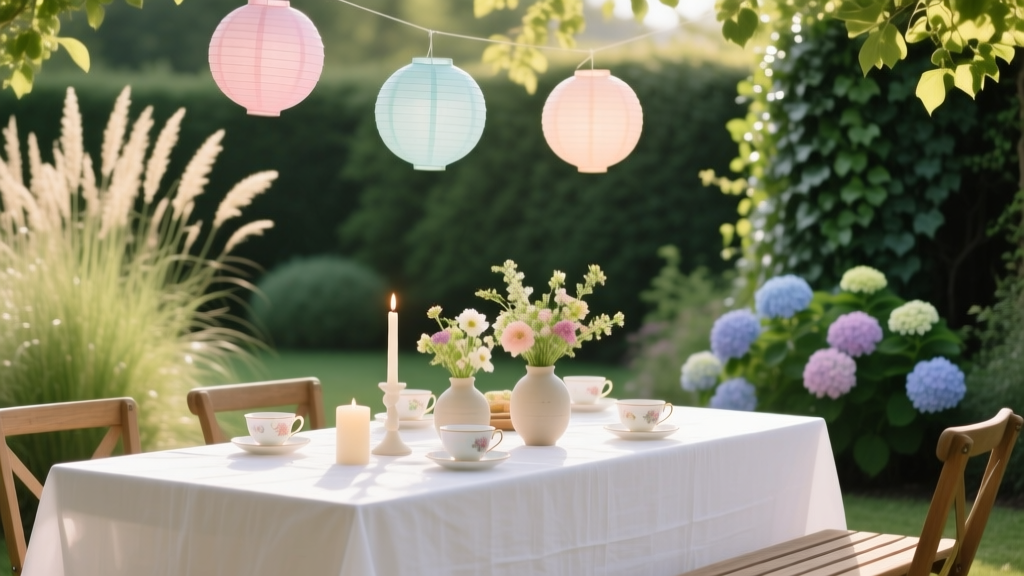
Step-by-Step Guide to a Garden Party
A garden party looks effortless when it’s done well: relaxed conversation, beautiful table settings, fresh food, and a pace that feels unhurried. Behind that “easy” atmosphere is smart event planning—timing your setup, planning for weather, organizing vendors, and building a layout that keeps guests comfortable and moving naturally through the space.
Outdoor entertaining adds extra variables that indoor parties rarely face: sun and shade, wind, bugs, uneven ground, sound carry, and last-minute weather changes. A structured plan helps you protect the guest experience, stay within budget, and avoid day-of scrambling. Whether you’re hosting a casual backyard lunch, a bridal shower, or a milestone celebration, this guide walks you through garden party organization from concept to cleanup.
Use the timeline, checklists, budget examples, and real-world setups below to coordinate your event with confidence—plus a few current event planning trends that make outdoor gatherings feel modern and memorable.
Step 1: Define the Garden Party Vision (and Make Key Decisions Early)
Choose the purpose, guest count, and style
Start with three foundational details. They drive every planning choice that follows, from your seating plan to vendor selection.
- Purpose: birthday, engagement, baby shower, graduation, client appreciation, fundraising, or “just because.”
- Guest count: small (10–20), medium (25–50), large (60+). This affects restroom needs, rentals, and staffing.
- Style: classic tea garden, rustic picnic, modern al fresco dinner, Mediterranean courtyard, or floral “English garden.”
Pick the date and time with comfort in mind
- Best times: late morning (10:30–1:30), late afternoon (4:00–7:00), or early evening (6:00–9:00).
- Heat strategy: avoid peak midday sun in warm climates; schedule golden hour for photos and ambience.
- Noise and neighbors: confirm local quiet hours and parking considerations.
Decide: DIY, hybrid, or fully supported
Current event planning trends lean toward hybrid hosting: DIY décor + a few professional supports (drop-off catering, rentals, bartending, or a day-of coordinator) to protect the host’s time.
- DIY: best for 10–20 guests, simple menu, minimal rentals.
- Hybrid: best for 25–60 guests, rentals + food delivery/catering, optional staff.
- Full service: best for 60+ guests or higher-stakes events (milestones, corporate, or formal dinners).
Step 2: Build a Realistic Budget (with a Garden Party Breakdown)
A garden party budget usually clusters around rentals, food, and comfort items (shade, lighting, restrooms). Start with a total you can comfortably spend, then assign percentages to categories. Adjust based on your priorities (food vs. flowers, for example).
Sample budget breakdown (mid-range, 40 guests)
- Food & beverage (35–45%): $700–$1,200
- Rentals (20–30%): $400–$900 (tables, chairs, linens, tent/umbrellas)
- Decor & florals (10–15%): $200–$450
- Staffing (10–15%): $200–$500 (bartender/server or cleanup help)
- Entertainment & extras (5–10%): $100–$300 (speaker, lawn games, photo moment)
- Contingency (8–12%): $150–$350 (weather backup, last-minute supplies)
Money-saving swaps that still look elevated
- Use potted herbs (rosemary, basil, lavender) as centerpieces—guests can take them home.
- Choose one “wow” floral moment (entry arrangement or buffet styling) and keep tables simple.
- Serve two signature drinks instead of a full bar.
- Rent only what you can’t borrow—focus on chairs and shade first.
Step 3: Map Your Space Like a Pro (Layout, Flow, and Comfort)
Strong event coordination starts with a layout plan. Sketch your garden or yard on paper or use a simple notes app. Mark pathways, slopes, sprinklers, outlets, and shaded zones.
Core zones to include
- Welcome zone: greeting area, drink station, or a simple sign to orient guests.
- Seating zone: dining tables, café clusters, or picnic blankets (choose what suits your style and age mix).
- Food & beverage zone: buffet or grazing table away from direct sun and insects; keep lines away from seating.
- Activity/photo zone: lawn games, a small photo backdrop, or a flower bar.
- Service zone: hidden area for extra ice, trash bags, bus tubs, and supplies.
Comfort details guests remember
- Shade: umbrellas, sail shades, or a tent. For sunny days, prioritize shade over décor.
- Lighting: string lights, lanterns, and LED candles for dusk. Trend: warm, layered lighting over bright floodlights.
- Sound: a small speaker with a curated playlist beats overly loud music outdoors.
- Restrooms: for 30+ guests, consider an upgraded plan (extra supplies, a designated “refresh” basket, or a rental for larger events).
- Bug control: fans, citronella placed away from food, and keeping beverages covered.
Step 4: Choose Your Menu and Service Style (Outdoor-Friendly Planning)
Service styles that work well outdoors
- Grazing + small plates: low stress, easy flow, great for mingling.
- Buffet: efficient for 20–60 guests; keep it shaded and stocked with serving utensils.
- Plated meal: elegant but requires staffing and timing; best for smaller formal dinners.
- Stations: taco bar, pasta station, or garden spritz bar—popular trend for interactive experiences.
Garden party menu tips
- Choose foods that hold temperature well (grain salads, skewers, tea sandwiches, roasted veggies, fruit platters).
- Use covered serving pieces and place cold foods in trays over ice.
- Offer clearly labeled options for dietary needs (GF, DF, vegan, nut-free).
- Plan one simple dessert plus bite-sized extras (cookies, fruit, mini tarts).
Real-world example: 25-guest afternoon garden party
- Drinks: cucumber mint lemonade, sparkling water, rosé, and a non-alcoholic spritz
- Food: grazing board, caprese skewers, lemon herb chicken sliders, quinoa salad cups
- Dessert: berry pavlova cups (assembled shortly before serving)
Step 5: Vendor Selection Tips (Rentals, Catering, Florals, and Staffing)
Vendor coordination is where timelines can slip. Keep it simple: select vendors who communicate clearly, confirm details in writing, and have experience with outdoor setups.
Rental vendor checklist
- Ask about delivery windows and whether they’ll set up/strike or just drop off.
- Confirm surface requirements (grass vs. patio), staking rules, and weights for wind.
- Check rain plan options for tents and sidewalls.
- Verify quantities (always rent a few extra chairs and glassware if budget allows).
Catering and food delivery tips
- Ask how they package items for outdoor service (insulated carriers, labeled trays).
- Confirm allergy handling and ingredient labeling.
- Schedule delivery to arrive 60–90 minutes before guests (more if setup is complex).
When to hire staff
If you want to actually enjoy your party, staffing is a smart investment.
- 1 server can manage light bussing and refilling for 20–30 guests.
- 1 bartender keeps drinks flowing and reduces spills and glassware chaos.
- Day-of coordinator is ideal for 40+ guests or when multiple vendors are involved.
Step 6: Your Step-by-Step Planning Timeline and Checklists
6–8 weeks before
- Set budget, guest count, and party style
- Select date/time and confirm any neighborhood/venue considerations
- Book key vendors: rentals, catering, entertainment (if needed)
- Create a rough layout sketch (zones: seating, food, drinks, activities)
- Build your master guest list and collect addresses/emails
4 weeks before
- Send invitations and request RSVPs (include dress code and weather note)
- Finalize menu and service style
- Order rentals: tables, chairs, linens, tent/umbrellas, dinnerware
- Plan décor and florals (decide what you’ll DIY vs. buy)
- Confirm rain plan (tent, indoor backup, or reschedule date)
2 weeks before
- Track RSVPs and adjust quantities
- Create a shopping list by category (bar, pantry, produce, décor, disposables)
- Plan signage: food labels, bar menu, seating cards (if assigned)
- Test outdoor lighting and locate extension cords/outdoor-rated power strips
- Plan your playlist and any announcements or toasts
1 week before
- Confirm all vendor details in writing (times, addresses, contacts, payment)
- Do a yard/garden refresh: mowing, trimming, clearing pathways
- Confirm table and seating plan (including kids/high chairs if needed)
- Prepare your weather kit (see checklist below)
48–24 hours before
- Shop for shelf-stable items, beverages, and décor supplies
- Prep make-ahead foods (dressings, marinades, washed greens, cut fruit if it holds well)
- Set up non-perishables: serving pieces, signage, linens, games
- Charge speakers, string lights, and any battery-powered candles
Day-of timeline template (sample: 4:30 PM start)
- 11:00 AM–1:00 PM: Final clean, set zones, place trash/recycling bins
- 1:00 PM–2:30 PM: Rentals arrive; place tables/chairs; lay linens
- 2:30 PM–3:30 PM: Set bar station; ice setup; chill beverages
- 3:30 PM–4:00 PM: Food delivery/finishing touches; cover items until serving
- 4:00 PM–4:25 PM: Final walkthrough: lighting, restrooms, music, bug control
- 4:30 PM: Guests arrive; offer a welcome drink
- 5:15 PM: Serve food or open buffet
- 6:30 PM: Dessert/coffee; sunset lighting switches on
- 7:45 PM: Last call/closing moment; begin light cleanup
- 8:30 PM: Guest departure; full cleanup and vendor pickup coordination
Garden party emergency kit checklist
- Sunscreen, bug spray, after-bite relief
- Extra umbrellas or ponchos, towels for damp chairs
- Clips or weights for linens (wind control)
- First-aid basics, stain remover pen
- Extra trash bags, paper towels, sanitizing wipes
- Lighters/matches, extra batteries, extension cords
- Sharpies and tape for quick labels and fixes
Step 7: Styling and Décor That Feels Fresh (Current Trends Included)
Garden party décor is most successful when it supports the setting rather than competes with it. Recent event planning trends favor intentional simplicity: fewer items, better quality, and more texture.
Modern garden party styling ideas
- Color palette: 2–3 main colors + greenery. Trend: soft neutrals with one bold accent (citrus, cobalt, terracotta).
- Textural layers: linen napkins, rattan chargers, bud vases, tapered candles (LED outdoors).
- Statement focal point: a floral entry moment, a styled drink cart, or a photo corner with climbing greenery.
- Personalized touches: handwritten place cards, menu cards, or a “take-home bouquet” bar.
Common Garden Party Planning Mistakes to Avoid
- Skipping the weather plan: hope isn’t a strategy. Decide in advance: tent, indoor pivot, or backup date.
- Underestimating shade and hydration: guests won’t linger if they’re hot. Provide shade, water, and light, cooling-friendly foods.
- Not renting enough seating: even cocktail-style parties need resting spots—especially for mixed-age groups.
- Placing food in direct sun: it impacts both safety and quality. Keep cold foods cold and hot foods appropriately covered.
- Forgetting lighting transitions: dusk changes everything. Turn on lights before it gets dark so the party stays seamless.
- No flow plan: if guests bottleneck at the bar or buffet, the party feels chaotic. Create zones and clear pathways.
FAQ: Garden Party Planning and Coordination
How far in advance should I plan a garden party?
For 10–20 guests, 2–4 weeks is often enough if you’re keeping it simple. For 25–60 guests with rentals or catering, aim for 6–8 weeks to secure vendors and finalize logistics.
Do I need a tent for a garden party?
Not always, but you need a weather plan. If the forecast is unpredictable, a tent (or at least umbrellas/sail shades) protects comfort. For larger groups or higher-budget events, a tent is one of the best “insurance” items you can rent.
What’s the easiest food setup for an outdoor party?
Grazing boards, room-temperature salads, and pre-portioned items reduce last-minute work. A shaded buffet with clearly labeled dishes keeps service smooth and minimizes guest questions.
How do I keep bugs away without ruining the vibe?
Use a layered approach: remove standing water, keep food covered, place fans near seating, and use citronella or insect-repellent candles away from serving areas. Offer bug spray discreetly in a basket near the entrance.
How much seating should I provide if it’s a “mingle” party?
A good planning rule is seating for at least 70–80% of guests, plus a few cocktail tables. This keeps the party comfortable and prevents guests from leaving early.
Next Steps: Turn Your Plan into a Confident Hosting Experience
Start today by choosing your guest count, setting a realistic budget, and sketching your space into zones. Then build your event planning timeline backward from the start time and lock in the essentials: shade, seating, food, and a clear weather backup. Once logistics are secure, styling becomes the fun part—and your garden party will feel effortless to everyone who attends.
Want more step-by-step party organization tips, timelines, and checklists? Explore more event planning guides and smart coordination ideas on smartpartyprep.com.
More Articles
 Which Political Party Is Better for the Middle Class? We Analyzed 12 Years of Tax Policy, Wage Growth, Housing Affordability, and Education Spending — Here’s What Data (Not Rhetoric) Reveals About Real Impact on Families Earning $50K–$125K
 How Many Episodes of The Hunting Party Are There? (Spoiler-Free Breakdown + Where to Stream Each Season — Updated for 2024)
 How to Serve Meatballs at a Party Without Stress, Spills, or Sad Leftovers: 7 Field-Tested Strategies (Including the 3-Minute Hot-Holding Hack Chefs Swear By)
 Which Political Party Is the Elephant? The Surprising Origin Story Behind America’s Most Misunderstood Symbol—and Why It Still Dominates Campaigns, Yard Signs, and Voter Events Today